
On June 30, 2022, I. Horbachevsky Ternopil National Medical University for the third time in the last two years held a round table discussion on the improvement of training programs in the specialty 223 “Nursing” with the participation of TNMU administration, guarantors of training programs, external stakeholders and other interested parties.
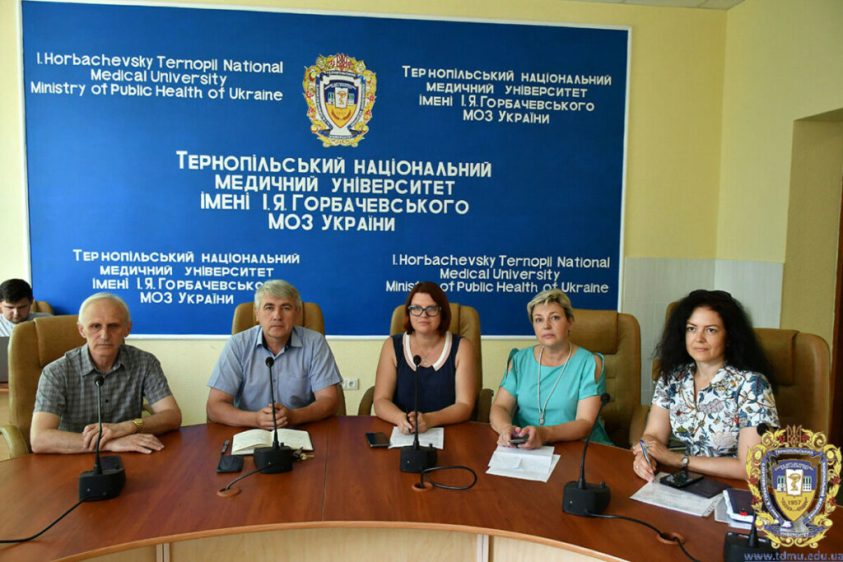
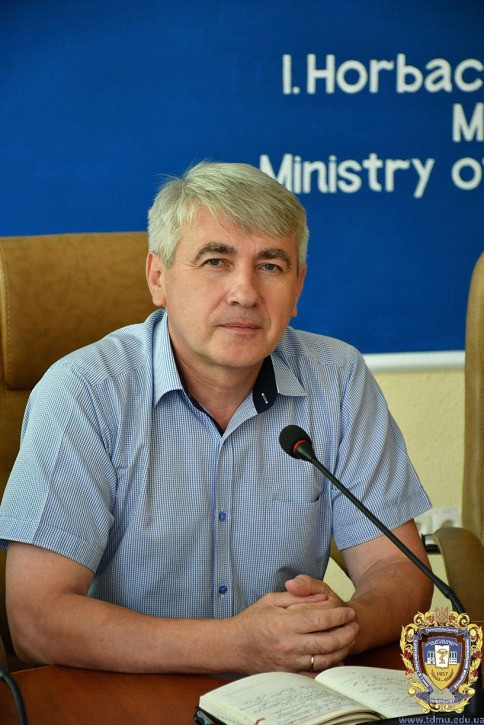
The meeting began with the speeches of Arkadii Shulhai, TNMU Vice-Rector for Science and Education, and Ivan Klishch, TNMU Vice-Rector for Research, who outlined the modern challenges in the training of nurses. Arkadii Shulhai noted the importance of profiling for specialists in the field 223 Nursing, starting from the first (bachelor) level of higher education, and also emphasized the need, in today’s conditions, to introduce new competencies into educational programs, in particular, providing assistance and caring for the sick in wartime, behaviour in conditions of chemical and radiation danger; recognizing symptoms and providing care for post-traumatic stress disorders. Ivan Klishch noted that changing the role of nurses in the healthcare system of Ukraine is not a new idea. This is not just a tribute to fashion or concern for the prestige of the profession, it is a change in the concept and awareness of society about what a state of health is, who should take care of it and how. Therefore, today it is extremely important to train nurses also at the third level of higher education, which will contribute to the development of the entire field of nursing.
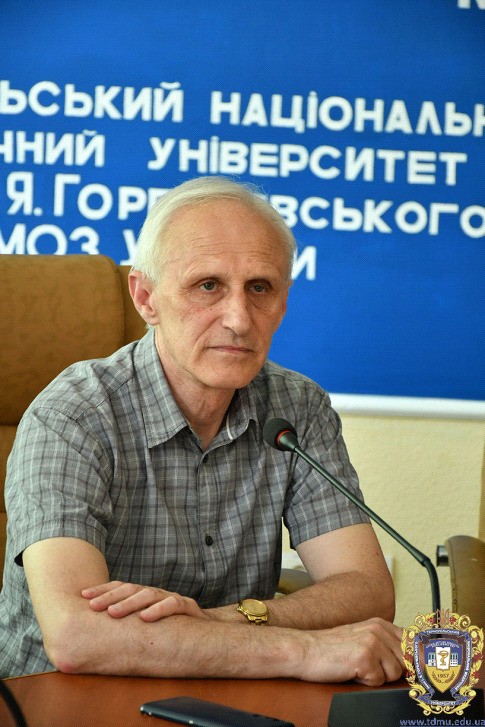
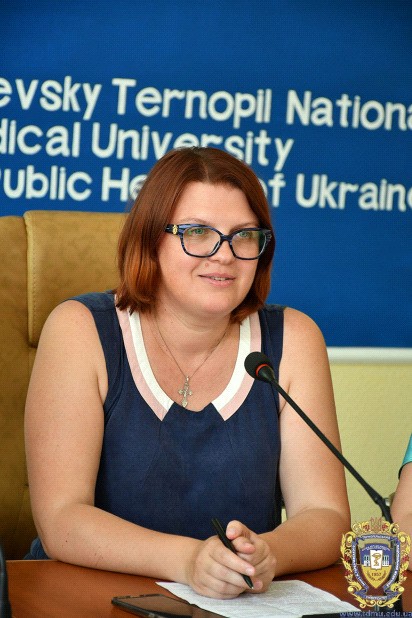
The round table discussion was attended by guarantors of training programs, in particular, Mariya Marushchak – guarantor of the research program of the third level of higher education, Svitlana Yastremska – guarantor of the training program of the second (master’s) level of higher education and Yuliia Danylevych – guarantor of the training program of the first (bachelor) level of higher education, who presented changes in educational programs that were made based on the results of the previous round table, as well as recommendations of other stakeholders during the public discussion of training programs. Program guarantor Mariya Maruschak noted that, based on the results of the previous meeting, new disciplines were introduced into the list of compulsory ones, competencies and program learning outcomes were updated, great attention was paid to the scientific component of the program. Program guarantor Svitlana Yastremska emphasized that now is the time to introduce profiling for future masters in the field of nursing by increasing the catalogue of elective disciplines with clinical disciplines, which will significantly expand the individual trajectory of a student and help prepare for practical activities in a certain field of practical nursing activities in in the future. Program guarantor Yuliya Danylevych drew attention to the fact that expanding the powers of nurses – for example, allowing them to examine patients or prescribe a basic set of medicines – encourages the improvement of educational programs, an increase in the percentage of hours of practical classes, and the creation of new elective courses. In addition, nursing practitioners should have access to a system of continuous professional development similar to that which exists for doctors, as it is clear that working in a surgical ward is radically different from working in a paediatric or infectious disease ward.
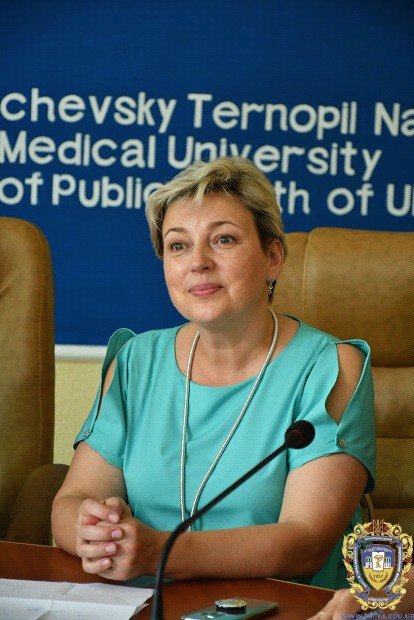
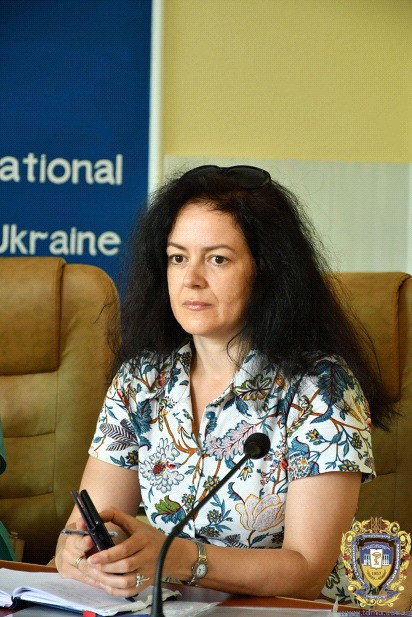
This year, a wide representation of educational institutions (higher innovative school “Kolegium Masovia” (Poland), Bukovyna State Medical University, Cherkasy Medical Academy, Volyn Medical Institute, Zhytomyr Medical Institute, Andrei Krupinsky Lviv Medical Academy, Specialized Medical College of Ivano-Frankivsk National Medical University, Arsen Richynskyi Kremenets Medical College, Dnipro Basic Medical College) at the round table shows great interest in high-quality training of personnel in the specialty 223 Nursing, as well as in outlining common issues and finding their solutions.
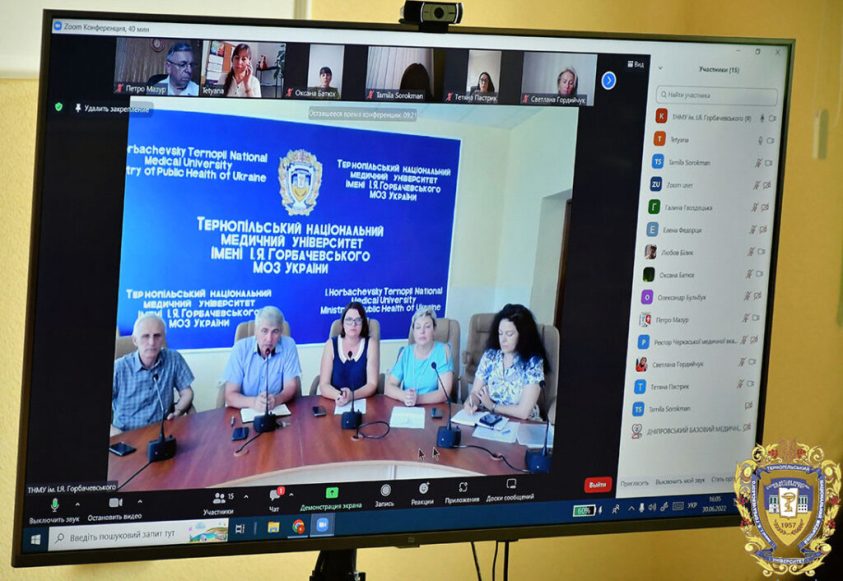
All the participants of the round table discussion agreed that a modern nurse no longer acts as the “hands of a doctor” or “mechanical” executor of a doctor’s instructions or appointments, but an equal partner in the common cause of preserving the health of the population. The best global practice shows that increasing the powers of nurses allows not only to expand access to medical services, but also to improve their quality, which, in turn, requires new approaches to the training of such specialists. Therefore, during the meeting, the specifics of training programs in the specialty 223 Nursing for each level of higher education were discussed, namely: the development of competencies in future nurses in accordance with training programs in each medical education institution, taking into account the regional and national context, ways of expanding the elective part of the training programs, experience in the specification of training methods, an approach to the formation of soft skills. Stakeholders also emphasized that nurses should have access to a system of continuous professional development similar to that which exists for physicians.

One of the issues was also the discussion of the standard of higher education in the specialty 223 Nursing for the second (master’s) level of higher education, which was approved by the Ministry of Education and Science of Ukraine on June 24, 2022 (order No. 589). Representatives of subcommittee 223 Nursing of scientific and methodical commission 12 on health care and social security of the sector of higher education of the scientific and methodical council of the Ministry of Education and Science of Ukraine on the development of standards of higher education Svitlana Hordiichuk and Nataliia Dub noted that a significant emphasis is placed on the achievement by future masters in nursing of the program learning outcomes that have a clear practical orientation. The Standard also says that at least 50% of the volume of the training program should be aimed at ensuring general and special (professional) competences in the specialty, and the minimum volume of practices should be at least 10 ECTS credits. Tetiana Andrukhiv, who is the assistant to the Rector for foreign affairs of the higher innovative school “Kolegium Mazovia”, confirmed that in educational institutions in Poland, much attention is paid to the actual practical training of nurses.
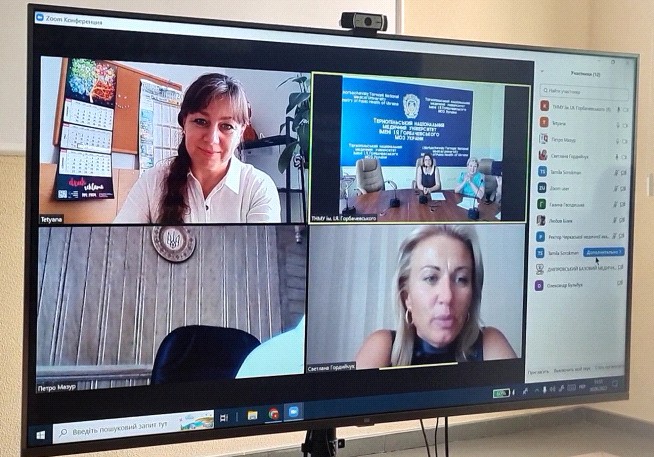
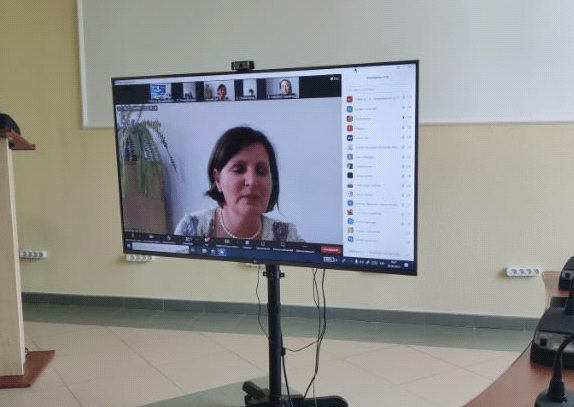
During the round table, many issues regarding the training of nurses at the third level of higher education were discussed. Thus, Tetiana Pastryk once again emphasized the need for the development of pedagogic skills in the students of this educational level. Inna Hubenko positively noted the initiative of two higher education institutions of Ukraine to prepare doctors of philosophy in nursing, because training of specialists of the first and second level of higher education in nursing should be carried out by narrow specialists. Petro Mazur supported the changes to the research program and emphasized the urgent need to introduce the discipline “Information and communication literacy and digital science” into the list of compulsory courses in modern conditions characterized by fake data and a large amount of unreliable information. Tamila Sorokman shared her experience of training PhD students in nursing, noting that it is not an easy way, especially in the conditions of practical misunderstanding of the medical community as to how a nurse can be a PhD. Therefore, she suggested to prepare an appeal to the Ministry of Health of Ukraine regarding the creation of a legal document that would clearly define the functional duties of nurses at various levels of higher education.
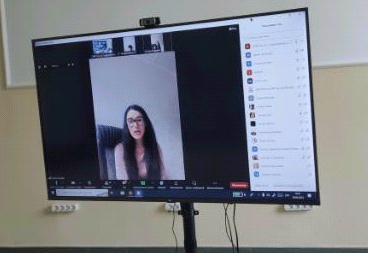
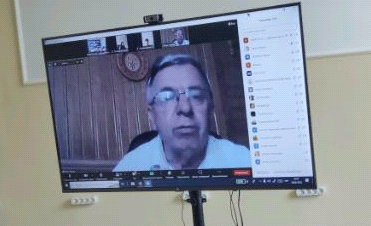
In general, the stakeholders noted that TNMU administration and the teaching community take an active part in matters of improving the educational process, updating the content components of training program, which allows training highly qualified and competitive specialists in the labour market, ensures the readiness of future specialists for professional self-realization.

The results of the joint discussion of training programs testify to the correctly designed directions of training the nurses in the specialty 223 “Nursing” at all levels of higher education, and also raise a number of important issues in the field of nursing that need to be addressed.
The information was provided by Professor Mariya Marushchak.
Photographs by Mykola Vasylechko.