A recent study published in Cell Reports highlights a new drug that could help to repair nervous system damage caused by ischemic strokes in animal models. The breakthrough preclinical study was conducted by researchers from the University of Cincinnati and Case Western Reserve University. An ischemic stroke happens when the blood supply to part of the brain is either decreased or

New drug could help repair nervous system damage caused by strokes Read More »

Antibiotics induce sex-specific effects on the gut microbiomes of male and female rats. The corresponding study was published in Frontiers in Microbiology.  Although gut microbiome composition differs between males and females, sex is rarely considered when prescribing antibiotics. Furthermore, sex-based differences in gut microbiome recovery following antibiotic treatment are poorly understood. To change this, in

Antibiotics Affect Gut Microbiome of Male and Female Rats Differently Read More »

Researchers from the University of Virginia School of Medicine suggest in new study recently published in Science that the FDA-approved drug, pirfenidone, could help men live longer and healthier lives. The drug is already being used to treat idiopathic pulmonary fibrosis, a type of lung scarring, and works by preventing the action of a specific natural substance in the body that

Drug that Can Help Men Live Longer? Read More »

Researchers have identified three mutations of the MINAR2 gene that are linked to deafness. They say that the mutations may hold promise as potential targets for future treatments for deafness. The corresponding study was published in PNAS.  The researchers behind the study have been studying the genetic underpinnings of deafness for over two decades. During

Potential Gene Targets Identified for Treating Deafness Read More »

Having two or more cardiometabolic diseases, such as type 2 diabetes, heart disease, and stroke, may double dementia risk. The corresponding study was published in Alzheimer’s and Dementia.   While cardiometabolic diseases taken individually are known to increase dementia risk, their simultaneous impact has been relatively less studied. In the present study, researchers thus sought to examine

Heart Disease and Diabetes Double Dementia Risk Read More »

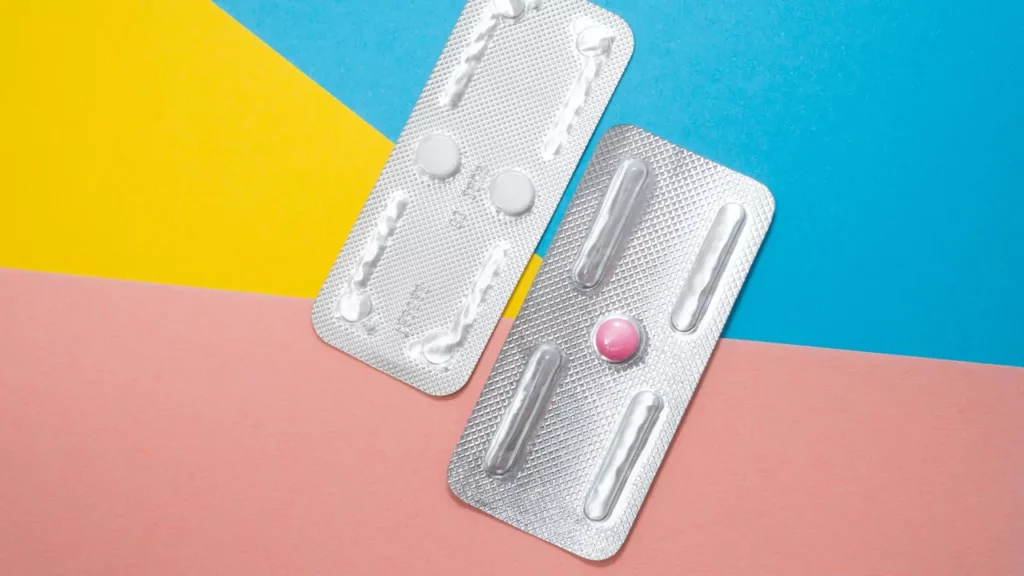
At ENDO 2022, the Endocrine Society’s annual meeting in Atlanta, researchers present positive results from a study exploring acceptability and willingness to take two oral male contraceptive pills that are in clinical trials. The birth control burden Birth control is used to prevent pregnancy that occurs as a result of sexual intercourse purposely. While many

Encouraging Results From Clinical Trials of Two Male Contraceptive Pills Read More »

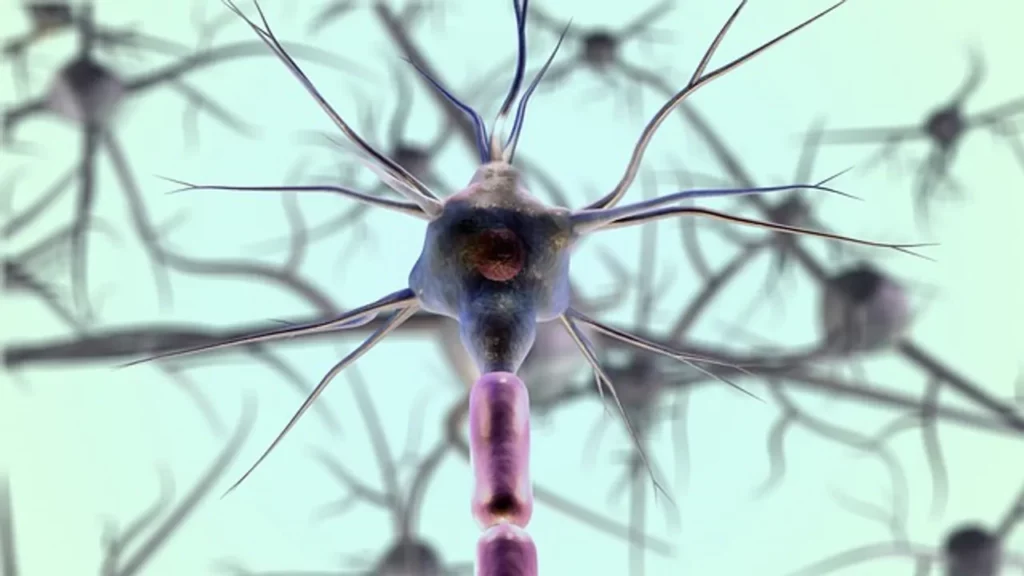
The human brain is lipid rich. Lipids and fatty acids contribute to many important cellular processes. Alpha-synuclein — a protein that plays a critical role in Parkinson’s disease (PD) — is known to interact with and alter the balance of lipids and fatty acids. Investigators from the Brigham and Harvard Medical School are exploring how

New Candidate Target for Parkinson’s Disease Treatment Read More »

A new study published in PLOS Genetics has determined that height may impact the risk of certain health conditions. The study used genetic data from over 250,000 people in the U.S. Veterans Affairs Million Veteran Program. Previous research has suggested a relationship between height and the risk of certain health conditions, but the exact relationship is unclear.

Height May Be a Risk Factor for Several Conditions Read More »

Socially isolated people are 26% more likely than individuals with more active social connections to develop dementia later in life. The corresponding study was published in Neurology.  Professor Edmund Rolls, a neuroscientist from the University of Warwick Department of Computer Science, and one of the study’s authors, said: “There is a difference between social isolation, which

Social Isolation is an Independent Risk Factor for Dementia Read More »

Information regarding funding line1 Funding line 1 of the EFDS will provide funds to academic institutions in Europe that are willing and able to host researchers who have been displaced by the war in Ukraine. The aim is to provide immediate assistance to scholars in the continuation of their research in a safe environment. Who can

European Fund for displaced scientists Read More »

Scroll to Top