News TNMU

High blood pressure is, unfortunately, an increasingly common health condition. In the U.S alone, almost half of all adults have hypertension, or a blood pressure reading above 130/80 mmHg. Globally, that number is over one billion people with high blood pressure. Unfortunately, high blood pressure can lead to a number of worrisome complications, such as

Measuring Blood Pressure with a Camera Read More »
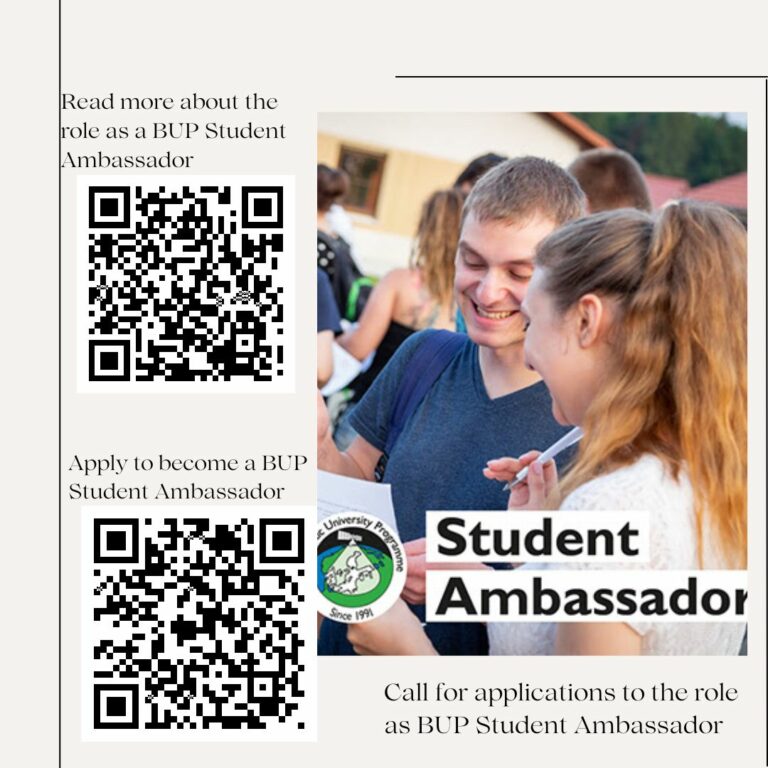
Work together with other students to develop and promote events and opportunities within the BUP. Becoming a Student Ambassador is a unique opportunity to network and gain work experience together with students from other universities in the Baltic Sea Region. There are three different profiles that you can choose to be engaged in, the social

Call for applications to the role as BUP Student Ambassador Read More »

We are glad to announce that the Viadrina International Program – for Graduates (VIP) is welcoming applications from doctoral students for the year 2023. The program is funded by the Europa-Universität Viadrina and aims to support the international networking of doctoral candidates and their stronger involvement in international research contexts and discourses. International doctoral candidates

Viadrina International Program – for Graduates Read More »

The importance of the gut microbiome has been demonstrated in recent years, and scientists have linked the microbes in the gut to many different aspects of human health and wellness. Now scientists have found evidence that certain bacteria in the gut microbiome are related to the development of Parkinson’s disease. In this work, the researchers

Can Imbalances in the Gut Microbiome Cause Parkinson’s Disease? Read More »

New research published in the journal Arteriosclerosis, Thrombosis, and Vascular Biology has shown that habitual intake of foods high in flavonoids, such as black tea, leads to less abdominal aortic calcification (AAC) for women later in life. AAC is a major predictor of vascular events such as heart attacks and strokes, and previous research has shown that

Black Tea Improves Health Later in Life Read More »

Hyperthermia (excess heats) refers to the use of high temperatures to treat cancer. When used to treat tumors locally, high temperatures can destroy cancer cells and even the blood vessels the supply vital nutrients to these cells. One way to administering heat to specific tumors involves the use of nanoparticles. The use of nanoparticle technology in conjunction

Hyperthermic Nanoparticles for Cancer Treatment Read More »

New research published in PLOS ONE has shown that stress impacts the brain’s responses to food cues in both individuals with obesity and individuals without obesity. The study involved 29 participants who completed experiments using functional magnetic resonance imaging (fMRI). Seventeen of the participants had obesity, while the other 12 participants were considered lean. Each participant completed

Stress Impacts the Brain’s Response to Food Read More »

Johns Hopkins University College of Medicine researchers collaborated with the Lyme Disease Research Center to understand the neurological impacts of Lyme disease. They observed distinctive changes in the brain tissue physiology of patients with post-treatment Lyme disease. The findings published in the journal PLoS One suggest that memory and cognitive difficulties are linked to functional and structural changes in

fMRI Study Indicates Brain Abnormalities in People with Post-Treatment Lyme Disease Read More »

Since ancient times, scientific and anecdotal evidence has noted many health benefits associated with pomegranates propelling this fruit into the “superfood” category.  Last year, Labroots discussed some of the immune-favoring properties of pomegranates, including anti-oxidant, anti-microbial, and anti-inflammatory activities.  While no studies have established direct connections between pomegranates and the prevention or treatment of cancer, a recent

Compound Produced by Pomegranates Could Help Fight Cancer Read More »

A study of human brain plasticity and visual perception highlighted potential treatments for patients with traumatic injury. Neuroplasticity is the brain’s capability to adapt either structurally or functionally in response to changes in the environment. The study was conducted by a University of Pittsburgh research team and published in the Proceedings of the National Academy of

Only Half a Brain Needed to Recognize Words and Faces Read More »

Scroll to Top