News TNMU

A new study published in PLOS Genetics has determined that height may impact the risk of certain health conditions. The study used genetic data from over 250,000 people in the U.S. Veterans Affairs Million Veteran Program. Previous research has suggested a relationship between height and the risk of certain health conditions, but the exact relationship is unclear.

Height May Be a Risk Factor for Several Conditions Read More »

Socially isolated people are 26% more likely than individuals with more active social connections to develop dementia later in life. The corresponding study was published in Neurology.  Professor Edmund Rolls, a neuroscientist from the University of Warwick Department of Computer Science, and one of the study’s authors, said: “There is a difference between social isolation, which

Social Isolation is an Independent Risk Factor for Dementia Read More »

Weight loss achieved via bariatric surgery among adults with obesity is linked to a lower risk of developing cancer and cancer-related death compared to adults who do not undergo surgery. The corresponding study was published in JAMA.  “According to the American Cancer Society, obesity is second only to tobacco as a preventable cause of cancer in

Weight loss Surgery Reduces Cancer Risk and Cancer Deaths Read More »

A new class of antibiotics has shown promise in preclinical trials against drug-resistant tuberculosis. The corresponding study was published in PLOS Biology.  Each year, around 1.5 million people die from Mycobacterium tuberculosis infection. Although antibiotics exist to treat the bacteria, multi-drug resistant, extensively drug-resistant, and totally drug-resistant strains have developed, and pose a significant health risk.

New Antibiotic Shows Promise Against Treatment-Resistant Tuberculosis Read More »

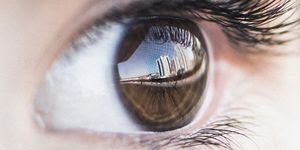
Different parts of the brain have been carefully mapped, so we have some idea of what parts of the brain are used to perceive our environment, move our bodies, or solve problems, for example. In vision, information about what we see moves through the brain. Our eyes see by assessing the images that fall on

How Visual Maps are Generated in the Brain Read More »

Human beings at capable of having five senses that we exercise in our everyday lives: sight or vision, hearing or audition, smell olfaction, taste gustation, and touch or tactition. This last sense, also known as tactile sensation, is an incredibly important part in how humans perceive their reality. While technology has allowed us to immerse ourselves in

Haptics device creates realistic virtual textures Read More »

A study published in eLife found that wakefulness, non-REM, and REM sleep have complementary functions for learning. University of Bern researchers found that introducing new, virtual sensory inputs during REM sleep facilitated the extraction of semantic concepts by mimicking a machine learning technique. They found that replaying episodic memories via perturbed dreaming during non-REM sleep can lead

The Connection Between Bizarre Dreams and Deeper Learning Read More »

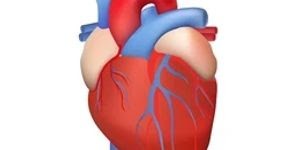
A research team at the University of Virginia Hospital System found that a regularly-used medication for gout, called colchicine, helped improve the survival rates of hospitalized heart failure patients. Results of the study are published in Clinical Cardiology. As part of the study, researchers gathered and reviewed medical records for over 1,000 people who were hospitalized

Gout Medication Helps Hospitalized People with Heart Failure Read More »

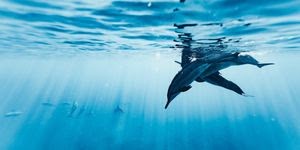
According to a new research study published in iScience, specific species of dolphins can experience skin irritation or different kinds of skin conditions. However, much like humans would go to a doctor for treatment, the Indo-Pacific bottlenose dolphin also has a source they go to for treatment: coral reefs. Specifically, researchers noted that dolphins engaged in

Dolphins Use Coral to Treat Skin Conditions Read More »

Scroll to Top