

Erasmus+ Academic Mobility at the Medical University of Warsaw: European Experience in Pediatrics and Pediatric Endocrinology
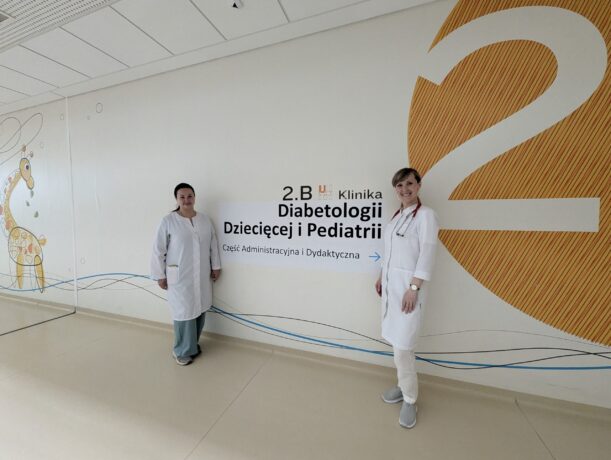
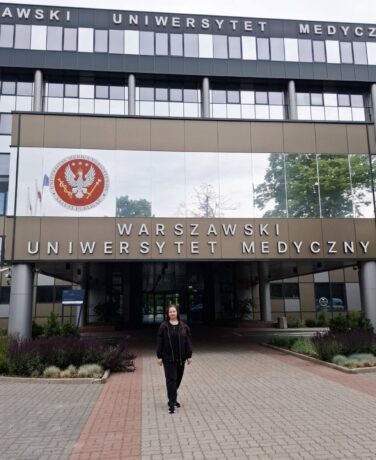
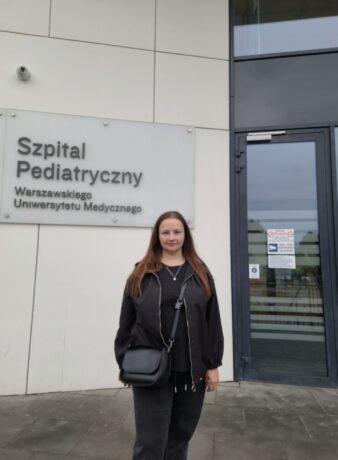
From June 8 to 12, 2026, Associate Professors of the Department of Pediatrics No. 2 at I. Horbachevsky Ternopil National Medical University, Kateryna Kozak and Kateryna Hlushko, participated in the Erasmus+ International Credit Mobility Programme (KA171) at the Medical University of Warsaw, Poland. The traineeship took place at the Józef Polikarp Brudziński Children’s Clinical Hospital (Dziecięcy Szpital Kliniczny im. Józefa Polikarpa Brudzińskiego).
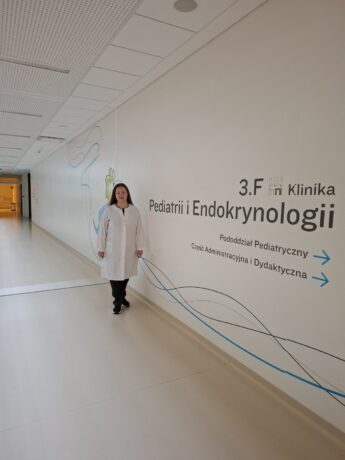
During the working week, Kateryna Kozak completed her traineeship in the Department of Pediatric Diabetology and Pediatrics under the supervision of Professor Agnieszka Szypowska, while Kateryna Hlushko trained in the Department of Endocrinology and Pediatrics under the supervision of Professor Beata Pyrzak. Both departments are leading clinical, educational, and research centers in pediatric diabetology and endocrinology in Poland.
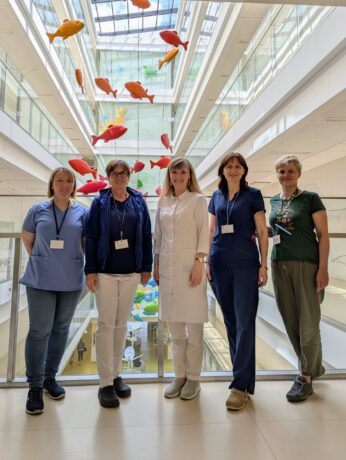
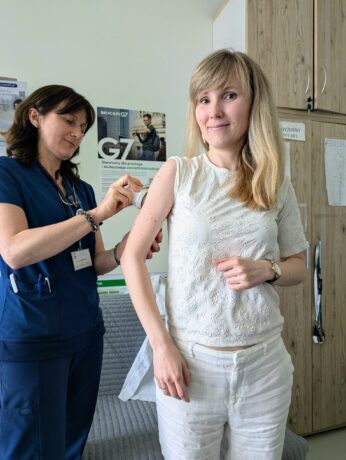
During the traineeship, the participants took part in clinical ward rounds, patient consultations, outpatient and inpatient care, case discussions, and multidisciplinary team meetings. Particularly valuable was the experience of working within a multidisciplinary team comprising pediatric endocrinologists, diabetologists, dietitians, geneticists, psychologists, psychodietitians, nurses, and specialists in physical anthropology. This approach enables comprehensive assessment of a child’s health status, individualized treatment planning, and improved clinical outcomes.
An important component of the traineeship was familiarization with modern technologies for the treatment of type 1 diabetes in children. Associate Professor Kateryna Kozak had the opportunity to study the practical aspects of insulin pump initiation and adjustment, the use of Continuous Glucose Monitoring (CGM) systems, and the interpretation of collected data for optimizing insulin therapy. Considerable attention was also devoted to the operation of diabetes schools, including educational programs for children and their parents focused on self-monitoring, insulin dose adjustment, dietary management, and prevention of complications.
Particular interest was generated by the role of dietitians in the comprehensive management of children with type 1 diabetes, overweight, obesity, and other metabolic disorders. Another valuable aspect of the programme was gaining insight into the work of physical anthropology specialists involved in the comprehensive assessment of children’s growth and physical development. During the traineeship, participants became familiar with anthropometric assessment methods, evaluation of body proportions, interpretation of anthropometric indicators, and their significance in diagnosing endocrine and genetic disorders in children.
The traineeship also enhanced participants’ knowledge of modern approaches to the diagnosis and treatment of children with growth disorders, including practical aspects of growth hormone therapy, patient selection criteria, evaluation of treatment effectiveness, and safety monitoring. Clinical approaches to the management of children with overweight and obesity were also explored, including assessment of cardiometabolic risks, development of individualized treatment programmes, and the application of innovative therapeutic methods. Of particular interest was the experience of using glucagon-like peptide-1 receptor agonists (GLP-1 RAs) in the treatment of pediatric obesity. In addition, participants became acquainted with contemporary approaches to managing thyroid disorders and the use of genetic testing in the diagnosis of endocrine diseases in children.
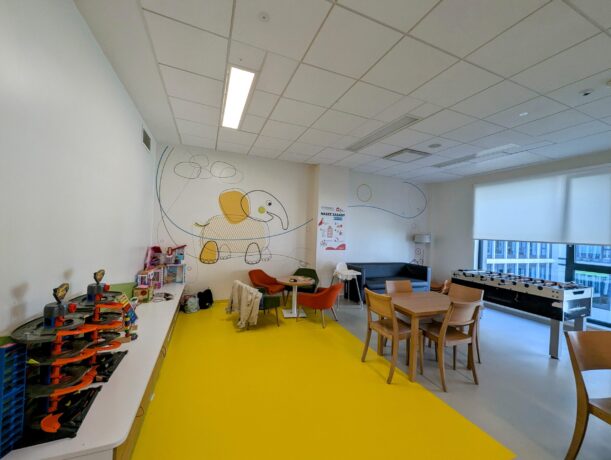
During their stay at the Medical University of Warsaw clinics, the participants noted the high level of technical equipment, availability of advanced diagnostic and therapeutic methods, extensive use of digital technologies, and adequate pharmaceutical support for patients, all of which contribute to the provision of high-quality pediatric healthcare.
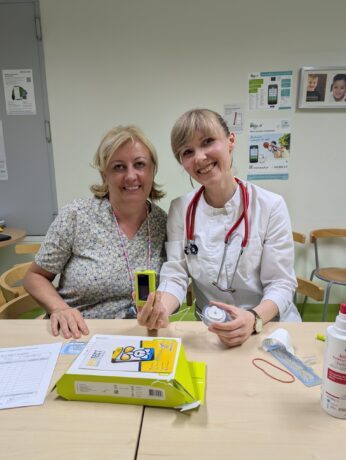
Participation in the Erasmus+ programme became an important component of the professional development of the faculty members of the Department of Pediatrics No. 2. It contributed to the enhancement of professional knowledge, improvement of practical skills, development of international cooperation, and implementation of modern clinical approaches in the education of future physicians.
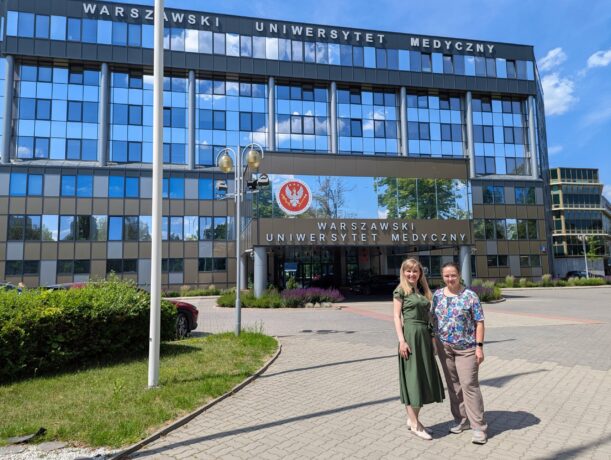
We sincerely thank the administration and the International Relations Office of TNMU for supporting academic mobility initiatives. We also express our gratitude to the leadership of the Medical University of Warsaw, particularly Rector Professor Rafał Krenke, Vice-Rector for International Relations, Development and Promotion Professor Michał Grąt, Head of the International Relations Office Lidia Przepióra-Dziewulska, and the staff of the International Relations Office.
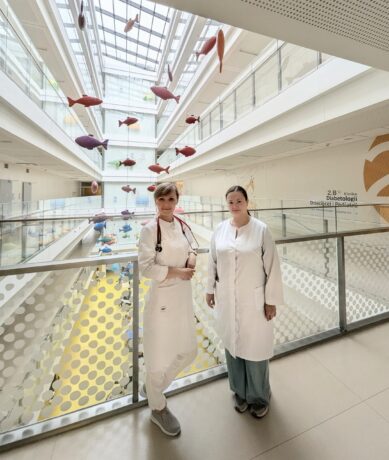
Special thanks are extended to the supervisors of the clinical component of our traineeship—Professor Agnieszka Szypowska, Professor Beata Pyrzak, and Dr. Lidia Groele—as well as to all department staff members for their warm welcome, excellent organization of the traineeship, professional support, and for creating favorable conditions for professional development and international collaboration.