

TNMU Associate Professor Completes Long-Term Research Fellowship at the University of Toulouse
Solomiia Kramar, Associate Professor of the Department of Histology and Embryology at I. Horbachevsky Ternopil National Medical University has successfully completed a long-term research fellowship at the University of Toulouse and the Institute of Metabolic and Cardiovascular Diseases (I2MC) in Toulouse, France.
The fellowship was conducted in several stages within the framework of the PAUSE Program and the Erasmus+ KA171 Staff Training Mobility program. Taking into account the intervals between the individual stages, the fellowship spanned the period from June 9, 2022, to June 23, 2026.
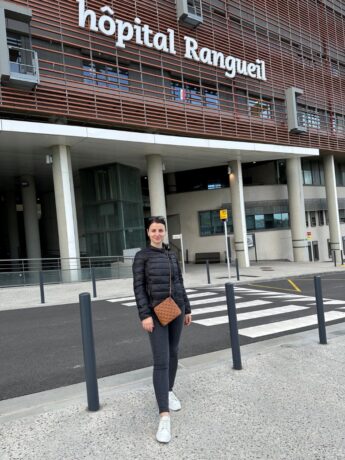
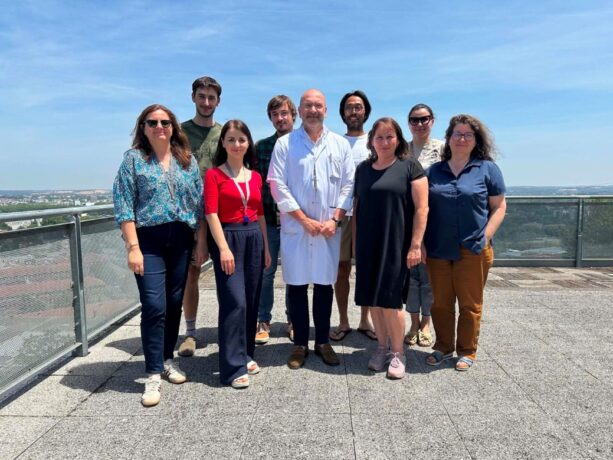
As part of her postdoctoral training, Dr. Kramar worked with Team 9 (CERAMIC) under the supervision of Dr. Oksana Kunduzova. The team’s research focuses on investigating the role of bioactive peptides in regulating cardiac remodeling during hypertrophy and heart failure associated with obesity and other metabolic disorders.
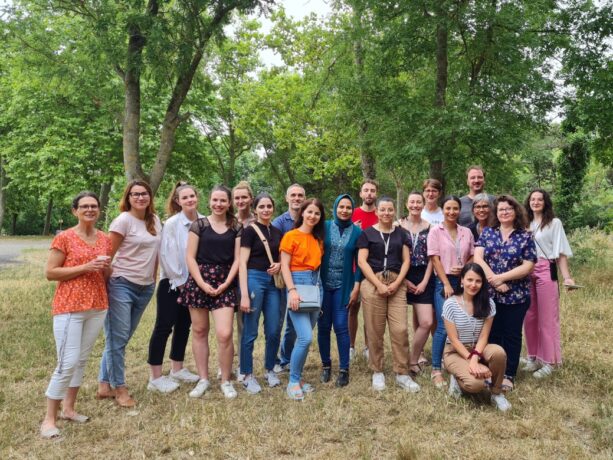
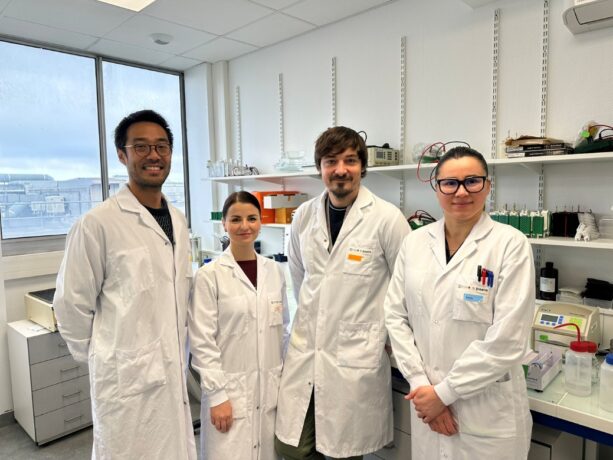
During the fellowship, Solomiia Kramar gained extensive hands-on experience working with knockout animal models and served as a histology expert within the INSPIRE Mouse Cohort project. She refined her expertise in preparing cryosections and samples for electron microscopy, expanded her proficiency in histological and histochemical techniques, and mastered a wide range of immunofluorescence staining methods using various antibodies for both in vivo and in vitro studies.
She also acquired advanced laboratory skills in protein and RNA extraction from cell and tissue lysates, Western blotting, real-time polymerase chain reaction (RT-PCR), and genotyping.
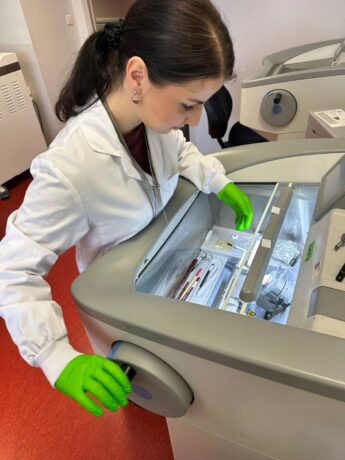
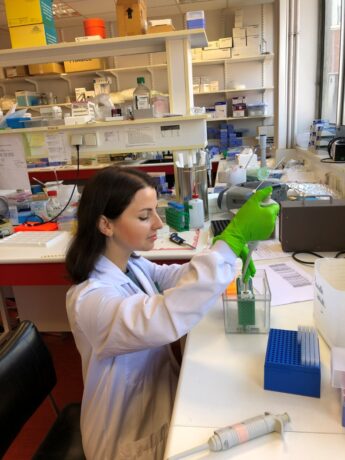
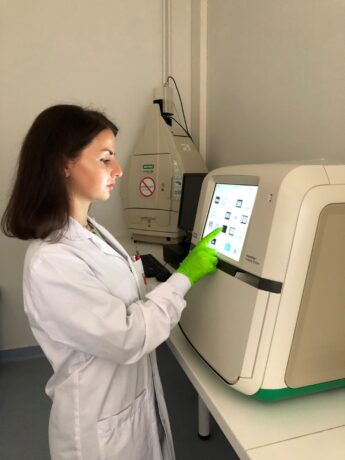
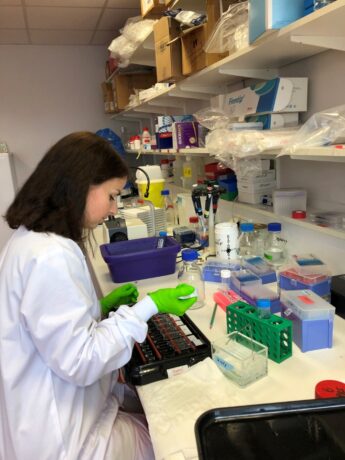
Детекція білків на мембрані за допомогою системи ChemiDoc під час вестерн-блот-аналізу.
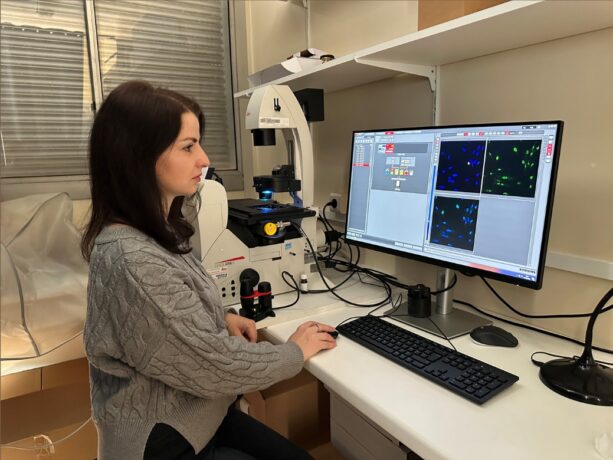
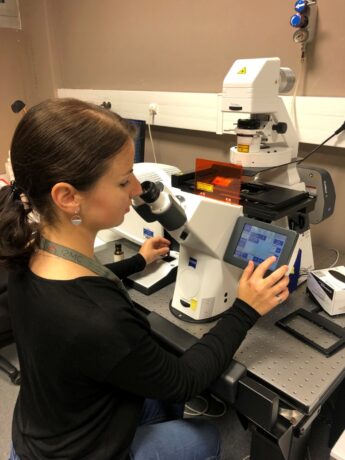
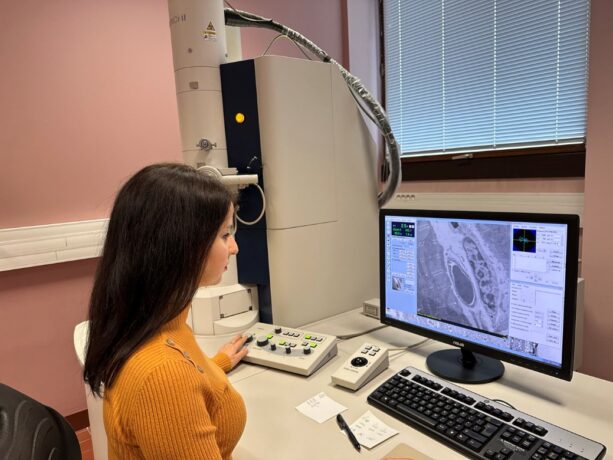
Throughout the fellowship, she became proficient with state-of-the-art research equipment, including the Leica DMi8 inverted microscope, the Zeiss LSM900 confocal laser scanning microscope, and Hitachi transmission electron microscopes.
In addition, she mastered operating the ZEISS Axioscan 7 high-throughput slide scanner for automated, high-resolution scanning of histological and cytological specimens. She further enhanced her expertise in digital morphometric image analysis using ImageJ and QuPath software.
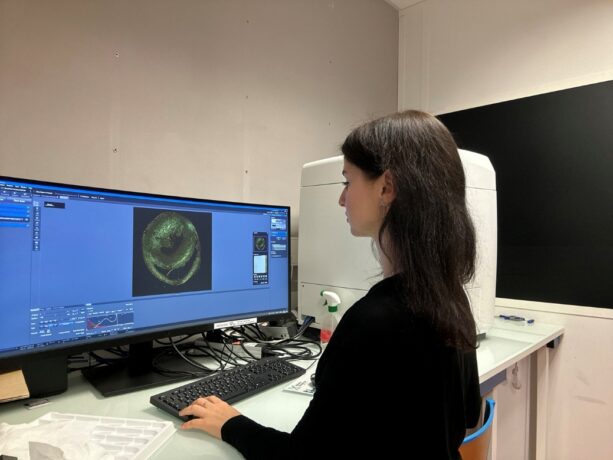
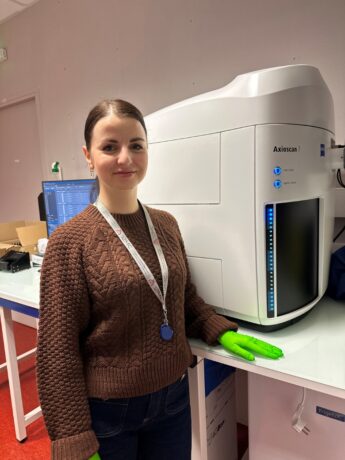
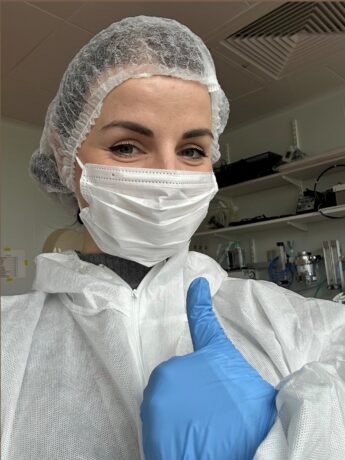
Another important component of the training involved learning techniques for the isolation and cultivation of primary mouse cardiac fibroblasts, culturing H9C2 cells, performing immunofluorescence staining of cultured cells—including human cardiac fibroblasts—and conducting cell transfection using modern molecular biology approaches.
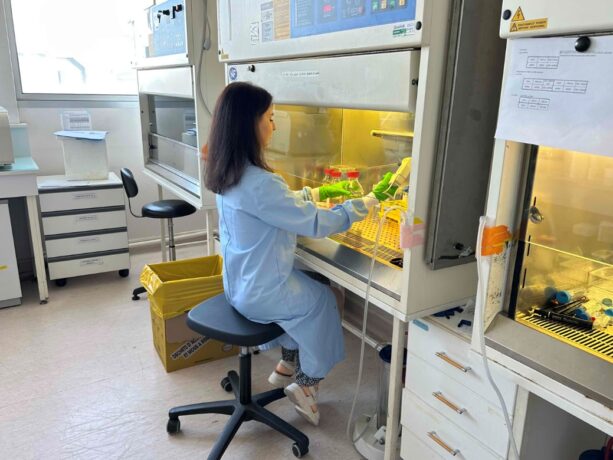
The fellowship also included active participation in scientific seminars, conferences, and professional discussions, providing valuable opportunities to deepen her expertise, explore current trends in biomedical research, and broaden her scientific perspective.
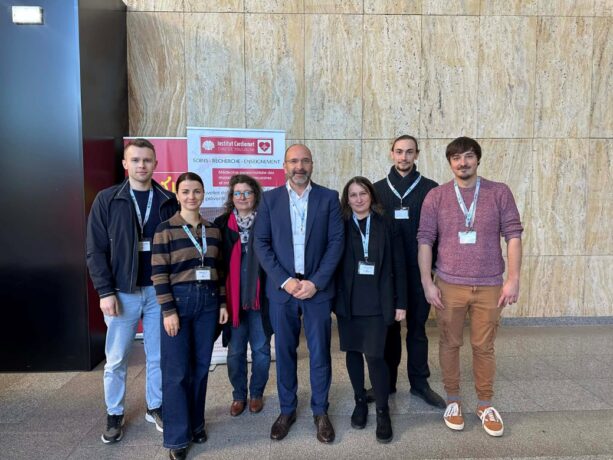
The training significantly strengthened scientific collaboration between the University of Toulouse and I. Horbachevsky Ternopil National Medical University, creating new opportunities for joint research projects, collaborative publications, and the implementation of advanced research methodologies. During the fellowship, the collaborators published three joint research articles in Scopus-indexed, first-quartile (Q1) scientific journals.
Although far from home, Solomiia Kramar remained closely connected with Ukraine. Throughout her stay in France, she participated in events and rallies organized by the Ukrainian community in Toulouse. These gatherings serve as an important expression of solidarity among Ukrainians abroad, helping preserve national identity while supporting Ukraine on the international stage.
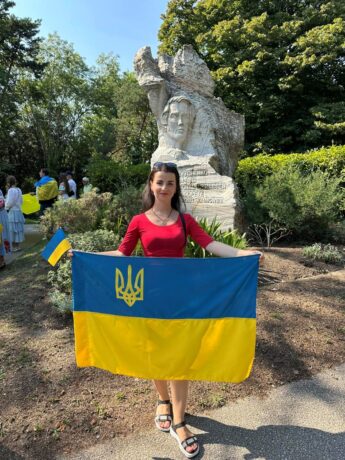
One such event was a gathering at the Taras Shevchenko Monument in Toulouse to commemorate the 34th anniversary of Ukraine’s Independence Day, reflecting the enduring unity of Ukrainians worldwide.