

TNMU and WHO Enhance Emergency Care Skills of Primary Healthcare Professionals
A four-day “Basic Emergency Care” training course was held at the Simulation Training Centre of I. Horbachevsky Ternopil National Medical University (TNMU) on 14–17 September 2026 as part of the University’s long-standing cooperation with the World Health Organization (WHO). The course was jointly developed by the World Health Organization and the International Committee of the Red Cross with the support of the International Federation for Emergency Medicine. Its key objective is to teach a systematic approach to the initial assessment, stabilisation, and emergency management of patients with critical conditions in settings where time and equipment are limited. This approach is essential for saving lives during the early stages of an emergency.
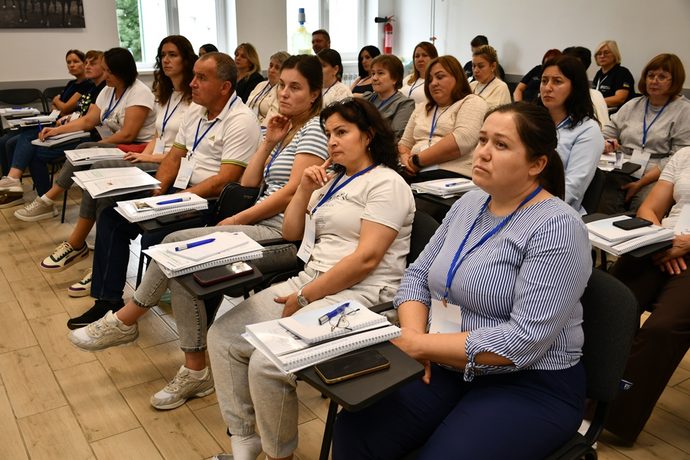
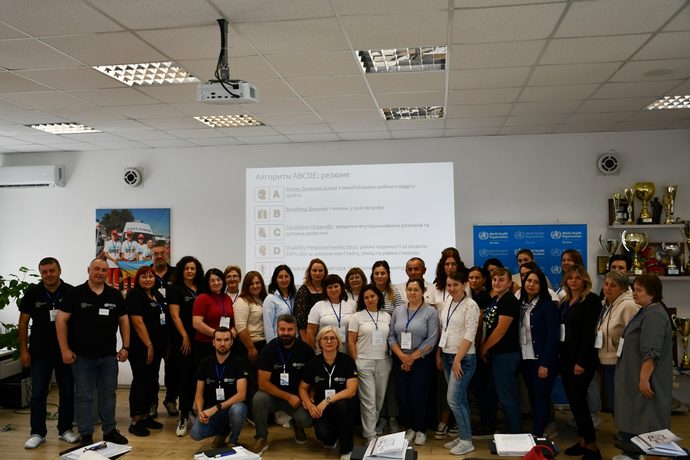
The intensive training was attended by nurses and male nurses from healthcare facilities in Volyn Region, all of whom work in primary healthcare. Although primary healthcare professionals deal mainly with scheduled appointments and chronic conditions on a daily basis, a critical condition or sudden cardiac arrest can occur directly during a consultation.
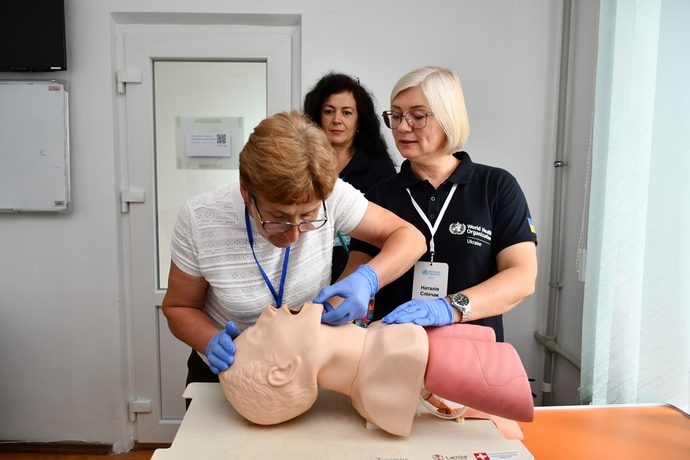
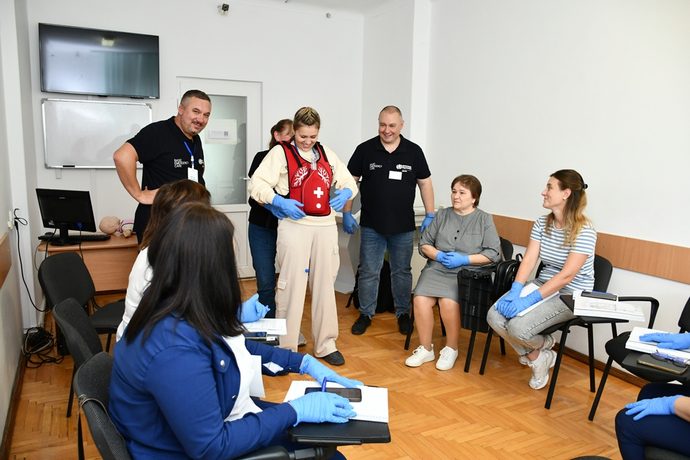
Regular practice of practical skills and action algorithms is essential for maintaining a strong chain of survival and enabling healthcare professionals to preserve a patient’s life until an emergency medical team arrives. During the course, the participants improved their ability to provide emergency care in accordance with modern international standards, practised teamwork, and mastered a unified approach to the systematic assessment of critically ill patients.
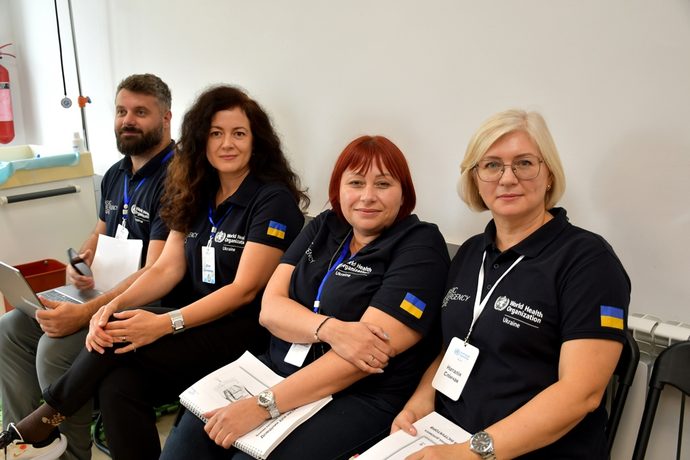
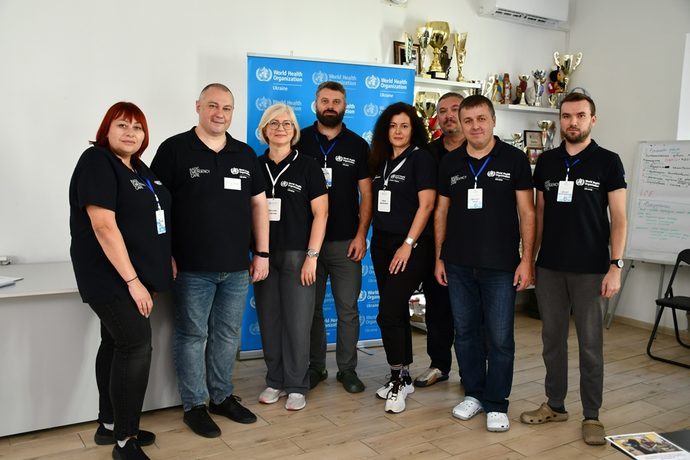
The training was delivered by an experienced team of certified WHO trainers from different regions of Ukraine, including Yuliia Danylevych, Dmytro Karakonstiantyn, Nataliia Slinchak, Ruslan Knut, and Iryna Kozlovych. An important step in developing the instructor capacity was also the involvement of trainer candidates — Valerii Zhyzhnomirskyi, Yaroslav Kitsak, and Viktor Shatskyi. They practised teaching methodology and underwent practical training to obtain certified instructor status.
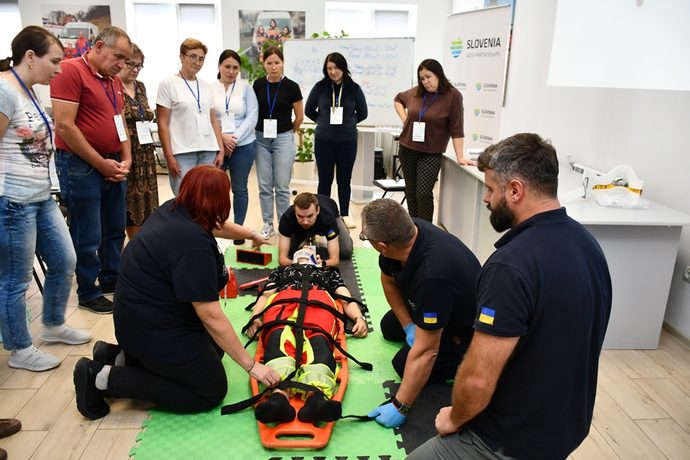
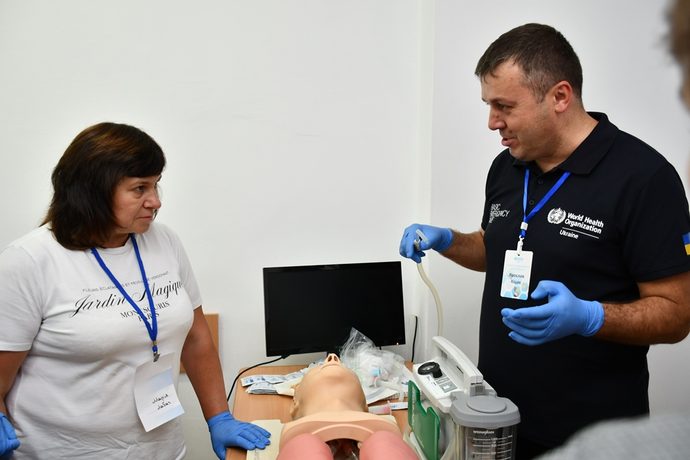
Continuous, high-quality feedback from the trainers was an integral part of the training. It covered everything from detailed analysis of individual practical skills to an in-depth review of participants’ performance during complex and realistic simulation scenarios.
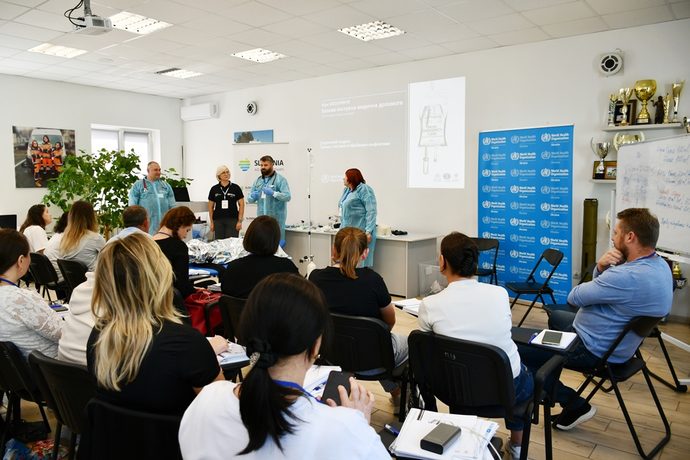
This training was the first of four similar educational events scheduled to take place at the Centre during the autumn period. Such training contributes to the professional development of nursing staff and helps improve the quality of emergency medical care at the regional level.