

TNMU Students Meet Renowned Translator Yurii Vitiak
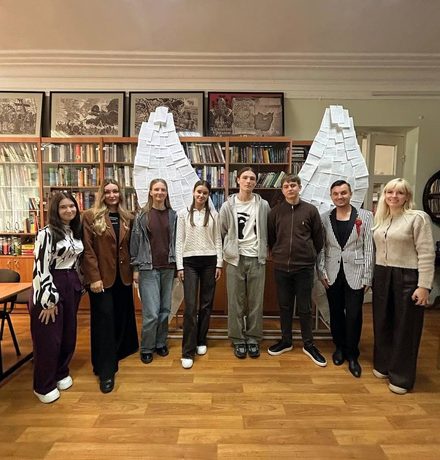
Ahead of International Translation Day, TNMU students enrolled in the Applied Linguistics. Medical Terminology and Specialised Translation (English) educational and professional programme, together with the programme guarantor, Professor Tetiana Khvalyboga, visited the Ternopil Regional Universal Scientific Library to take part in a professional meeting with translator, writer, and translation researcher Yurii Vitiak.
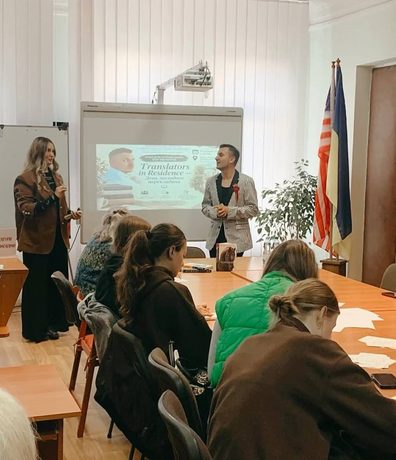
Such meetings are particularly valuable for future translators, as they provide an opportunity to see the profession through the eyes of a specialist who works with texts, authorial style, cultural references, and often challenging translation decisions on a daily basis.
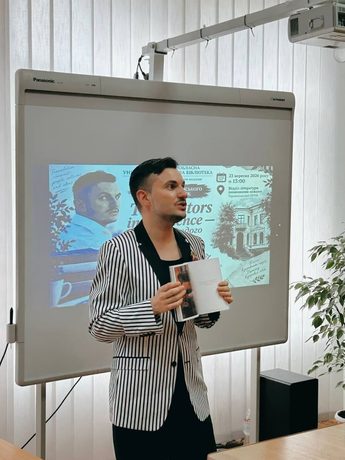
Yurii Vitiak has extensive practical experience in translation. His professional portfolio includes translations of works by Agatha Christie, Ray Bradbury, Anna Sewell, Lian Tanner, James Hadley Chase, and other authors. His academic interests are also related to translation studies, particularly the paratextual aspects of translation, translator visibility, and intercultural communication.
During the meeting, the students learned more about the specifics of translating literary prose. They discussed the importance of capturing an author’s style, conveying the voice and atmosphere of a work, working with culturally marked language, realia, wordplay, and other elements of a text that do not always have direct equivalents in another language.
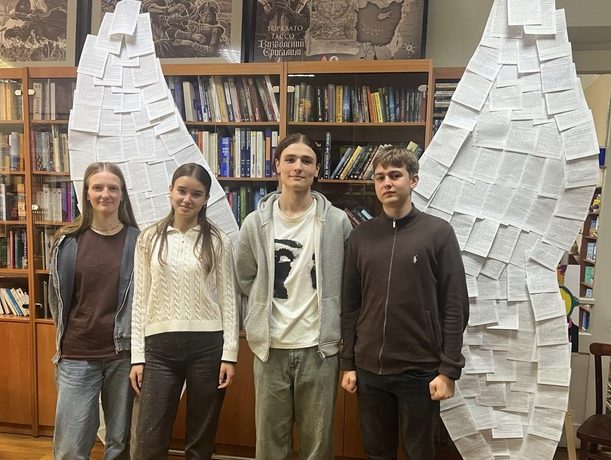
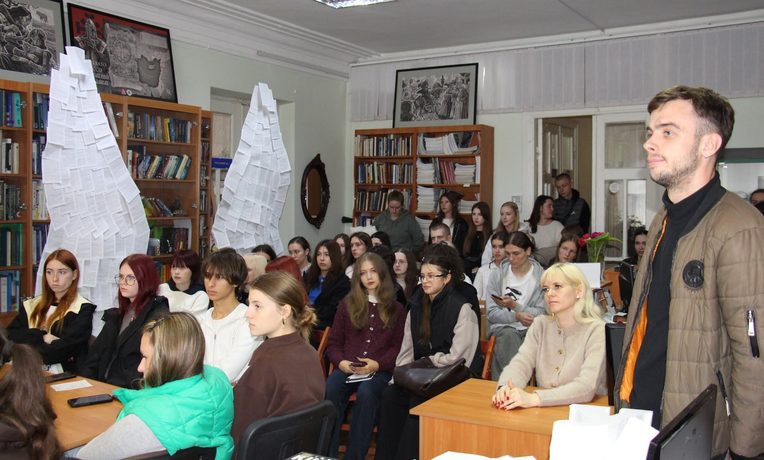
At the same time, the discussion went far beyond literary translation. Yurii Vitiak also drew the students’ attention to certain aspects of specialised translation, including the challenges of working with botanical names. This example was particularly relevant for future specialists, as it demonstrated how diverse translation tasks can be and how important it is for a specialised translator to have a thorough knowledge not only of languages but also of the relevant field.
Special attention during the meeting was devoted to translators’ professional development. The students learned about opportunities for further career growth, international professional initiatives, and the concept of Translators in Residence programmes. Such programmes give translators an opportunity to focus on their translation projects, immerse themselves in a linguistic and cultural environment, collaborate with specialists and professional and cultural institutions, and develop their professional networks. Today, similar programmes operate in various European translation centres and can become an important part of a translator’s professional development.
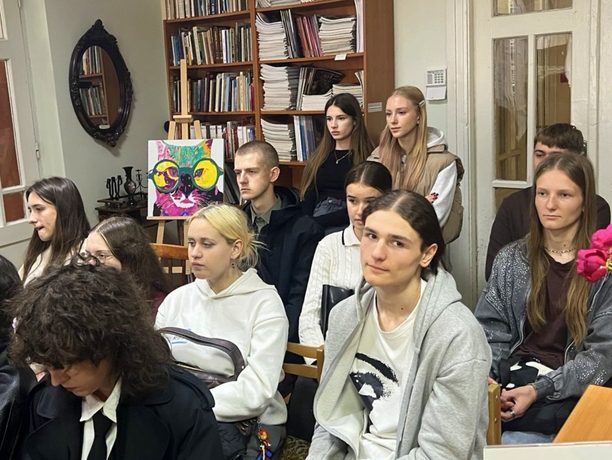
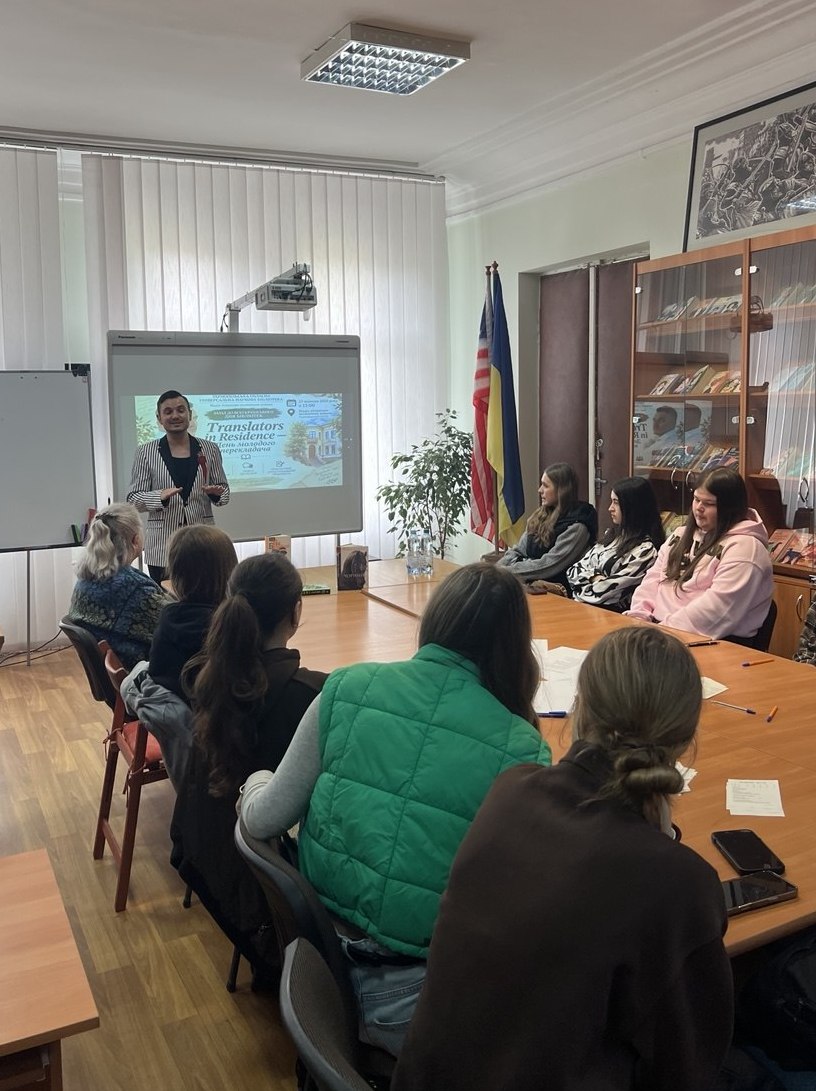
The meeting was held as part of the celebrations marking International Translation Day, observed annually on 30 September. The day has not only professional but also important cultural significance, drawing attention to the role of translators, interpreters, and terminologists in facilitating international dialogue, mutual understanding, and cultural exchange. In 2017, the United Nations General Assembly officially proclaimed 30 September International Translation Day, highlighting the role of language professionals in promoting dialogue, mutual understanding, development, and peace among nations.
The date is associated with the death of Saint Jerome, the translator of the Bible who is regarded as the patron saint of translators. Jerome died on 30 September 420 near Bethlehem, and his translation work has become one of the best-known examples of working with multilingual and culturally complex texts.
For future translators, meetings of this kind are particularly valuable. They help students appreciate the scope and multifaceted nature of the profession, discover real pathways for professional development, and understand that translation is a field of continuous learning, creativity, research, and intercultural dialogue.
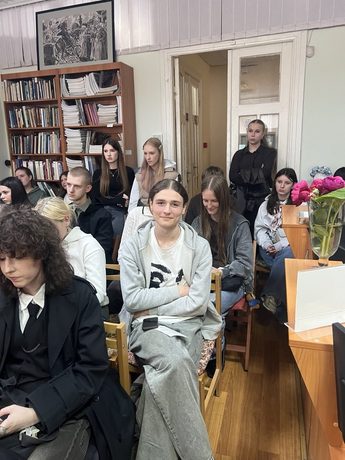
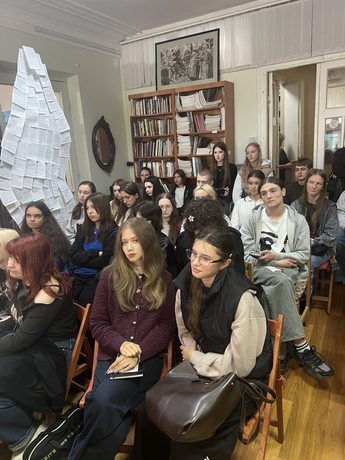
We sincerely thank Yurii Vitiak for an engaging, informative, and highly valuable meeting, his openness to professional dialogue, and the opportunity to gain an insight into the “behind-the-scenes” world of translation.
We would also like to express our sincere gratitude to Yuliia Chuiko, Head of the Foreign Languages Literature Department of the Ternopil Regional Universal Scientific Library, and all the department staff for organising the meeting, their hospitality, and their continued efforts to promote foreign languages, international literature, and translation. Initiatives like these create a space for meaningful professional dialogue and help students develop their own vision of their future profession.
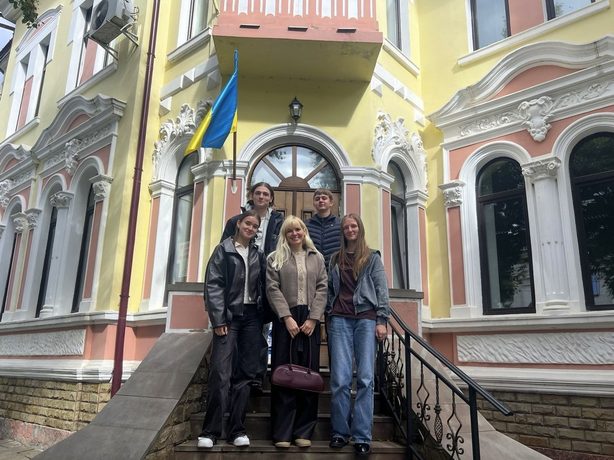
The Ternopil Regional Universal Scientific Library has a Foreign Languages Literature Department, whose activities extend beyond working with foreign-language collections to include numerous educational and cultural initiatives.
For TNMU students, this meeting was another important step towards understanding specialised translation as a profession that brings together language, professional expertise, and culture.