

Sustainable Development and Innovation in Education: TNMU Faculty Participate in BUP Teachers’ Training 2026
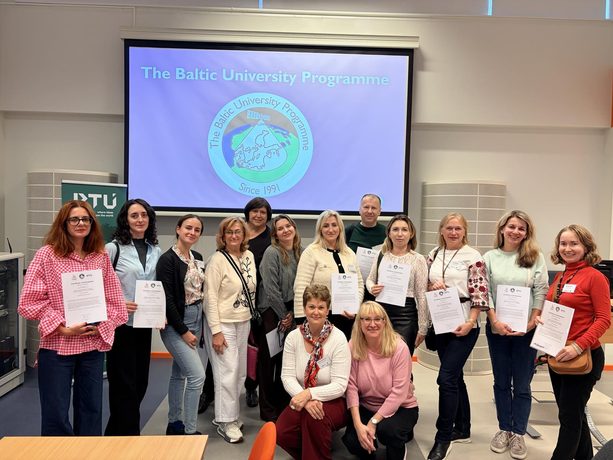
In the first half of October 2026, the international BUP Teachers’ Training 2026 took place at Riga Technical University in Riga, Latvia. Organized by The Baltic University Programme (BUP), the event brought together university faculty from European countries including Poland, Ukraine, Lithuania, Latvia, Estonia, Sweden, Finland, and others to exchange experiences, discuss modern educational approaches, and integrate sustainable development principles into higher education.
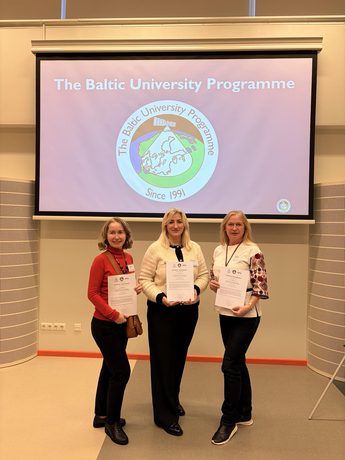
Ternopil National Medical University was represented by Associate Professors Iryna Borovyk (Department of Therapy and Family Medicine), Roksolana Bodnar (Department of Internal Medicine No. 2), and Mariana Levkiv (Department of Therapeutic Dentistry).
The central theme of the training was the role of universities in preparing specialists for the global challenges of the present and future. Educators discussed how to develop students’ sustainable development competencies, critical and systems thinking, creativity, and the ability to collaborate, adapt, and make decisions in conditions of uncertainty.
One of the main messages of the training was that modern education must shift from simple knowledge transfer to the development of competencies that allow students to apply this knowledge in real life. Lectures and traditional practical sessions are no longer enough; it is necessary to create an educational environment where students actively interact, experiment, solve problems, and reflect on their own experiences.
Special attention was paid to the GreenComp European sustainability competence framework, the integration of the UN Sustainable Development Goals into educational programs, and the “University as a Living Lab” concept. This approach involves engaging students in solving real problems within their institution, developing projects and initiatives that can be implemented in practice.
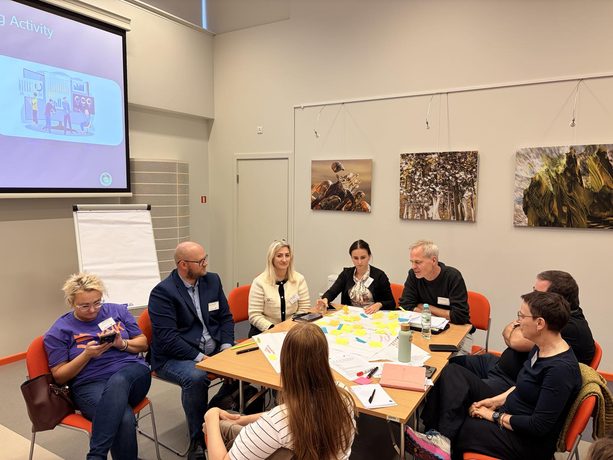
Of particular interest was the interactive “Idea Fitness” creative thinking workshop with Professor Elīna Mikelšone of Riga Technical University, during which participants tested methods for generating and evaluating ideas, including SCAMPER, brainstorming with random stimuli, and the NOW–WOW–HOW matrix. Another focus was Futures Thinking—learning to think about the future, analyzing alternative scenarios for societal development, and seeking solutions for complex global problems.
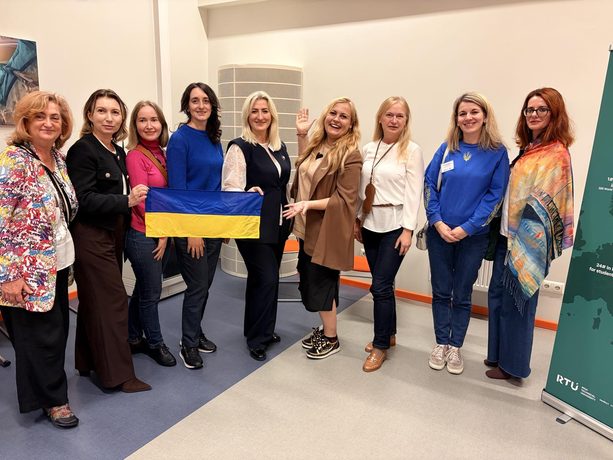
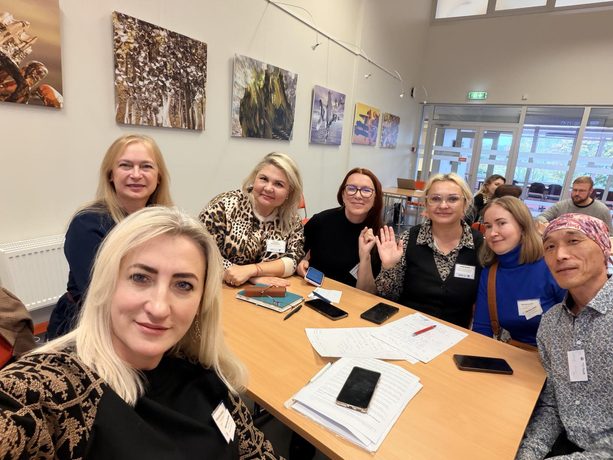
A vital component of the training was working in small international groups. Faculty members not only learned about innovative pedagogical approaches but also practically tested teaching scenarios, alternating between the roles of teachers and students. Specifically, TNMU representatives joined the working group on “Healthcare in Armed Conflicts,” examining the impact of war on public health, the accessibility of medical care, and the resilience of the healthcare system in the context of sustainable development.
The experience gained opens new opportunities for improving the educational process at TNMU. In particular, interactive methodologies can be applied during practical classes in clinical disciplines, family medicine, professional communication, and other educational components. Promising areas include the implementation of interdisciplinary cases, team-based problem solving for real healthcare issues, student projects aimed at improving the university environment, and the use of tools to forecast future challenges in medicine.
Equally valuable was the opportunity for professional networking with colleagues from European universities, exchanging pedagogical ideas, and establishing contacts for future cooperation.
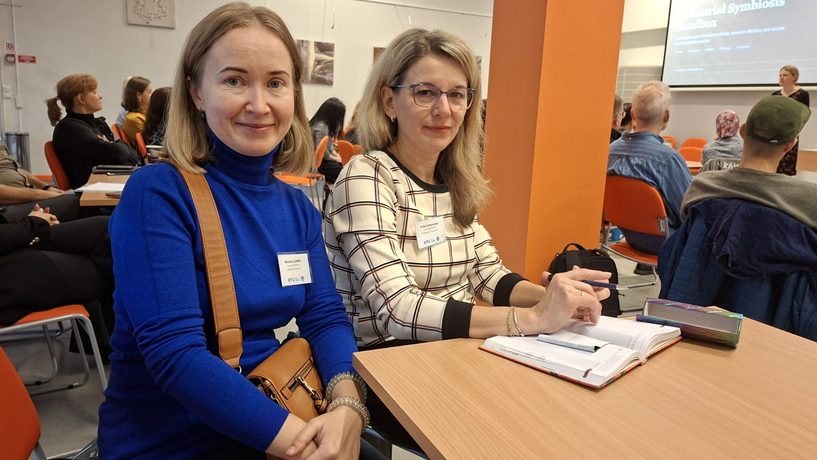
Participation in BUP Teachers’ Training 2026 reaffirmed that to teach in new ways, it is essential for the educator to remain open to learning, change, and experimentation. After all, the future of education begins with what we change in our classrooms today.
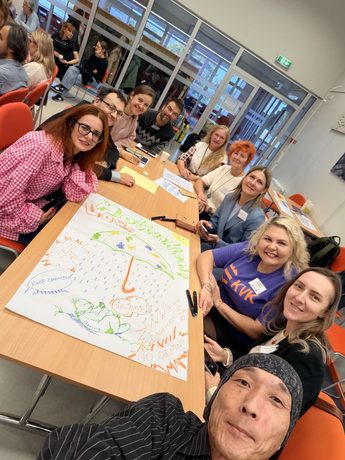
Information and photos provided by Iryna Borovyk, Roksolana Bodnar, and Mariana Levkiv.