

TNMU Presents Key Takeaways from the European SESAM 2026 Conference
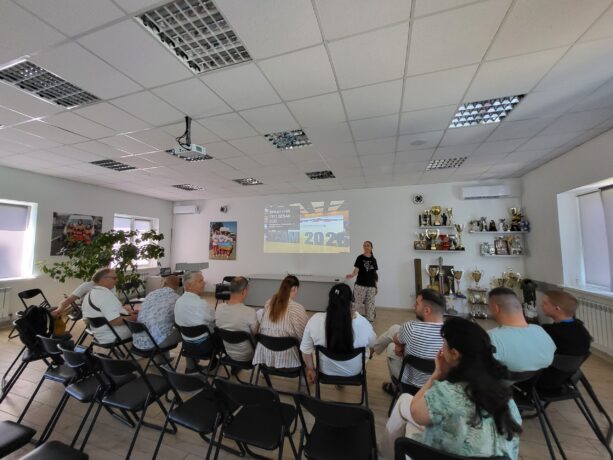
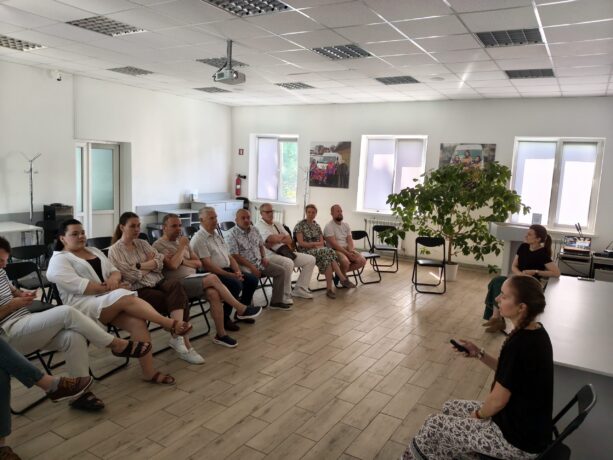
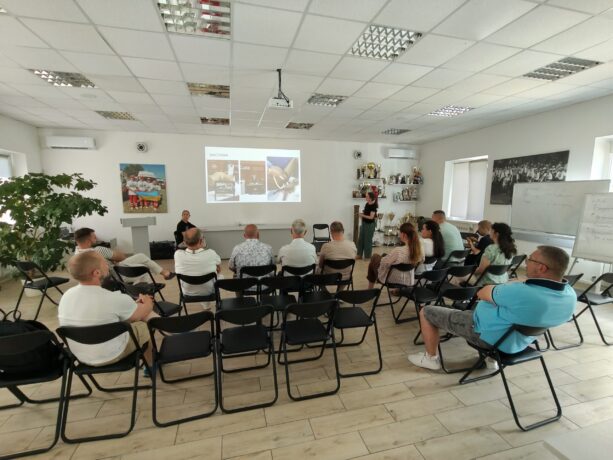
On June 26, 2026, the Simulation Centre of I. Horbachevsky Ternopil National Medical University hosted an interactive scientific and methodological seminar entitled “Current Trends in Simulation Technologies in Medical Education: Key Insights from the SESAM 2026 Congress.”
The event brought together faculty members of the Department of Emergency and Simulation Medicine, specialists from the Simulation Centre, and participants of the Simulation Education School—academic staff who were completing the on-site component of their faculty development programme aimed at enhancing teaching excellence.
The keynote speakers were Antonina Chervatiuk, Head of the Simulation Centre and Assistant Professor at the Department of Emergency and Simulation Medicine, and Emilia Burbela, Associate Professor at the Department of Pediatrics with Pediatric Surgery. They shared their reflections and practical insights gained from participating in the annual conference of the Society for Simulation in Europe (SESAM), held this year in Lyon, France. Their participation in this major international event was made possible through the comprehensive support of the Ukrainian-Swiss project “Medical Education Development.”
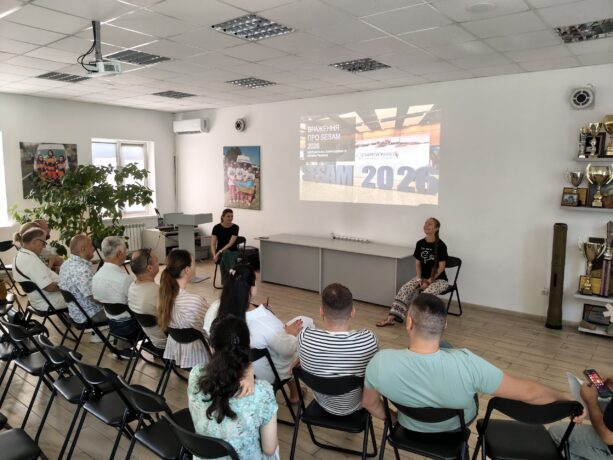
The speakers presented a structured overview of the conference, highlighting the plenary lectures, short communication sessions, electronic poster presentations, hands-on workshops in which they actively participated, the exhibition of simulation technologies and medical equipment, and the final round of the SimUniversity (SimUni) student competition.
Particular attention was given to the major trends currently shaping medical education, including:
integrating traditional clinical training with simulation-based learning to optimize students’ educational experience;
using artificial intelligence based on the PEARLS framework as a digital partner for simulation instructors to identify learners’ performance gaps more accurately and improve time management during debriefing;
implementing the principles of cultural humility to strengthen teamwork and overcome barriers within healthcare teams;
introducing brief Plus/Delta debriefing sessions, which, according to Swiss research, significantly reduce emotional exhaustion and professional burnout among healthcare educators;
promoting meta-debriefing as an essential tool for the professional development of educators involved in simulation-based education.
A separate part of the seminar focused on the presenters’ own contribution to the conference in the Short Communication format. On behalf of the research team—Professor Arsen Hudyma, Antonina Chervatiuk, Olga Prokhorenko, and herself—Associate Professor Emilia Burbela presented TNMU’s unique experience in organizing the TernopilSimOlymp student simulation competitions, which have been successfully held since 2016. The presentation also highlighted the vital role of the TNMU Simulation Centre in ensuring the resilience of medical education during wartime and in providing first aid training for the civilian population.
One of the most inspiring moments of the seminar was the report on participation in the SESAM General Assembly. The Ukrainian delegation shared the strong sense of solidarity and genuine support demonstrated by the international simulation community, particularly during the vote on continuing support for Ukrainian researchers.
The staff of the Simulation Centre and the faculty members of TNMU expressed their sincere gratitude to the Ukrainian-Swiss project “Medical Education Development.” Thanks to its continuous support, the University’s educators have the opportunity to integrate into the European academic community, present their achievements internationally, receive advanced Training of Trainers (ToT) education firsthand, and translate newly acquired knowledge into further improvements in the quality of medical education in Ukraine.
The presentation evolved into a facilitated discussion during which participants explored the logistical and psychological challenges faced by simulation instructors worldwide. Particular attention was paid to the concept of “1 + 1 = 3,” which encourages researchers to move beyond publishing for the sake of quantitative performance indicators. Instead, participants emphasized that high-quality scientific research requires long-term collaboration and that academic publications should reflect the outcomes of meaningful international projects rather than merely satisfy numerical publication requirements.
The seminar concluded with a shared understanding that simulation-based education in Ukraine is not merely adapting to today’s challenges but is becoming an increasingly active and recognized part of the global academic community. The knowledge, ideas, and best practices gained from SESAM 2026 will soon be incorporated into TNMU’s educational programmes, further strengthening the University’s commitment to innovation and excellence in medical education.