

Preclinical Practice Offices and Assistive Technologies Are the Key to Successful Professional Development of Physical Therapists
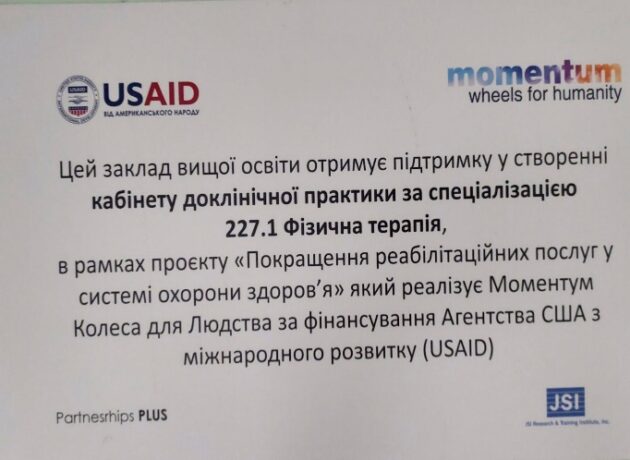
Тернопільський національний медичний університет імені І.Горбачевського є одним з представників п’яти партнерських вищих навчальних закладів України, які залучені до проєкту «Покращення реабілітаційних послуг у системі охорони здоров’я», який реалізує Momentum Wheels for Humanity та JSI Research & Training Institute Inc. за підтримки Агентства США з міжнародного розвитку (USAID).
Від ТНМУ керівником проєкту є завідувачка кафедри фізичної терапії, ерготерапії та фізичного виховання – професорка Дарія Попович. У рамках цього проєкту на кафедрі фізичної терапії, ерготерапії та фізичного виховання створено та функціонує кабінет доклінічної практики.
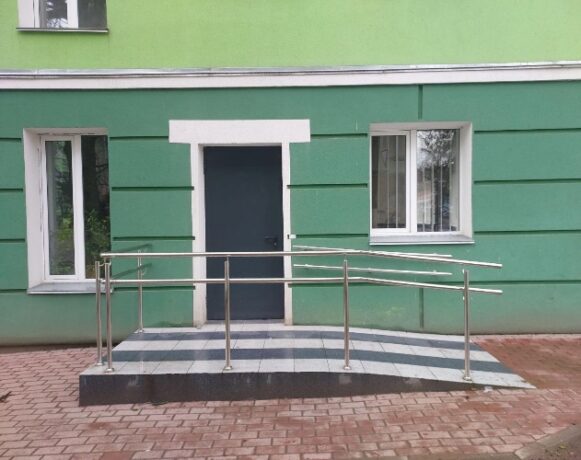
The office of preclinical practice provides for the theoretical and practical part of the educational process in training students of the first (bachelor) and second (master) levels of higher education of the training program “Physical Therapy”, which today makes it possible to form among applicants an understanding of the competencies of future physical therapists in the direction of ensuring auxiliary rehabilitation means (ARM).
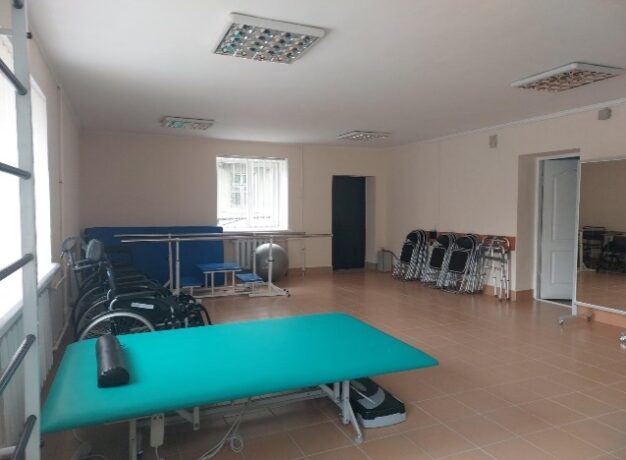
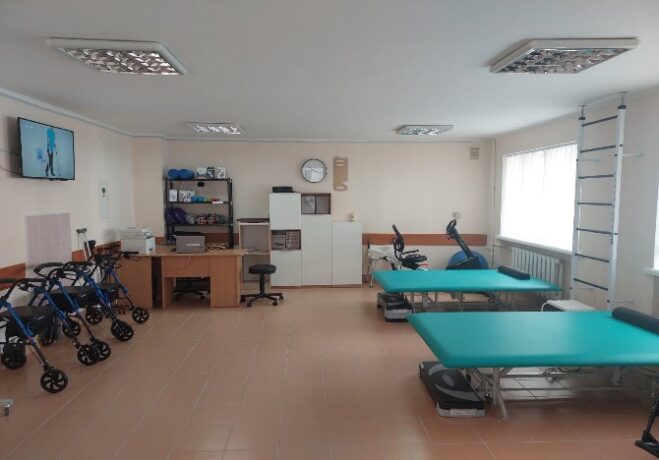
During practical classes in the preclinical practice office, future physical therapists master the professional skills of safe and effective provision of rehabilitation aids, in particular, practice their selection, adjustment and learn to use them on the example of a virtual patient.
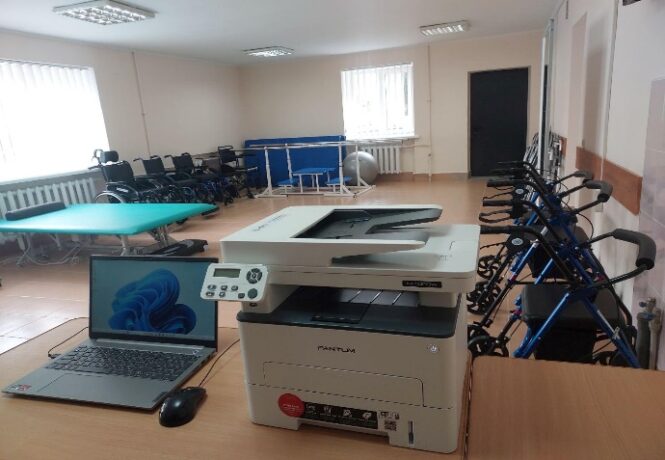
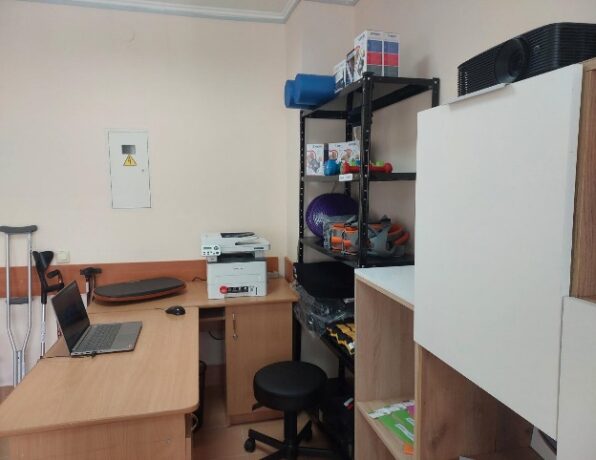
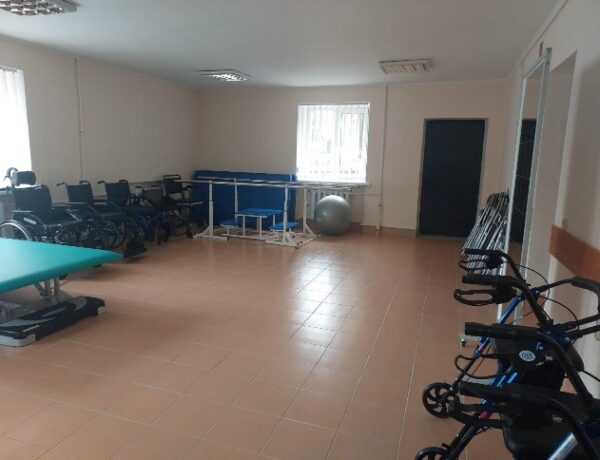
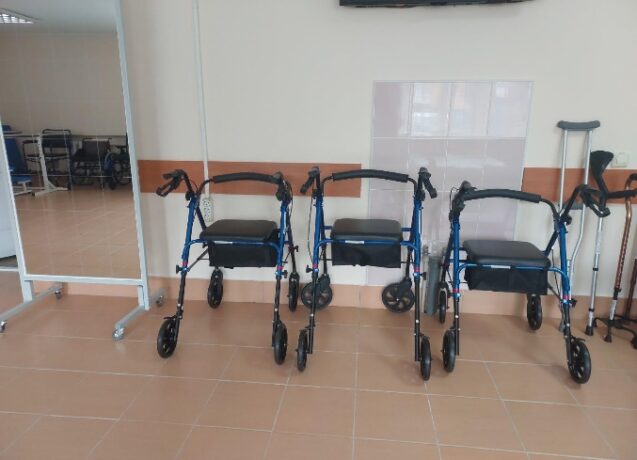
Practical classes in the office of preclinical practice for students of are conducted at the Department by Associate Professor Valentyna Bondarchuk and Assistant Professor, physical therapist Andrii Havrylenko, who have completed training for rehabilitation specialists “Training in Assistive Products (TAP)” and pass on their experience to future physical therapists.
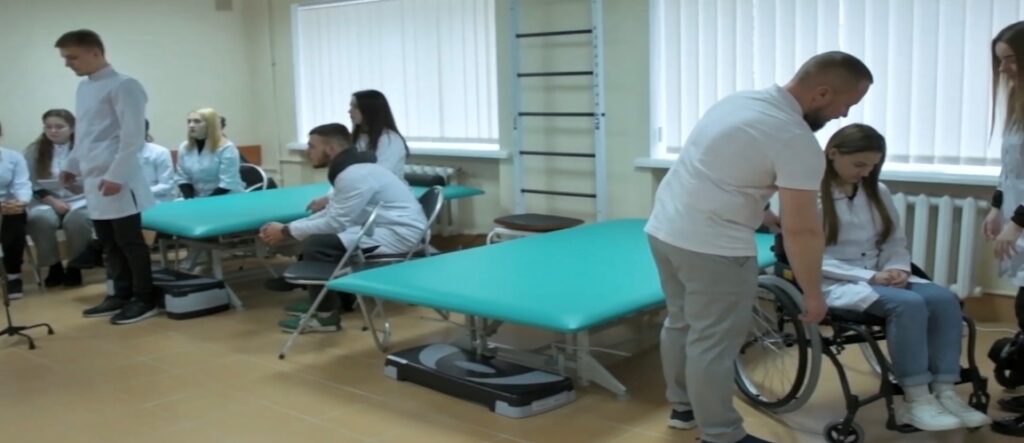
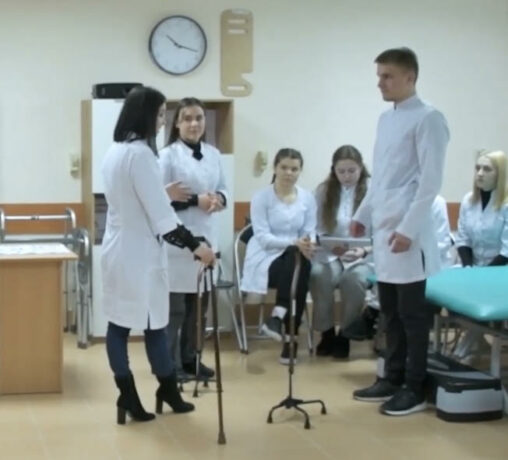
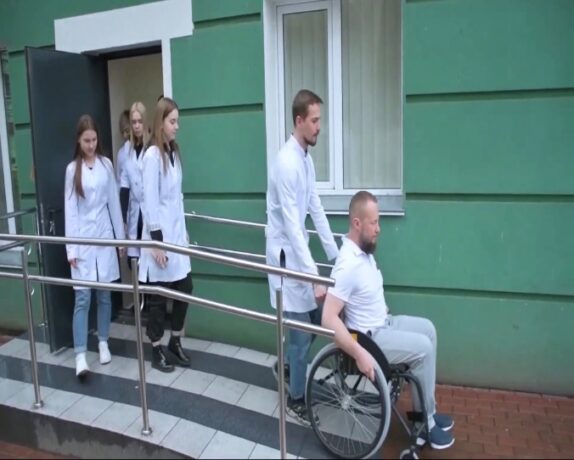
The acquired knowledge and skills enable students majoring in “Physical Therapy” to form a rehabilitation program, which can later be objectively evaluated with the help of clinical evaluation tools and thereby confirm its effectiveness and results.
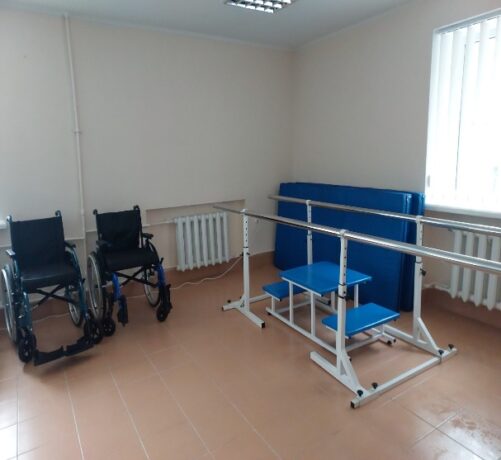
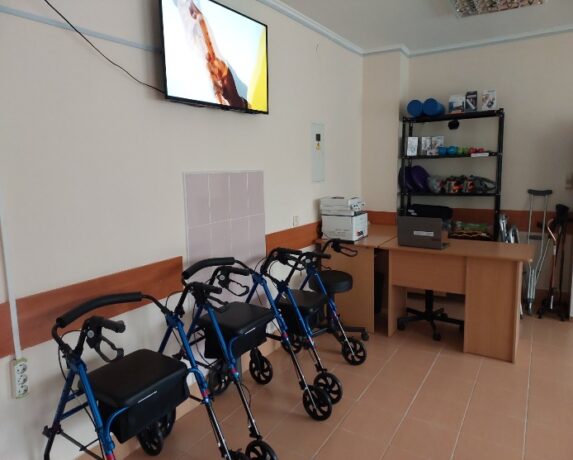
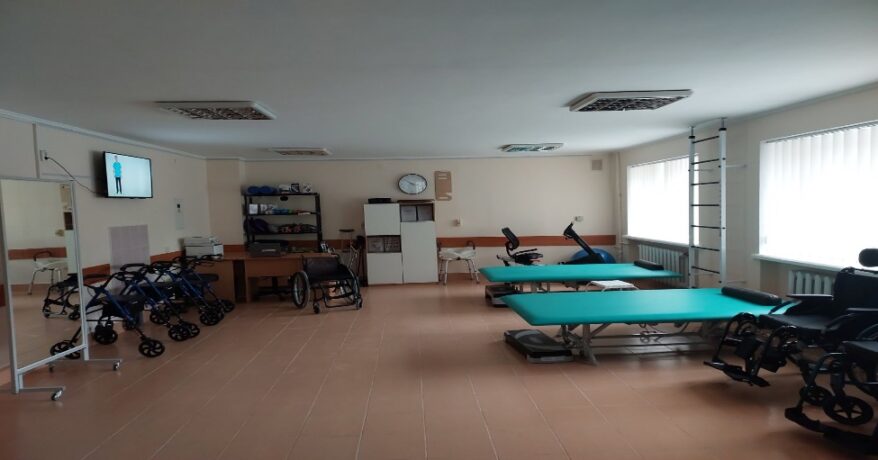
An identical analogue of the office of preclinical practice, the office of assistive technologies was created on the basis of the Ternopil Regional Clinical Psychoneurological Hospital, but with a wider range of EDs than in the office of preclinical practice at TNMU.
This medical institution is a branch and clinical facility for TNMU Department of Physical Therapy, Occupational Therapy and Physical Education within the framework of the above-mentioned project. The office of assistive technologies is a structural unit of the rehabilitation institution, department, subdivision, in which the selection, adjustment, production and training in the use of technical and other means of rehabilitation are carried out.
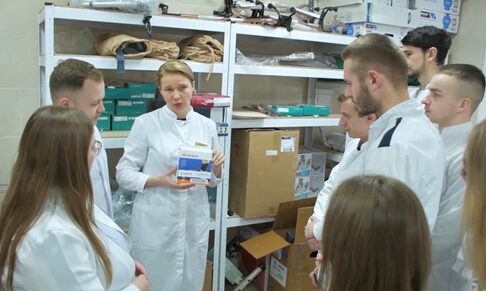
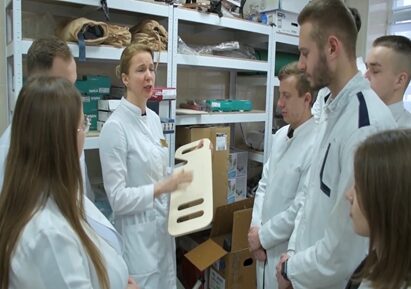
At the Ternopil Regional Clinical Psychoneurological Hospital, students of the second (master’s) level of higher education have the opportunity to learn and practice clinical skills in physical therapy for injuries and disorders of the musculoskeletal system under the supervision of physical therapists of the multidisciplinary rehabilitation team at the medical institution.
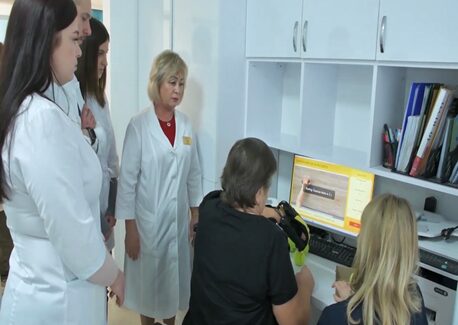
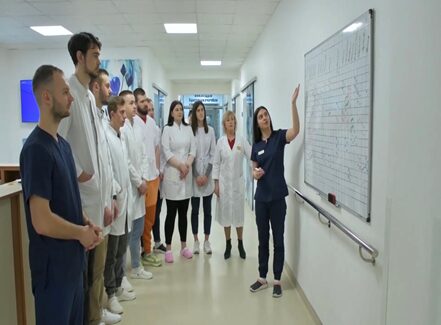
Therefore, the implementation of the potential of such offices today looks like this: while mastering the theoretical component of the material in the process of studying the academic disciplines, the student will be able to practically master the basic clinical skills of examination, planning, intervention and control, using this equipment of the office and a simulated (virtual) patient.
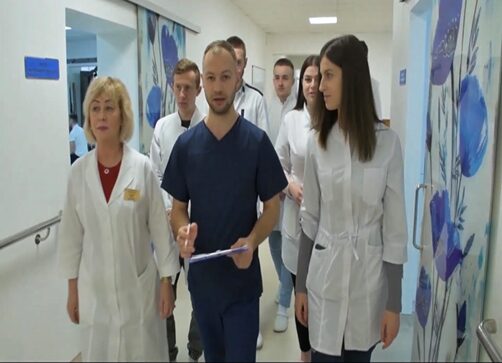
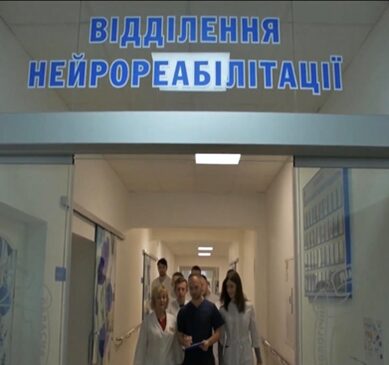
All assistive technology services should be provided by well-trained professionals who are competent and have a comprehensive understanding of the process of providing individuals with the necessary rehabilitation aids and are able to combine the provision of assistive technologies with rehabilitation intervention.
For their part, students majoring in “Physical Therapy” have the opportunity to acquire the necessary knowledge and practical skills at the university facility and apply them in practice in a clinical institution, the Ternopil Regional Clinical Psychoneurological Hospital, for the implementation of the four-step model of providing auxiliary rehabilitation means. This model provides for the provision of the patient with an appropriate rehabilitation aid, which consists of four necessary steps to effectively and safely provide the patient with a rehabilitation aid: selection of the aid, adjustment of the aid, training in the use of the aid, and follow-up of the use of the aid. Therefore, it is important for students to have access to equipment and resources that will help them gain practical experience and develop the necessary skills for further professional activities.
The information was provided by Professor Daria Popovych.