

Day of Ukrainian Literature and Language at TNMU
On October 23-27, 2023, the teachers of the Department of the Ukrainian Language organized events dedicated to the Day of the Ukrainian Literature and Language. Students of the Faculty of Medicine and the Institute of Nursing took part in the celebration.
The traditional contest “Native language, native word” was held before the significant date. The winners were students: Anastasia Diachyshyn, Oryna Miskiv, Ivanna Sinchuk, Iryna Sinchuk, Svitlana Ukraiinets, Sofia Shyshka, Iryna Yatsukh.
Associate Professor Iryna Zalipska told the students of the tutor group (group MM-105) about the history and development of the Ukrainian language and its distinctive features. Yelyzaveta Miakhkota, Daryna Studenets, Sofia Cherchuk recited poems. Everyone was impressed by Oryna Miskiv, who very sensually read her own poem. Alla Marchuk held a quiz about the Ukrainian language. Students discussed the importance of linguistic stability and protection of the Ukrainian language at the state level.
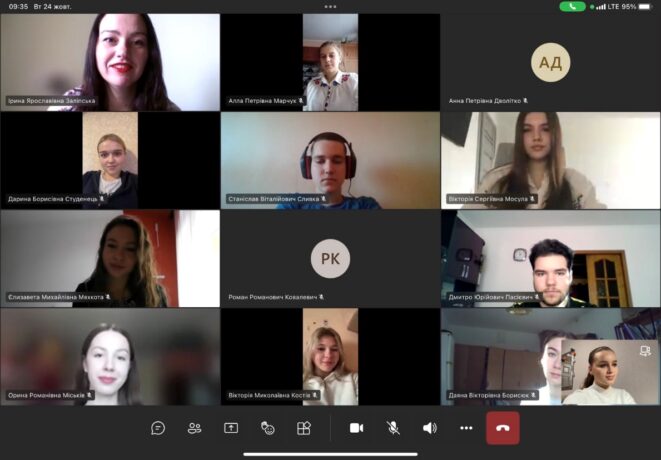
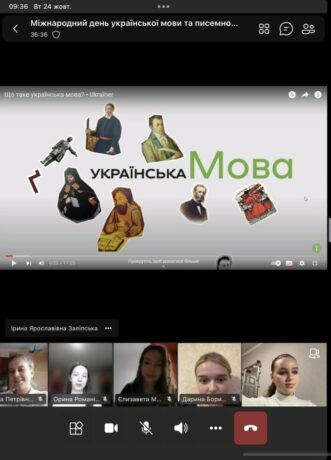
Iryna Zalipska with students of group MM-105.
Paramedic students also joined the celebration of the Day of the Ukrainian Literature and Language. Andrii Pokotylo recited a poem. In addition, students shared their thoughts on the richness and melodiousness of our language. Associate Professor Iryna Zalipska offered the students interesting facts about the Ukrainian language, including the period of its emergence, the number of speakers who use it, the longest Ukrainian word, the number of words in the active dictionary of a medical student and prominent figures of Ukraine, the most frequent mistakes, which letter begins with the most and least words in the Ukrainian language, etc.
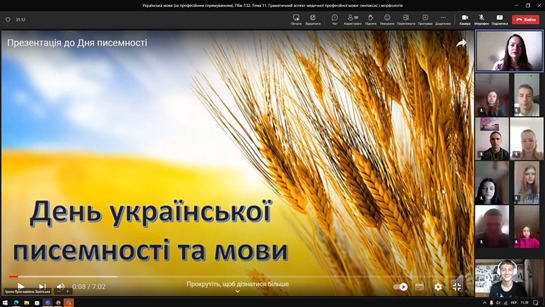
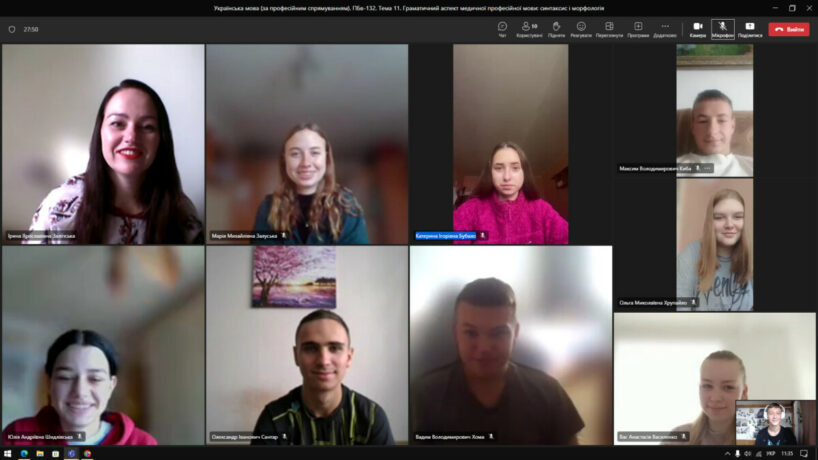
Iryna Zalipska with students of group PBv-132.
On October 27, 2023, on the Day of Ukrainian Literature and Language, Associate Professor Tetiana Melnyk and students of groups MM-104 and MM-114 held a conversation on the topic “Language is a weapon of all generations of Ukrainians”. The main issues that were discussed include: the need to protect the Ukrainian language at all levels, the language as a state-building code, the functioning of the Ukrainian language in modern mass media.
Associate Professor Oksana Mysyk and students of the specialties “Medicine” (MM-107, MM-112) and “Paramedic” (Pbv-131) watched and discussed the speech of Professor, Director of the Institute of the Ukrainian Language of the National Academy of Sciences of Ukraine Pavlo Hrytsenko about the deep, historical sources of the Ukrainian language. Students of higher education were convinced that the written tradition and great literature culture of the Ukrainian people go back to ancient times, as evidenced by the bilingual treaties concluded by the princes of Kyivan Rus, the copying of books at princely courts and monasteries, written monuments (“Teachings to the Children of Volodymyr Monomakh”, “Word about law and grace”), inscriptions on the walls of St. Sophia of Kyiv and other temples, etc. We listened to an interesting story about the Ostromyr Gospels, a unique written record of the 11th century, on the pages of which scientists observed typical features of the Ukrainian language.
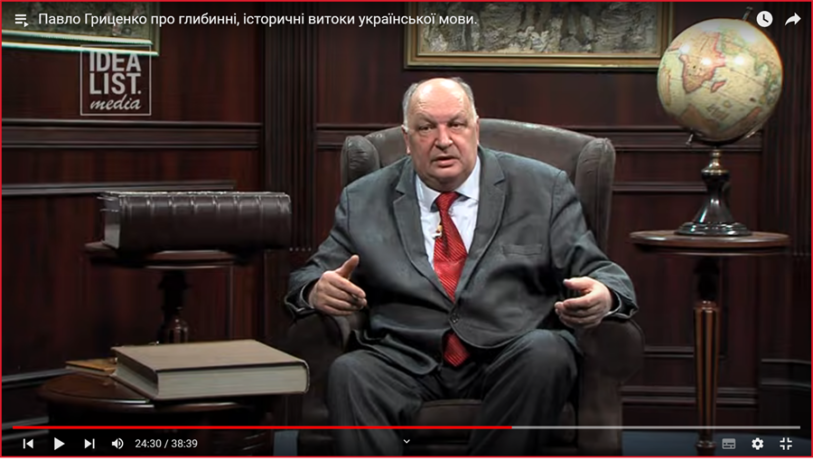
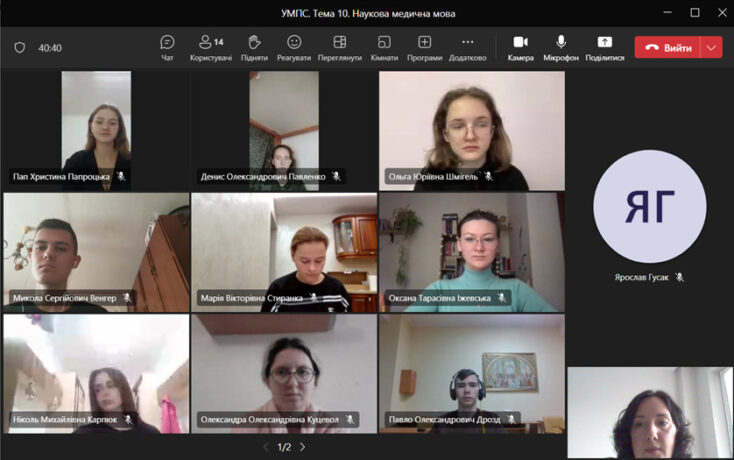
Oksana Mysyk with the students.
Associate Professor Maria Tyshkovets with students of groups PBv-131, MM-104, MM-116, VMM-3-361 watched the video materials “What is the Ukrainian language?”, created by Ukraїner in partnership with PEN Ukraine and with the support of the Ukrainian Cultural Fund. Students were really interested in the issues raised in the film and were influenced by the fate of their native language. At the class on “Ukrainian Language (for Specific Purposes)”, students of MBv-142 made public speeches about their native language, its development and functioning. The performances of Maria Andrushkiv, Anna Melymuka, Alina Knapyk, and Kateryna Sapyla were complete and interesting. Students of groups MBv-142 and MM-104 took part in the language quiz “Let’s learn the native word!”. Students chose Ukrainian equivalents for borrowed words, guessed verbal puzzles, put the correct accents in words, chose synonyms and antonyms for tokens.
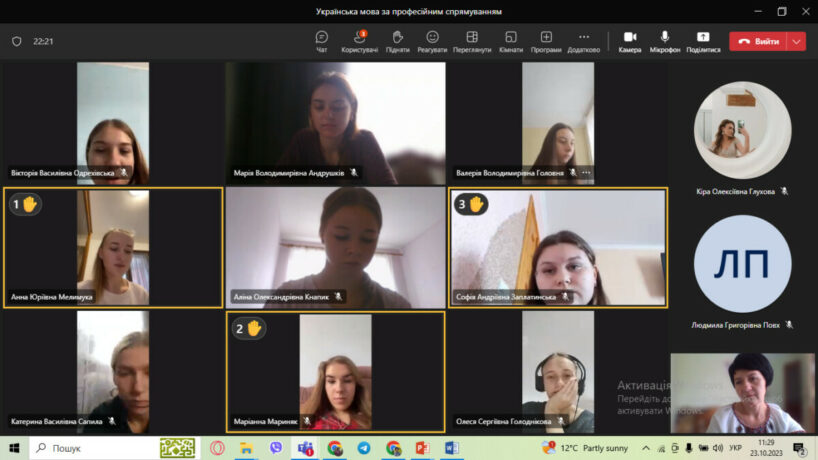
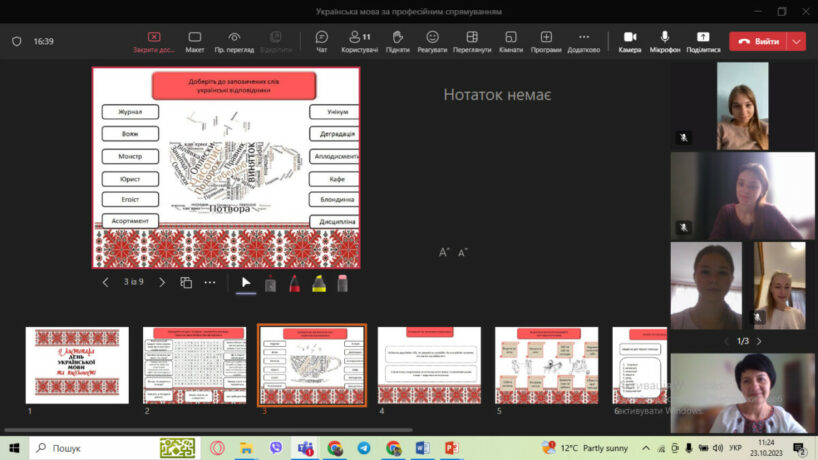
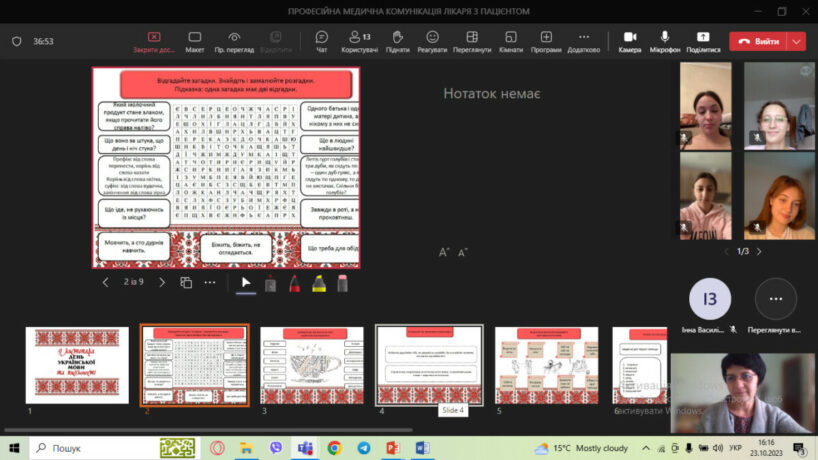
Maria Tyshkovets with the students.