

TNMU Representatives Took Part in the Congress of Facilitators of Peer Groups for Medical Professionals and Medical Educators
On May 24-26, 2023, the II Congress of Facilitators of Peer Groups for Medical Professionals and Medical Educators was held in Lviv, organized as part of the implementation of the Ukrainian-Swiss project “Development of Medical Education”.
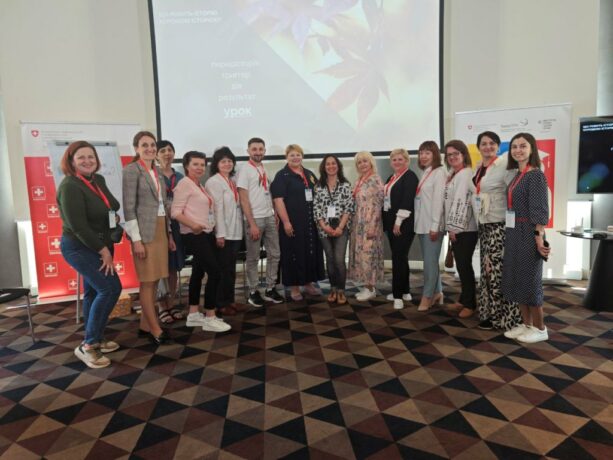
Facilitators from different parts of Ukraine took part in the event to learn, improve their skills, share experiences and communicate.
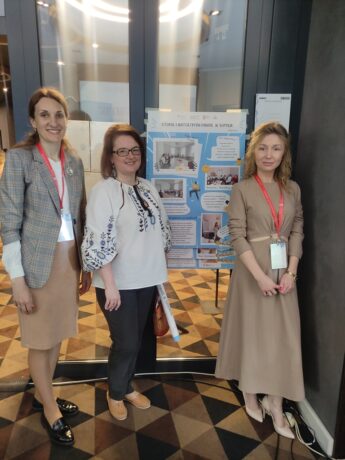
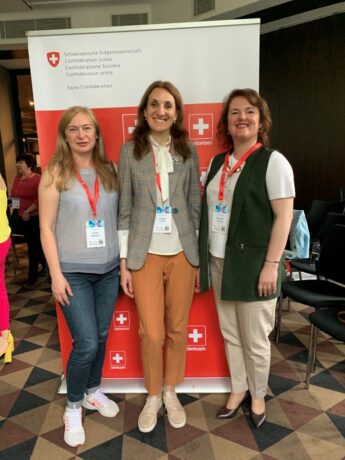
Ternopil National Medical University is a participating partner of the project. Peer groups for medical educators have been operating at TNMU for the third year. Facilitators of these groups, Sofia Husak, Iryna Borovyk and Nataliia Haliyash, became participants of the Сongress.
For the facilitation of the educational process, the key components are the organization of a safe educational environment, active involvement of participants, promotion of the revealing their potential and the potential of the group as a whole, support in the realization of their educational goals. It is the facilitator who helps the group to consider the problem from various points of view, to consider everyone’s opinion, in order to make the most viable decision that takes into account the interests of all subjects affected by it. In this case, all members of the group feel personally responsible for the decisions made.
The key report of the congress was the open speech of Olha Bershadska “Why do we need learning organizations?”. The speaker started the workshop with the words of Peter Senge: “Organizations learn only through individuals who learn. The training of individuals does not guarantee the training of the organization.”
Learning organizations (according to P. Senge “The Fifth Discipline”) develop the following characteristics:
● personal mastery
● shared vision
● mental models
● team learning
●system thinking
You can evaluate the effectiveness of training using the Kirkpatrick model: reactions and feelings, learning, behaviour, results, return on investment or “was the effort worth it”?
Matvii Khrenov offered the participants of the Congress a creative discussion on the topic “Respect, honesty, openness – values that children teach us and not only” and an interesting practical workshop “How to ignite colleagues with an idea”.
Storytelling is one of the extraordinary, modern methods relevant in education and medicine. Olha Bershadska at the workshop “Storytelling as a format for training and facilitation” demonstrated in detail the skill of packaging their thoughts, theses and facts into convincing and exciting personal stories and gave the participants the opportunity to try to do it themselves.
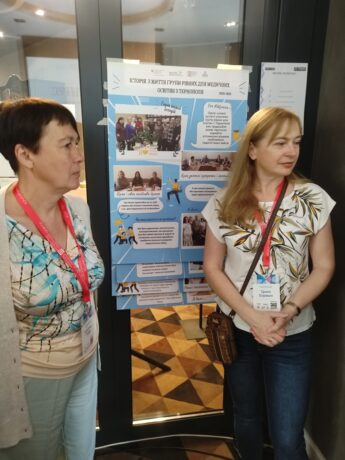
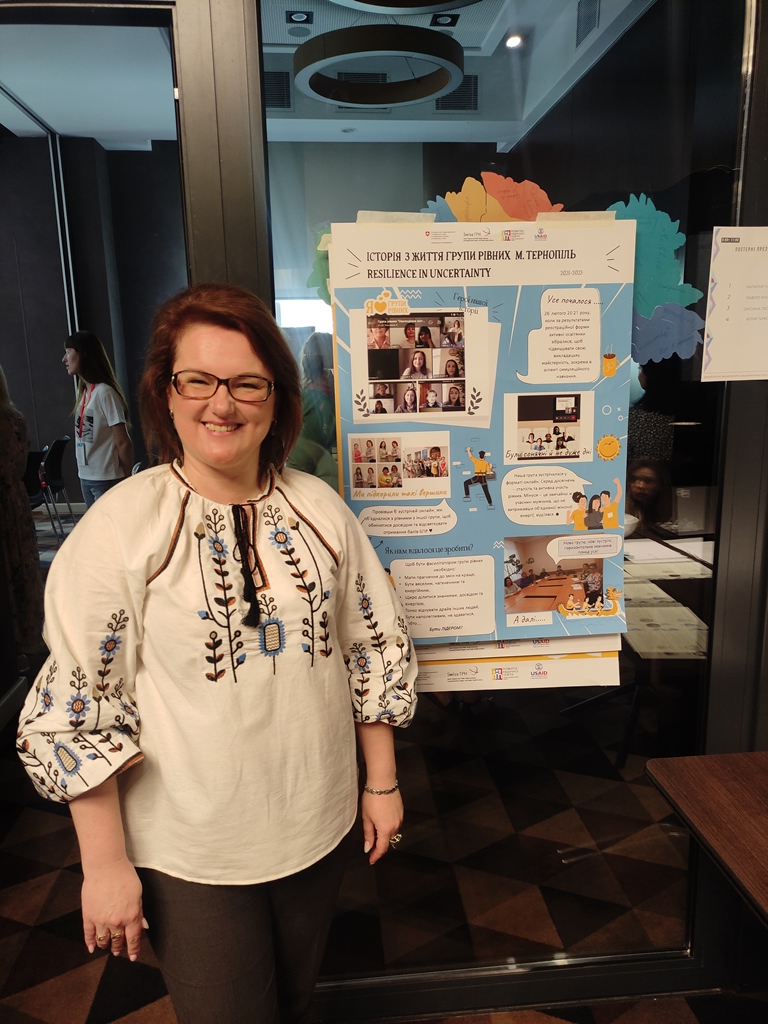
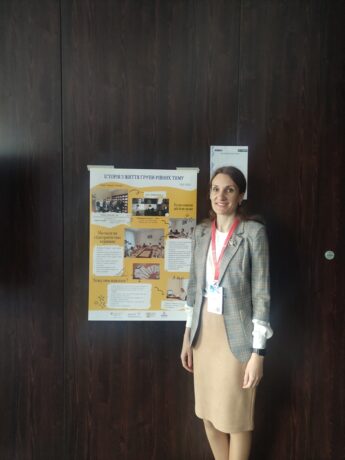
Facilitators of peer groups at our university prepared posters about the work of their peer groups in the style of storytelling. The presentation of the posters was fascinating. Doctors and medical educators had the opportunity to present their achievements, share their experience, solve difficult practical cases, and get to know each other even better.
Bohdan Velhan’s workshop “How to determine the trajectory of meeting facilitation and choose appropriate techniques” was meaningful and very practical. At the training, each participant tried on the role of facilitator and received constructive feedback. Bohdan demonstrated by his example how a highly professional facilitator works.
An exciting workshop on the topic “How to consider cases using the principles of evidence-based medicine” was conducted by a well-known rural family doctor, Vadym Vus.
A novelty of the Congress was the report of the founder of the fact-checking agency “NotaYenota” Alona Romaniuk on how to counter disinformation in the form of a game and how to analyse information in order not to spread fakes or manipulations.
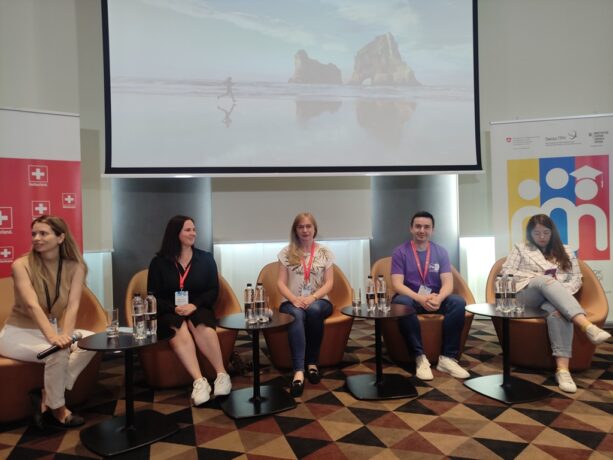
Also, within the framework of the Congress, a discussion panel was held on the topic “How and why do medical specialists learn?”
At the Congress, a meaningful facilitation and creative quest was organized, various tools for learning were presented: video, audio content, a lot of time was devoted to books, in particular, personal development of medical specialists in book clubs.
Congress participants gained new interesting knowledge and mastered modern interactive skills that will be implemented both in the educational process and in the work of peer groups.
Peer groups are centres of teachers who strive for better quality of higher medical education and constantly develop their teaching skills. They provide unlimited opportunities for professional growth and development of their skills.
We invite colleagues to join peer groups operating at the university.
The material was provided by the participants of the Congress, facilitators of university peer groups: Nataliia Haliyash, Iryna Borovyk and Sofia Husak.