

Final Meeting of TNMU Peer Group
On June 23, 2022, the final meeting of the peer group took place in the Library of Ternopil National Medical University. It should be noted that the peer group is a modern method of continuing professional development (CPD) of medical professionals and teachers, which ensures the compliance of acquired knowledge with professional needs, timeliness and accessibility of training to each specialist who is interested in training.
Peer groups are regular meetings of specialists of the same level, in other words specialists with the same position – for example, university staff who by using structured approaches to discussion analyse professional situations and complex clinical or managerial cases, share knowledge or experiences, build professional relationships with colleagues.
The purpose of peer groups is to continuously improve the quality of professional care, improve the practical skills of health professionals to provide specialized services of the highest quality.
Peer groups operate in European countries such as Austria, Belgium, Denmark, Germany, Ireland, the Netherlands, Norway, Sweden, Switzerland, and the United Kingdom. In Switzerland, for example, participation in peer groups is a mandatory requirement for doctors.
As a method of CPD, peer groups have a number of advantages:
• they are problem-oriented and practical: real problems are discussed, as well as practical cases that medical professionals or teachers face in everyday practice.
• All participants are equal: this promotes openness and constructive discussion.
• Peer groups provide an opportunity to exchange ideas, share experiences.
• Encourage self-study: participants prepare for the meeting.
• Peer groups promote the creation of professional communities through constant communication and cooperation.
• You can achieve more with your group than on your own (https://mededu.org.ua/groups/)
This semester, TNMU peer group held three meetings, members of which worked on current topics and challenges that teachers face during the war. They considered the teaching activities in conditions of uncertainty, analysed in detail the cases of pedagogical practice, where everyone had the opportunity to share their experiences. They also worked on the structure of simulation training, preparation of a successful scenario, practiced simulation according to the method of “4 steps”.
At the end of the academic year, the final topic was presented: “Setting the goal: for yourself and for students”, prepared by Nataliia Haliiash, Facilitator, Associate Professor of TNMU Department of Paediatrics №2. During the lecture, it was found out that a clear goal is the key to success. Today, short-term goals within 1-2 years are especially relevant.

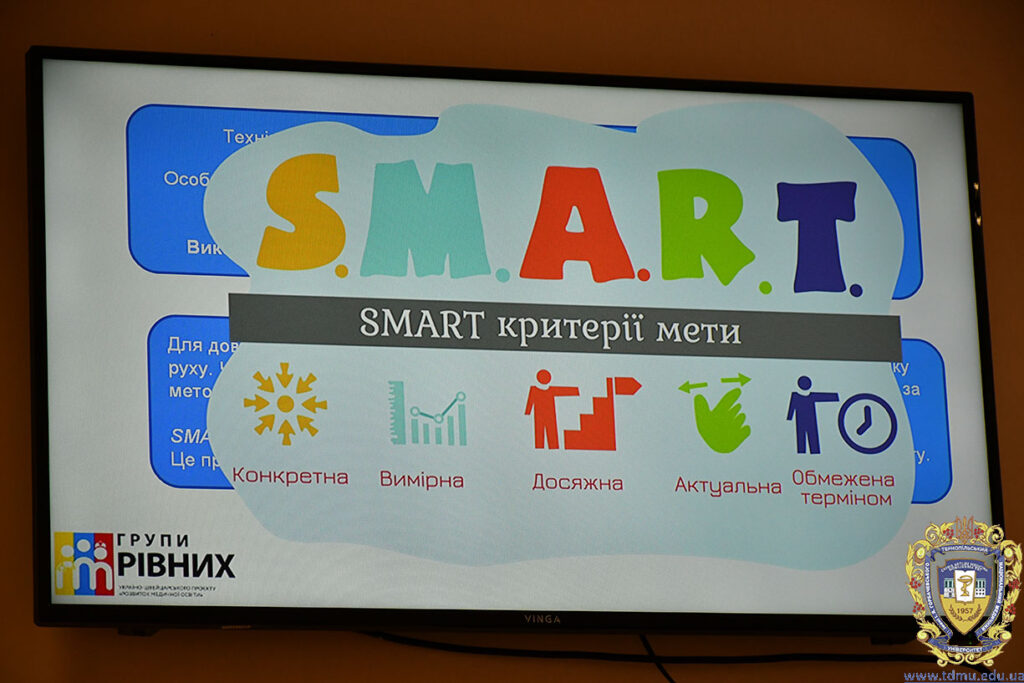
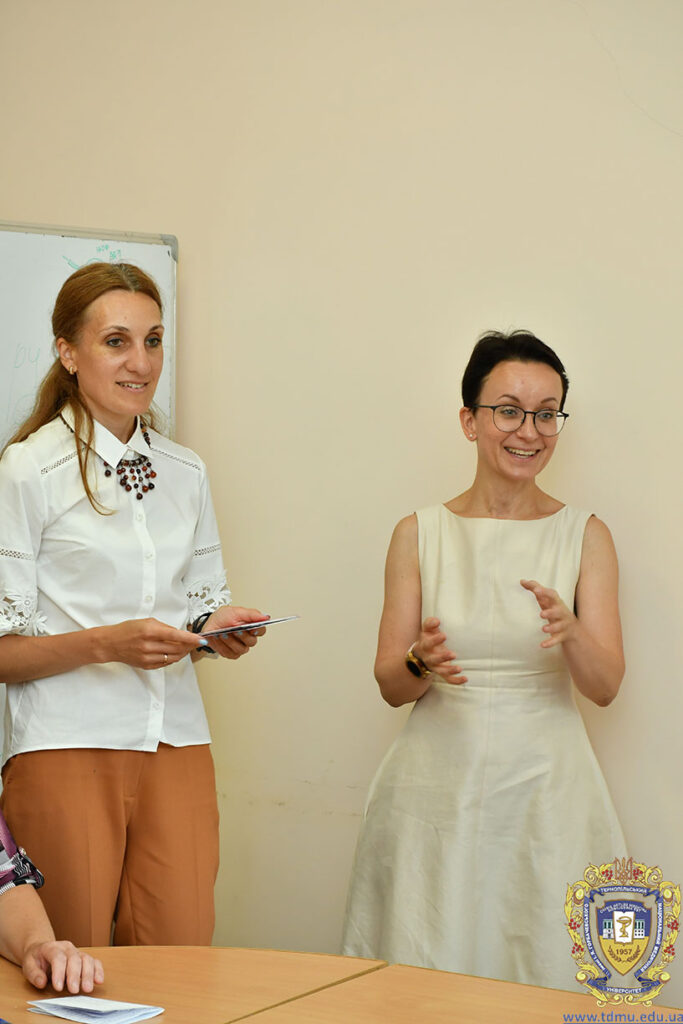
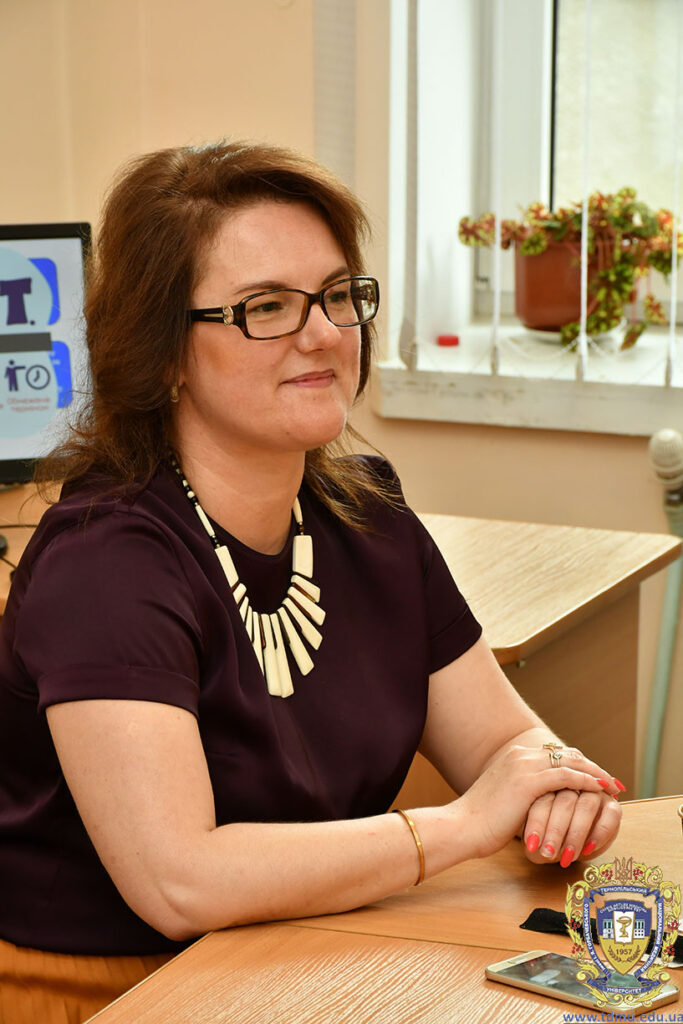
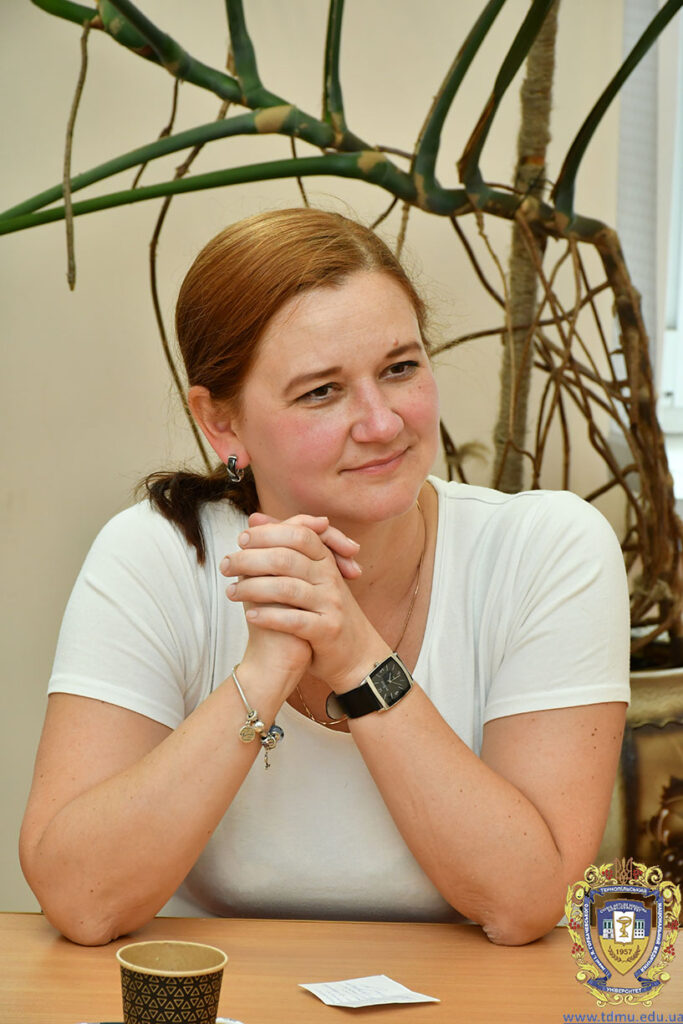
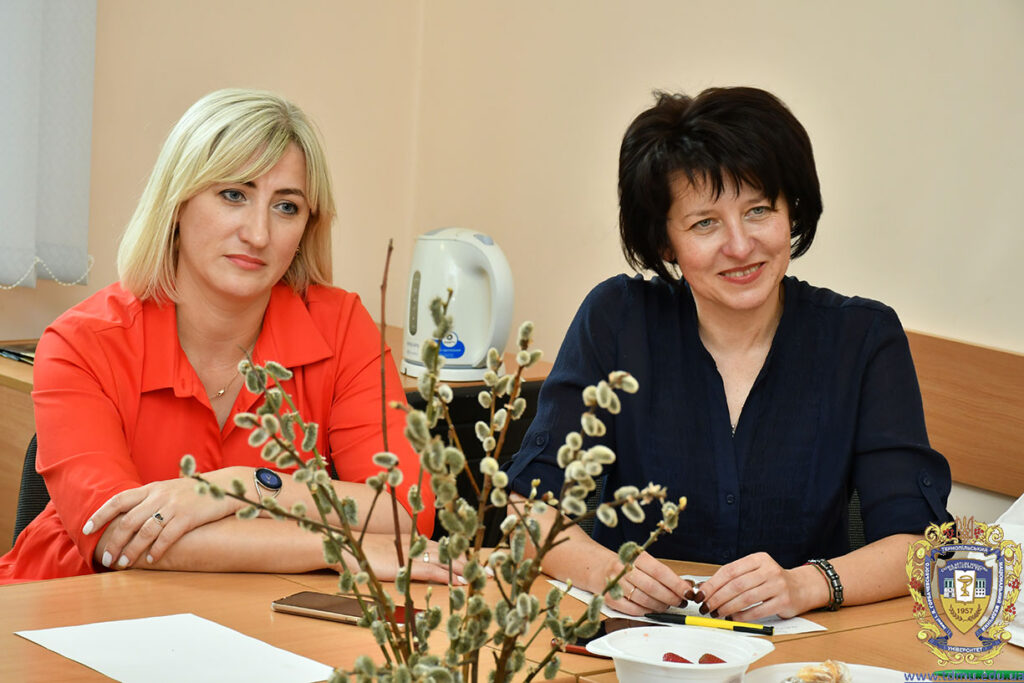

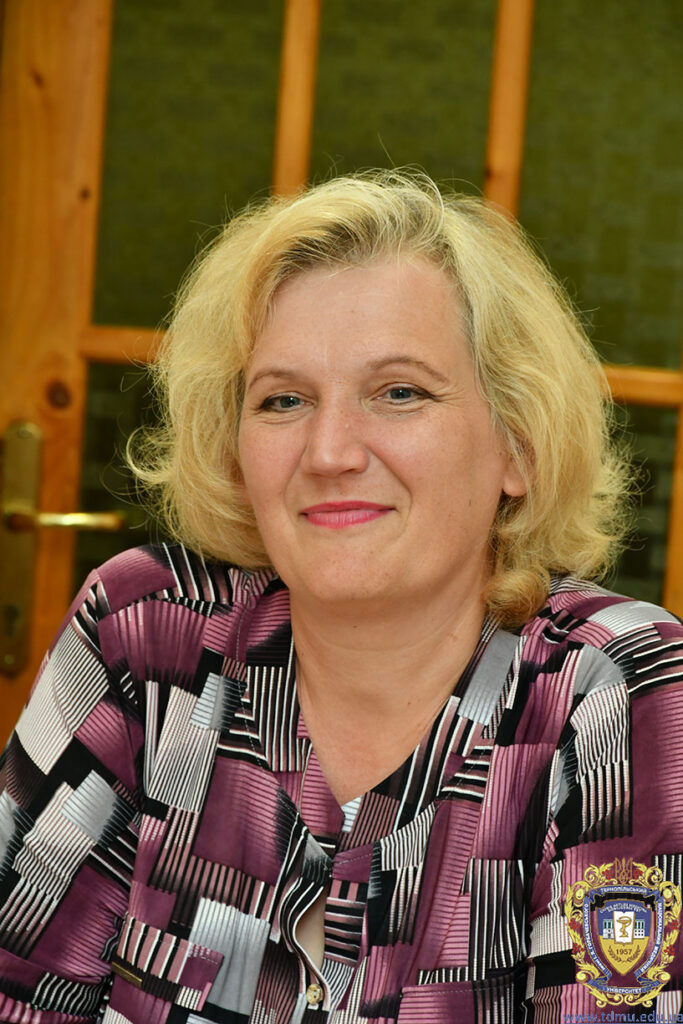
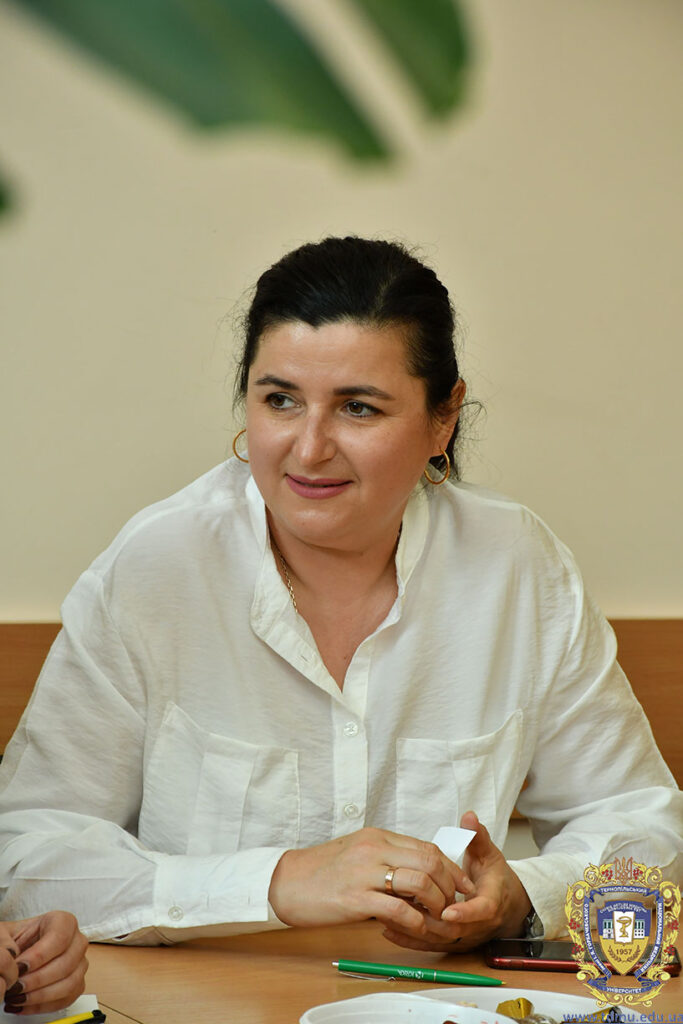
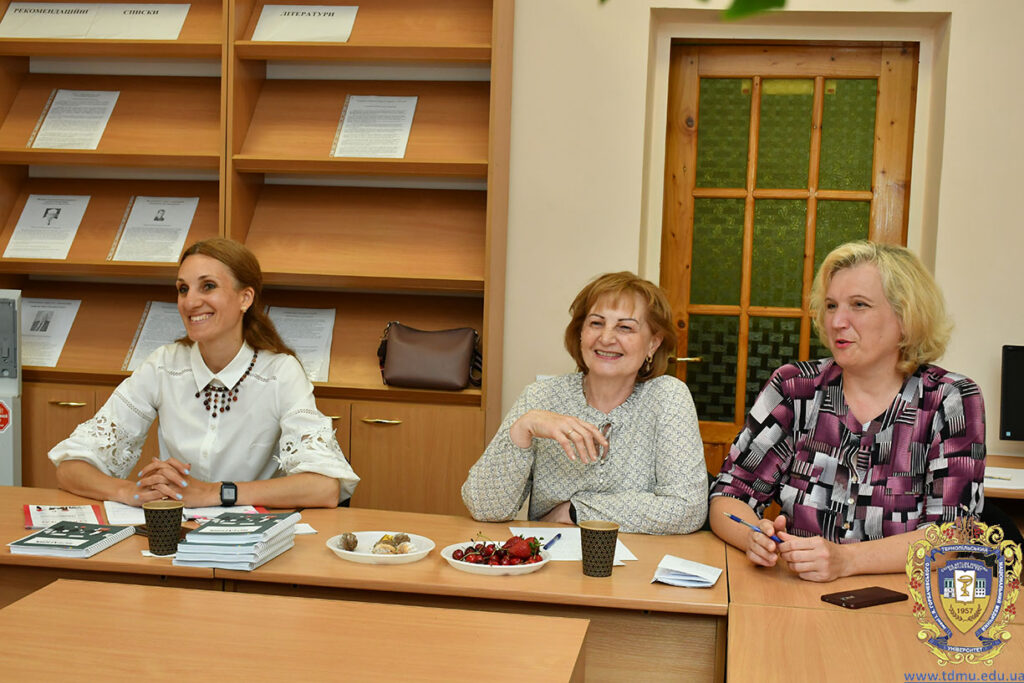
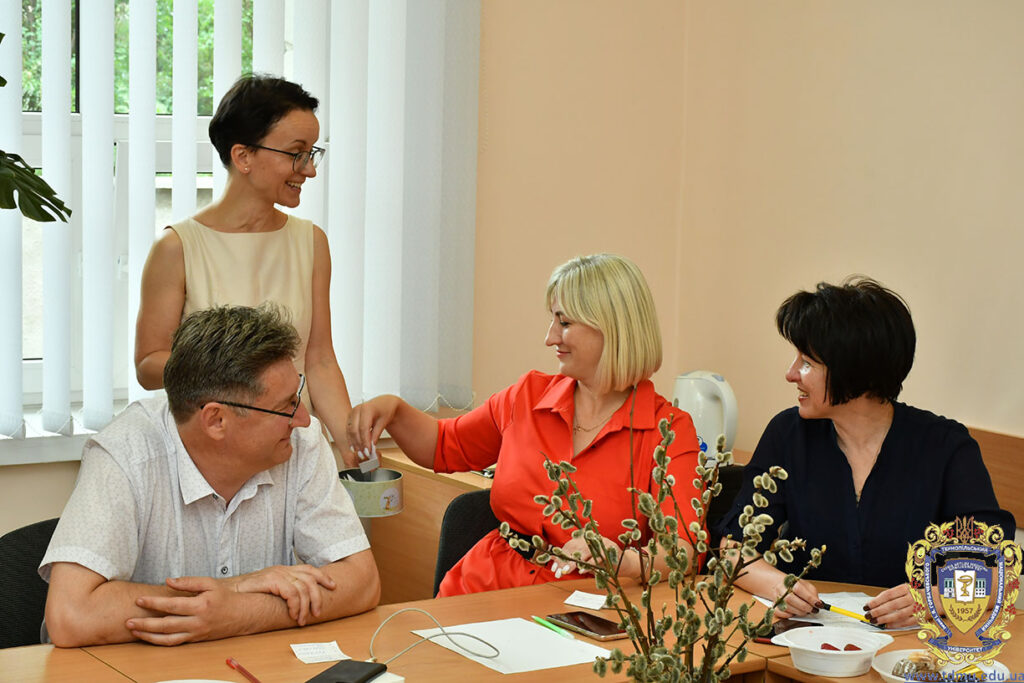
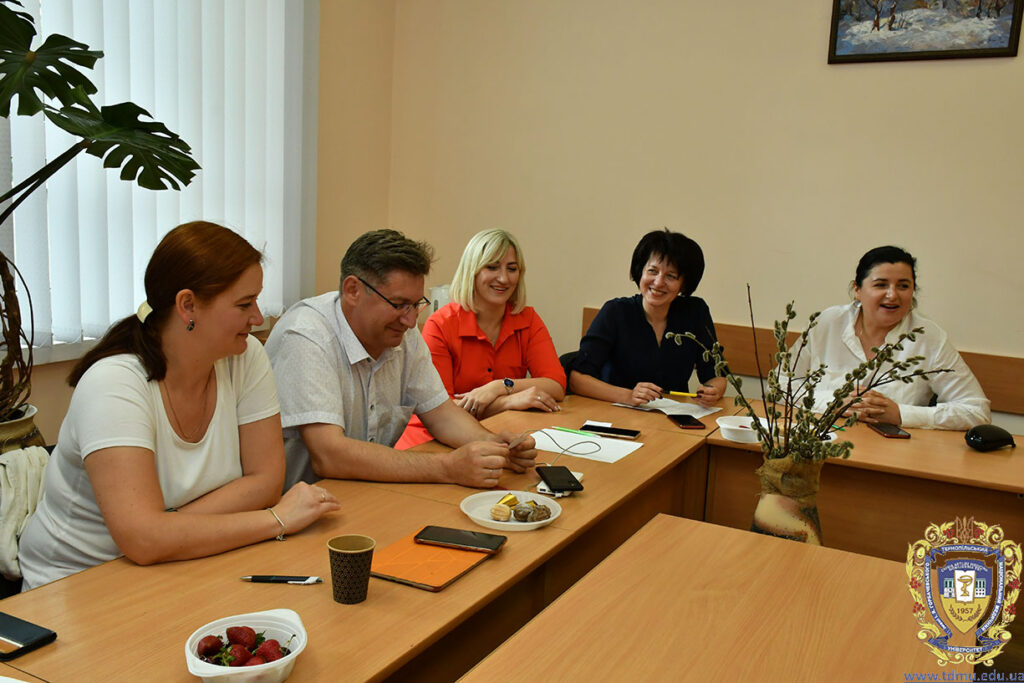
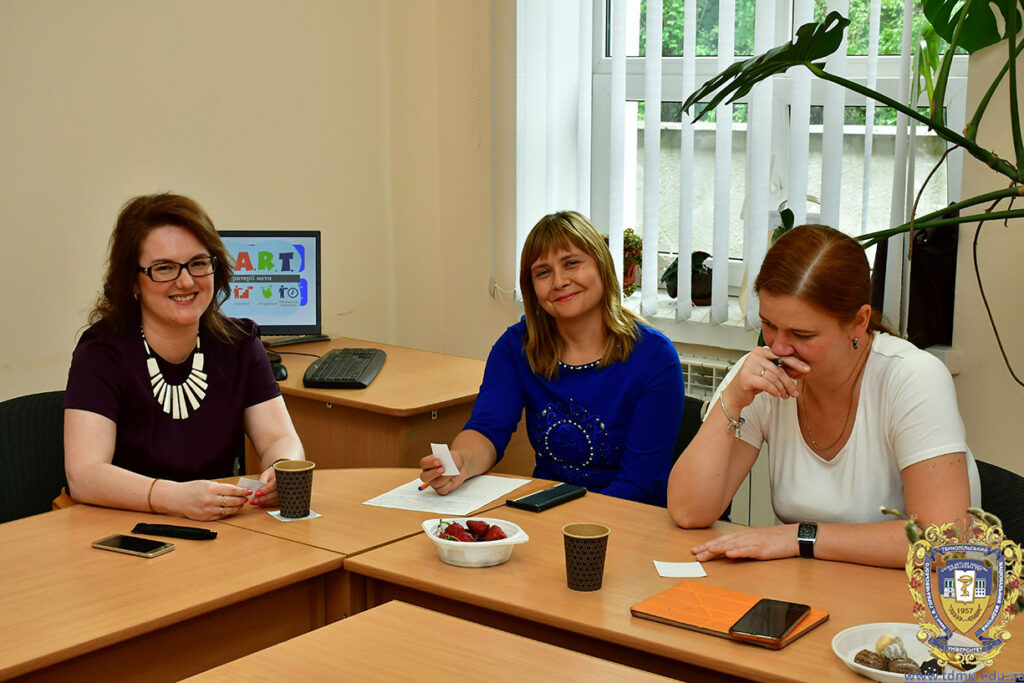
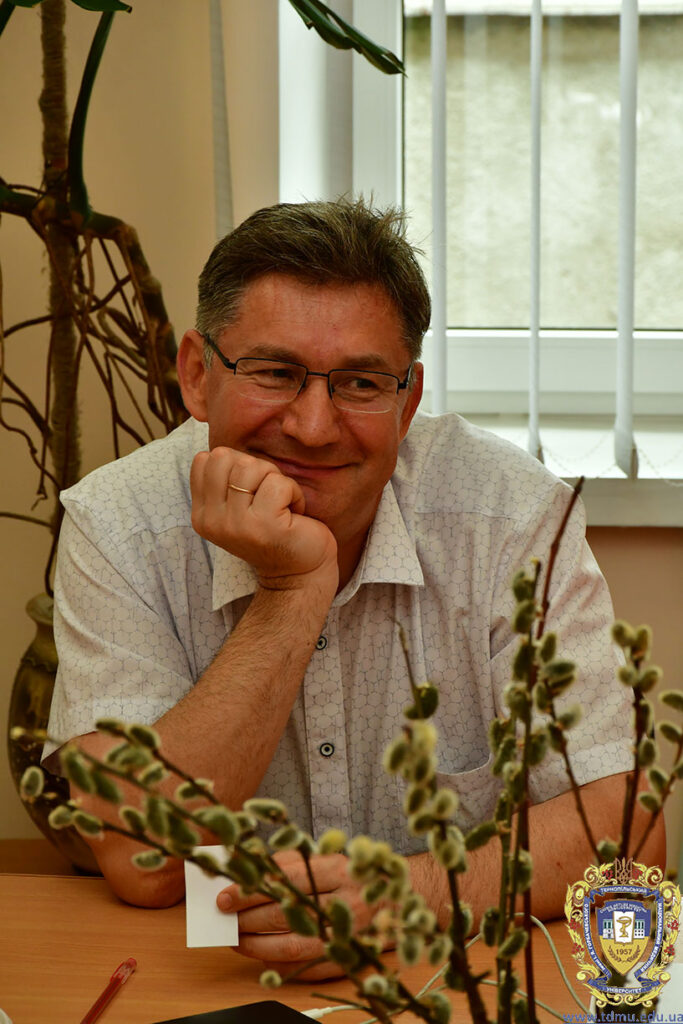
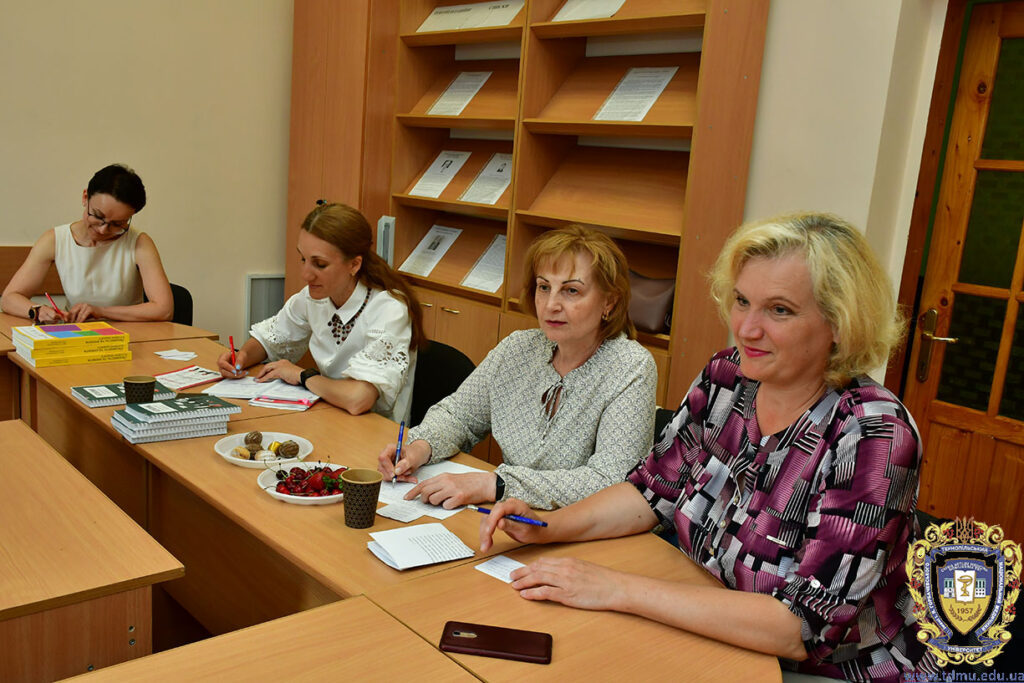
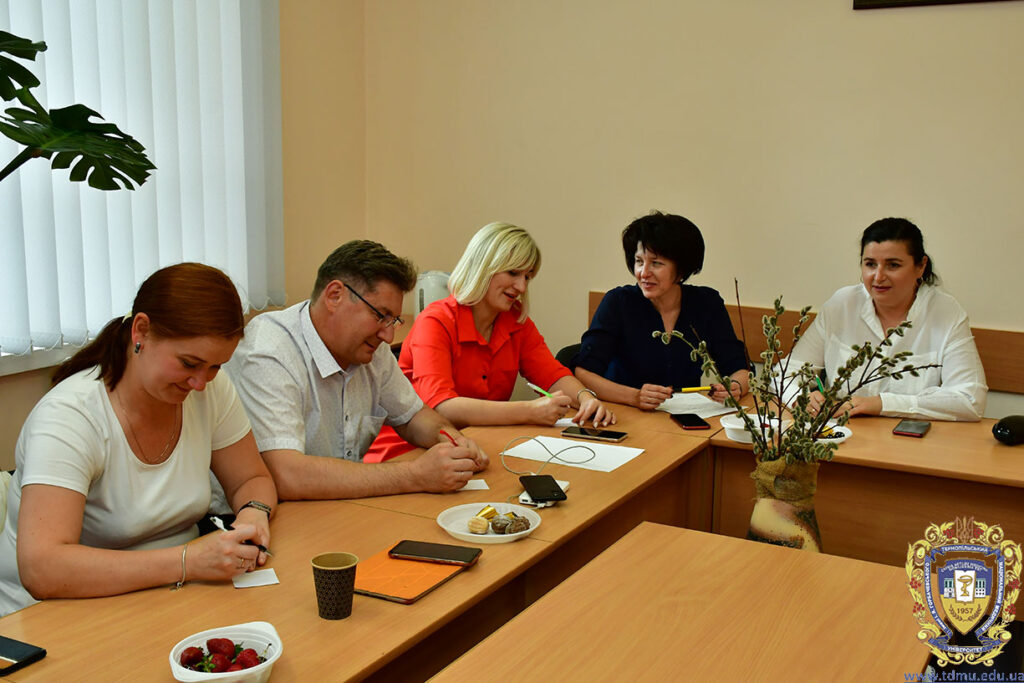
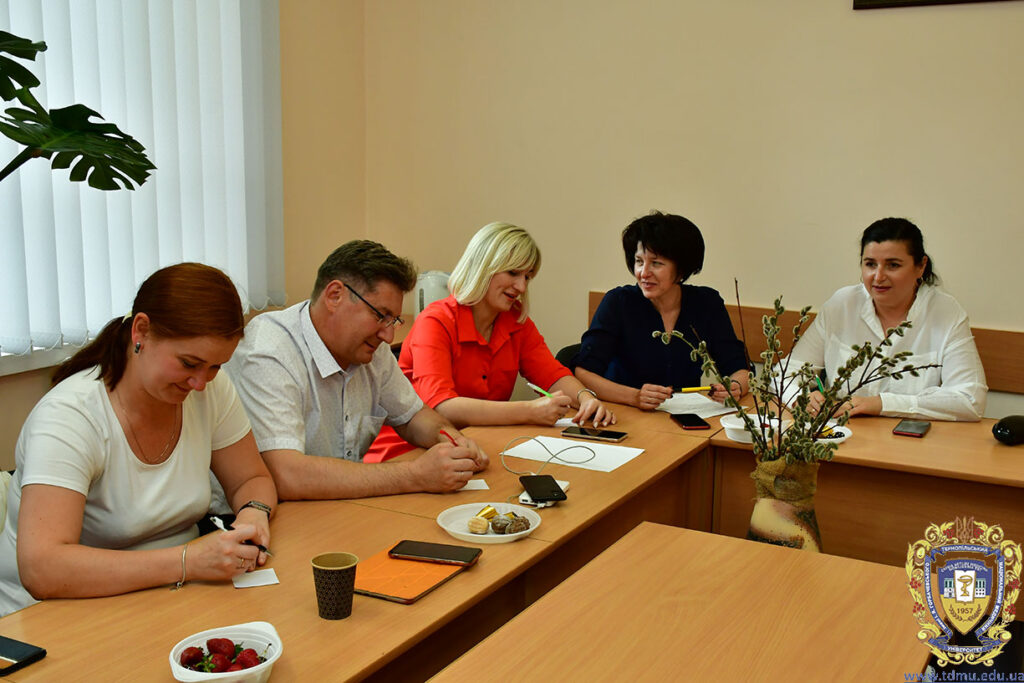
At the group meeting, not only was the SMART technique for goal setting and the ABCDE technique for problem formulation discussed in detail, but also they were thoroughly practiced.
The most interesting were various examples of goal setting. Thus, having chosen the topic of the practical class, the teachers in groups worked on setting goals and tasks, using these techniques. The goals were supposed to be specific, measurable, relevant, achievable and time-bound, and the tasks revealed the answers to the following questions: who will do, what will be done, how much (well) will be done, why, when? After that, each group presented the results of their work. Everyone was satisfied with the clearly formulated goals and tasks of the class.
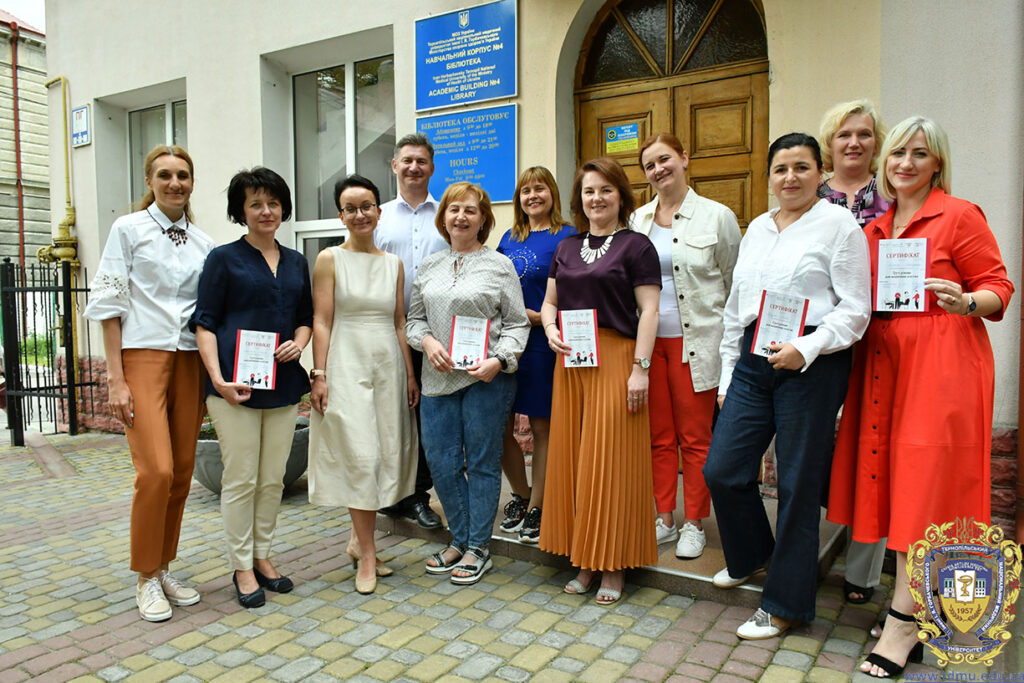
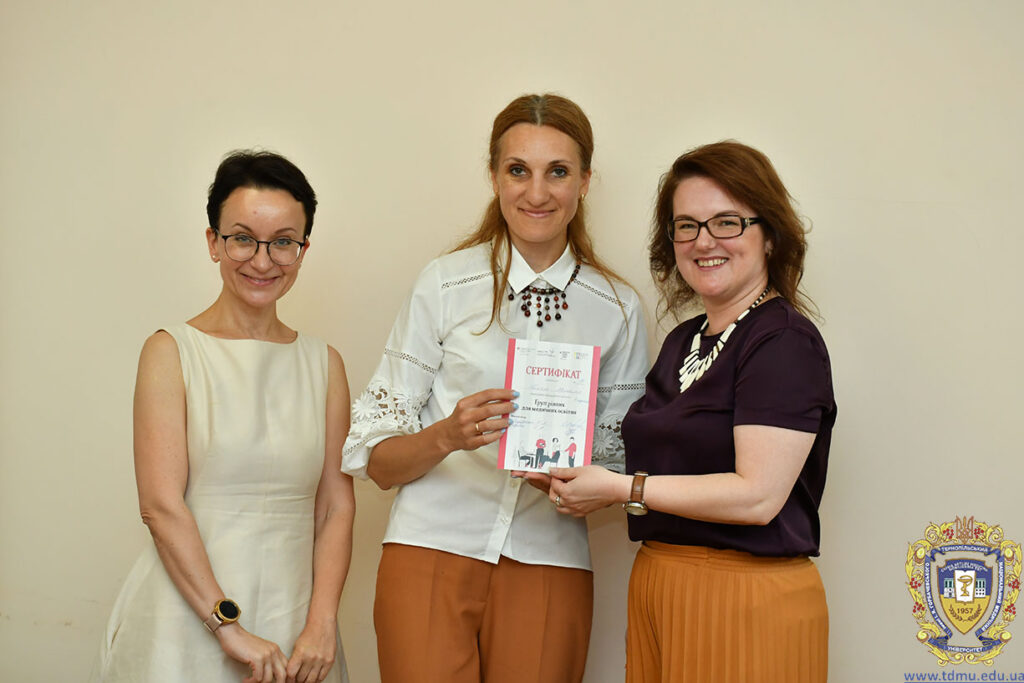
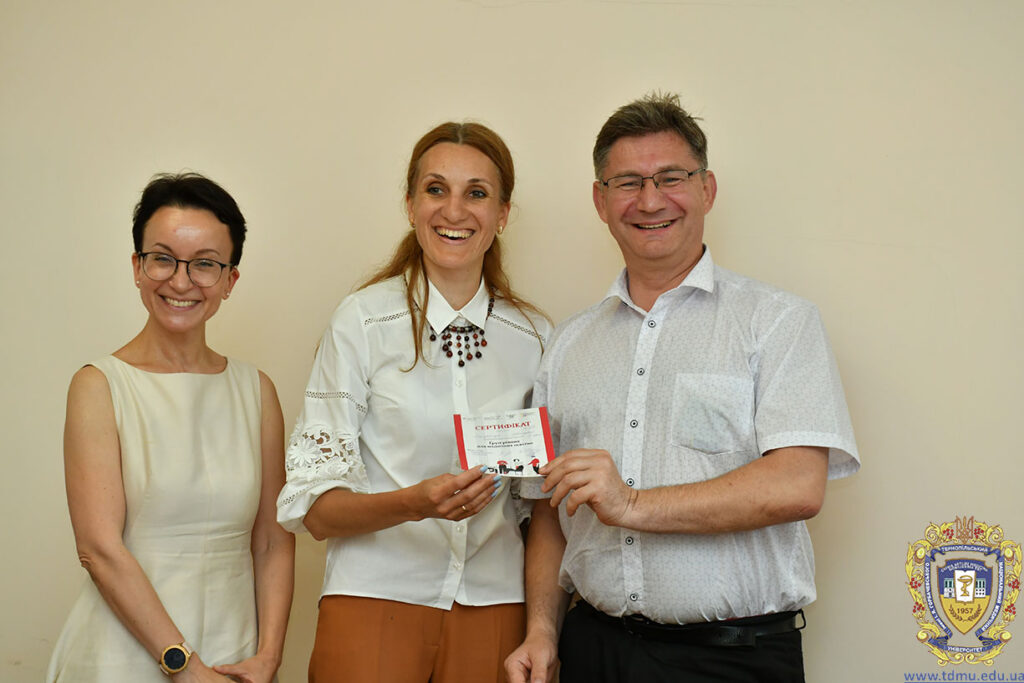
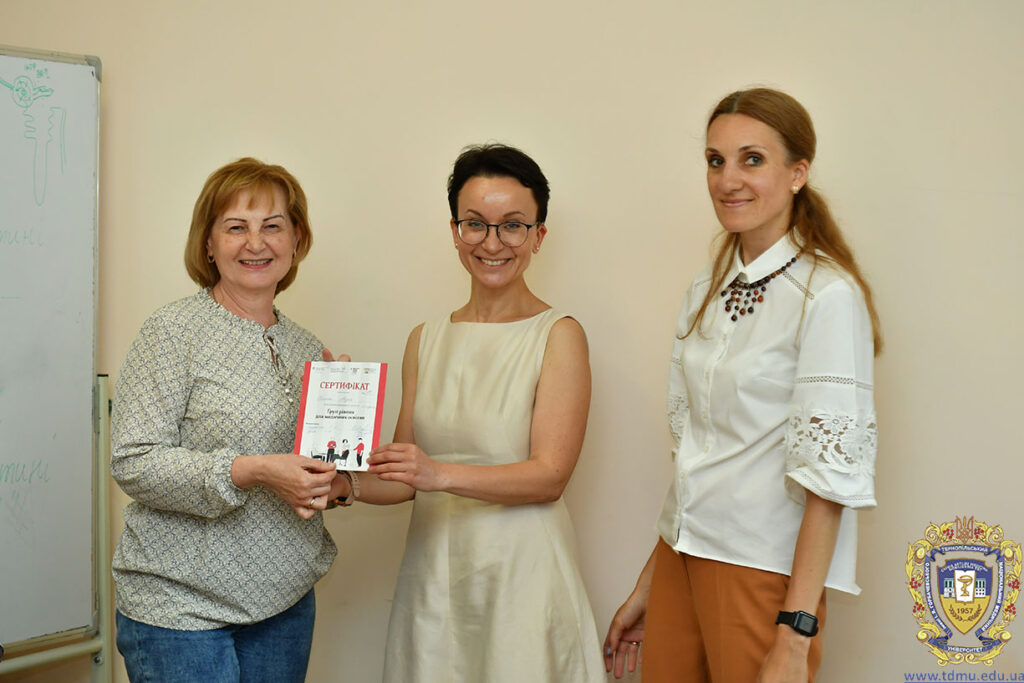
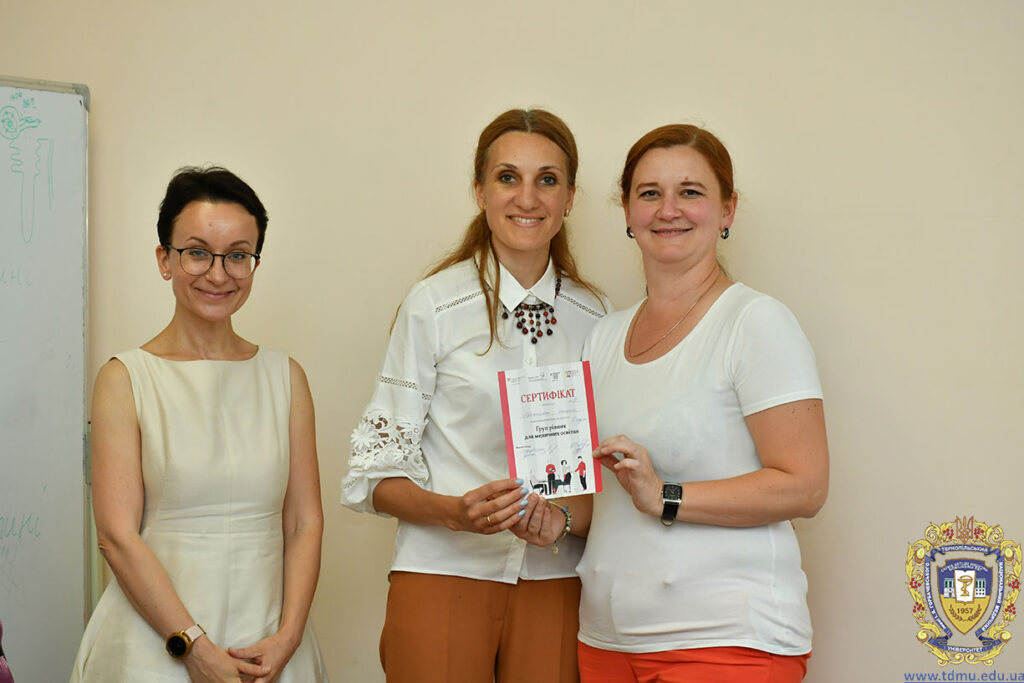
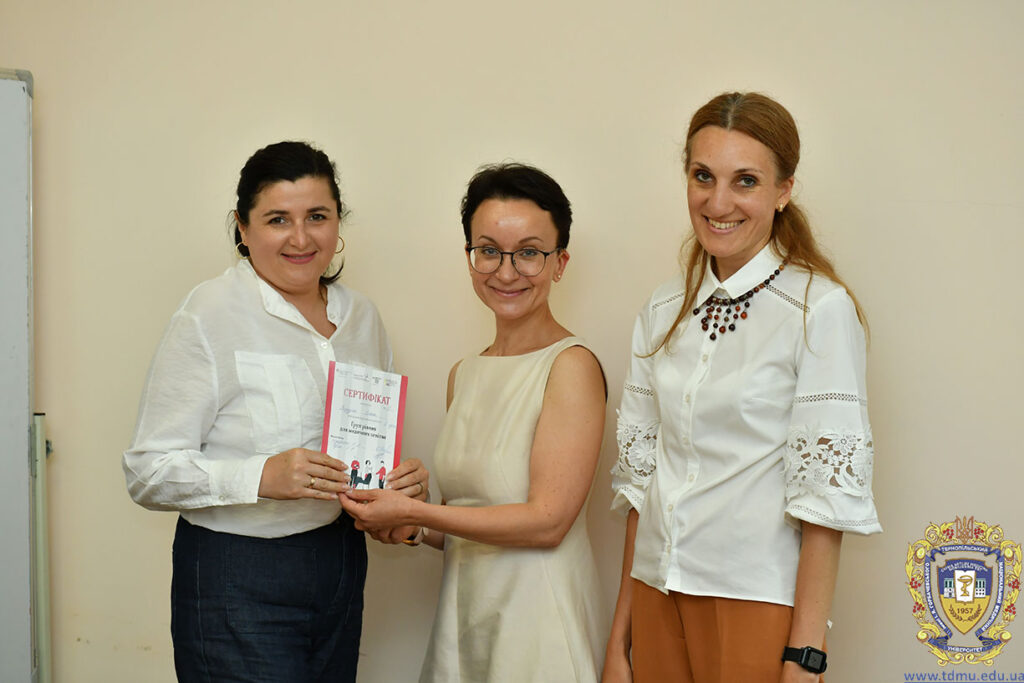
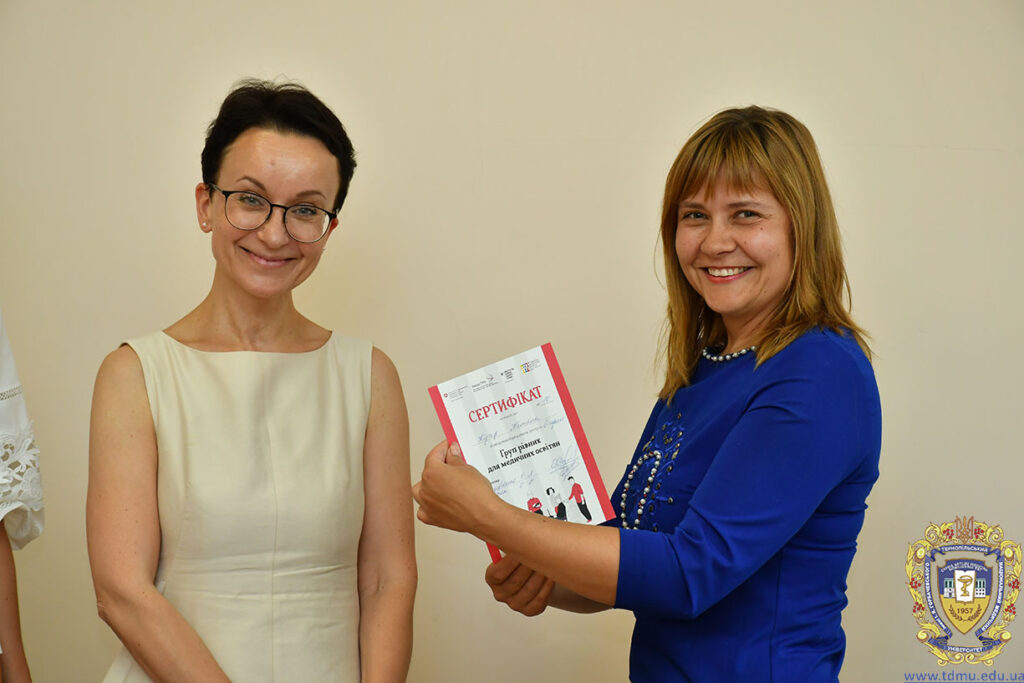
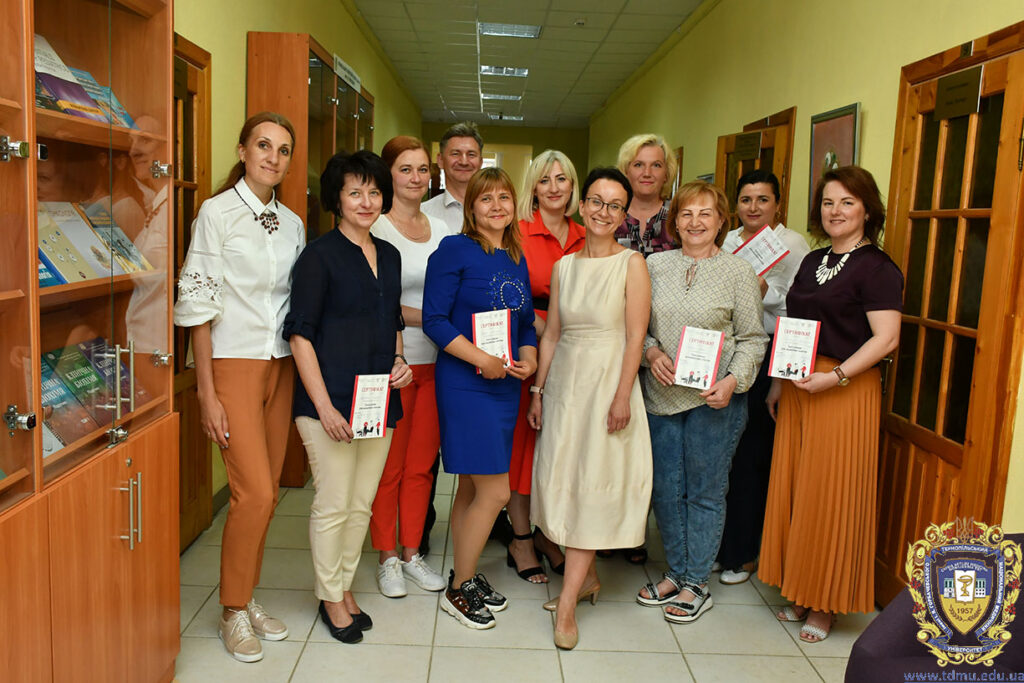
At the end of the meeting, all members of the peer group were awarded certificates. Everyone gained not only knowledge and skills, but also academic hours and scores to their profile of pedagogical skills.
In this academic year, the work of peer groups is completed.
After the summer vacation, the peer groups will continue their work! They are open and invite all university teachers to participate and cooperate!
The material was presented by the facilitators of the peer group: Sofiia Husak and Oksana Sydorenko.