

Students and Faculty of the TNMU Institute of Nursing Completed Internship at the Human Milk Bank in Vienna
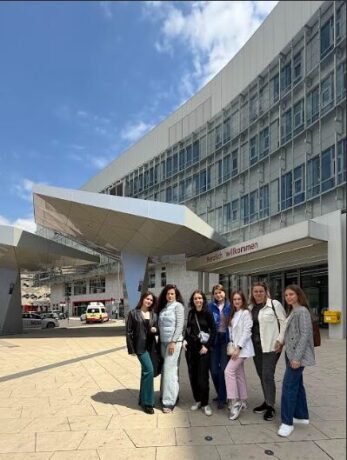
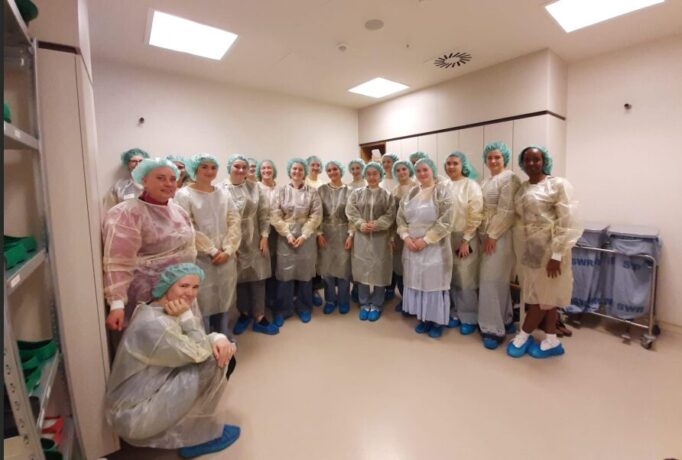
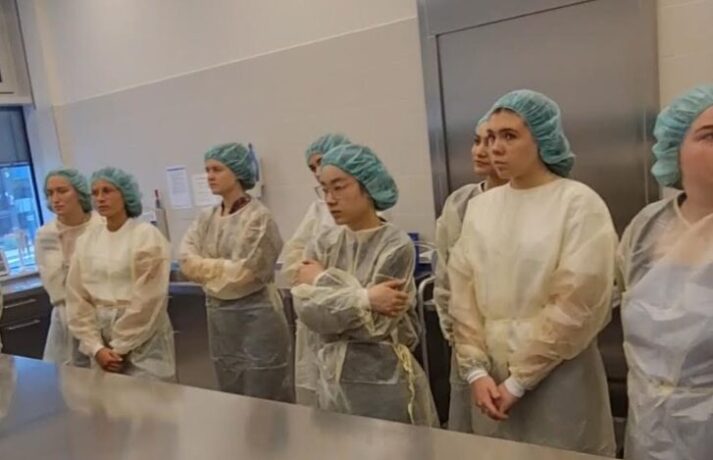
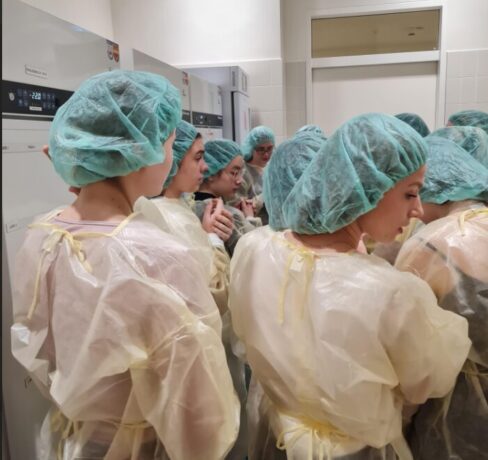
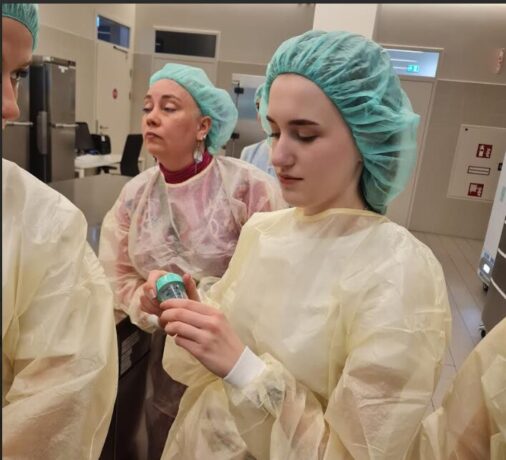
During a week-long internship on breastfeeding (Breastfeeding and Early Interaction: Basics and Beyond, BIP 2025, Erasmus+) in Vienna, students and faculty members of the TNMU Educational and Research Institute of Nursing visited the Human Milk Bank at Floridsdorf Clinic.
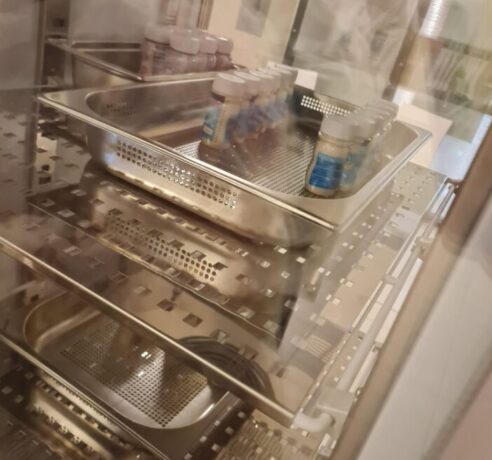
The participants became familiar with all stages of the milk bank’s operation — from milk collection and storage to quality control and distribution of donor milk — all carried out in accordance with European standards. Students also gained deeper insights into the ethical, medical, and organizational aspects of milk donation, as well as the critical role that breast milk plays in preserving the health and lives of premature infants.
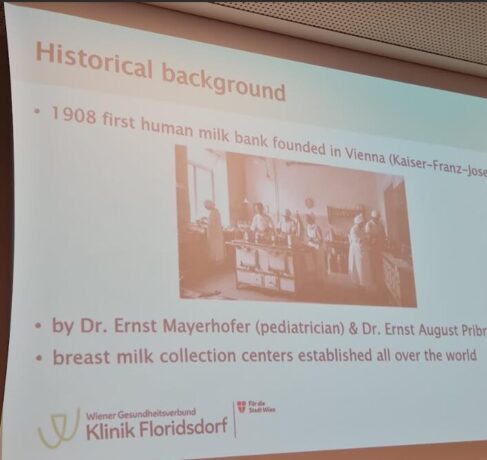
The Human Milk Bank at Floridsdorf Clinic in Vienna is one of Austria’s leading institutions providing donor milk free of charge, particularly for premature or ill infants.

The bank is a member of the European Milk Bank Association (EMBA) and has many years of experience in collecting and processing donor milk.
Mothers can donate breast milk up until their baby reaches six months of age. The first step in becoming a donor is to contact the milk bank for guidance, instructions, and consultation. After that, mothers are provided — free of charge — with sterile bottles of 50 or 200 ml for milk storage.
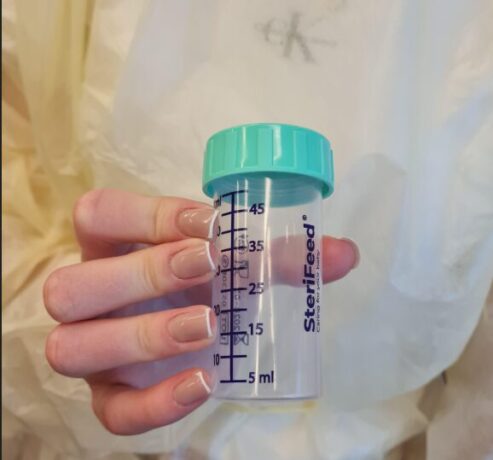
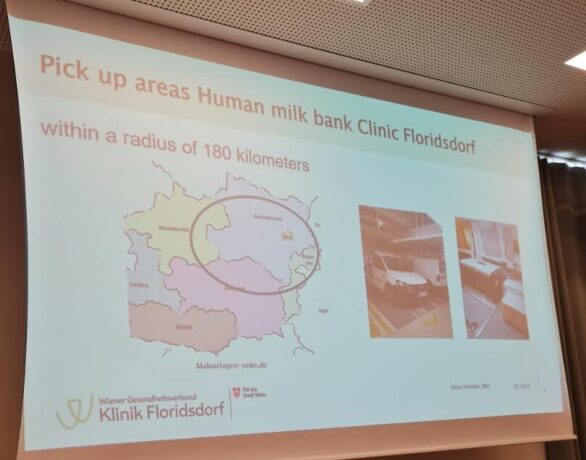
Once enough milk has been collected, bank staff arrange pickup directly from the donor’s home. For every liter of suitable milk, the donor receives only a symbolic compensation of €2.33. All milk undergoes strict screening and sterilization procedures.
Interestingly, the milk bank categorizes donated milk into two groups: from mothers of boys and from mothers of girls.
Being a breast milk donor is a noble and vital mission that helps save the lives of premature or ill newborns.
This experience helps future healthcare professionals develop a deeper understanding of the importance of supporting breastfeeding and encourages humane, compassionate approaches in pediatric care.