

Clinical Practice for Physical Therapists
From March to May of the 2024–2025 academic year, the Department of Physical Therapy, Occupational Therapy, and Physical Education at I. Horbachevsky Ternopil National Medical University conducted clinical practice sessions in physical therapy for students pursuing a first (bachelor’s) level degree in the specialty 227 “Therapy and Rehabilitation.”
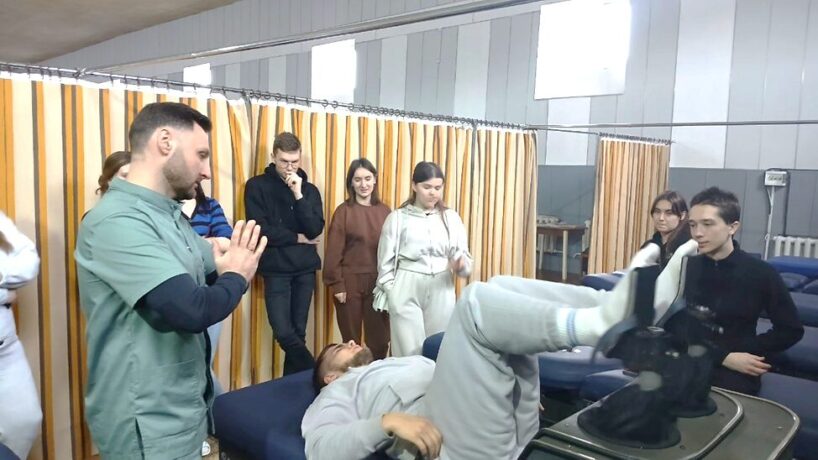
Starting from the second semester of the 2024–2025 academic year, the department implemented new approaches to clinical training aimed at enhancing the practical skills of future professionals. The new model emphasized independent skill acquisition by students under the guidance of Clinical Education Coordinator Assistant A. Havrylenko, department instructors, and clinical practice supervisors at partner medical institutions.
A key aspect was establishing direct interaction between students and patients at clinical sites. The supervisor-to-student ratio was also optimized: one clinical supervisor oversaw no more than three students, ensuring a more personalized learning experience.
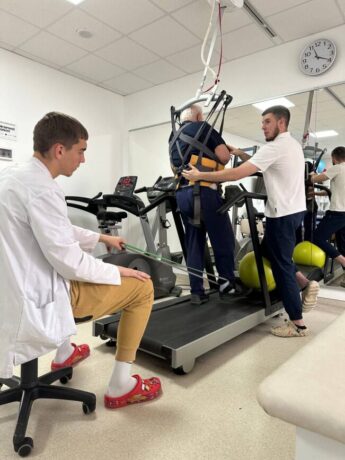
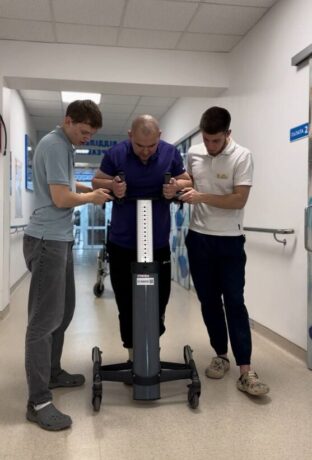
Ternopil Regional Clinical Psychoneurological Hospital
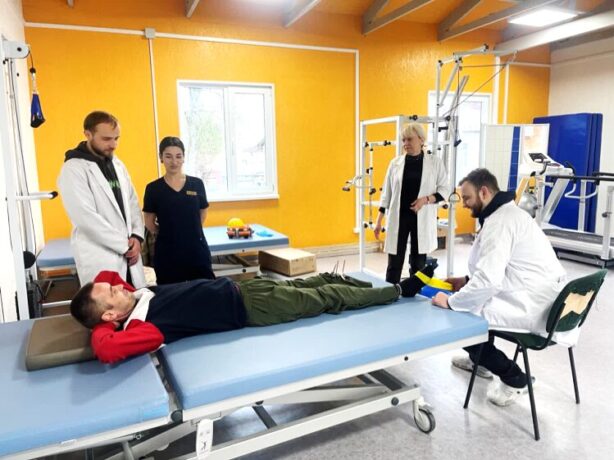
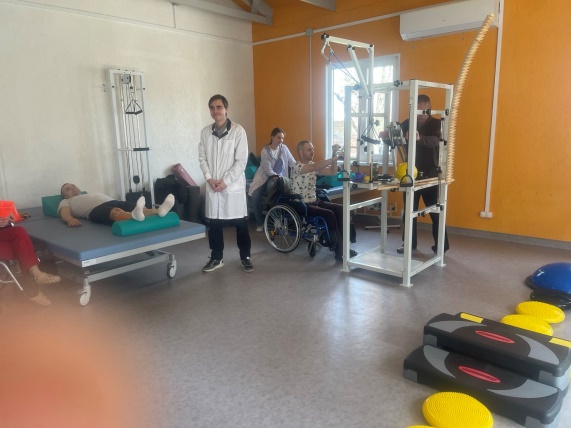
Ternopil Regional Clinical Hospital
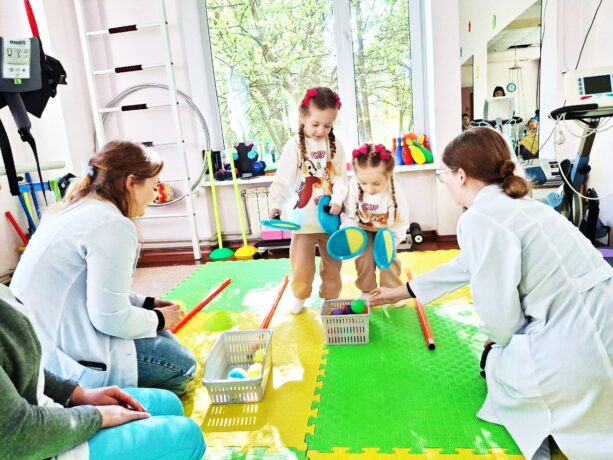
Ternopil Regional Children’s Clinical Hospital

Rehabilitation Center “GARTA”
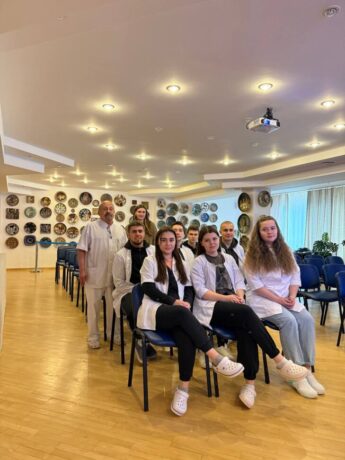
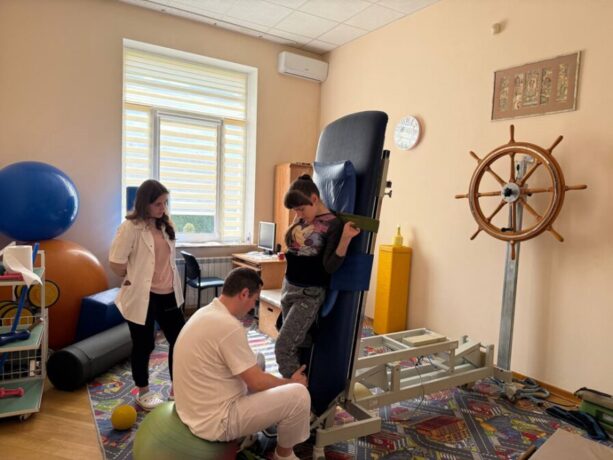
Kozyavkin International Rehabilitation Clinic
V. Vershyhora Bilche-Zolote Regional Rehabilitation Hospital
Thanks to the support and professionalism of our partners and supervisors, future physical therapists gained valuable hands-on experience essential for their future careers.
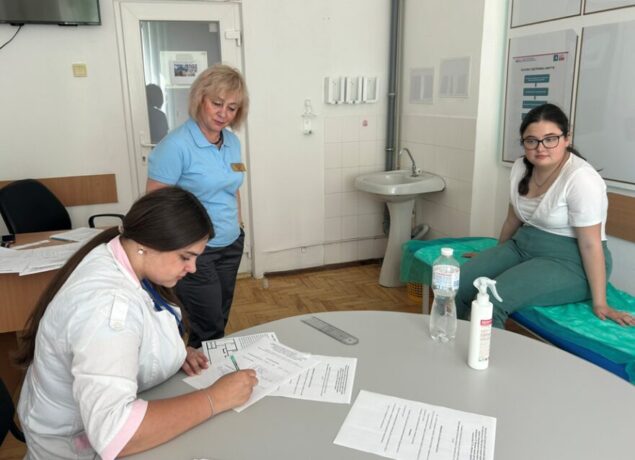
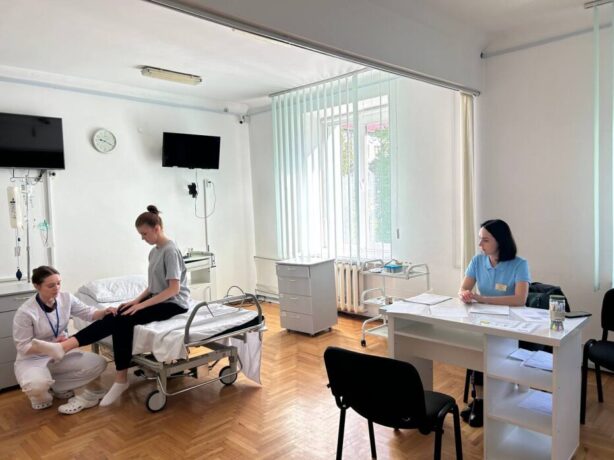
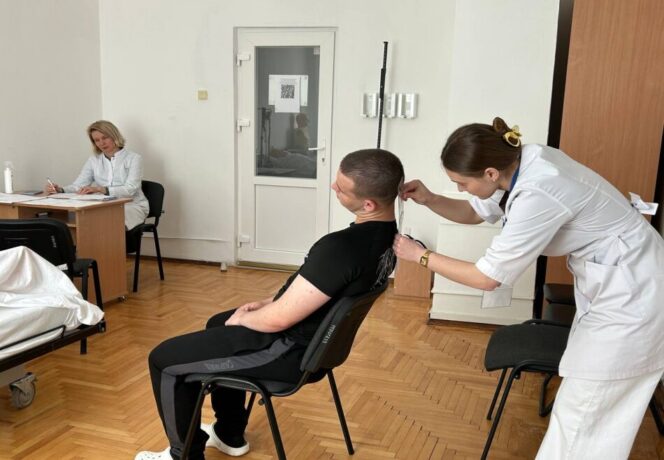
The clinical practice summary was conducted based on the completion of all required documentation specified in the practice curriculum. Final assessment for first-year students of the 227 “Therapy and Rehabilitation” specialty and third- and fourth-year students of the 227 “Physical Therapy, Occupational Therapy” specialty was conducted in the format of an Objective Structured Clinical Examination (OSCE) at the university’s Simulation Training Center.
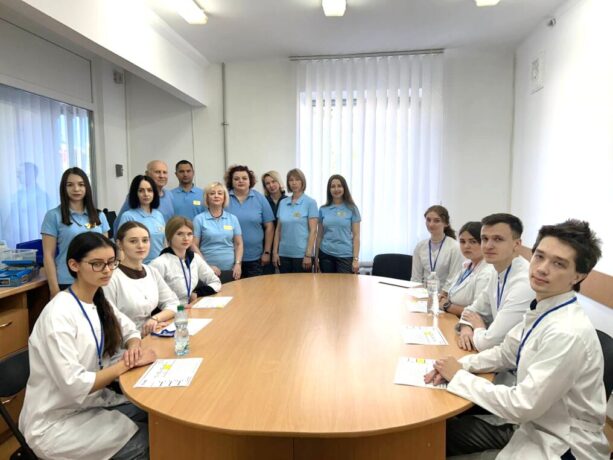
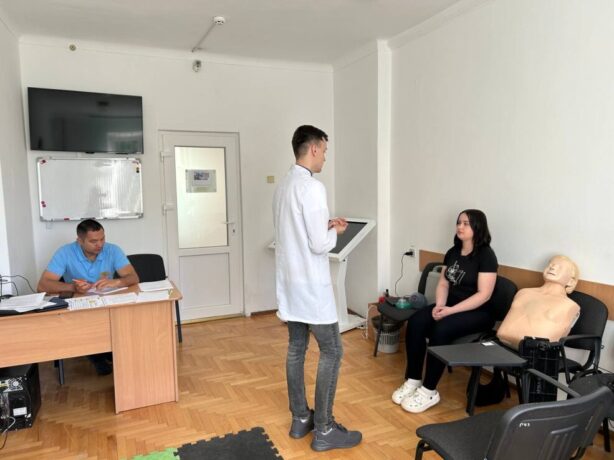
The Simulation Training Center at TNMU is equipped with modern technology, allowing for the recreation of diverse clinical scenarios — from physical assessments to emergency care. This ensures a safe and controlled environment for evaluating students’ practical readiness.
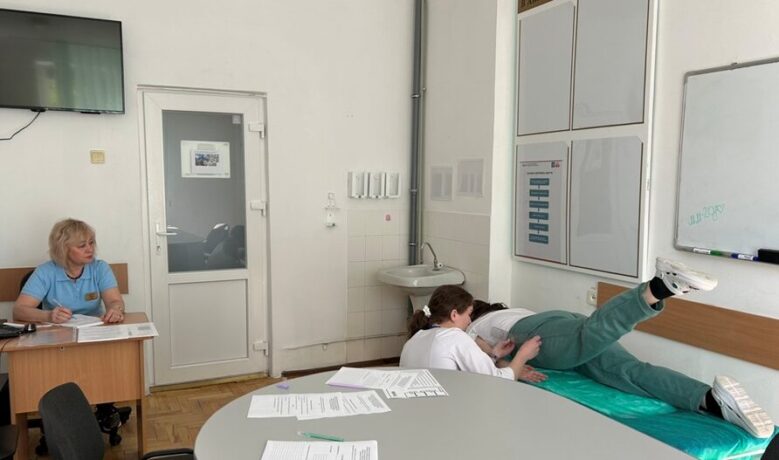
The OSCE is a standardized exam that allows for an objective assessment of students’ mastery of key clinical competencies acquired during clinical practice. Its structured format and use of realistic clinical simulations distinguish it from traditional examinations.
During the OSCE, each student rotated through eight stations, where their ability to apply theoretical knowledge in practice, demonstrate hands-on skills, communicate effectively, and make clinical decisions was evaluated. At each station, examiners used clear assessment criteria to record student performance.
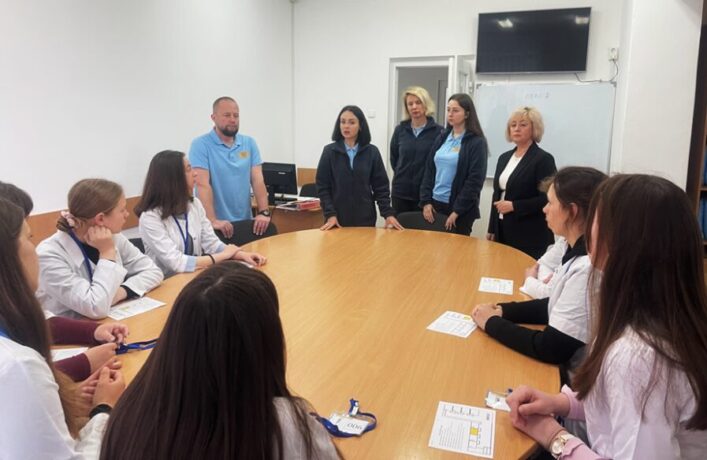
Advantages of the OSCE format at the Simulation Training Center include:
Objectivity: Standardized scenarios and evaluation criteria minimize subjectivity.
- Comprehensive skill assessment: The exam evaluates integrated clinical reasoning and technical skills, not just isolated tasks.
- Safe learning and testing environment: Simulations enable skill demonstration without risk to real patients.
- Preparation for real clinical work: Students practice response algorithms for various clinical situations.
By combining innovative approaches to clinical training with objective practical skill assessment through the OSCE, I. Horbachevsky Ternopil National Medical University continues to uphold the standards of higher education in preparing highly qualified specialists in therapy and rehabilitation.