

Participation in the EURACT Leonardo Course for Teachers and Family Medicine Practitioners
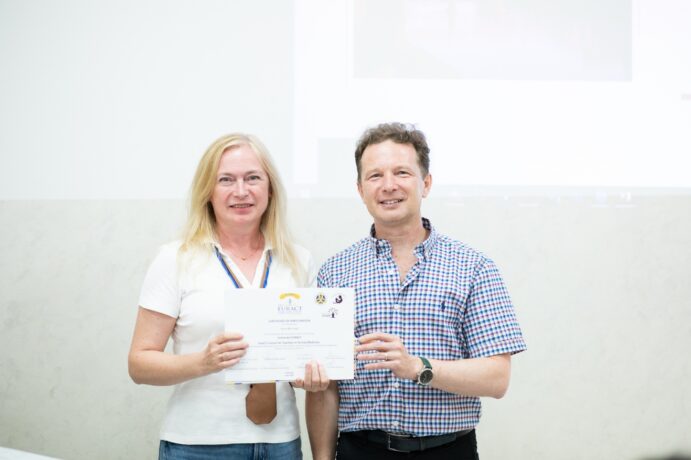
The Leonardo Course is one of the most renowned educational projects for teachers and general practitioners, organized by the European Association of Family Medicine Teachers (EURACT. Supported by the Ukrainian-Swiss “Medical Education Development” Project, Associate Professor Iryna Borovyk from the Department of Therapy and Family Medicine participated in the Level 1 Leonardo Training, held at the Department of Family Medicine and Outpatient Care (Faculty of Medicine No. 2, Uzhhorod National University).
The EURACT Leonardo Courses were introduced to:
Harmonize training standards in General Practice/Family Medicine across Europe.
Their primary goal is to improve individualized learning for GPs (General Practitioners) in European countries.
Enhance continuous education for teachers and general practitioners.
Course Structure
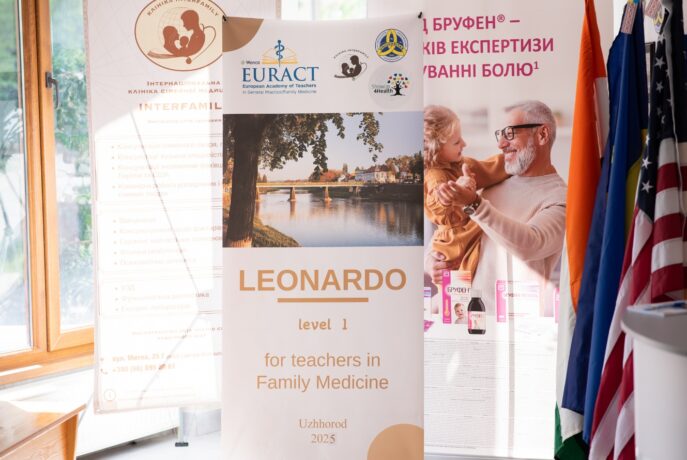
The Level 1 Leonardo Course consists of 6 modules over 3 days. The training is highly interactive, emphasizing small-group work with minimal formal presentations.
Speakers and Trainers
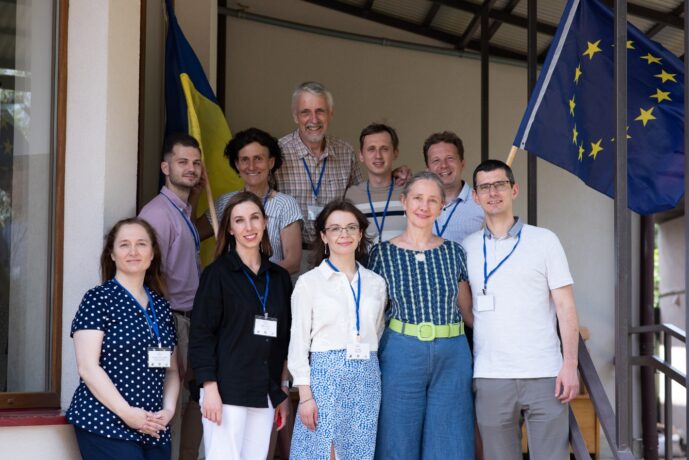
The event featured leading experts in family medicine from:
Dr. Andriy Kolesnyk (Psychiatrist, Psychological Self-Help Consultant).
UK: Prof. Michael Harris (University of Exeter, GP).
Switzerland:
- Dr. Arabella Ryder (University of Geneva, National Coordinator of EURACT Switzerland).
Dr. Johanna Sommer (University of Geneva, GP).
Portugal: Dr. Denise Alexandra Cunha Velho (Director of a Primary Care Center, GP).
Ukraine:
- Prof. Pavlo Kolesnyk (Head of Family Medicine Dept., Uzhhorod National University; National EURACT Coordinator for Ukraine).
- Dr. Natalia Ponzel (Assistant Professor, Family Medicine Dept., UzhNU).
- Dr. Marianna Semianiv (Bukovinian State Medical University).
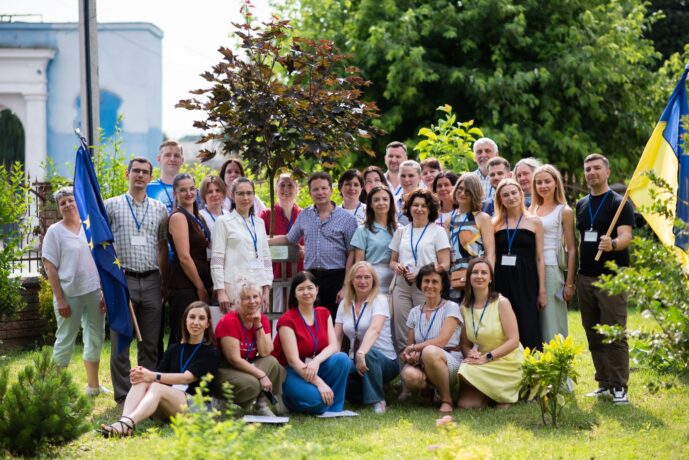
Key Modules
Program Design & Practice Preparation: Focused on learner-centered curriculum development.
Being an Effective Trainer: Focused on modern teaching challenges, personal values, and pedagogical competencies. The motto: “Saints don’t mold pots! Things don’t happen by themselves!”
Adult Learning & Assessment: Covered theories of adult education (andragogy), formative/summative assessment, and indirect evaluation methods (peer/patient feedback, self-assessment).
Teaching Methods & Feedback: Explored goal-setting, aligning teaching methods with objectives, and delivering constructive feedback.
Learning Styles & Personal Development Plans: Participants identified their learning styles (using the Honey & Mumford questionnaire) and created SMART-based personal development plans.
Role-Playing in Medical Education: Addressed communication skills, empathy, and scenario design for student-centered learning.
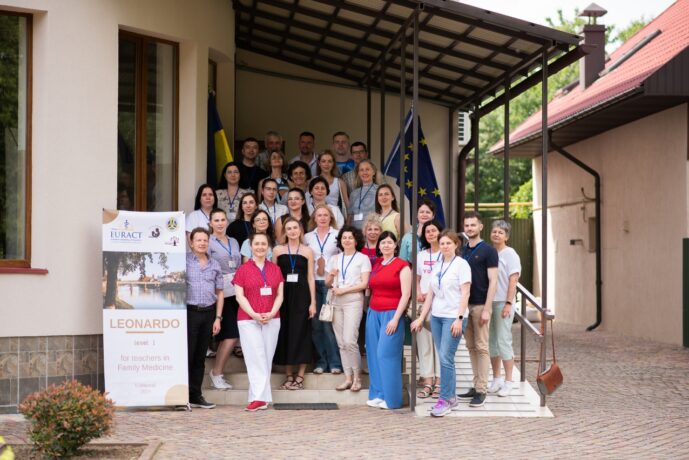
Social & Networking Activities
The course included:
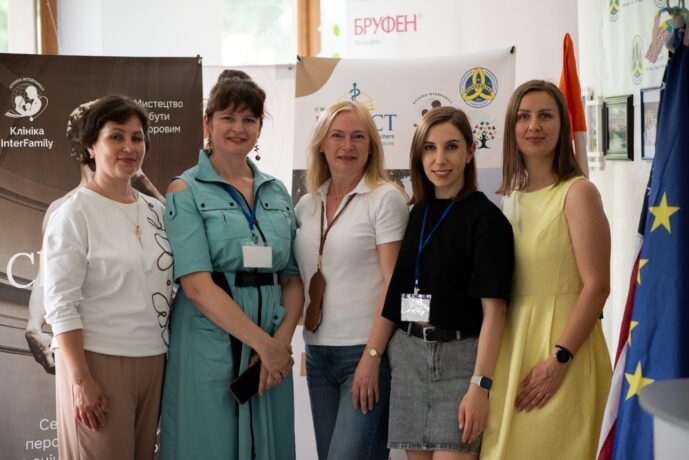
A visit to InterFamily Clinic (a training base for the department).
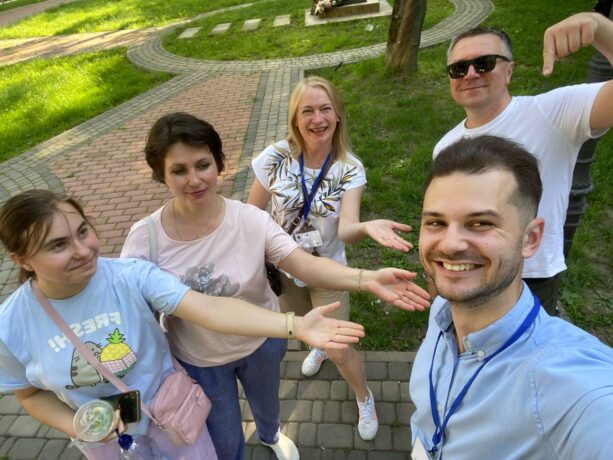
Icebreakers, treasure hunts, and cultural excursions in Uzhhorod.
A “Teaching Innovations Fair” where participants shared successful educational projects.
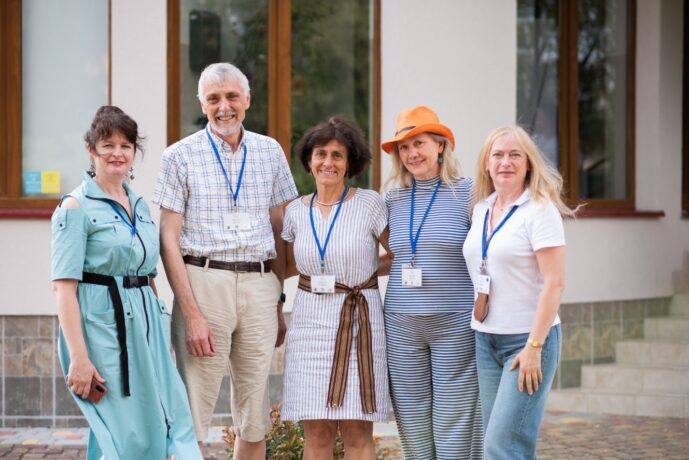
Outcomes
Participants gained:
Methodological materials for peer-group training and faculty development programs.
New pedagogical techniques for teaching “General Practice/Family Medicine,” “Communication Skills,” and “Empathy in Healthcare.”
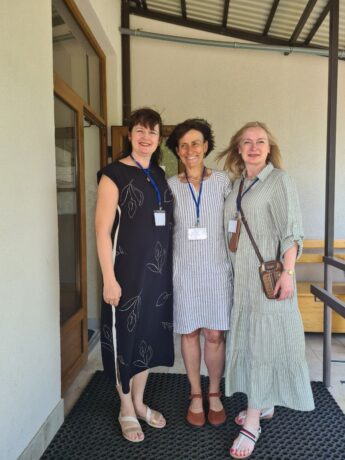
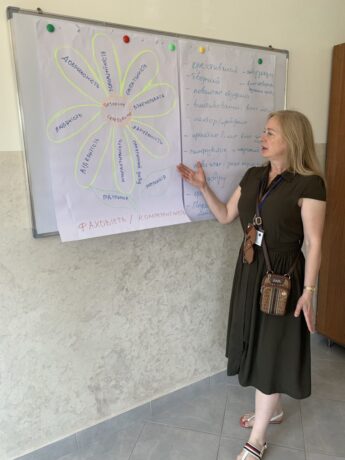
Iryna Borovyk presented the university’s “Clinical Thinking Laboratory” project, where students analyze real clinical cases.
For more details, watch the video on clinical reasoning.