TNMU Faculty Participated in the 12th International Conference on Clinical Neonatology in Italy
TNMU Faculty Participated in the 12th International Conference on Clinical Neonatology in Italy
On September 4–6, 2025, the 12th ICCN International Conference on Clinical Neonatology was held in Turin, Italy. The event brought together more than 270 participants from 58 countries – leading experts in neonatology and perinatology. The main value of the conference’s scientific program lay in the presentation and discussion of the latest research findings, as well as in fostering collaboration between researchers and clinicians to find practical, evidence-based solutions for everyday work in neonatal and infant care units.
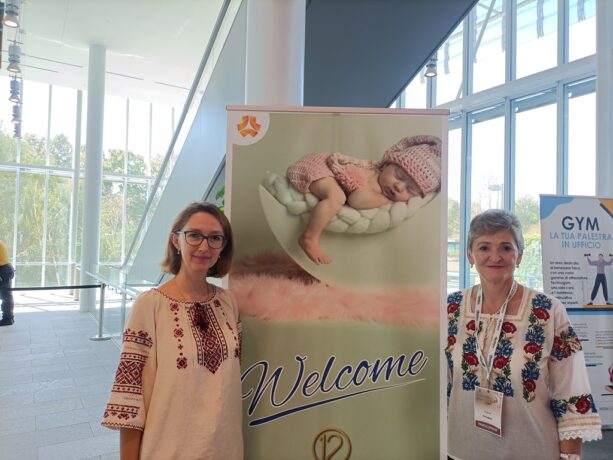
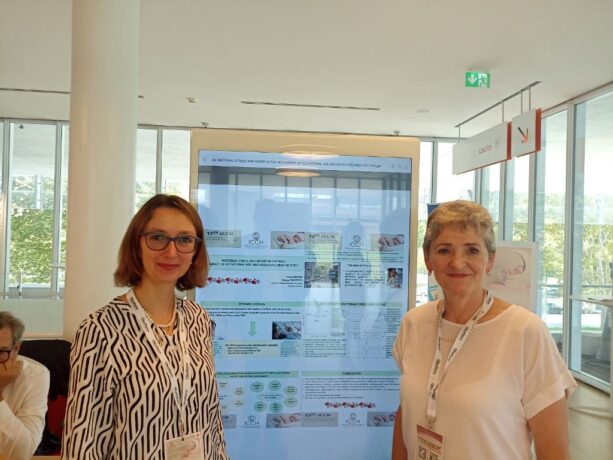
At the invitation of Prof. Paolo Manzoni, organizer of the 12th ICCN International Conference on Clinical Neonatology, the delegation of I. Horbachevsky Ternopil National Medical University was represented by Prof. Halyna Pavlyshyn, Head of the Department of Pediatrics No. 2, and Prof. Iryna Sarapuk, also of the Department of Pediatrics No. 2. Participation in the conference provided an opportunity to learn about the latest methods and approaches in neonatal clinical practice and to exchange experiences with international colleagues.
The main objectives of the conference were to improve the diagnosis and treatment of diseases in newborns, to promote vaccination of pregnant women and infants for the prevention of severe respiratory infections, and to implement innovations in neonatal intensive care units.
At the 12th International Conference on Clinical Neonatology, TNMU scholars presented the results of departmental research. Prof. Halyna Pavlyshyn and Prof. Iryna Sarapuk delivered both oral and poster presentations, which enabled them to discuss their studies with European specialists and experts in neonatology.
Special attention at the conference was given to the management and prevention of respiratory infections in infants, particularly RSV infection, pneumococcal disease, and pertussis. Treating RSV infection is complicated by the lack of effective antiviral drugs; therefore, the main emphasis is currently placed on vaccinating infants from high-risk groups. Experts presented modern approaches to infant immunoprophylaxis and their effectiveness, as well as important data on the benefits of maternal vaccination in protecting newborns from severe respiratory infections.
A number of presentations were dedicated to innovations in neonatal intensive care units, including the “Smart Hospital” concept, the use of wireless sensors, and improved monitoring of infants’ vital functions. Wireless technologies in neonatal intensive care units allow skin-to-skin contact between infants and parents to be as comfortable as possible, while ensuring the baby’s safety, since the absence of wired monitoring components reduces the risk of accidental disconnection of equipment and any deterioration in the infant’s condition.
Leading neonatologist Prof. Ola Didrik Saugstad (Norway) emphasized the relevance of neonatal asphyxia, which is both a neonatological and an obstetric-gynecological issue and remains one of the main causes of long-term neurological complications. He discussed modern approaches to resuscitation in delivery rooms and highlighted the importance of oxygen therapy for preterm infants, stressing the need for careful adjustment of oxygen concentration during resuscitation.
Prof. Mario Giuffre (Italy), in his presentation, drew attention to the global problem of antibiotic resistance in neonatal intensive care units. He noted that increasing resistance significantly complicates the treatment of neonatal sepsis and raises the risk of severe complications. He presented current strategies to address this issue, including optimizing antibiotic therapy, implementing antimicrobial stewardship programs, and applying evidence-based treatment protocols.
Participation in the 12th International Conference on Clinical Neonatology provided an opportunity to enhance professional qualifications and expand competencies in neonatology, as well as to present the Ukrainian experience in managing neonatal and parental stress in neonatal intensive care units. At the same time, professional contacts at the international level were established and strengthened, which will contribute to cooperation, scientific communication, and the integration of TNMU into the global scientific community.
Special thanks are extended to the administration of I. Horbachevsky Ternopil National Medical University and to the conference organizer, Prof. Paolo Manzoni, for the opportunity to take part in this scientific forum.