All-Ukrainian Scientific and Practical Conference “Nursing and Modern Challenges: Paths of Development” Held at TNMU
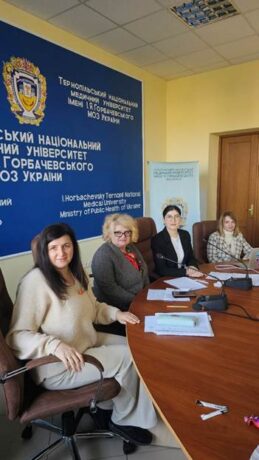
On October 21–22, 2025, the All-Ukrainian Scientific and Practical Conference with International Participation “Nursing and Modern Challenges: Paths of Development” took place at I. Horbachevsky Ternopil National Medical University. The event brought together professionals from Ukraine, Canada, Greece, Ireland, Belgium, and the United Kingdom.
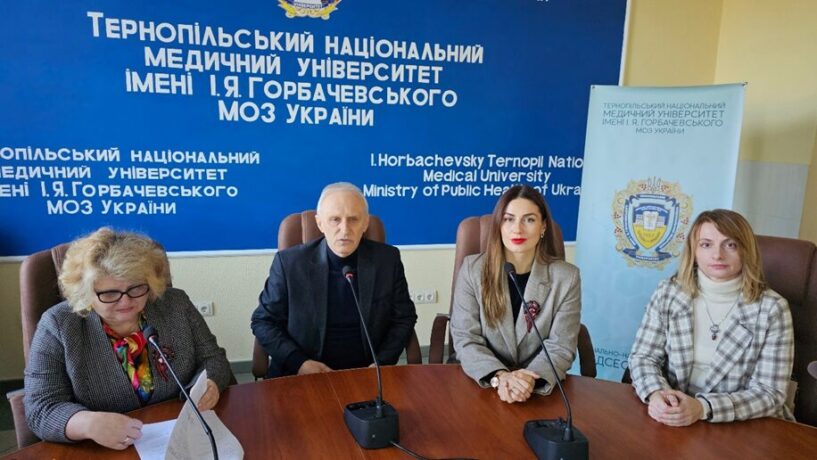
Opening remarks were delivered by Professor Mykhaylo Korda, Rector of TNMU, who officially inaugurated the conference; Kateryna Komar, Director of the State Institution “Center for Nursing Development of the Ministry of Health of Ukraine”; Olha Yarmolenko, Director of the Health Department of the Ternopil Regional Council; Vasyl Danchak, Head of the Health and Medical Support Department of Ternopil City Council; and Svitlana Danchak, Director of the TNMU Institute of Nursing.
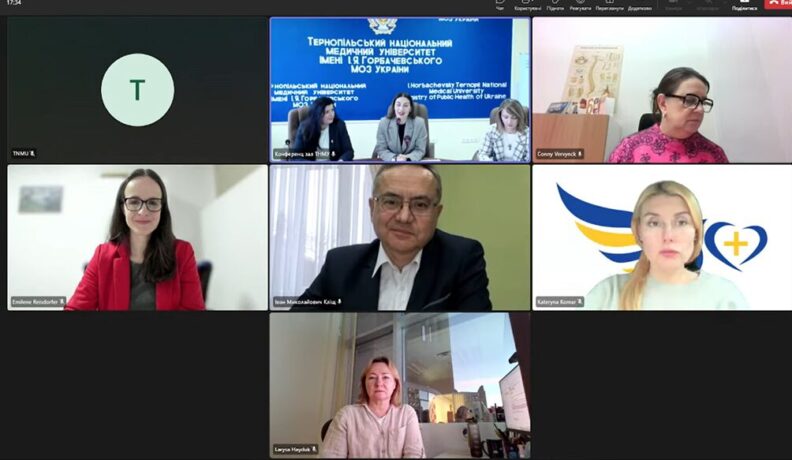
The first plenary session began with a keynote presentation by Kateryna Komar, titled “Nursing in Ukraine: New Standards, New Opportunities, New Generation.” She highlighted the transformation of modern nursing education, the implementation of European standards, the strengthening of nurses’ professional autonomy, and the expansion of their role within Ukraine’s healthcare system.
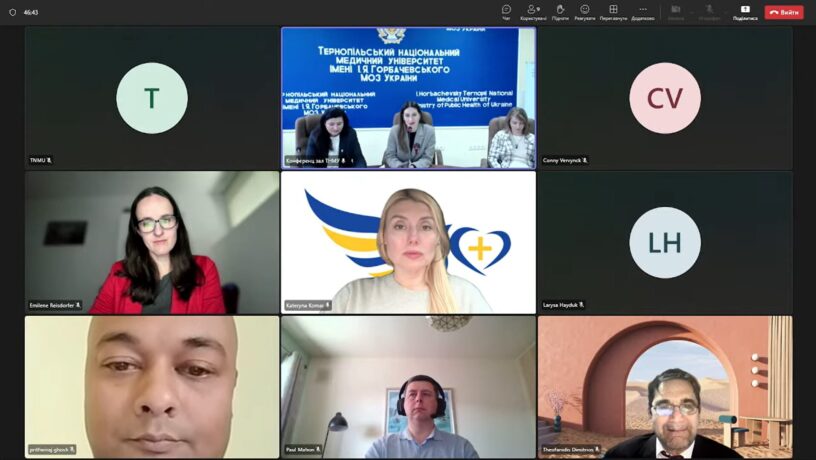
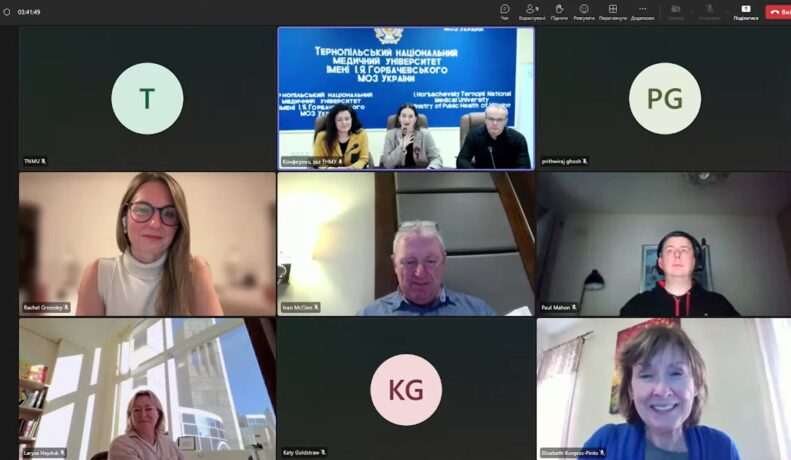
Throughout the conference, participants discussed current trends in nursing development, improving the quality of medical education, leadership, ethics, interdisciplinary collaboration, patient care innovations, and new approaches to professional growth. The event served as a valuable platform for international experience exchange, strengthening cooperation between educational and clinical institutions, and shaping a strategic vision for the future of nursing in Ukraine.
A particularly engaging presentation was delivered by Svitlana Musina, Nursing Lecturer at Vives University of Applied Sciences (Belgium), who spoke on “The Role of Education in Forming the Nurse as an Equal Partner of the Interdisciplinary Team.” She emphasized continuous professional development, clinical thinking, communication, and leadership skills as essential components in preparing modern healthcare professionals capable of working effectively in multidisciplinary environments.
Polina Huk, National Professional Officer for Nursing and Midwifery at the WHO Country Office in Ukraine, presented “The Role of WHO in Nursing Development.” Her presentation outlined the organization’s key initiatives supporting nurses’ and midwives’ professional growth, strengthening healthcare systems, and promoting leadership and international standards.
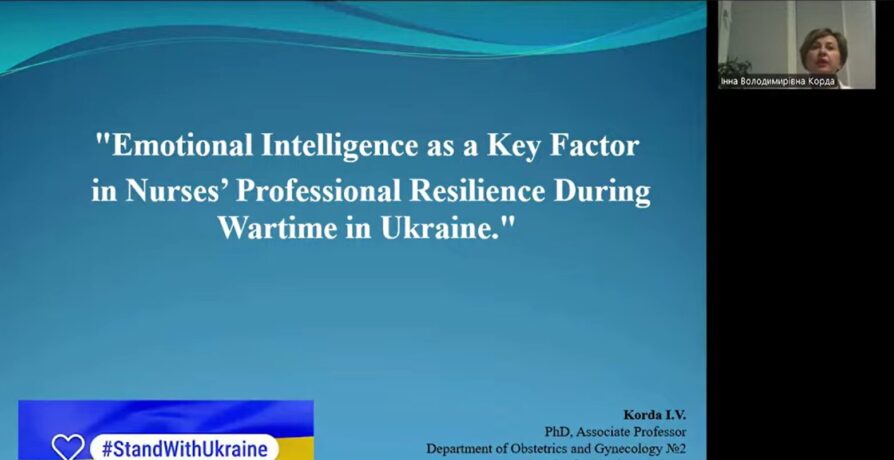
A notable contribution came from Dr. Inna Korda, Associate Professor of the TNMU Department of Obstetrics and Gynecology No. 2, with her report “Emotional Intelligence as a Key Factor in Nurses’ Professional Resilience During Wartime in Ukraine.” She emphasized that emotional awareness, regulation, and constructive expression help maintain psychological well-being and ensure high-quality nursing care even under crisis conditions.
Significant scientific interest was drawn by Professor Dinitros Theofanidis (International Hellenic University, Thessaloniki, Greece), who presented “Reviewing the Review Types in Research Methodology.” He discussed various types of review studies, their methodological distinctions, and their importance in building evidence-based nursing.
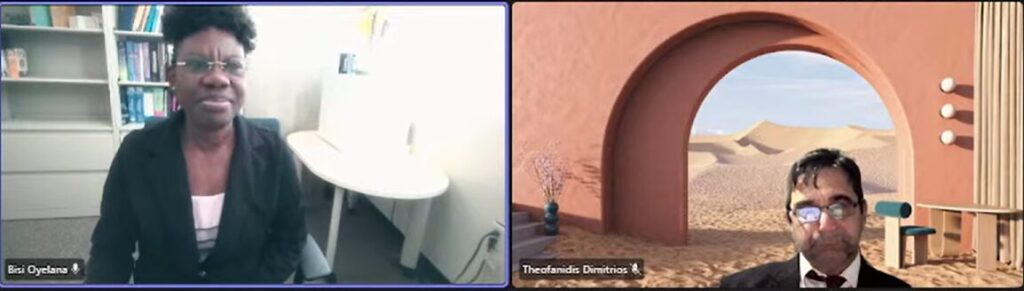
Professor Mark White, Executive Dean of the Faculty of Nursing and Midwifery at the Royal College of Surgeons in Ireland University, delivered a comprehensive lecture “Beyond Theory and Conceptual Design: The Need for Nursing Research Impact,” emphasizing the transition from theoretical models to practically meaningful research influencing health policy, clinical practice, and education.
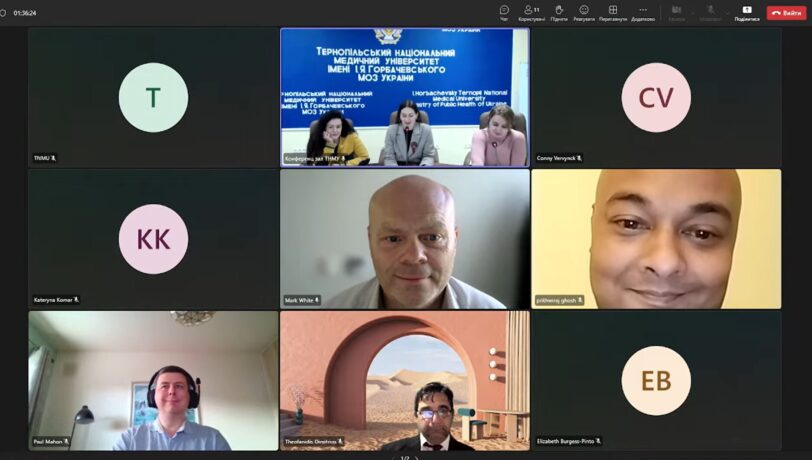
Professor Elizabeth Burgess-Pinto (Faculty of Nursing, MacEwan University, Canada) presented “Integration of Cultural Safety in Canadian Higher Education: The Experiences of Nursing and Social Work Faculty.” She highlighted approaches to embedding cultural safety in education and the importance of cultural competence as an ethical foundation of healthcare practice.
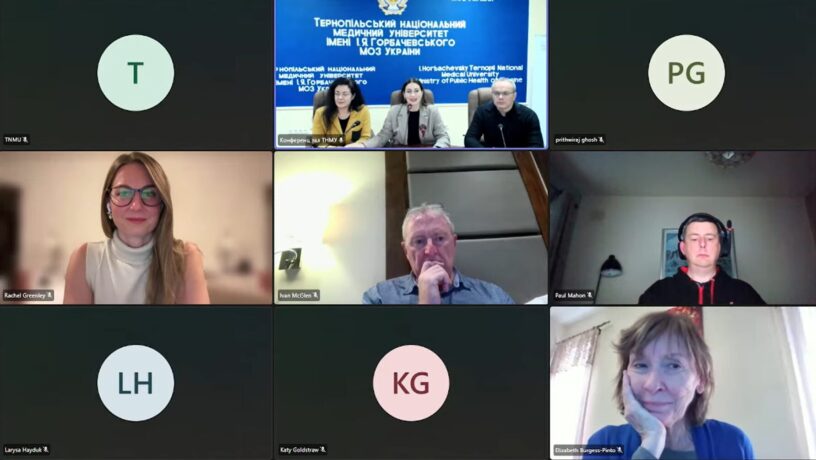
Paul Mahon, Lecturer and Researcher at the Institute of Education, Dublin City University (Ireland), shared findings from his study “Here I Come, Ready or Not! New Graduate Nurse Self-Perceived Readiness for Practice in an Irish Acute General Hospital Setting,” exploring the challenges faced by new graduates and strategies to improve their adaptation to clinical environments.

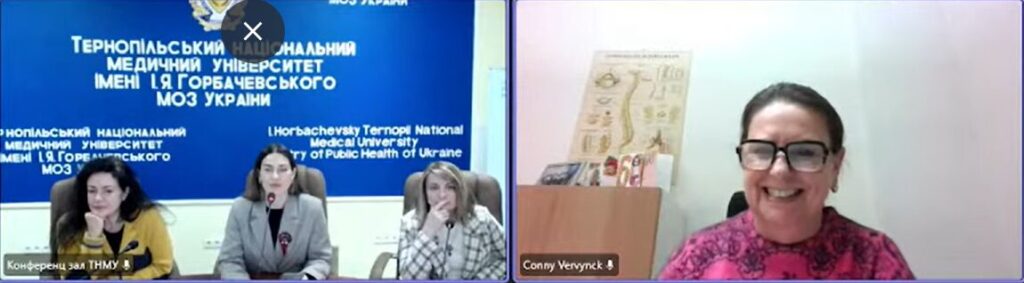
Equally insightful was the presentation by Conny Vervynck, a palliative care expert from Belgium, titled “The Importance of Working with N.E.W.S as a Nurse.” She underscored the value of the National Early Warning Score (N.E.W.S.) system in enabling nurses to identify clinical deterioration early and improve patient outcomes.
Rachel Greenley, researcher and PhD candidate at the Centre for Global Mental Health, London School of Hygiene and Tropical Medicine (UK), delivered “Resilient Communities, Empowered Nurses: Modern Challenges and Lessons from SUCCEED Africa,” presenting the outcomes of an international project aimed at strengthening nurses’ roles in building resilient communities across Africa.

The conference also welcomed Larysa Haiduk, Head of the Ukrainian Resource and Development Center at MacEwan University (Canada), who participated as an honorary guest and representative of a long-term partner university, supporting TNMU’s initiatives in nursing education and international cooperation.
Subsequent plenary sessions featured numerous poster presentations reflecting the diversity of modern nursing research, public health, education, and clinical practice. Discussions centered on professional development, evidence-based nursing, patient-centered care, and the impact of innovative technologies on healthcare quality.
The reports stimulated active debate among participants, including contributions from Dr. Ivan McGlen (School of Nursing and Midwifery, Faculty of Medicine, Keele University).
This conference became a landmark event for Ukraine’s nursing community and its international partners, uniting professionals committed to systemic change, leadership development, and the implementation of modern educational and clinical standards.
Concluding the event, participants emphasized that nursing today is not only a profession of care but also a science—a driving force behind healthcare reform and an integral part of effective interdisciplinary teams.
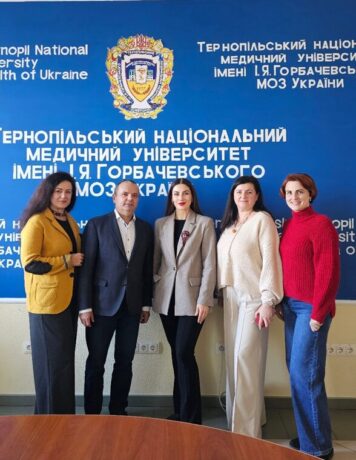
Through the joint efforts of educators, researchers, and practitioners, a new generation of nurses is emerging—ready to face modern challenges and integrate the best international practices for the health and well-being of society.