Modern Simulation Training Laboratory at TNMU: A New Step in the Training of Prosthetists and Orthotists
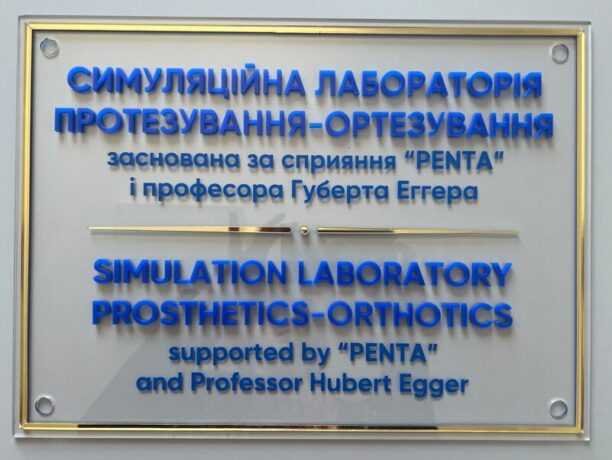
A simulation training laboratory for prosthetists and orthotists has been established at the Simulation Training Center of I. Horbachevsky Ternopil National Medical University, with the support of charitable assistance from the non-profit social enterprise Penta, Professor Hubert Egger of the University of Applied Sciences Upper Austria (FH Upper Austria), as well as DTCare, which ensured the transportation of specialized equipment to the educational institution.
The laboratory is equipped with modern components for assembling and adjusting prosthetic and orthotic devices, including hydraulic, mechanical, and electronic knee joints, universal prosthetic feet, and various types of bionic upper-limb prostheses.
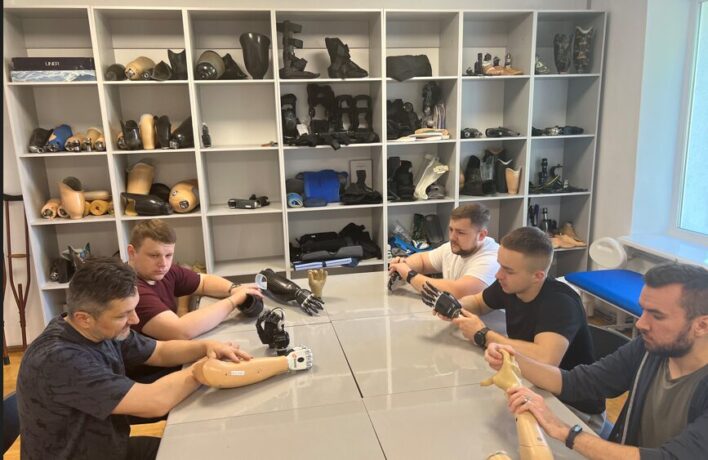
Using these prosthetic devices, prosthetics and orthotics students study the components of prosthetic constructions, master technologies for their assembly, and practice configuring and adapting them to the individual needs of patients. Students have the opportunity to develop practical skills using the provided equipment, enabling them to prepare effectively for real-life prosthetic procedures. This is particularly important in the context of the growing demand for qualified specialists in the field of prosthetics and orthotics, especially for patients affected by the war.
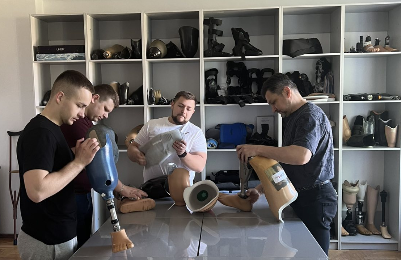
Classes in the simulation training laboratory are conducted as part of several specialized disciplines, including Fundamentals of Prosthetics and Orthotics, Technical Skills in Prosthetics and Orthotics, and selected topics within the Prosthetics and Orthotics courses. Such integration of simulation-based learning into the educational process ensures the development of practical competencies and contributes to high-quality professional training of future prosthetists and orthotists.
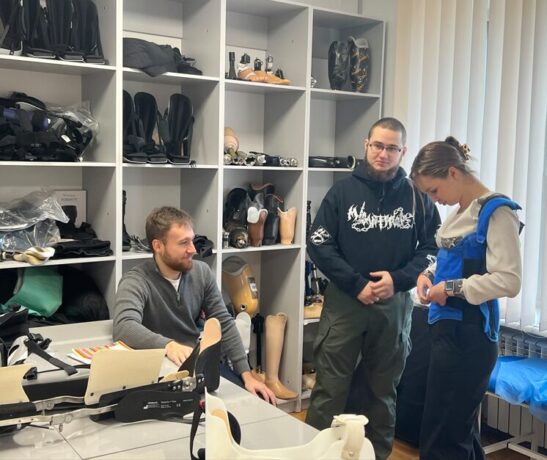
In addition to classroom-based instruction, the laboratory regularly hosts guest lectures and practical sessions involving leading specialists and innovators in the field of prosthetics and orthotics. This provides students with exposure to modern technologies, international approaches, and current trends in the field’s development, while also facilitating the integration of theoretical training with advanced clinical and engineering practice.
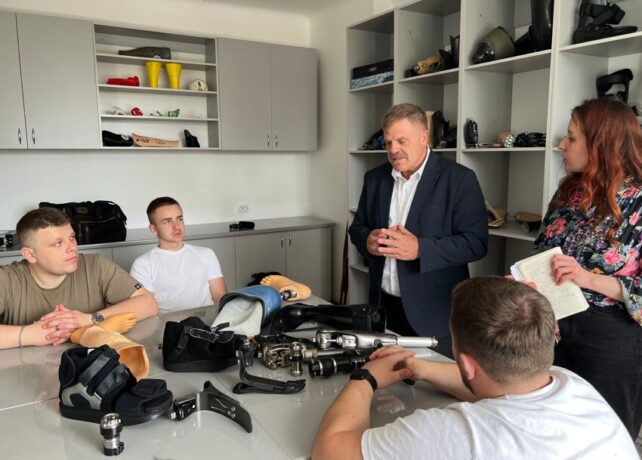
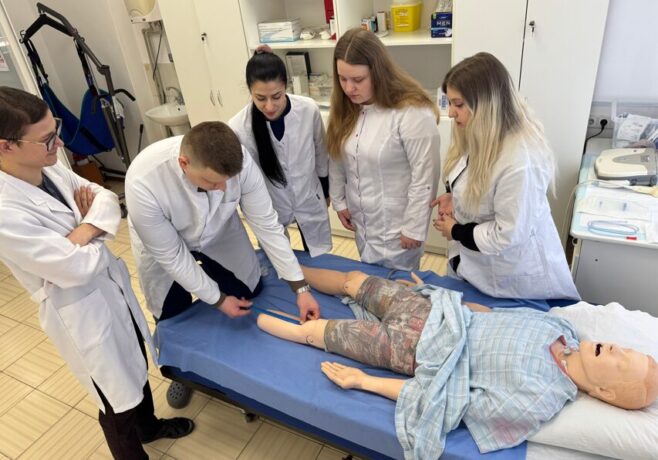
Today, the laboratory is equipped not only with prosthetic and orthotic models, but also with mannequins and additional specialized equipment necessary for effective student training and the development of practical skills, ensuring a high level of readiness of graduates for the real-world provision of prosthetic and orthotic care.