

A Ternopil National Medical University PhD Student Completed a Professional Internship within the Erasmus+ KA107 “Mobility Project for Higher Education Students and Staff” Program
Mykhailo Buchynskyi, a PhD student of the Department of Microbiology, Virology and Immunology at I. Horbachevsky Ternopil National Medical University, completed a one-year professional internship (December 15, 2024 – December 15, 2025) within the framework of the Erasmus+ KA107 “Mobility Project for Higher Education Students and Staff” at Paul Sabatier University (Toulouse, France). During this period, he implemented a research project focused on studying the molecular and genetic mechanisms of cardiovascular system aging and the development of associated pathologies, working in a research team led by Oksana Konduzova.
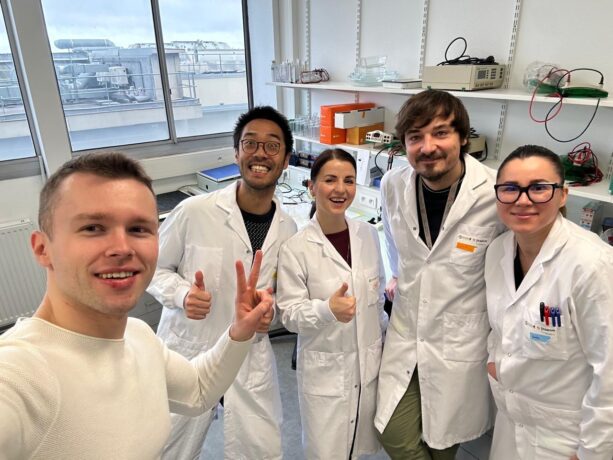
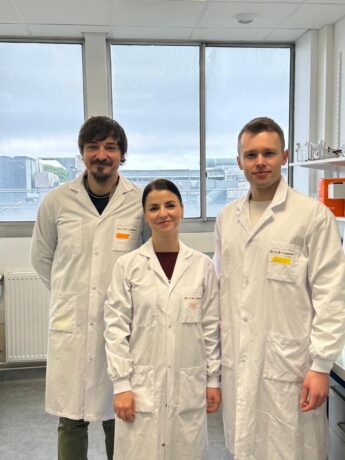
The experimental work was carried out in the laboratories of Paul Sabatier University. The direct supervisor of the project was postdoctoral researcher Matthieu Cinato, under whose mentorship the PhD student mastered modern molecular biology techniques (real-time PCR, Western blot analysis) and studied histological analysis methods using digital tools for quantitative assessment (Q-path).
The research was divided into three main blocks: histological analysis, gene expression analysis, and protein level analysis. The study’s subjects were heart tissue samples from laboratory mice. The TNMU PhD student performed a comparative analysis of cardiac tissue samples between transgenic mouse models with overexpression of the PLIN5 protein (Perilipin 5, a key regulator of lipid droplet metabolism in cardiomyocytes) and a wild-type control group. The aim was to determine how disturbances in lipid metabolism affect collagen accumulation and the development of interstitial fibrosis during aging.
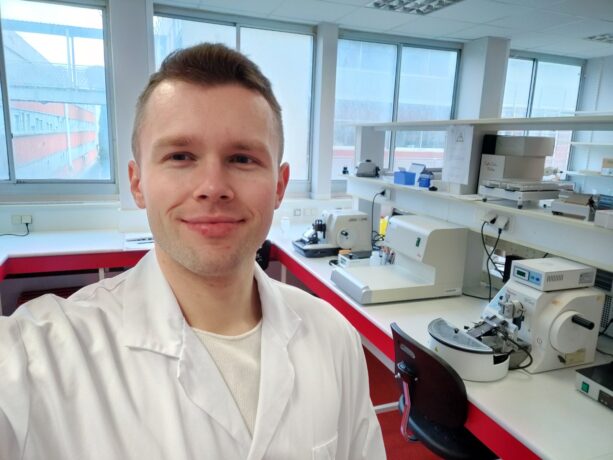
To assess the transcriptional activity of genes involved in inflammation, metabolism, and matrix remodeling, Mykhailo Buchynskyi used gene expression analysis (RT-qPCR). This comprehensive approach enabled the evaluation of changes in the genetic profile of cardiomyocytes under the influence of the studied factors.
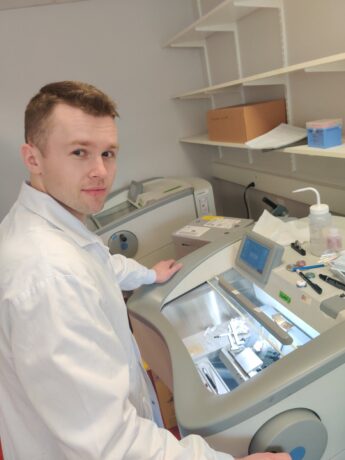
During the internship, Mykhailo Buchynskyi significantly expanded his understanding of the molecular mechanisms involved in cardiac aging and cellular transformation, and identified new therapeutic targets for preventing metabolic disorders of the myocardium that contribute to the progression of heart failure in patients with COVID-19, using a combination of clinical and experimental approaches.
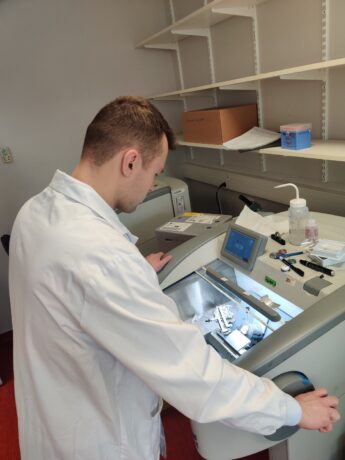
The research results were successfully validated at the international level. The PhD student participated in the Annual Congress of Translational Research FHU IMPACT.
In addition, a joint scientific article was published during the internship:
Buchynskyi, M., Kamyshna, I., Halabitska, I., Petakh, P., Kunduzova, O., Oksenych, V., & Kamyshnyi, O. (2025). Unlocking the gut–liver axis: microbial contributions to the pathogenesis of metabolic-associated fatty liver disease. Frontiers in Microbiology, 16, 1577724. https://doi.org/10.3389/fmicb.2025.1577724.
Thus, the TNMU PhD student elucidated specific molecular mechanisms involved in the metabolic reprogramming of the myocardium, established their connection with other metabolic disorders and COVID-19, and enabled the translation of these approaches into clinical practice.