TNMU Students Master Interpreting with the Support of the Professor Zbigniew Moser Foundation
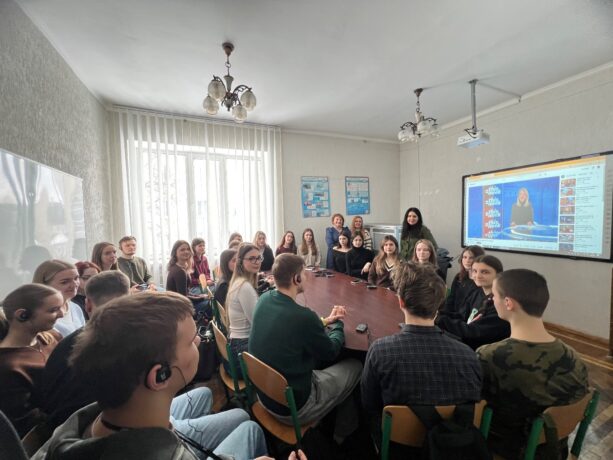
Department of Foreign Languages under the theme “Trauma. Resilience. Responsibility.” The event was dedicated to the fourth anniversary of the full-scale invasion of Ukraine by the Russian Federation and became a space for deep reflection on extremely important and, at the same time, painful issues of today — the trauma of war, human resilience, and the professional responsibility of medical practitioners.
The organization of the club meeting in a modern, well-equipped classroom was made possible by the financial support of the Professor Zbigniew Moser Foundation, which promotes the implementation of innovative approaches to language and the professional training of students.
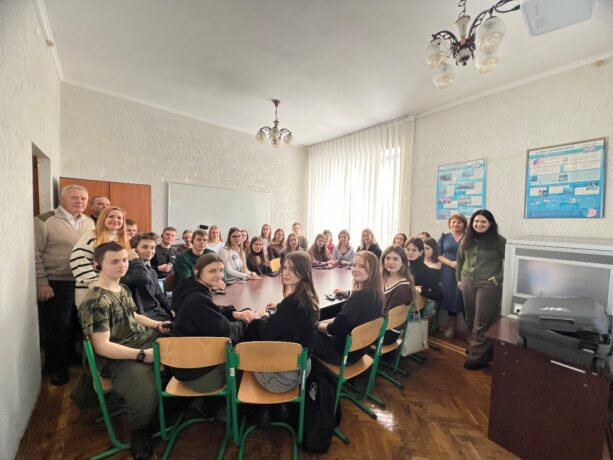
Club participants had the opportunity not only to actively engage in English discussions but also to try their hand at interpreting.
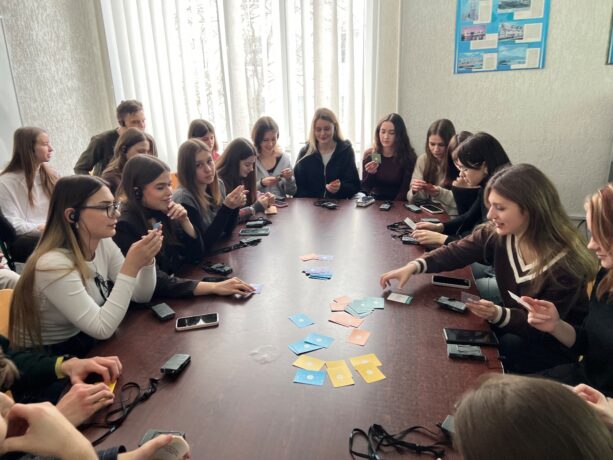
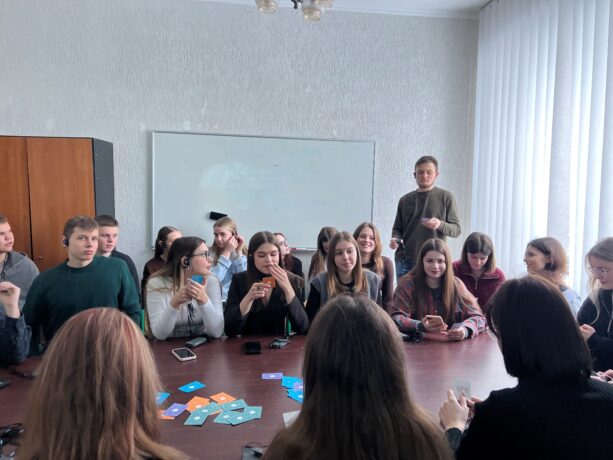
Thanks to the support of the Professor Zbigniew Moser Foundation, which funded technical enhancements to the educational process for TNMU medical students, the Department of Foreign Languages was provided with modern interpreting equipment. In particular, a tabletop interpreter booth, a conference desktop microphone, and a professional USB headset were purchased. This enabled students to perform high-quality simultaneous and consecutive interpreting of video materials dedicated to the professional activities of Ukrainian medical workers in combat zones, as well as stories of civilian victims and the nature of their injuries.
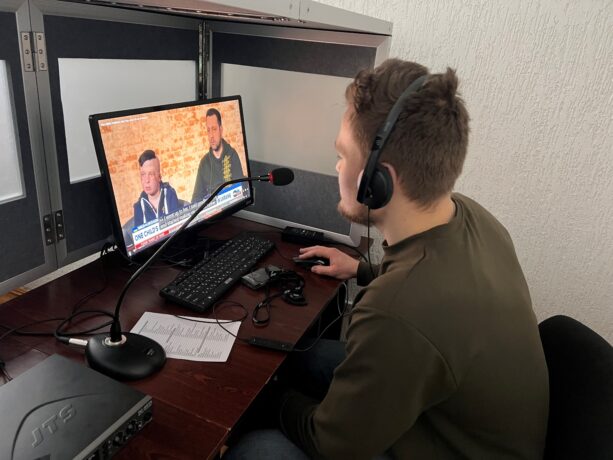
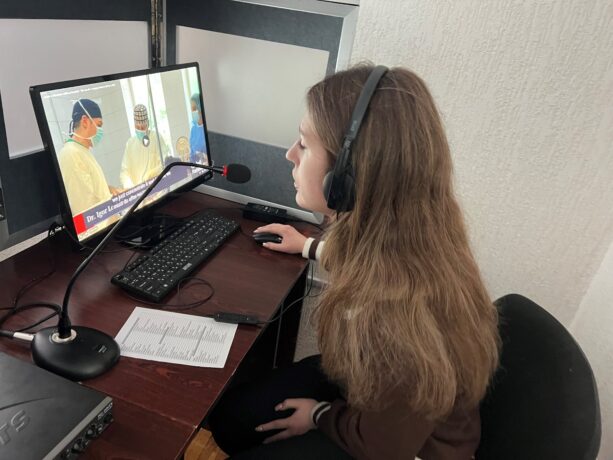
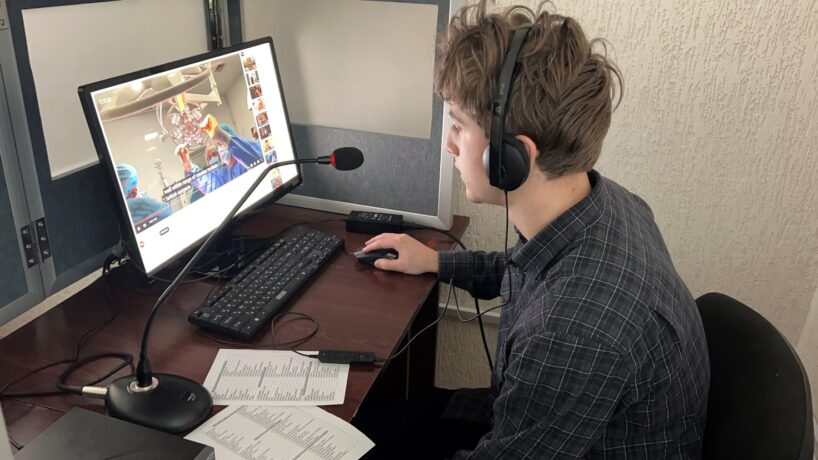
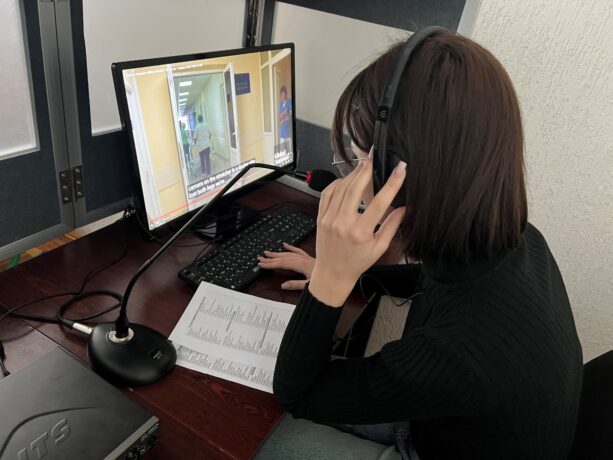
The university administration also supplied the Department of Foreign Languages with portable transmitters and a receiver, allowing other club participants to listen to their colleagues’ interpretations in real time, analyze them, and engage in professional discussion.
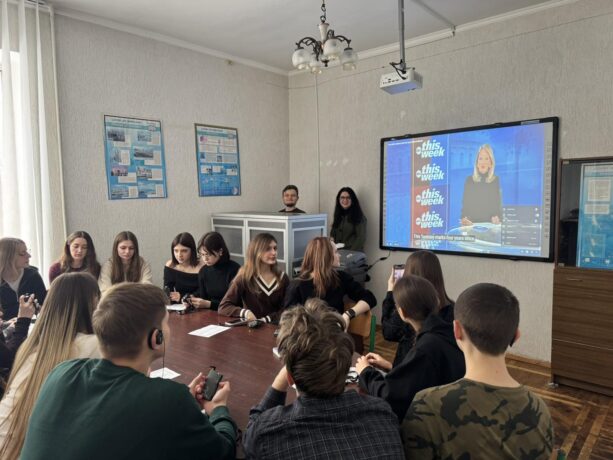
The Head of the Department of Foreign Languages, Professor Nadiia Fedchyshyn, and the department staff express their sincere gratitude to the Professor Zbigniew Moser Foundation for its significant contribution to the development of the department’s material and technical base, as well as to the university administration for its comprehensive support of educational initiatives. The equipment provided significantly expands students’ practical training opportunities, promotes the development of their language, interpreting, and professional competencies, and addresses contemporary challenges in medical education.