

Drug Addiction: A Modern Challenge for Young People
The Department of Emergency and Simulation Medicine organized a meeting for paramedic students with graduates of I. Horbachevsky Ternopil National Medical University. The invited speakers were Andrii Yasinovskyi, a narcologist and psychotherapist at the Kozova Central District Hospital, and Andrii Zarusinskyi, a psychiatrist, medical methodologist, and founder and head of the First Regional Massage Courses in Ternopil and the region, who has over 25 years of experience teaching massage.
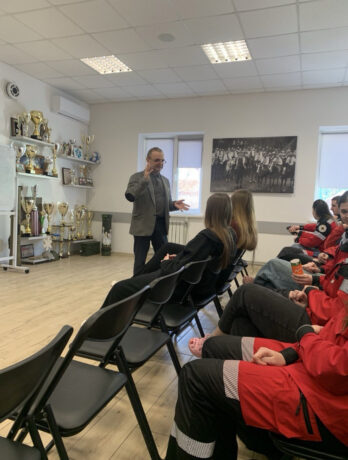
alcohol addiction, as well as the importance of maintaining a healthy lifestyle.
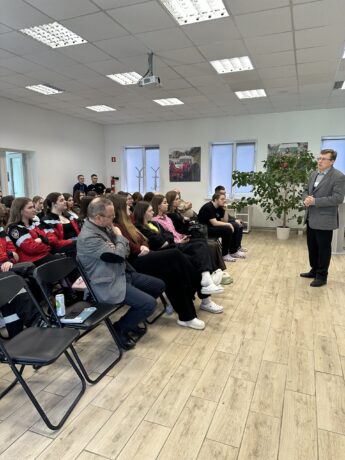
The event was opened by Professor Arsen Hudyma, who emphasized that effective human functioning depends not only on proteins, fats, carbohydrates, micronutrients, and vitamins, but also on biologically active substances. Unfortunately, these include alcohol, tobacco, and drugs. The major danger of such substances lies in their dose-dependent effects. Once a certain threshold is reached—an individual level for each person—these substances can lead to addiction that harms both mental and physical health.
According to Andrii Yasinovskyi, there are two main reasons why people abuse psychoactive substances. The first is the search for pleasure or euphoria. The second is therapeutic—an attempt to escape feelings of depression, anxiety, or emotional distress. Each year, more people become dependent on psychoactive substances that have toxic effects on virtually all organs and systems of the body, particularly the brain. These substances affect specific brain structures, producing psychotropic effects that ultimately lead to addiction. The neurophysiological mechanism behind this process involves a positive emotional response to the chemical substance, which stimulates the release of neurotransmitters from the catecholamine group, primarily dopamine.

In recent years, Ukraine has been steadily moving toward what experts describe as a national crisis, as the number of people with drug dependence continues to grow rapidly, by an estimated 15–20% each year.
Synthetic drugs such as alpha-PVP and synthetic cannabinoids pose a particularly serious threat. Their popularity among young people is increasing due to their easy availability and relatively low cost.

Another major factor contributing to the spread of drug addiction is the ongoing war. People who experience severe stress, the loss of loved ones, forced displacement, or psychological trauma become especially vulnerable to psychoactive substance use.
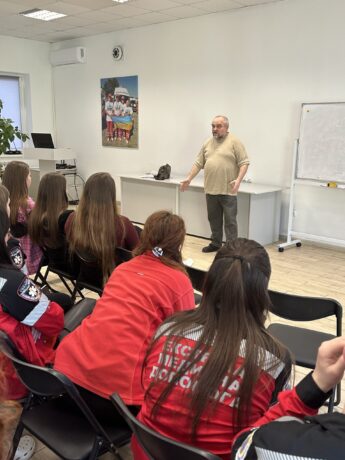
Specialists report that the largest increase in new cases of addiction is observed among individuals facing difficult life circumstances. This often results in:
- disability;
- a growing number of HIV infections;
- cases of overdose and death;
- suicide attempts among about 10% of people with drug addiction.
At the same time, drug addiction is not a life sentence.
Seeking help as early as possible is essential. In the early stages, addiction may still be managed with a relatively short course of therapy. However, long-term substance abuse often develops into a chronic condition that is far more difficult to control. Timely treatment can prevent serious complications, preserve mental health and working capacity, and ultimately save lives.
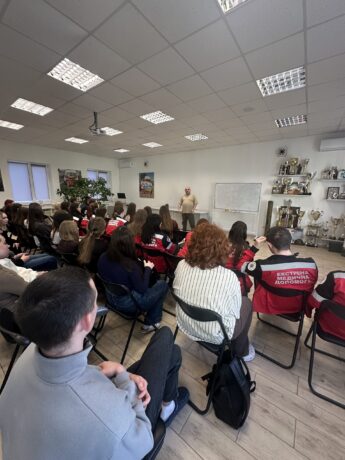
Andrii Zarusinskyi emphasized that a healthy lifestyle begins with finding meaning in life and learning to appreciate experiences that bring satisfaction without harming the body. He noted that during their studies at the university, students should strive to gain as many additional competencies as possible alongside their main field of study. This helps them better realize their individual potential and achieve both personal and professional fulfillment.
One such area is massage therapy. According to the speaker, the First Regional Massage Courses in Ternopil provide a solid foundation for mastering essential massage techniques, proper ergonomics during procedures, and relaxation massage methods. With further professional training, these skills can be developed into a wide range of therapeutic practices.
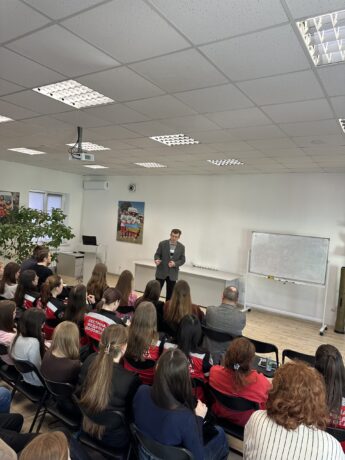
The speakers also answered numerous audience questions.
The meeting concluded in a friendly and relaxed atmosphere.