

Another Eco-Regional Studies Meeting Dedicated to Central Ukraine Held at the Department of Physiology with Bioethics
Another ecological and regional studies meeting dedicated to the central regions of Ukraine was held at the Department of Physiology with Bioethics.
The meeting was opened by the Head of the Department, Professor S. N. Vadziuk, who reminded those present that the powerful and highly developed Dnipro region has given Ukraine not only the global fame of its iron ore basin and space industry, but has also preserved the memory of its heroes — from the Zaporizhian Cossacks to the soldiers of the UPA and modern defenders of Ukraine, who are treated at the renowned Mechnikov Regional Clinical Hospital.
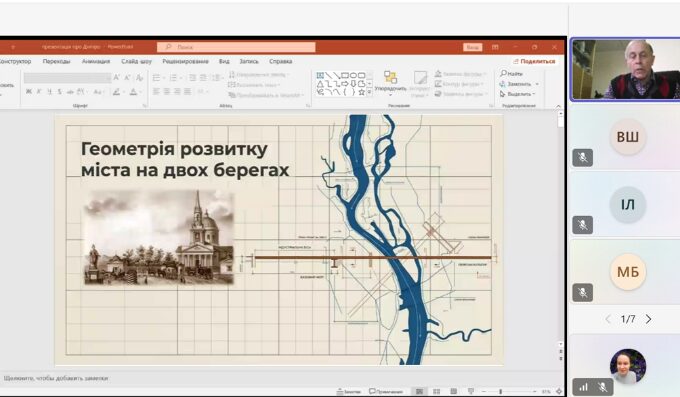
The first presentation, about her hometown Dnipro, was delivered by student Alina Rakhimova (MM-233). Today, this city reflects the multifaceted history of central Ukraine: from ancient settlements to a modern industrial, scientific, and defense center. The area has been inhabited since the Paleolithic era; important historical sites include Monastyrskyi Island, the Polovytsia settlement, and Novi Kodaky. Monastyrskyi Island is associated with legends about Apostle Andrew and ancient fortifications from the Cossack era.
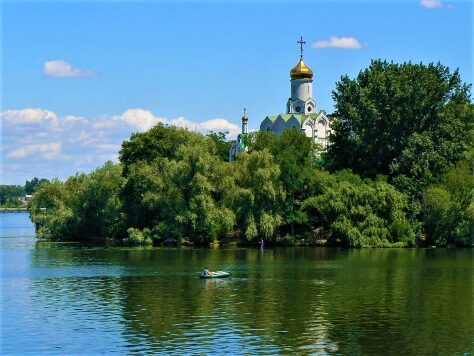
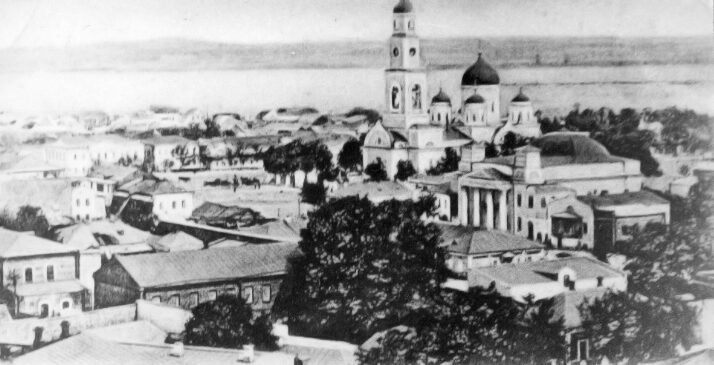

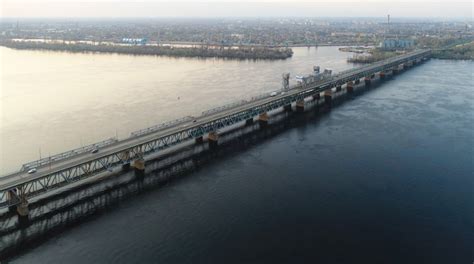
Dnipro boasts a rich architectural and cultural heritage: the Transfiguration Cathedral, Monastyrskyi Island with St. Nicholas Church, the “Battle for the Dnipro” diorama, the longest embankment in Europe, Lazar Hloba Park, and the unique Merefo-Kherson Bridge. An important medical institution is the Mechnikov Regional Clinical Hospital (founded in 1798), which today is one of the leading centers for treating the wounded.
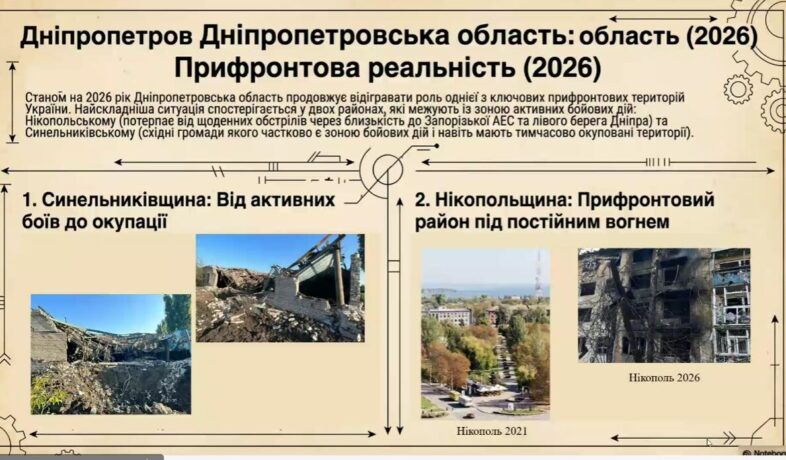
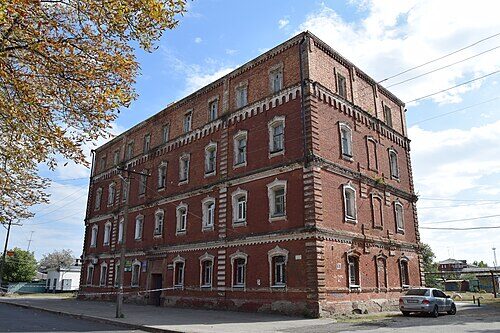
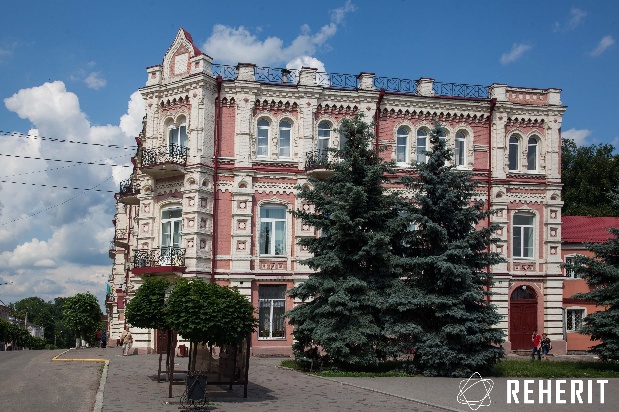
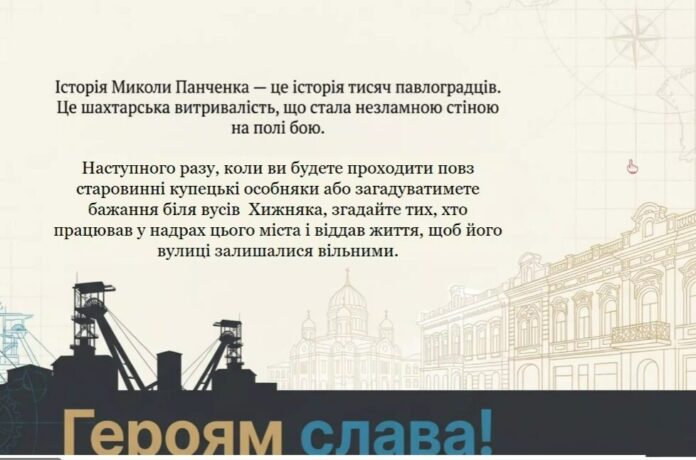
Student Veronika Sheliuto (MM-233) introduced participants to her hometown, Pavlohrad. The history of this important center of Western Donbas dates back to the 1770s, when Zaporizhzhian officer Matvii Khyzhniak founded a winter settlement there. Surrounded by the Vovcha, Kocherha, and Hnizdka rivers, the settlement was initially called Matviivska Sloboda. It was part of the Samara palanka of the Zaporizhzhian Host, giving modern residents reason to consider themselves true descendants of the Cossacks. Today, Pavlohrad is a modern city with over 100,000 residents, developed infrastructure, museums, and a theater.


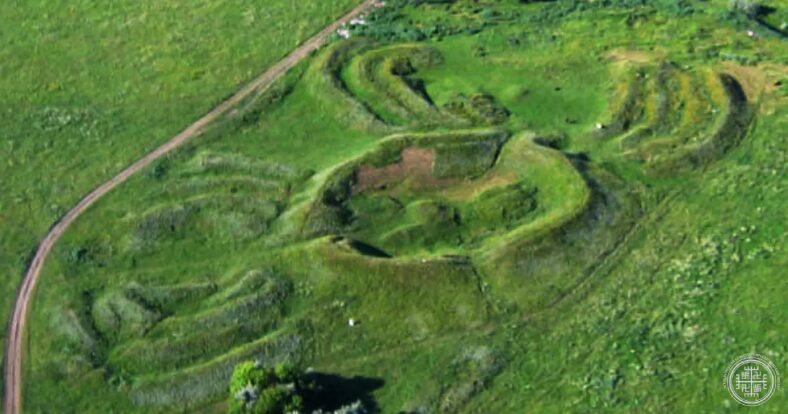
Near the city lies one of the most mysterious landmarks of the region — the Mavrinskyi Maidan, or “Mavrinskyi Spider.” This unique formation, over 5,000 years old, continues to spark debate among archaeologists, with theories ranging from a ritual complex to a geological phenomenon.
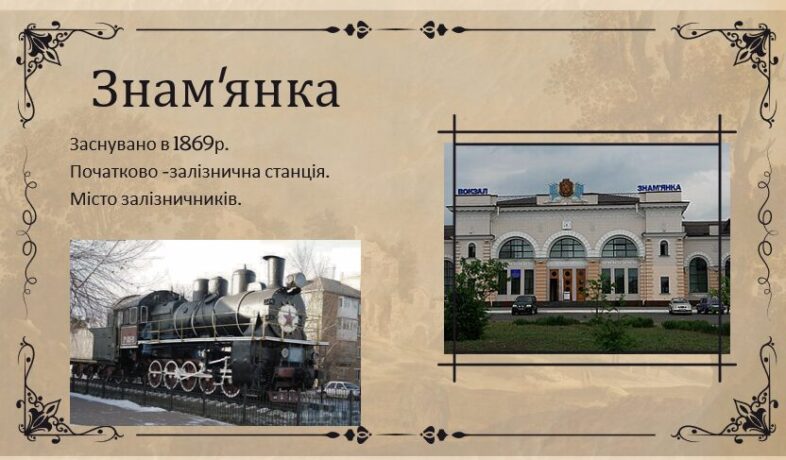
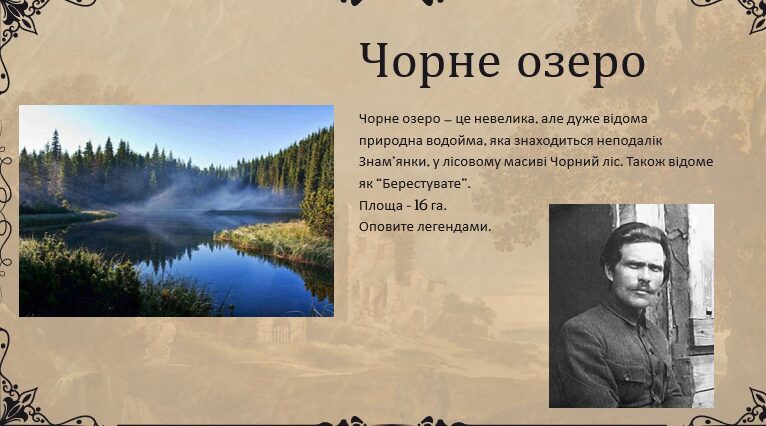
The final presentation of the meeting, delivered by student Iryna Hlushchenko (MM-220), was dedicated to Znamianka — a city whose history is closely tied to the railway and the development of Ukraine’s transport infrastructure. It was founded in 1869 during the construction of the Odesa–Kharkiv railway as a small station in the steppe. Due to its advantageous location, Znamianka quickly developed into an important railway hub, around which urban life began to form.

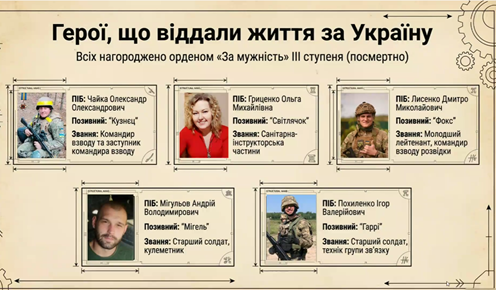
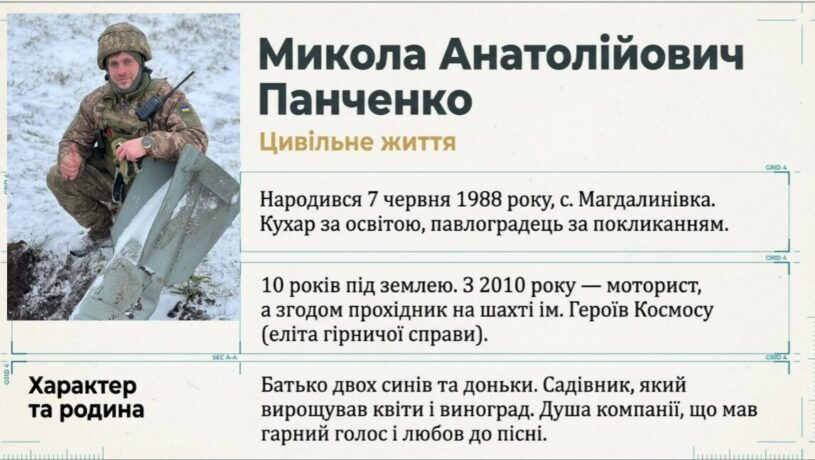
Although not a frontline city, Znamianka feels the impact of the war daily — through losses, support for the military, and attacks on infrastructure. The community actively supports the Armed Forces of Ukraine, and many residents have taken up arms to defend the country. The names of heroes such as Oleksandr Romanenko (a native of the city, a railway worker who died at the front in 2026) and Yevhenii Olefirenko (who worked at a locomotive depot and died while serving in the Air Assault Forces) will forever remain in the city’s memory as symbols of courage and devotion to Ukraine.