

Advanced Training Courses on Developing Communicative Competence of Teachers Held at TNMU
From March 10 to 26, 2026, the team of the Center for Teaching Excellence at I. Horbachevsky Ternopil National Medical University organized and conducted advanced training courses for the university’s academic staff on the topic: “Communicative Competence of a Teacher: From Mindful Communication to Professional Mediation.”
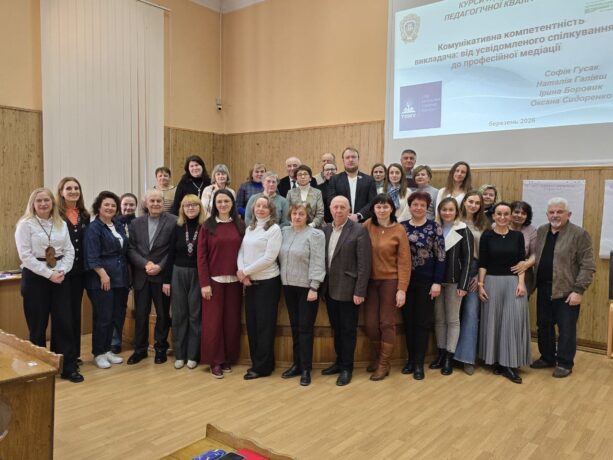
The training was delivered in a hybrid format and brought together 70 TNMU faculty members, who had the opportunity to deepen their knowledge and enhance their practical skills in effective professional communication.
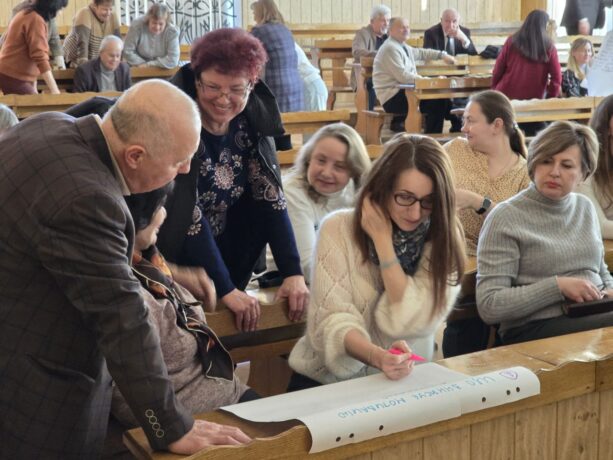
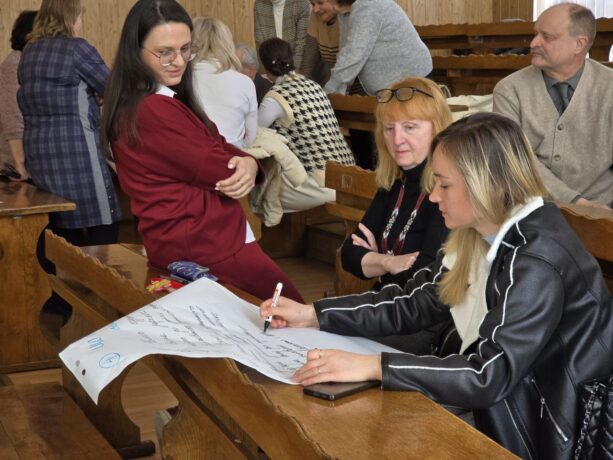
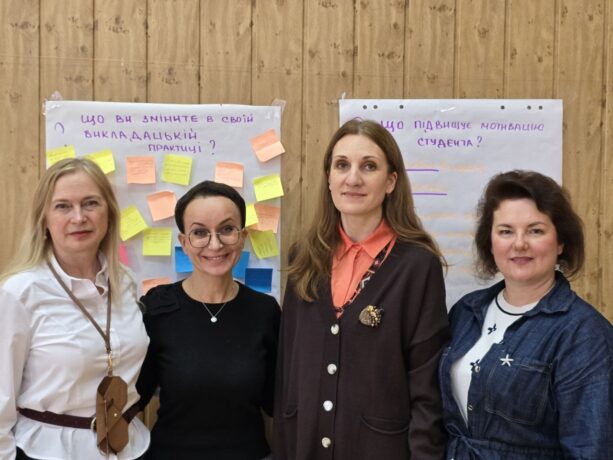
The first in-person session focused on the specifics of adult learning. Participants explored the theoretical foundations of andragogy and constructivism and, through the interactive “World Café” method, analyzed factors in the educational environment that influence both motivation and demotivation among teachers and students. This approach enabled participants not only to systematize their knowledge but also to exchange experiences with colleagues.
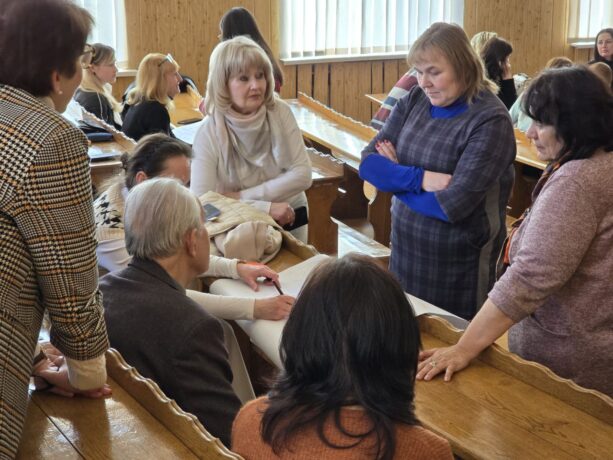
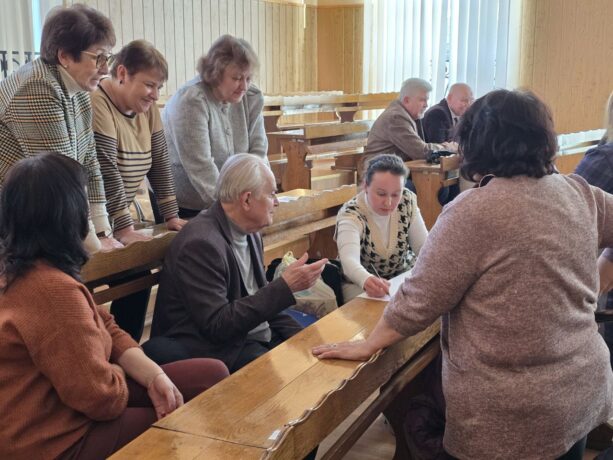
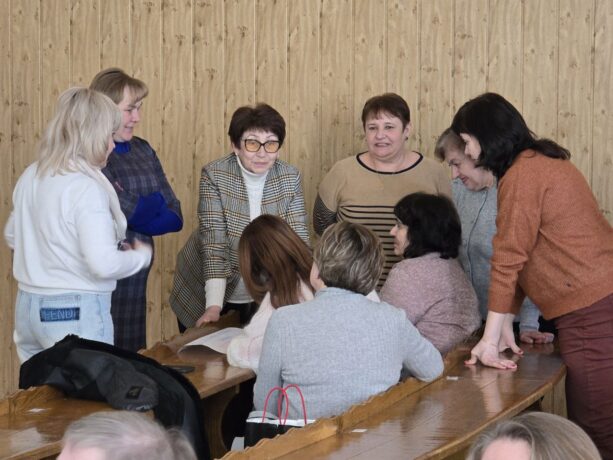
The second in-person session addressed an extremely important topic for both medical and educational practice — delivering bad news. Participants worked with the SPIKES protocol, mastering a structured approach to difficult communication. The “fishbowl discussion” method was used for reflection and discussion, allowing participants to actively test this format in practice. According to feedback, this approach facilitated deeper understanding and the development of metacognitive skills.
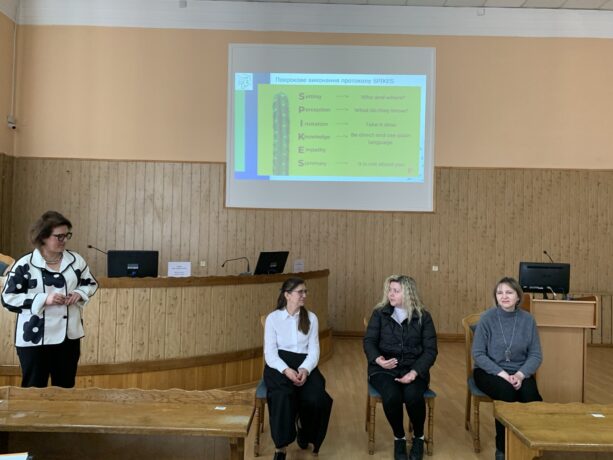
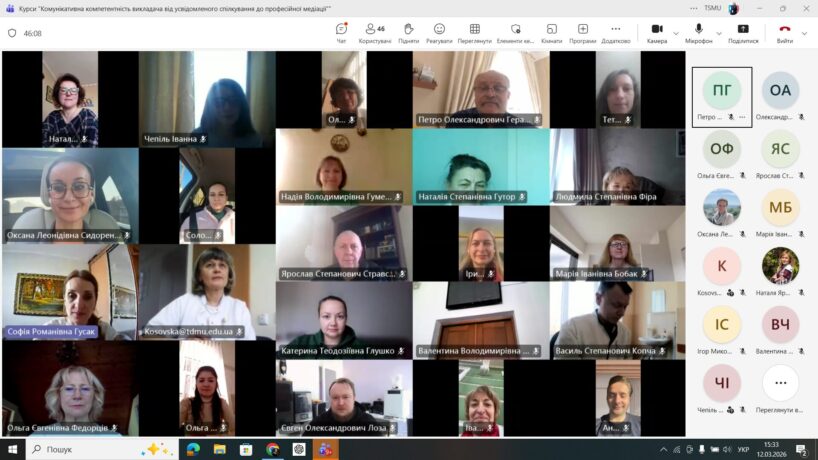
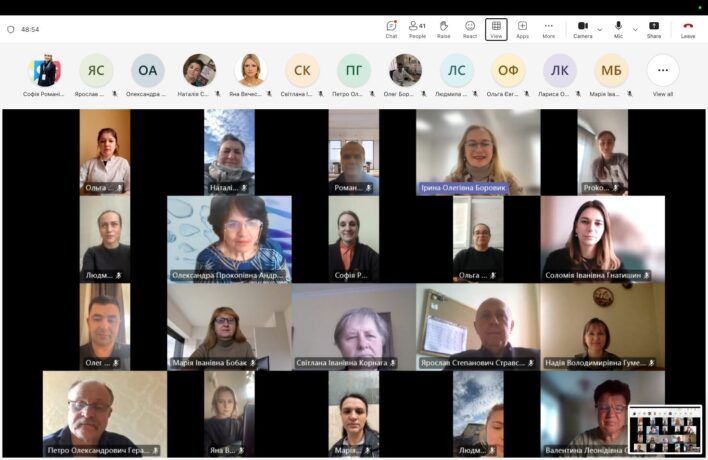
Due to an air raid alert, the third session was held online. During this session, participants discussed a range of relevant topics, including ethical and professional boundaries in education and healthcare, principles for building healthy relationships, shared decision-making as a new paradigm of doctor–patient interaction, and effective feedback and facilitation in the educational process. Particular attention was paid to the principles of nonviolent communication, including the use of “I-statements” in professional interactions.
The courses were delivered by a team of associate professors — Sofiia Husak, Nataliia Haliash, Iryna Borovyk, and Oksana Sydorenko — who have extensive experience in medical education and the development of communication skills. Based on the training results, participants provided positive feedback, highlighting the practical value, interactivity, and relevance of the content.
The organizers expressed hope that such courses will foster a culture of effective, ethical, and human-centered communication within TNMU’s educational environment.