

TNMU Delegation Participates in International Training on the Implementation of the ESI Triage System
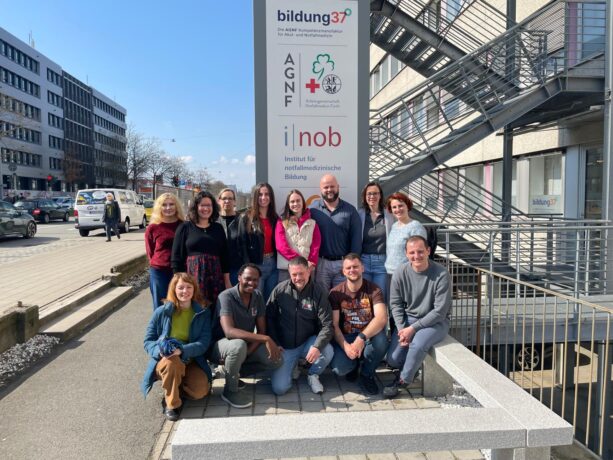
From March 18 to 27, 2026, a delegation from I. Horbachevsky Ternopil National Medical University took part in a professional training program held in the cities of Fürth and Nuremberg (Germany) on the implementation of the Emergency Severity Index (ESI) triage system.
This training was part of a project implemented with the support of the German Society for International Cooperation (Deutsche Gesellschaft für Internationale Zusammenarbeit, GIZ) and the “Hospital Partnerships” program (HospitalPartnership). Project partners include the Working Group on Emergency Medicine in Fürth (Arbeitsgemeinschaft Notfallmedizin Fürth e. V., AGNF), the National Rehabilitation Center “Unbroken,” and the Steinbeis Transfer Center.
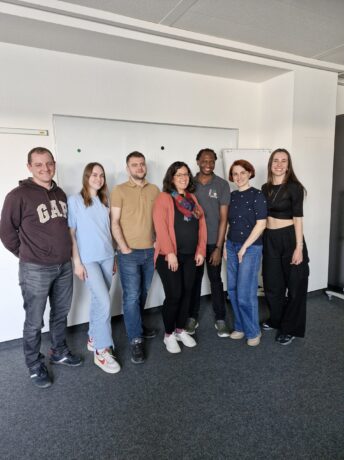
The TNMU delegation included:
• Roman Huk — Assistant at the Department of Emergency and Simulation Medicine;
• Iryna Yavorska — Assistant at the Department of Higher Nursing Education, Patient Care, and Clinical Immunology.
The main goal of participation was to enhance the professional competencies of academic staff, familiarize them with modern European approaches to patient triage, and prepare for the further implementation of the Emergency Severity Index (ESI) system in Ukraine.
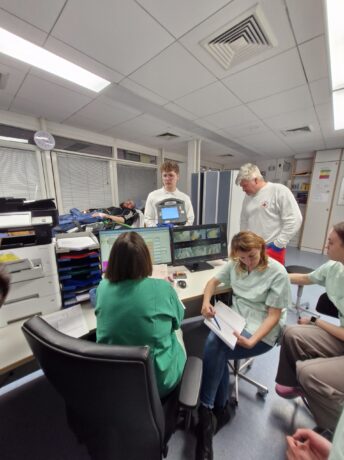
During the training, participants studied theoretical foundations and took part in practical sessions focused on applying the Emergency Severity Index (ESI), an internationally recognized system for assessing patient conditions. It is widely used in emergency departments and improves patient safety and prioritization efficiency through a five-level triage system.
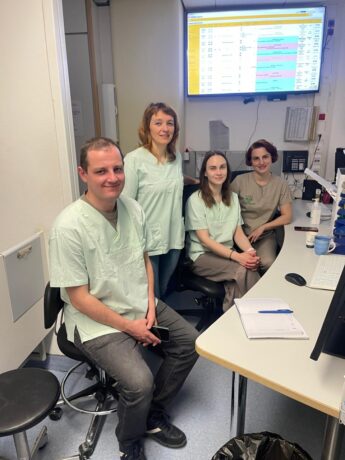
An important component of the training was hands-on observation of the organization of emergency departments in clinics in Fürth and Nuremberg. Participants had the opportunity to directly observe the work of triage nurses, patient admission procedures, and clinical decision-making algorithms. This allowed them to identify differences in task distribution, patient flow organization, as well as the use of digital tools and process standardization—key aspects for adapting best European practices in Ukrainian healthcare institutions.
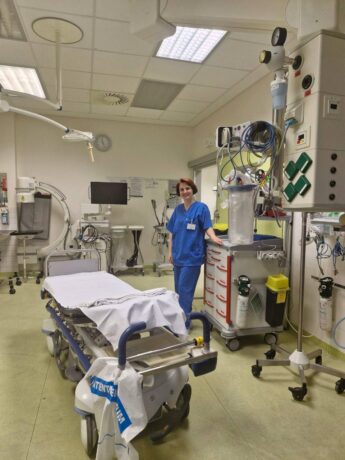
The implementation of a standardized triage system is highly relevant for Ukraine, especially under conditions of increased pressure on the healthcare system. The application of ESI will contribute to improving the quality and safety of medical care and bringing national healthcare closer to European standards.
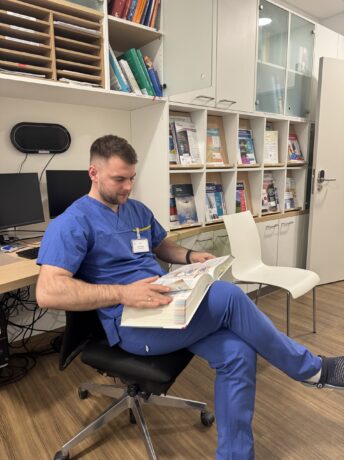
Within the framework of international cooperation, the TNMU team, together with partners including the National Rehabilitation Center “Unbroken” and the Steinbeis Transfer Center, also contributed to the preparation of future trainers to further disseminate knowledge and practices in Ukraine.
Participation in the training facilitated the establishment of new professional contacts, the development of international scientific cooperation, and the enhancement of the university’s international visibility. The acquired knowledge and skills will be integrated into the educational process and practical training of future medical professionals.