

TNMU Medical Faculty Dean and Department of Foreign Languages Staff Meet with Students of the Applied Linguistics Programme
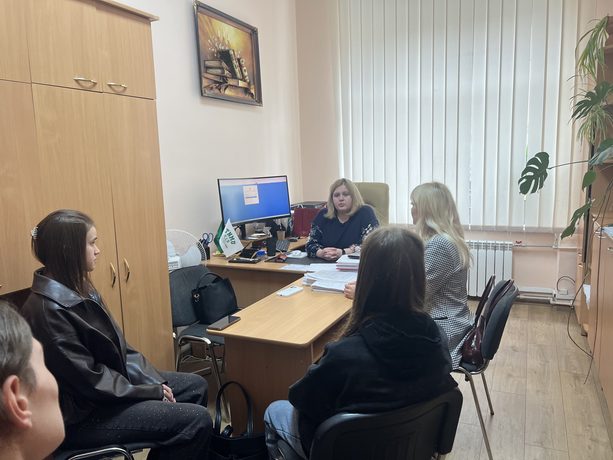
After the first month of study at TNMU, which was a period of adaptation and familiarization with the University’s academic environment, students enrolled in the educational and professional programme “Applied Linguistics. Medical Terminology and Specialized Translation (English)” met with representatives of the Medical Faculty and the Department of Foreign Languages. The meeting was attended by Svitlana Kucher, Dean of the Medical Faculty; Tetiana Khvalyboha, Head of the Educational and Professional Programme; and Nataliia Yelahina, Acting Head of the Department of Foreign Languages.
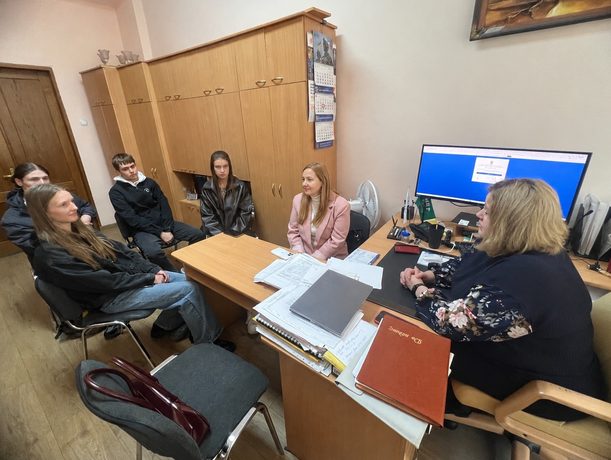
The main purpose of the meeting was to communicate directly with students and discuss current organizational issues related to studying under the new educational and professional programme. The participants discussed the organization of the educational process, the distribution of the academic workload, the specifics of elective courses, the ways students interact with departments and the Faculty administration, as well as other issues that may arise during their studies.

Particular attention was paid to opportunities for further improving the educational process and creating a comfortable and effective learning environment for students. The students had an opportunity to ask questions and share their wishes and suggestions regarding their studies.
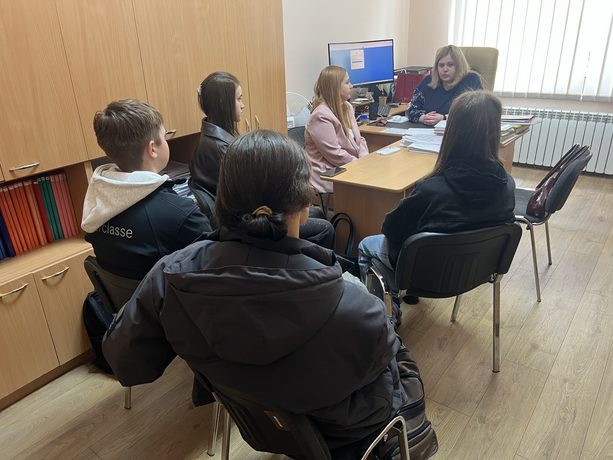
Such meetings are an important part of implementing the educational and professional programme, as they help ensure students’ individual educational trajectories, respond promptly to current issues, and maintain continuous feedback between students, academic staff, and the University administration.
The educational and professional programme “Applied Linguistics. Medical Terminology and Specialized Translation (English)” is a new interdisciplinary programme at TNMU that combines linguistic training, applied linguistics, and specialized (medical) translation. Its implementation within a medical university provides students with a unique opportunity to develop language and translation competencies directly in a professional medical environment, which is one of the programme’s distinctive features.