


TNMU is implementing the latest digital technologies in OSCE
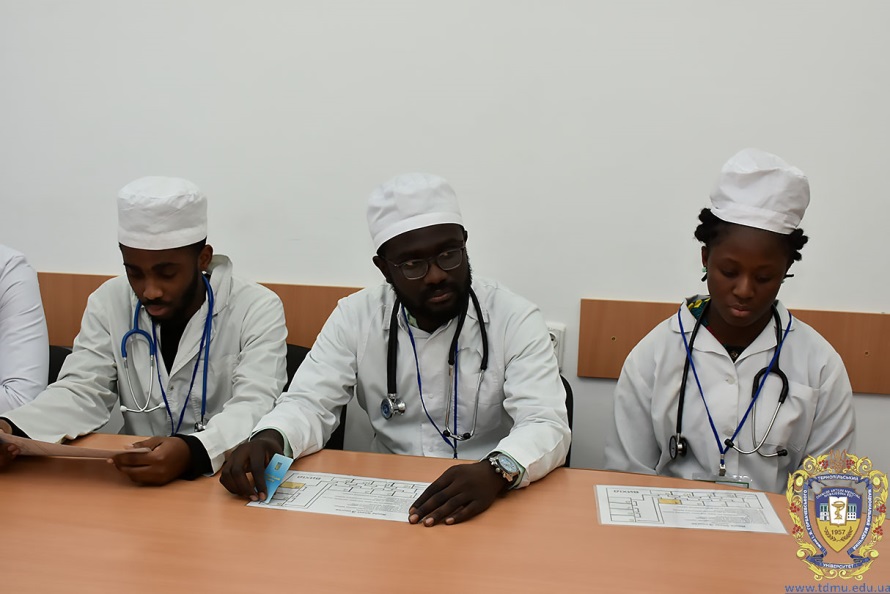
On November 27-28, 2019, the Objective Structured Clinical Examination (OSCE) was held at I. Horbachevsky Ternopil National Medical University. It was conducted for the second time and in accordance with its basic principles. The examination was taken by the 3rd year medical students of the Intrenational Students’ Faculty.
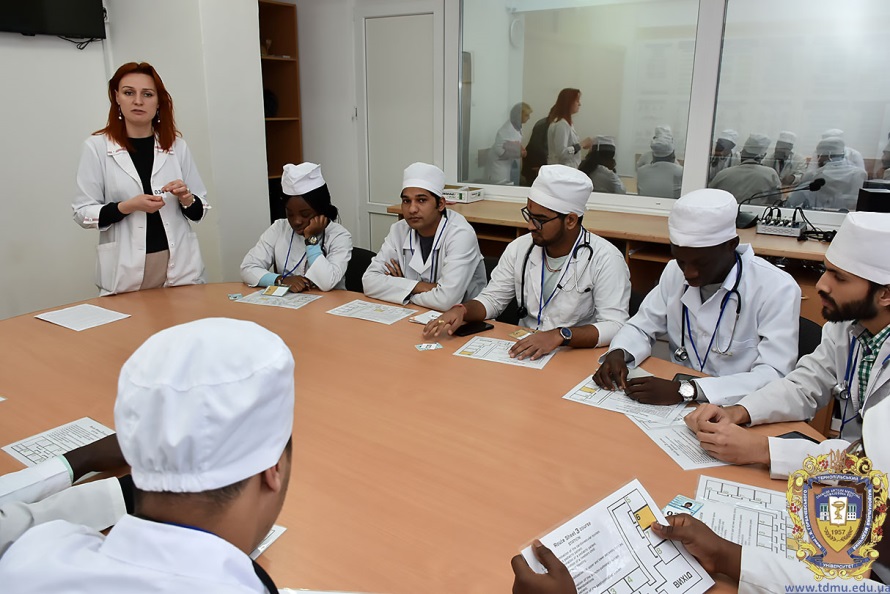
This exam is an integral part of student learning quality and practical skills assessment. Its main principles are objectivity (task of equal complexity for all students, evaluation by checklist), structure (ensuring clear passage of the “route” and equal length of time to complete the task for all students), clinicality (simulation of clinical situations and use of equipment, as close as possible to the real ones).
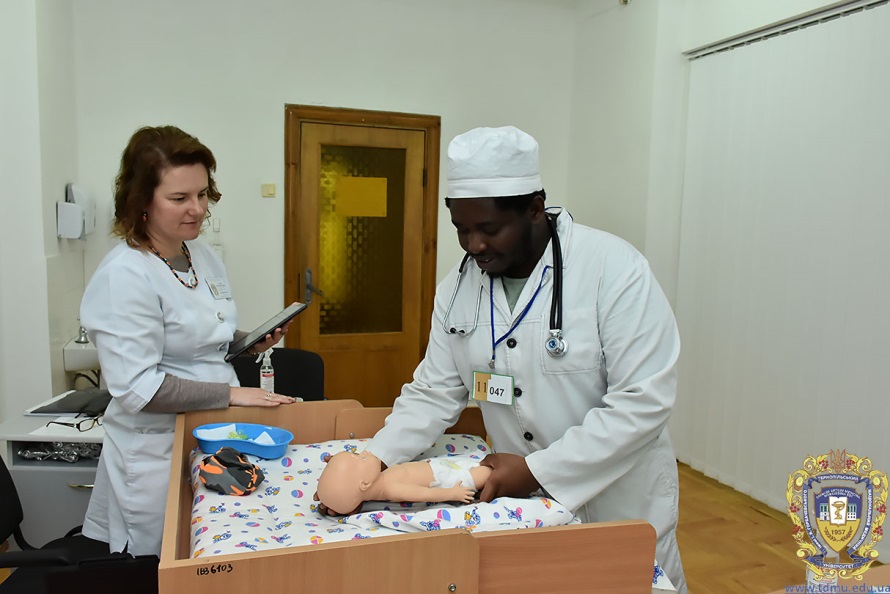
OSCE allows to evaluate different levels of skills: communication skills; practical (manual) skills: basic practical (manual) skills – technique of performing physical examination; complicated practical (manual) skills – physical examination in order to identify and interpret pathological changes (symptoms and syndromes); visual identification of signs; use of multimedia resources; manipulation; cognitive skills.

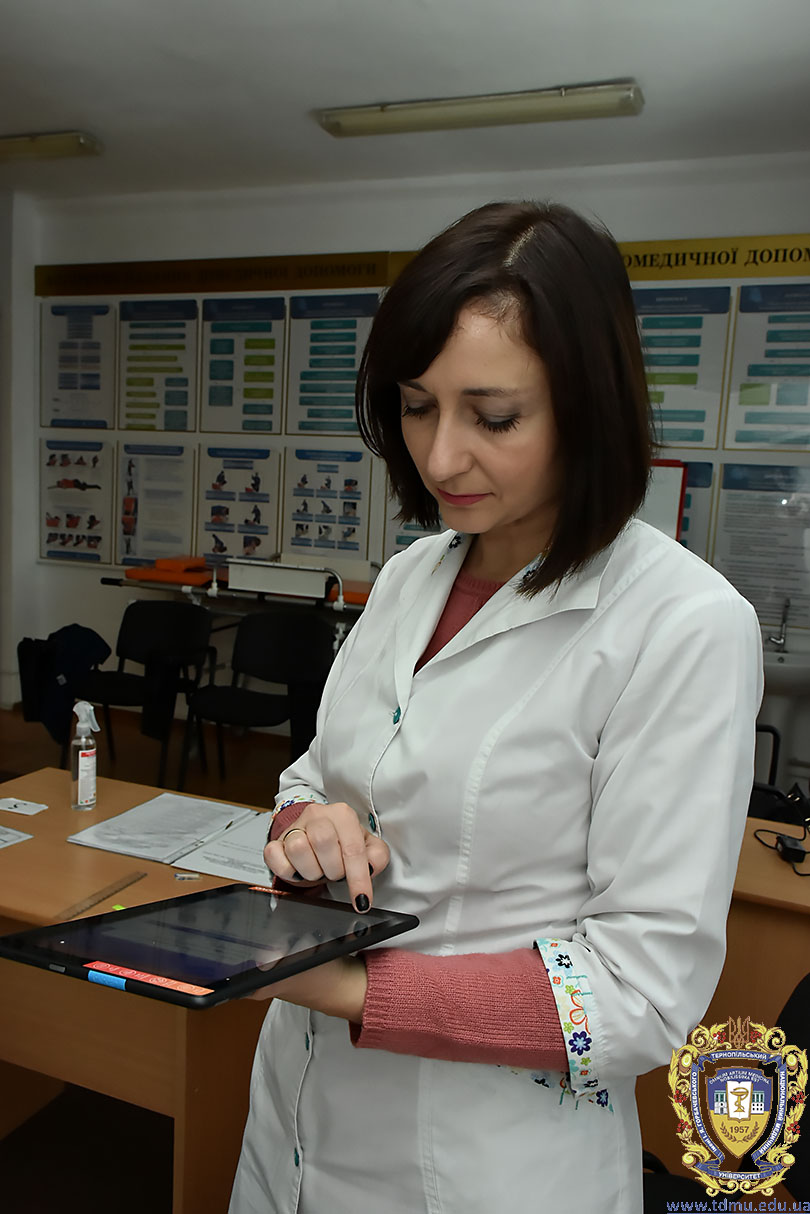
This year, a peculiarity of this examination is that digital technologies were used in OSCE, in particular the electronic checklist form and specially designed software for automatic calculation and recording of its results. All checklists were transformed into an electronic form. Teachers were able to complete them using tablets and the results were transmitted for registration via the Internet. Because the scores obtained during each student’s exam were automatically calculated, the teachers had no possibility to influence on this process. This contributed to a better objectivity of evaluation and speed of results processing.
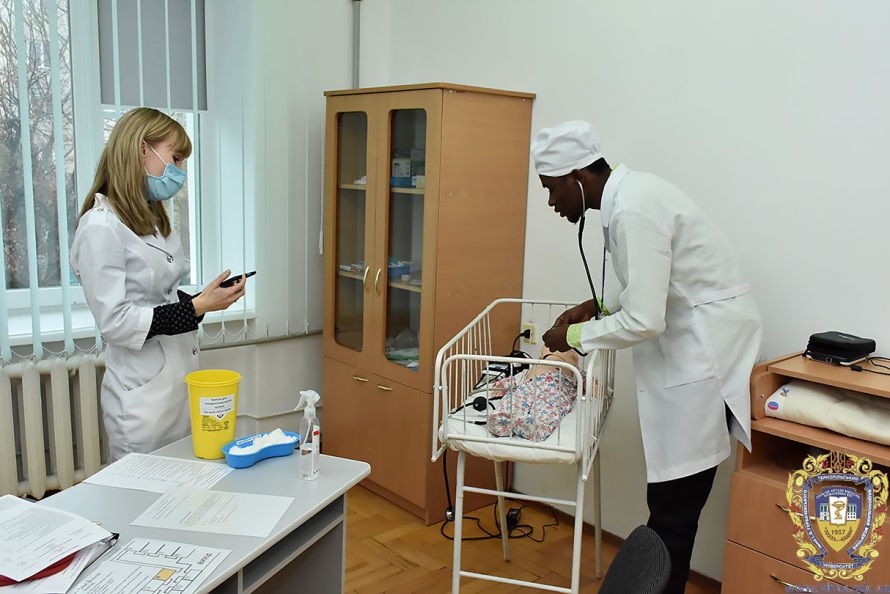
The advantages of this approach are the possibility to facilitate the work of staff (there is no need of scoring, so the teacher is not distracted during the student’s task), the maximum objectivity of assessment and reducing the risk of error in the calculation of the total score, as well as the possibility of a more thorough analysis of the results of objective structured clinical examination.
The information was provided by OSCE working group.