

TNMU Post-Graduate Student Serves as a Military Medic in the Armed Forces of Ukraine
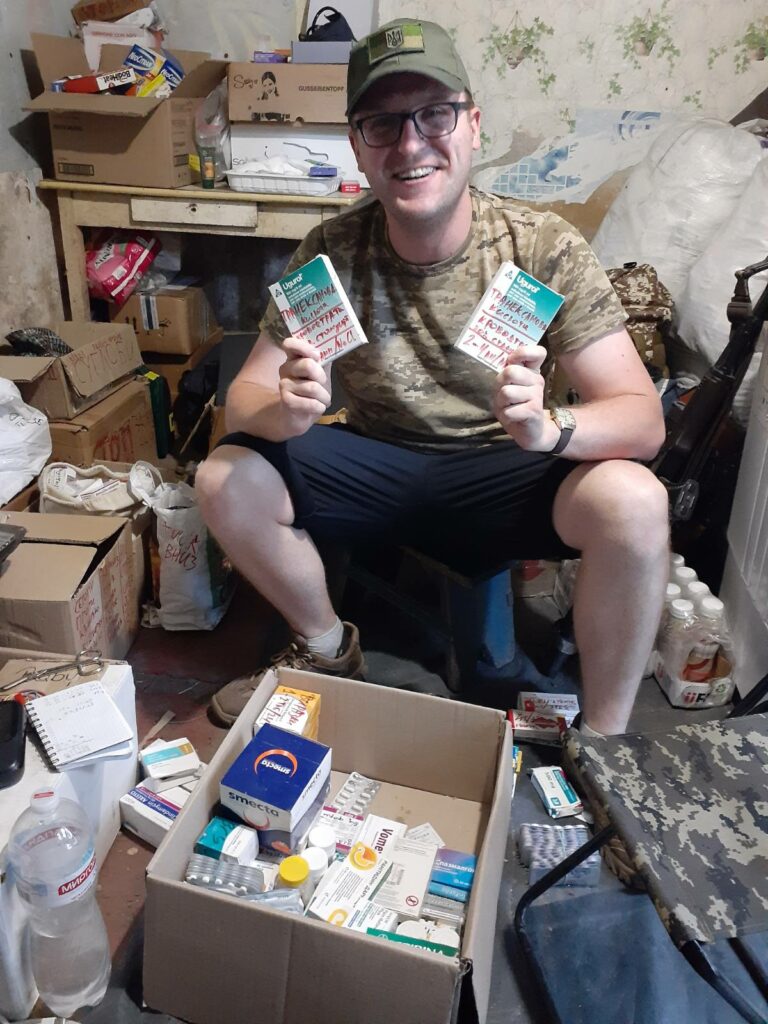
Oleksii Protsailo, a TNMU post-graduate student of part-time form of study, was mobilized as a military medic to the ranks of the Armed Forces of Ukraine at the end of June. At the beginning of July, he began to perform his duties directly at the frontline. Oleksii Protsailo is a military medic for evacuation in the Zaporizhia region. His father, Mykhailo Protsailo, is an Associate Professor of the Department of Paediatric Diseases and Paediatric Surgery at our university. Oleksii was scheduled to defend his PhD thesis in December 2022, but the war made adjustments to these plans.
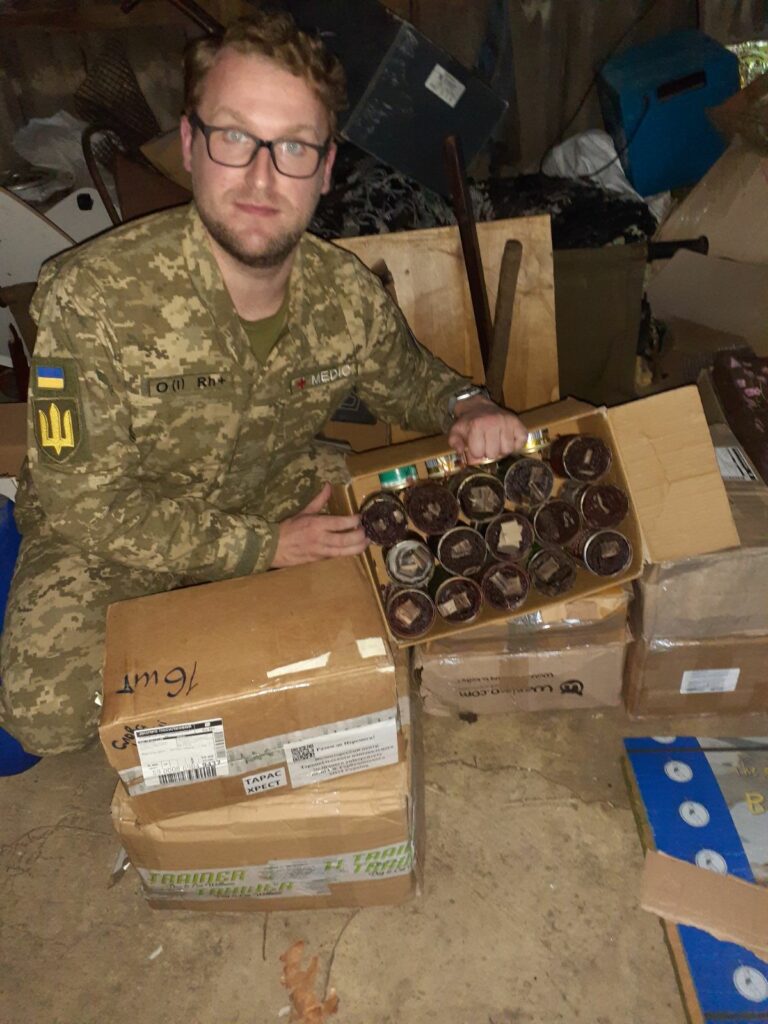
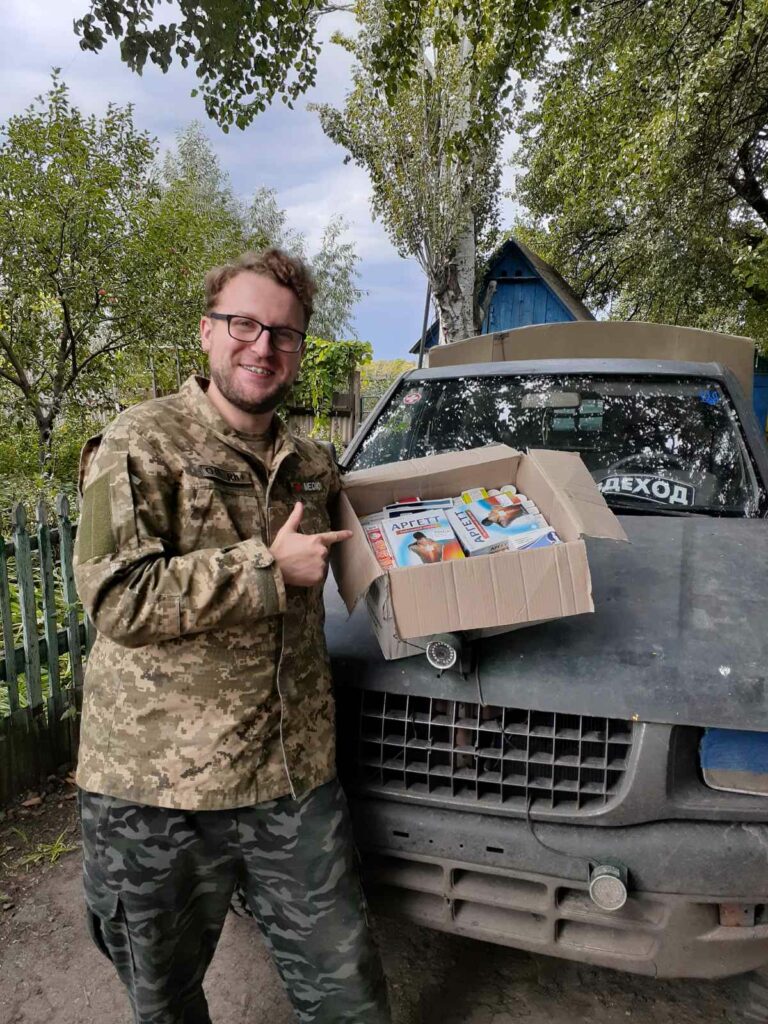
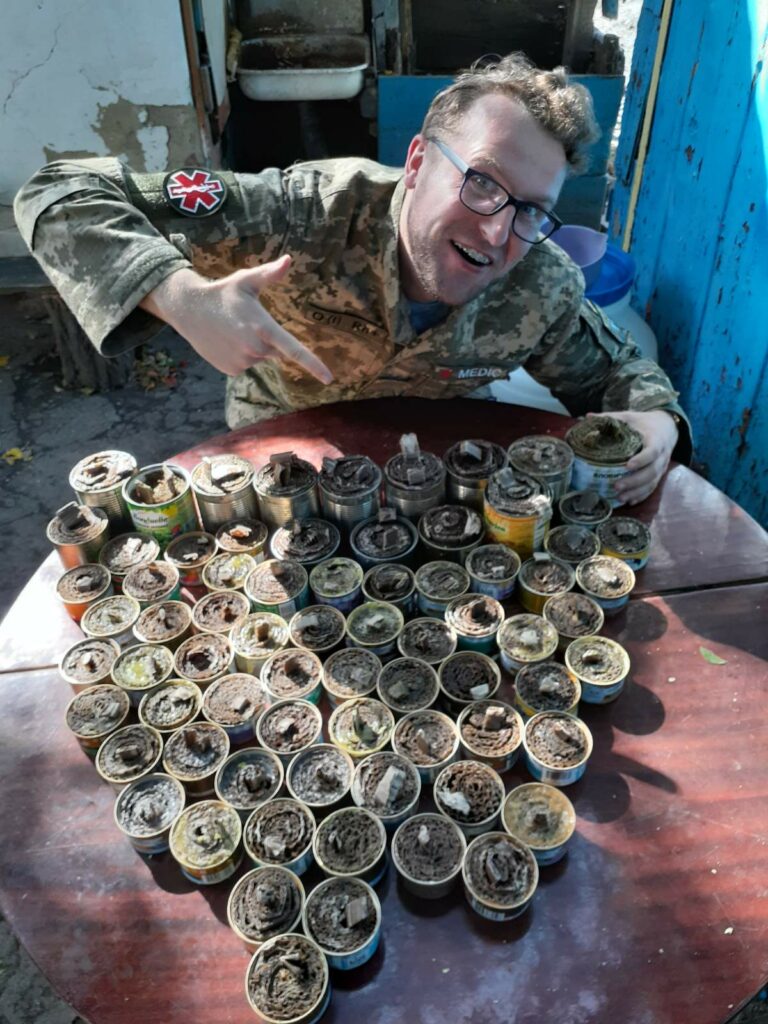
“The photos I sent show the very first batch of trench candles from our university. I will say that this is a very necessary thing at the front. We always try to give feedback to volunteers so that they know what to improve in making candles. I made a request for 300 pieces – and already received it. I gave away almost everything to the military, only a few pieces remained, but they will soon be used by our defenders. I would like to express my appreciation to everyone who makes trench candles, as well as to the Dean of the Faculty of Medicine, Petro Lykhatskyi, who sent them to us,” says Oleksii Protsailo.
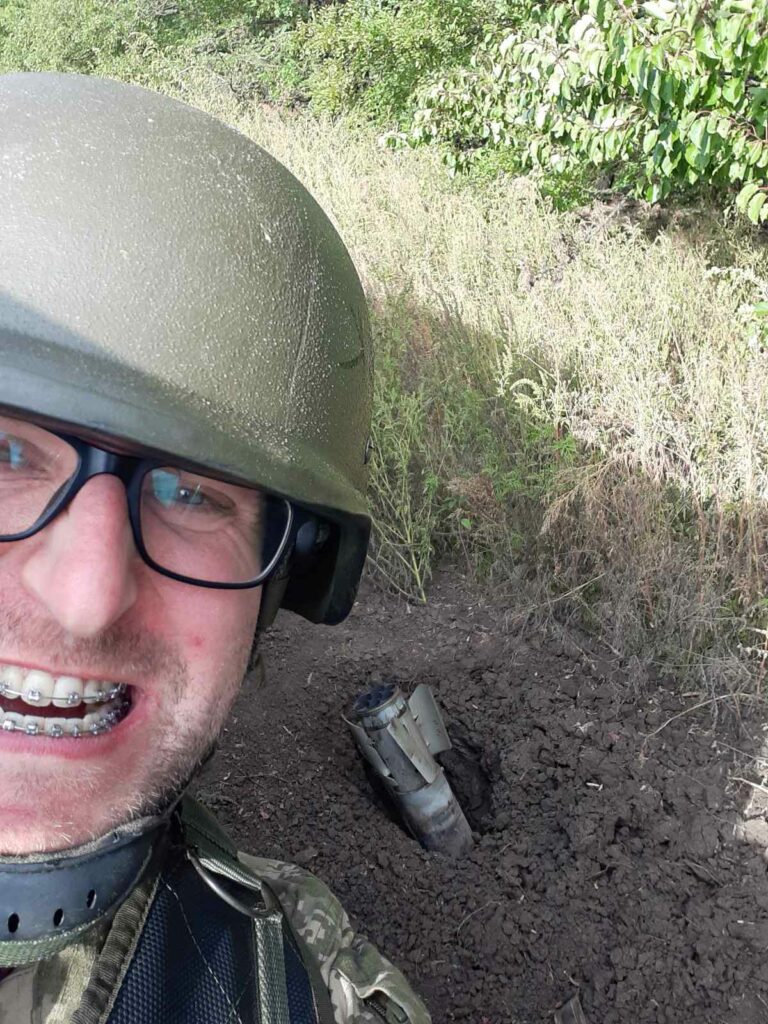
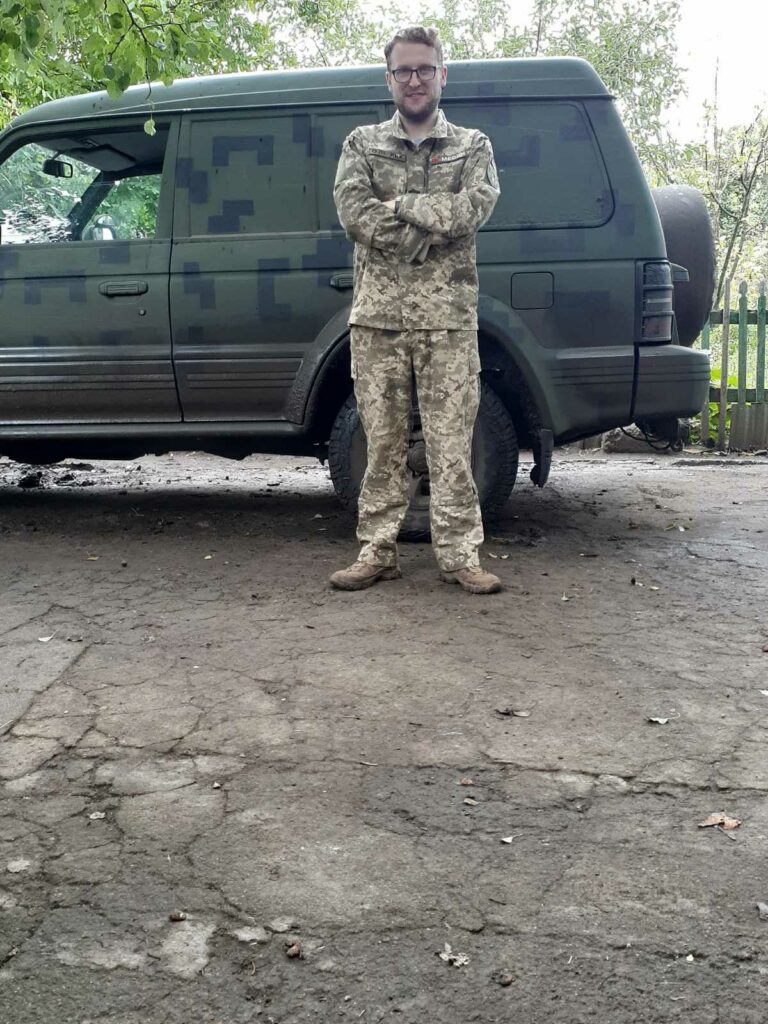
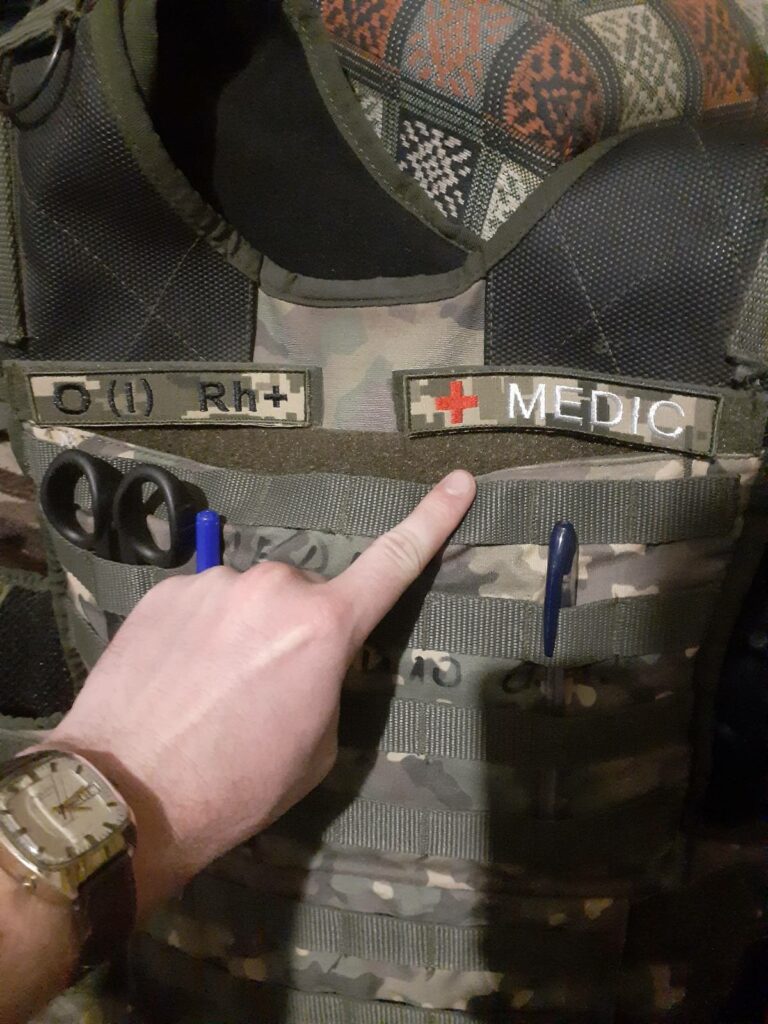
Oleksii Protsailo visits the soldiers at the zero frontline in order to understand and see what is happening there. On the front line, he must remove the patch with medical symbols, because the enemy is aiming at medics. This is a strategy to demoralize the army – to kill the commander or the military doctor.
“The battalion consists exclusively of representatives of Ternopil and Ternopil region. Our company commander Taras keeps order and takes care of the personnel. He comes from Ovruch. Taras is a real leader, everything is based on respect for him and for each other, any issues are resolved calmly, accordingly the boys follow discipline very clearly. I will say that the human factor plays a big role everywhere.
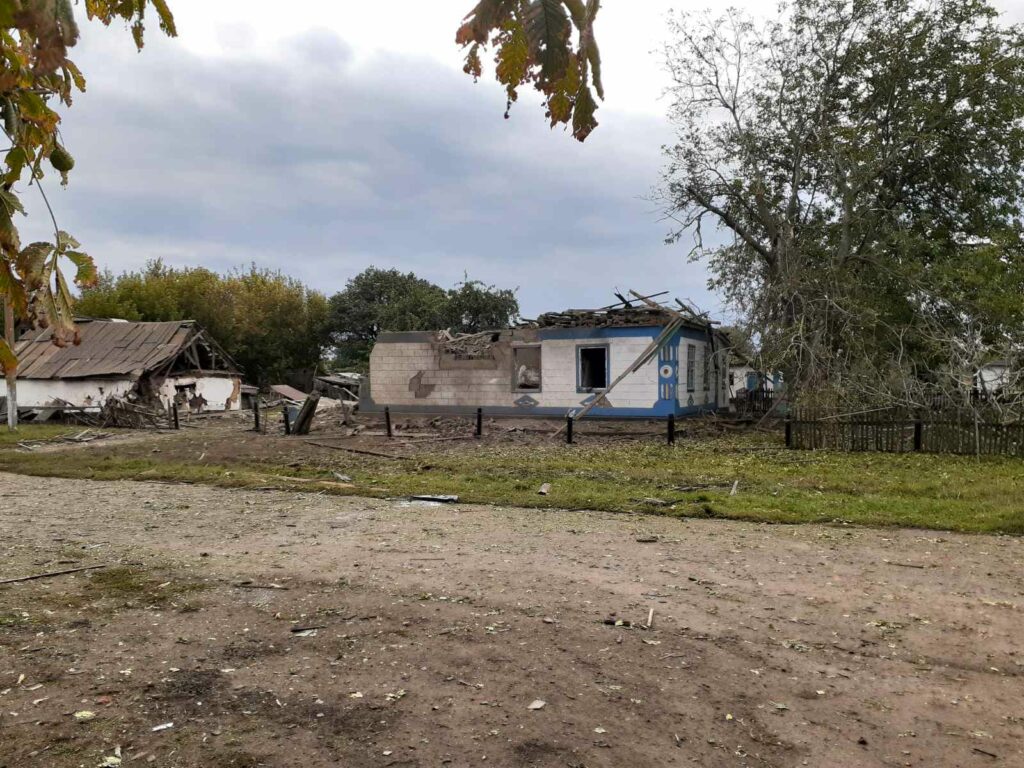
The population in this direction has almost all left. One elderly woman in her 70s returned and came under fire, she was seriously wounded and could not be saved. She herself comes from Ivano-Frankivsk region, left in May, and then in August for some reason she decided to return and died. We also miraculously survived then. It happened when many guys came to us to recharge their phones and access the Internet. The enemy saw that there were people, cars came from time to time. The Russians thought that this was an important point and opened fire. They got into the corner of the house, the charge detonated – and there is neither the house nor the woman, unfortunately,” continues Oleksii Protsailo.
Mr. Oleksii also notes that he calmly accepted the mobilization and was waiting when he would be called to perform his duties. The command decided that he would be more effective in the centre of evacuation and sorting of the wounded. Oleksii Protsailo also teaches military personnel to provide first aid.
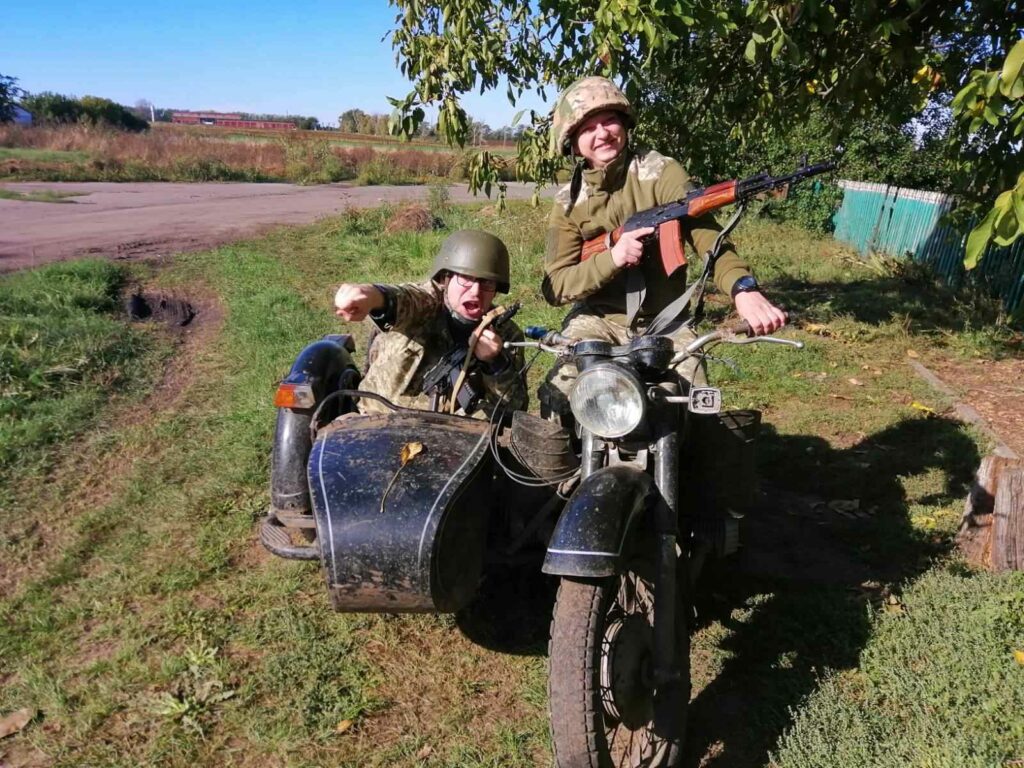
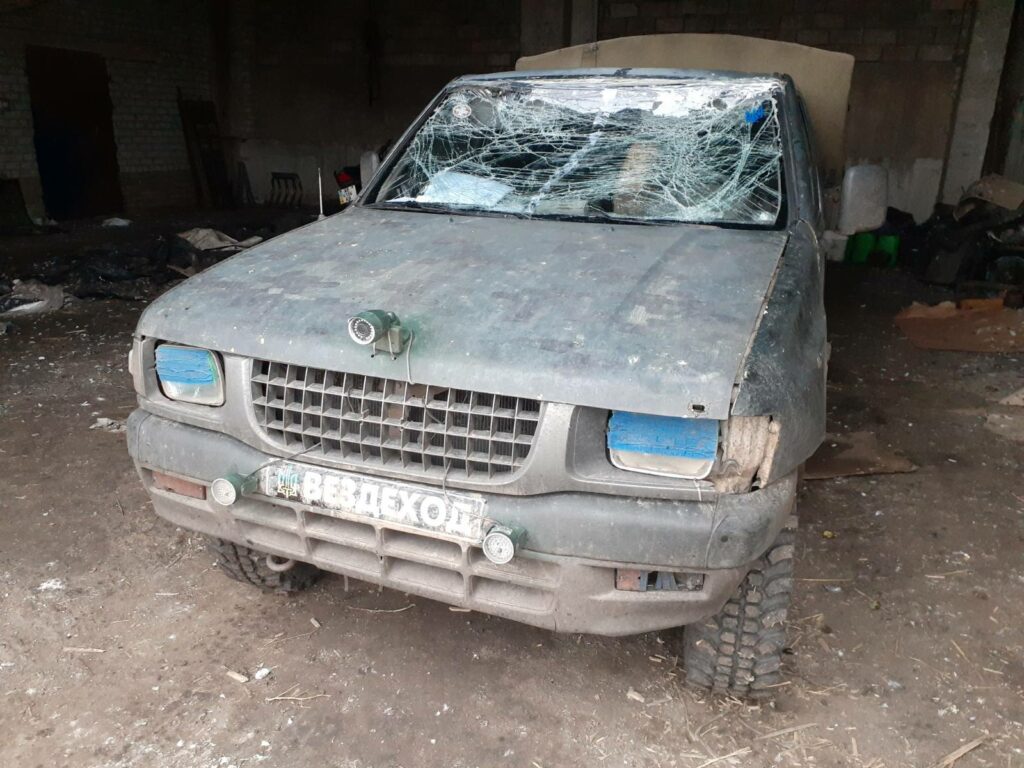
“Fighters provide first aid to themselves or their comrades directly at the positions. I serve my company, and by default also other companies. The settlement where our aid station is located is very close to the front line. I am involved in evacuating the wounded and providing them with assistance. At the first call, I get in the car and go. There are situations when it is simply impossible to reach the wounded. More than once they were “poured in” so much that it was impossible to stand out at all. Accordingly, then the gunners responded – the enemy quieted down and we had the opportunity to leave and pick up our guys.
My motivation to become a military doctor in a war environment was very simple – the military gave me the opportunity to graduate from university in 2016 and almost complete my post-graduate studies. I wrote an application for an academic leave already at the front, sent it to the post-graduate department. The administration of the university understands the performance of my official duties and fully supports, for which I am sincerely grateful,” Oleksii Protsailo says.
He claims that war is always scary for everyone, because it is constant shelling and a threat to life. Oleksii had to get used to new living conditions during the first month. First, he completed his internship in a large district centre where they work with a significant number of wounded. After that, he had an idea of the general clinical picture at the front, types of wounds. In this centre, Oleksii Protsailo trained for two days, and after that he was immediately taken to the evacuation and sorting centre where he still works. The very first day he came under fire, and the next morning everything was quiet. The most important task at the beginning was to establish logistics: where to go to pick up the wounded, what are the bypass roads, where to transport the soldiers, whom to call, etc. Now it has become a regular routine, and in case of need, support always comes from company commander Taras.
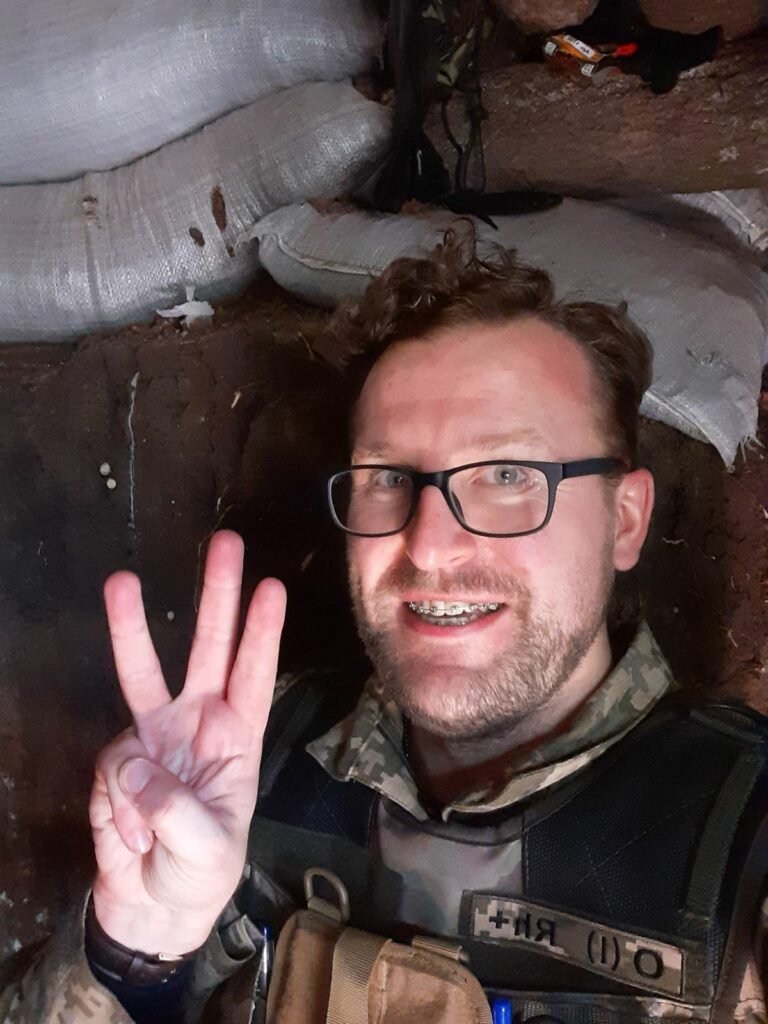
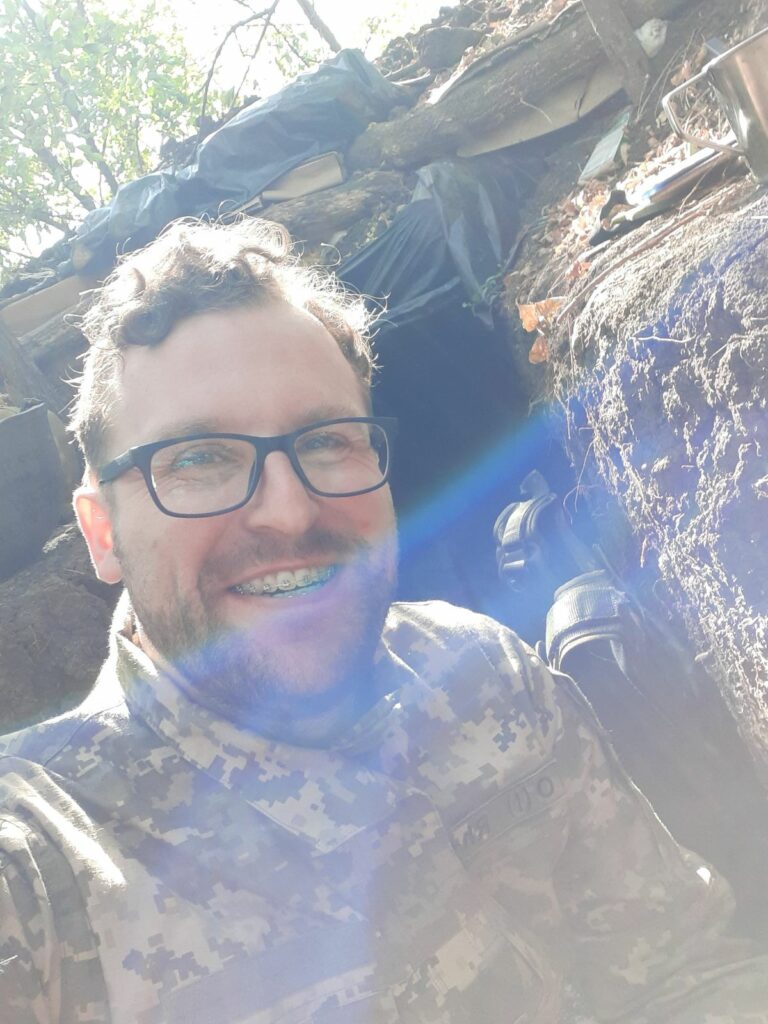
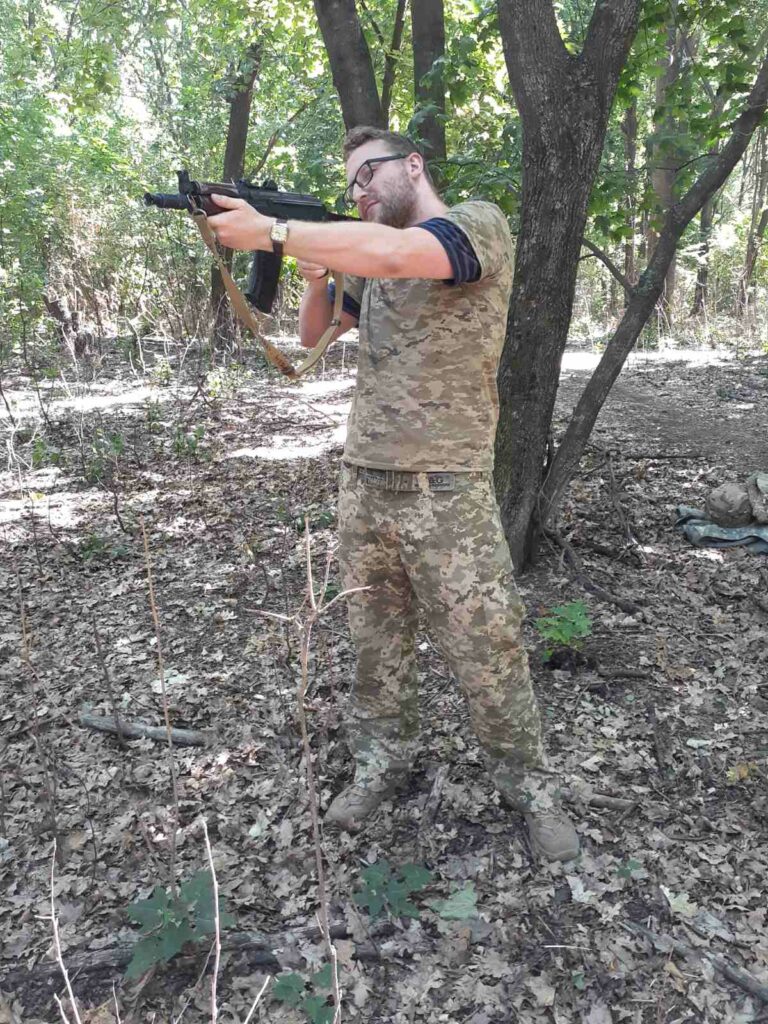
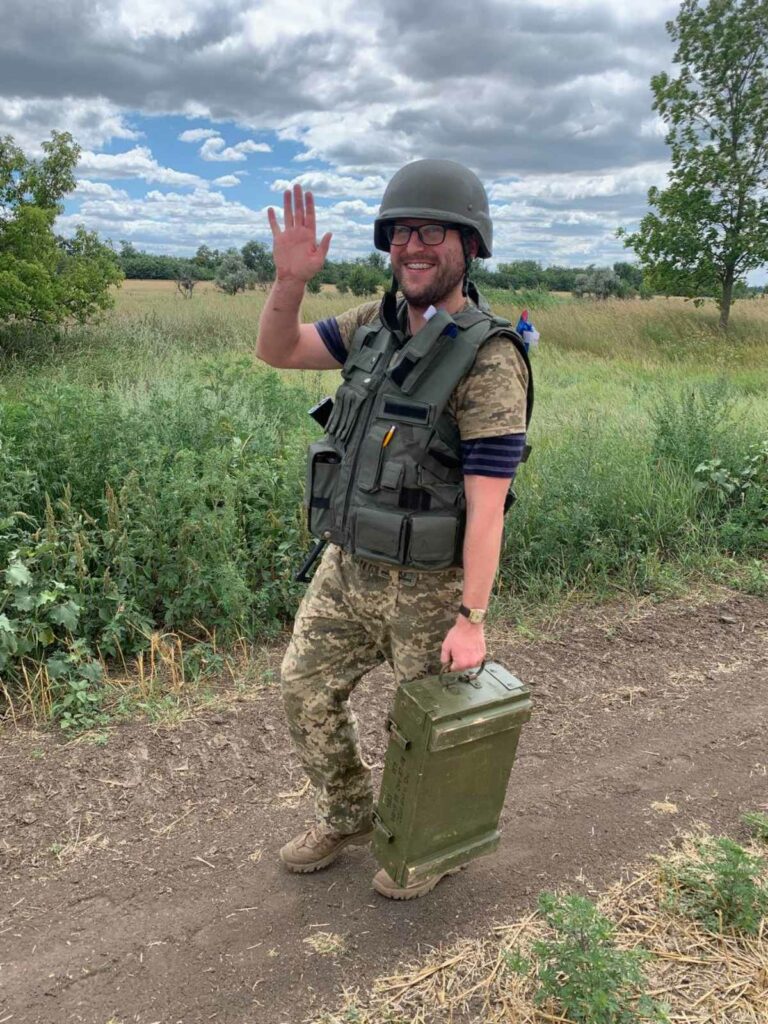
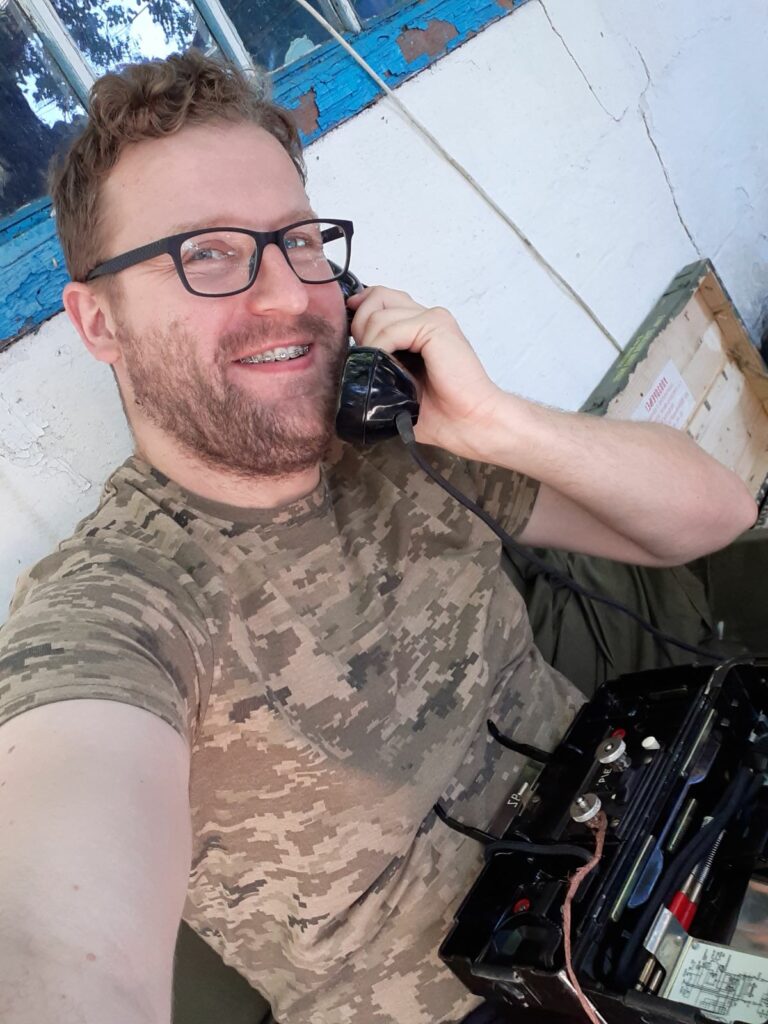
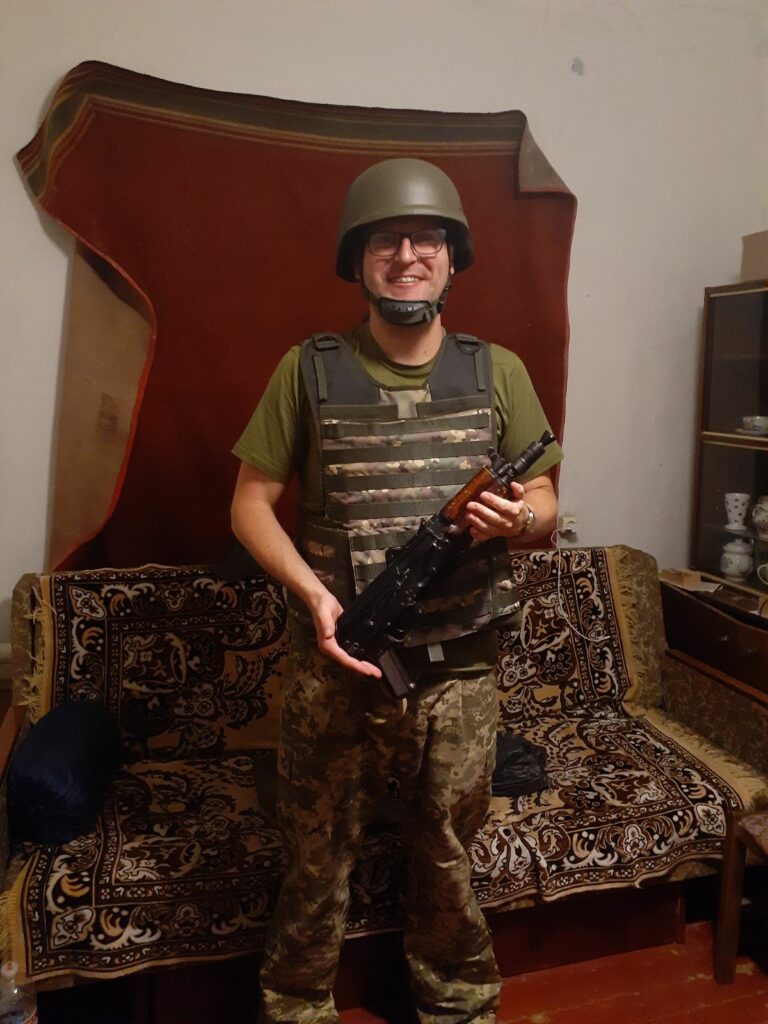
“I had a case when I had to run away from phosphorus shells. I was picking up a soldier with panic attacks from the position in the evening, I look out the window of the car, and phosphorus lace is already falling in the air. A very beautiful sight, but in fact it is a deadly substance. We immediately pressed the gas and sped away. Our company commander saw it, he managed to hide, and then he called and asked if we are fine. We escaped the phosphorus and no one was hurt. It was nice that the commander cared for us and was worried about each member of his team. In the battalion, they try to protect people as much as possible so that there are fewer losses. Currently, the new recruits have a very ecological approach – they stay for two weeks a little further from the “hot” spots, so that they can adjust and learn about life at the front, so already at the position they deal with the reality adequately. There are 10-15 people in a battalion of professional soldiers, all the others are already studying directly at the front. I am also learning along with everyone. At the beginning, I didn’t know how to communicate correctly on the walkie-talkie – it’s a real science. Doctors have their own codes and messages.
This is a war without rules on the part of the enemy, with the use of all types of weapons – cluster, high-explosive, phosphorous shells. Russians die every day from 3 to 10 people in their companies. During my entire stay (from July to November), only 8 people died in our country,” Oleksii Protsailo commander.
After their vacation, Mr. Oleksii returned to combat positions and continues to serve.
TNMU Press Secretary, Yanina Chaikivska.
Photographs by Oleksii Protsailo.