TNMU Team Participates in the “Clinical Reasoning 2024” Symposium (Munich)
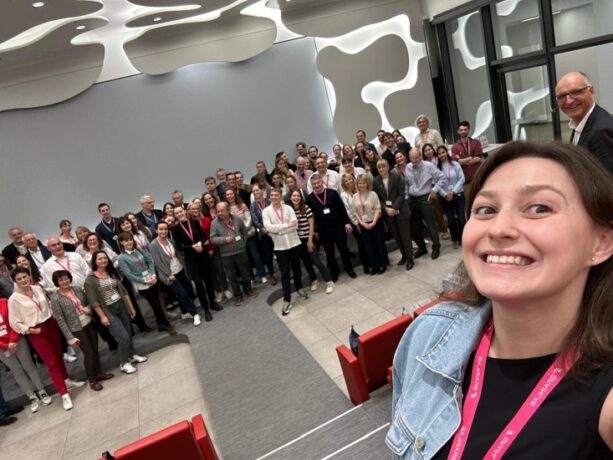
On October 18–19, 2024, the international symposium, “Clinical Reasoning 2024,” occurred in Munich, Germany. Through TNMU’s involvement in the Ukrainian-German project “Ukraine Digital – Clinical Reasoning in Medical Education,” initiated by Ludwig Maximilian University in Munich (Institute for Didactics and Educational Research at LMU Munich), and with financial support from the Deutscher Akademischer Austausch Dienst (DAAD) and Brainlab company, the TNMU team was able to take an active part in the event.
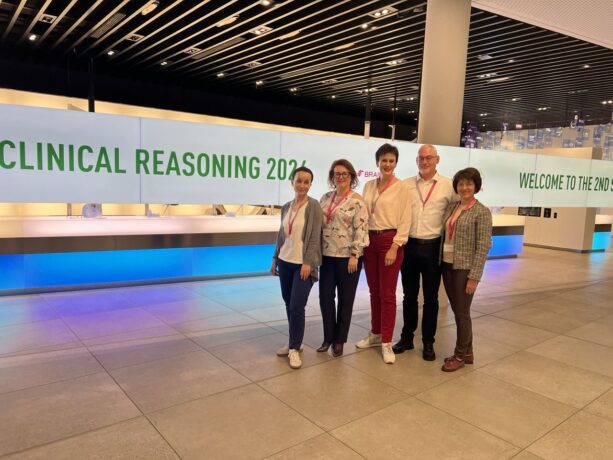
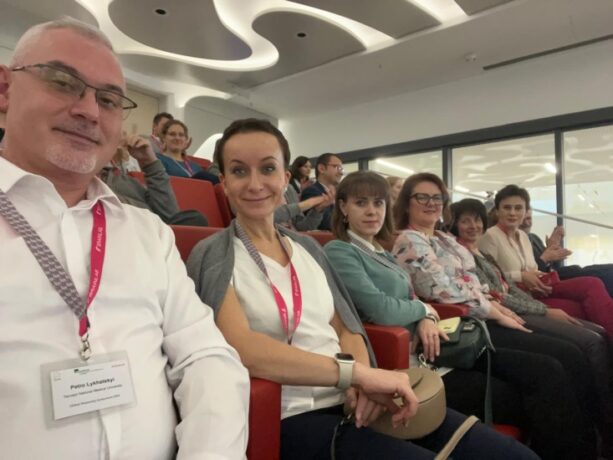
The Dean of the Faculty of Medicine, Professor Petro Lykhatskyi, and Assistant Professors Nataliia Haliash, Oksana Sydorenko, Larysa Martyniuk, and Nataliia Petrenko spent three days immersed in research discussions focused on the quality and effectiveness of medical education in developing students’ clinical reasoning skills. Before the symposium was a workshop conducted by educators from the Institute of Medical Didactics at Ludwig Maximilian University and Charité Hospital (Berlin), dedicated to exploring modern teaching methodologies.
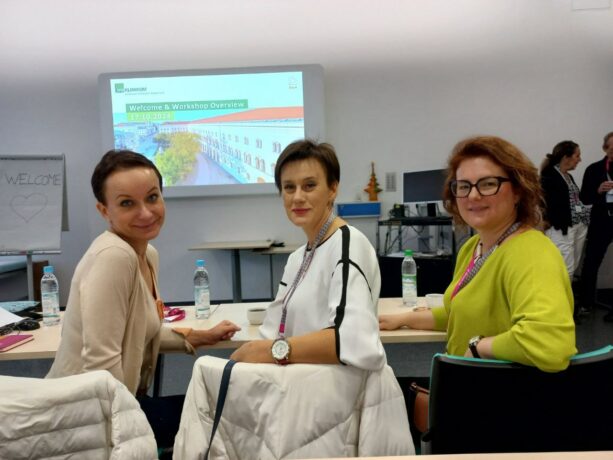
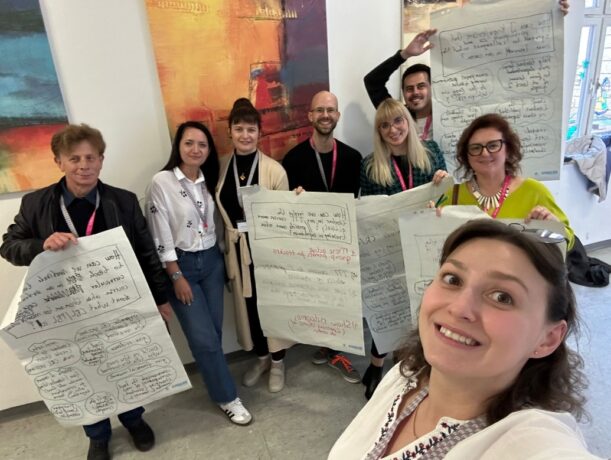
During the workshop, participants worked in small groups to actively engage in:
- Examining cognitive science principles for teaching clinical reasoning and creating virtual patients;
- Studying cognitive load management theory (working memory) and its practical applications;
- Applying contrastive learning principles to improve material retention for learners;
- Understanding how to implement instructional design principles (ADDIE and 4C/ID) for building a comprehensive clinical reasoning curriculum;
- Exploring further opportunities to integrate virtual patients into the CASUS I LOOOP platform for Ukrainian medical school curricula.
A part of the workshop discussed the interim results of implementing a synergistic approach to clinical reasoning curricula in Ukrainian institutions as part of the “Ukraine Digital – Clinical Reasoning in Medical Education” project. Mentorship meetings were held with Martin Fischer, Julius Kaminski, Johann Schroedelsecker, Inga Hege, Olaf Ahlers, and Caroline Dospel, who addressed participants’ project-related questions.
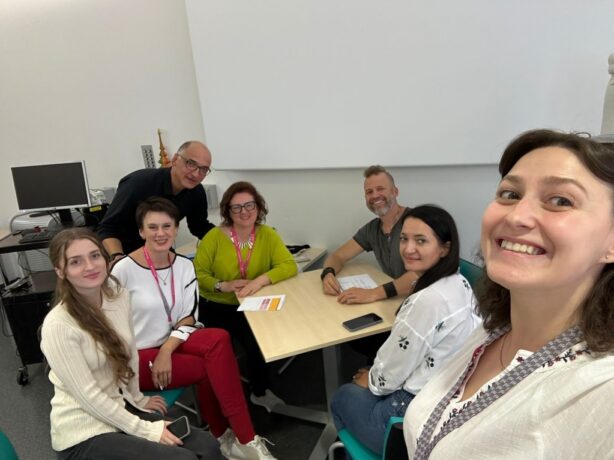
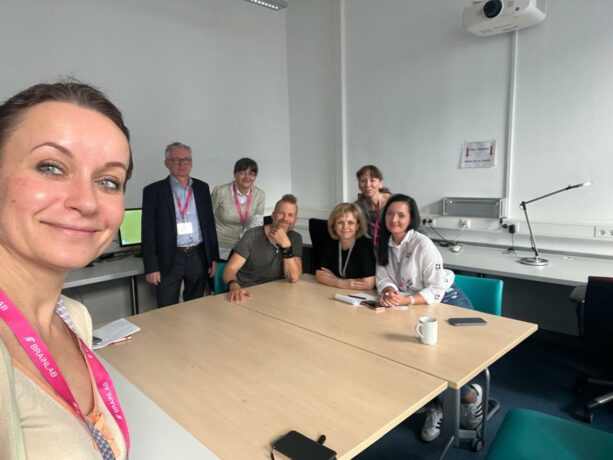
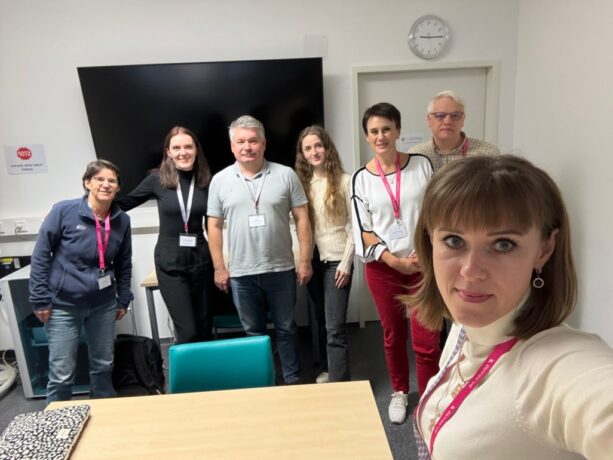
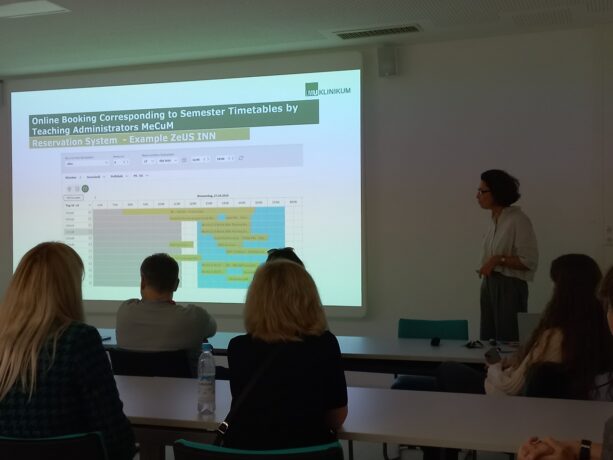
The tour of the simulation center at LMU was fascinating. Particularly noteworthy is the organization of the center’s work, which allows students extracurricular training. The staff implemented an online room booking system for students to schedule independent practice. Student assistants, recruited from the first-year students, oversee the readiness of rooms and supervise their use. These assistants undergo specific training, receive a small stipend for their shifts, and are responsible for adequately using equipment, maintaining order in the rooms, and advising students who have questions about performing specific practical skills.
The leading theme of the Second International Symposium for Medical Educators, “Clinical Reasoning 2024,” was using artificial intelligence (AI) in training and researching clinical reasoning. Workshops included:
- AI and Meta-Analysis – Olha Chernikova
- CoSiMed: Collaboration Simulation between Internal Medicine and Radiology using Virtual Patients – Constanze Richters
- M-TEAM: Multi-User VR Platform for Post-Cardiac Arrest Resuscitation – Vitaliy Popov
- AI4MED: Intelligent VR Environment for Human Visual Processes and Vision Impairment in Preclinical Physics Courses – Jochen Kuhn, Nina Peltzer, Raphael Sera
- Integration of Digital Health Technologies in Clinical Reasoning Education: D-CREDO Project Roadmap – Andriy Kononovych
- Automating Qualitative Content Analysis of Data: Methodological Approach Using Large Language Models – Alexander Schmidt, Johanna Huber, Mara Müssigmann, Matthias Stadler
- CRDI-T: Development and Validation of Collaborative Clinical Reasoning Model – Constanze Richters, Frank Fischer, Martin Fischer, Vitaliy Popov
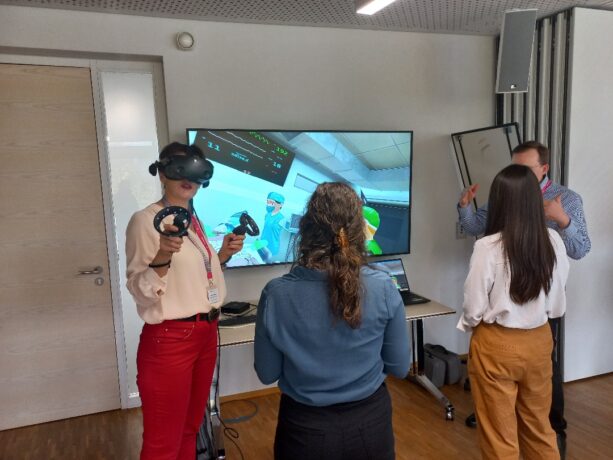
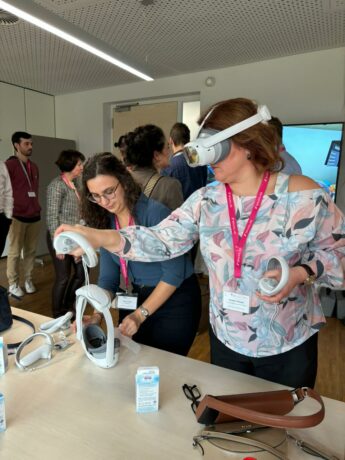
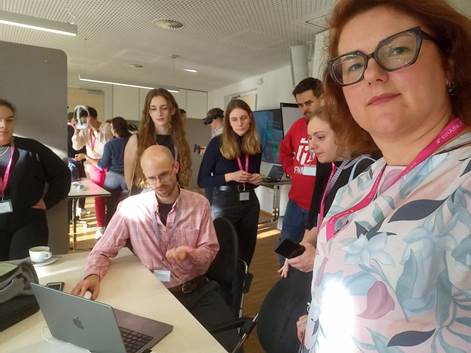
Other sessions included:
- Weekly Image Challenge as a Tool for Clinical Reasoning Training – Moshe Flugelman
- Rationale Behind CCD (Clinical Case Discussions) – Kristina Tsiverioti
- Case-Based Learning in Clinical Rotations – Stefan Endres
The keynote was presented by Henk G. Schmidt, Professor of Psychology and Medical Education at Erasmus University and founding dean of the problem-based learning psychology program, highlighting the history of clinical reasoning and more effective ways to develop it in medical students.
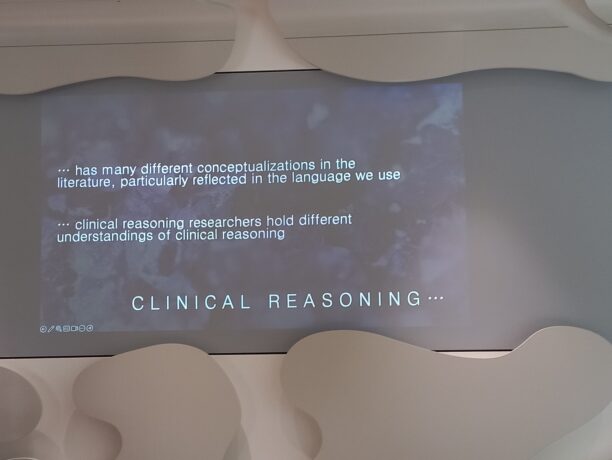
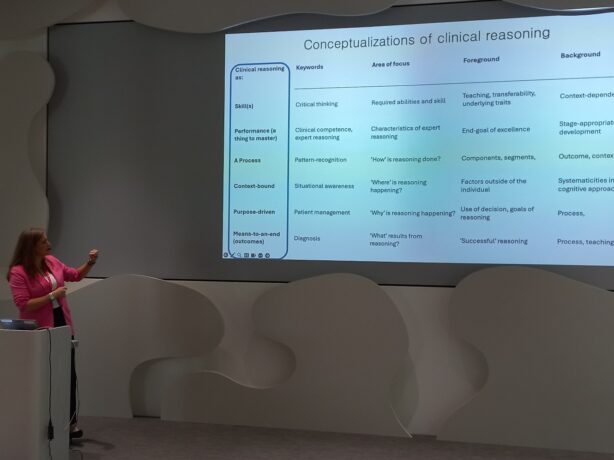
Meredith Young, Associate Professor and Assistant Director of Research at the Institute of Health Sciences Education at McGill University in Montreal, Quebec, Canada, shared a controversial view on clinical reasoning. Currently, the concept lacks a unified definition and understanding. Like “friendship,” we all understand it broadly, but defining its criteria can spark debate. Clinical reasoning is seen as diagnostic, therapeutic, critical, or problem-based thinking, among other perspectives, leaving much room for further research.
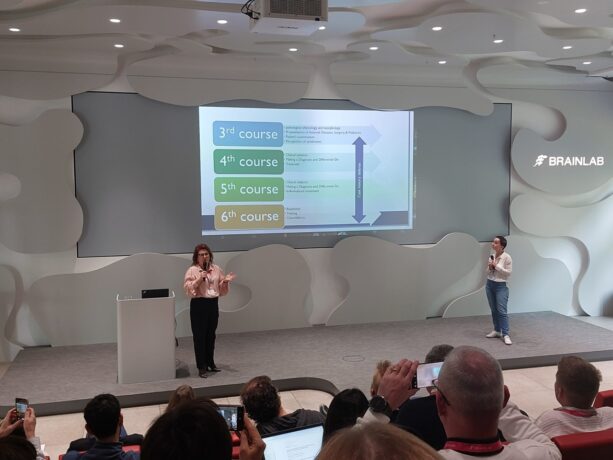
Assistant Professors Nataliia Haliiash and Oksana Sydorenko were invited to present at the symposium, delivering a talk titled “CLINICAL REASONING: How to Make a ‘Hidden Curriculum’ More Visible? Implementation at TNMU.” They highlighted TNMU’s steps to introduce informal education courses, such as the Clinical Reasoning Lab and Clinical Case Discussion Club, for medical students.