

A Day at TNMU for Students and Teachers of Volyn Medical Institute
As part of the “A Day at TNMU” project, on November 1, 2024, Ternopil National Medical University welcomed second-year students of the “Pharmacy, Industrial Pharmacy” specialty along with faculty members from the partner institution “Volyn Medical Institute.” They were introduced to admission conditions, study features, technical resources, and the faculty of the Educational-Scientific Institute of Morphology and the Faculty of Pharmacy. At the beginning of the tour, the guests were welcomed by Professor Zoya Nebesna, Director of the Institute of Morphology, Professor Illia Herasymiuk, Head of the Department of Human Anatomy, and Associate Professor Volodymyr Voloshyn, Deputy Head of the Department of Pathological Anatomy with the Sectional Course and Forensic Medicine.
The guests were given a tour of the teaching museums in the morphological building by Associate Professor Ihor Yuryk and Assistant Olha Herman. The students were highly interested in the teachers’ stories and the exhibits in the educational museums.
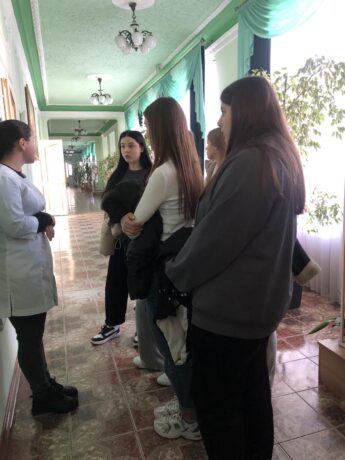
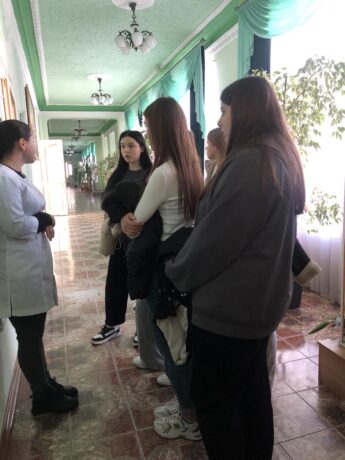
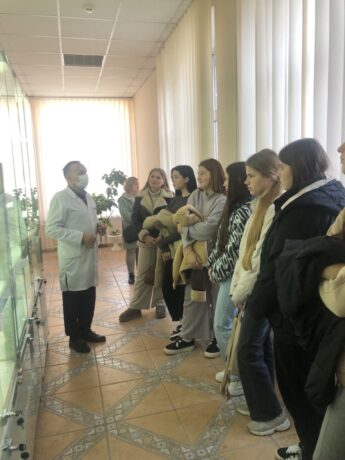
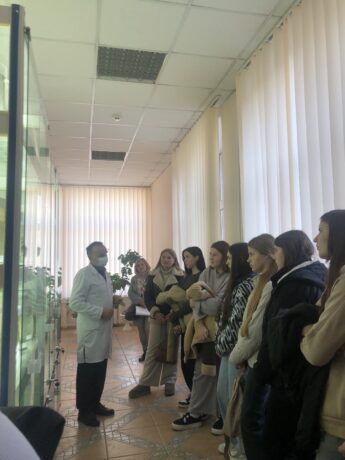
Afterward, the students and faculty supervisors visited the Faculty of Pharmacy, where the Dean, Associate Professor Dmytro Korobko, informed them about the process for enrolling in higher education at TNMU, the technical resources, faculty, and specific aspects of the educational process, emphasizing the importance of obtaining a master’s degree in pharmacy for future career development and advancement.
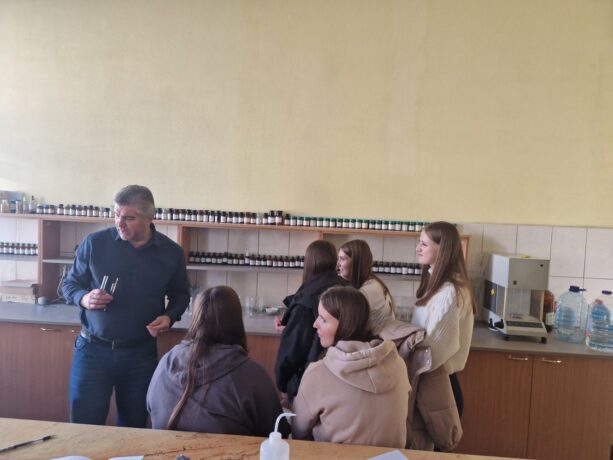
The Dean demonstrated exciting experiments during their visit to the Department of Pharmaceutical Chemistry classrooms. Head of General Chemistry Department Hryhoriy Zahrychuk invited students to tour the department’s classrooms, where they had the opportunity to observe medical students conducting experiments planned for that session.
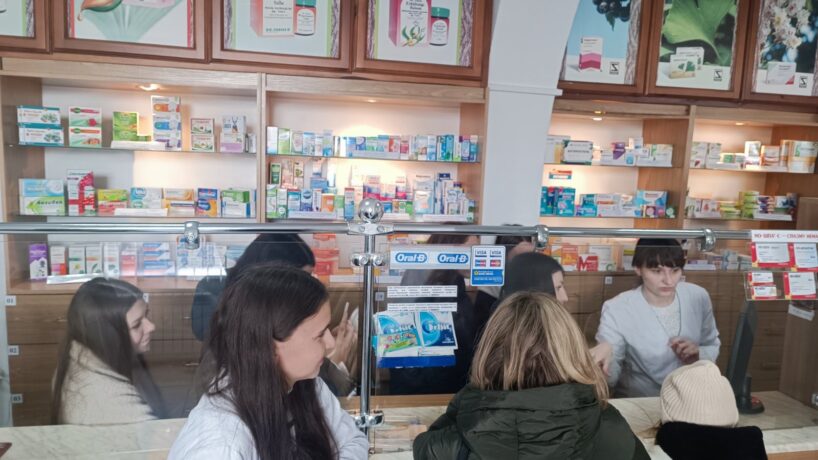
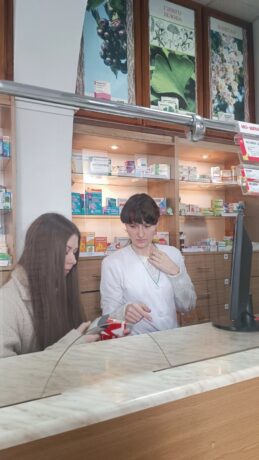
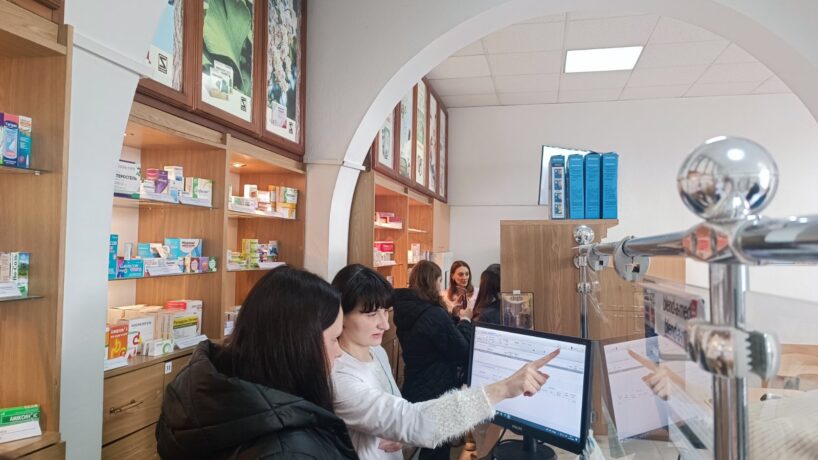
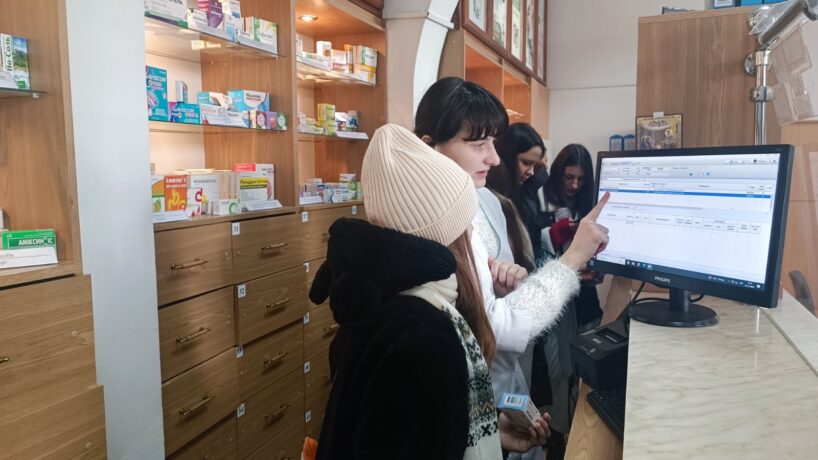
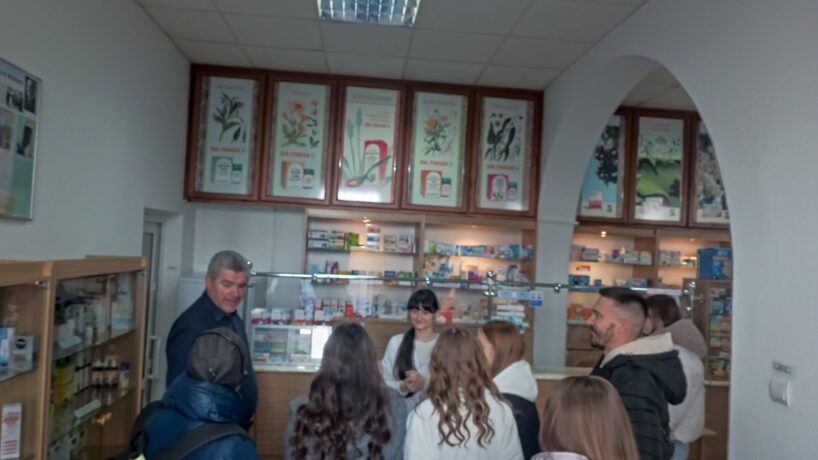
Associate Professor Liliia Budniak and Assistant Nadiia Malanchuk from the Department of Management and Economics of Pharmacy with Drug Technology demonstrated the technical equipment of the department’s simulation center – the “Training Pharmacy.” The visitors could familiarize themselves with the organizational aspects of a pharmacy’s operation, consumer corner requirements, and the specifics of dispensing over-the-counter drugs. They scanned barcodes on drug packaging and generated fiscal receipts using the professional software “Paracelsus.”
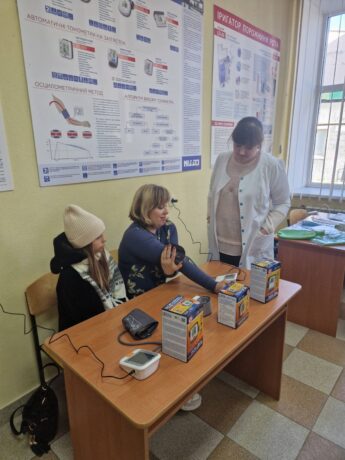
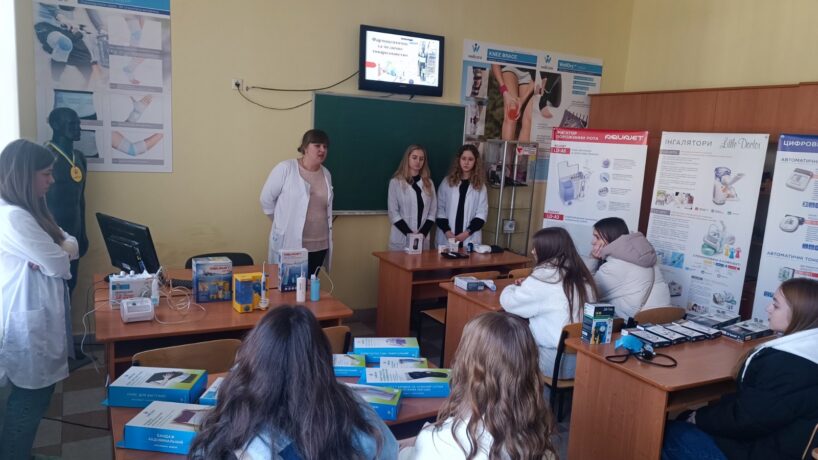
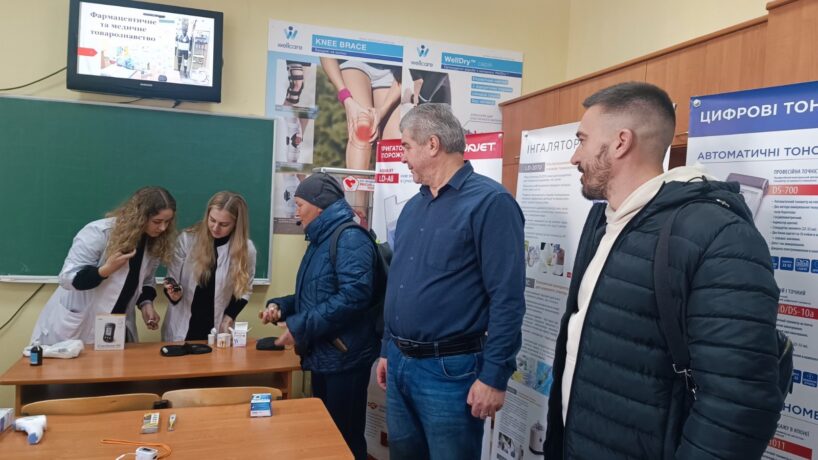
In the medical products training classroom, under the supervision of Associate Professor Anastasiia Dub from the Department of Management and Economics of Pharmacy with Drug Technology, the students could familiarize themselves practically with a wide range of modern medical equipment and products. Each student tested diagnostic devices, including measuring blood glucose levels, oxygen saturation, temperature, and blood pressure, and practiced selecting orthopedic aids such as medical braces and orthoses.
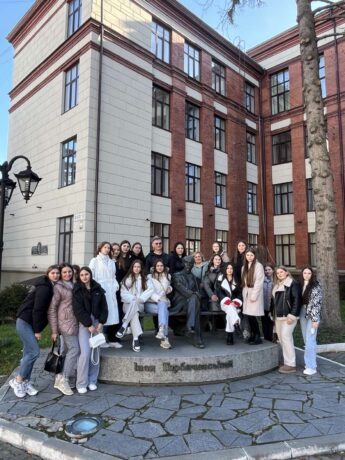
Such educational tours are an essential step in training future specialists, fostering the development of their practical skills, and inspiring further professional growth