

Associate Professor of the General Surgery Department at TNMU Visited Opole University of Technology (Poland)
Opole is one of the oldest cities in Poland, located in the historical region of Upper Silesia.
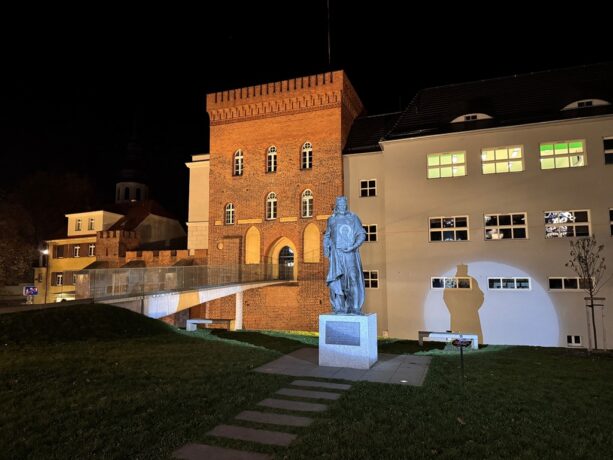

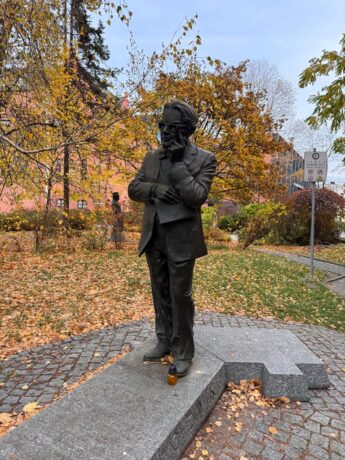
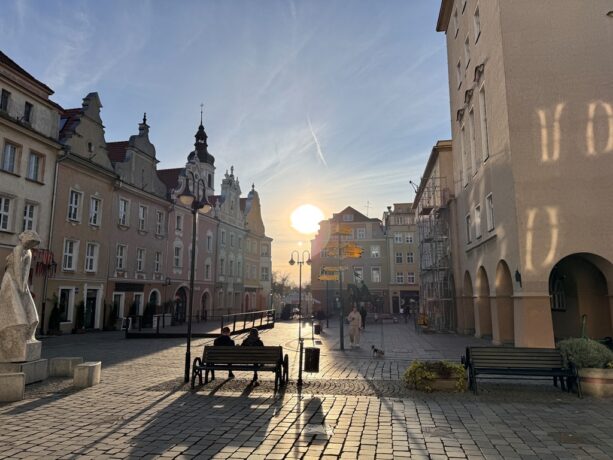
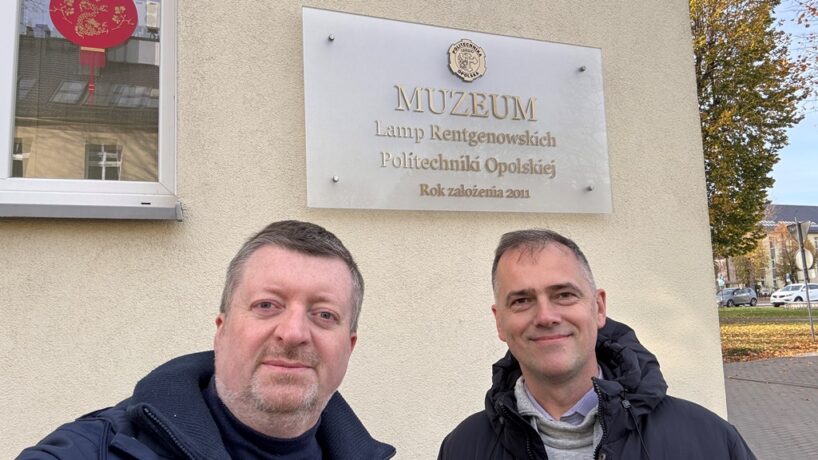
Opole University of Technology is a state technical university with a 50-year tradition of academic education aligned with European standards.
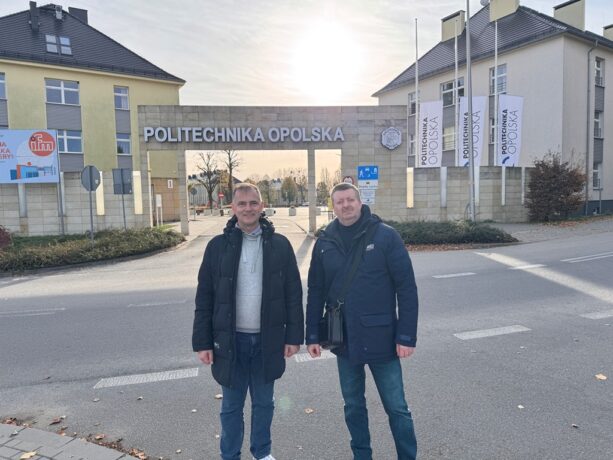
The trip’s primary purpose was to establish collaboration with researchers at Opole University of Technology in the field of artificial intelligence (AI) and neural networks in medical research. The plan included forming a team for an international research project focused on developing advanced AI systems for analyzing and forecasting physiological processes and optimizing wound treatment for patients affected by armed conflicts and civilians at various stages of the wound healing process.
To detect pathologies, neural networks can process large volumes of medical data, such as X-rays or MRI images. They are also used for early cancer detection and predicting disease risks based on genetic data and patient health metrics.
One of the advantages of neural networks is their ability to identify patterns in images and analyses that are invisible to the human eye. Neural network-based systems help create personalized treatment plans by considering individual patient characteristics. They also contribute to automating routine tasks, such as blood analysis and interpreting lab results. By analyzing large volumes of historical medical data, neural networks can predict disease progression.
During the trip, a series of meetings and discussions were held with representatives of the Computer Science Department at Opole University of Technology. Key activities included:
- Familiarization with leading experts at Opole University of Technology engaged in developing AI algorithms based on machine learning and deep neural networks;
- Identifying a set of informative visual wound features for processing medical information in AI neural network systems;
- Discussing the leading technical and methodological aspects of creating AI algorithms for wound research and analysis;
- Developing a scale system to represent vectors of informative wound features based on wound photo data;
- Establishing requirements for AI algorithms for collecting and automatically assessing visual wound features.
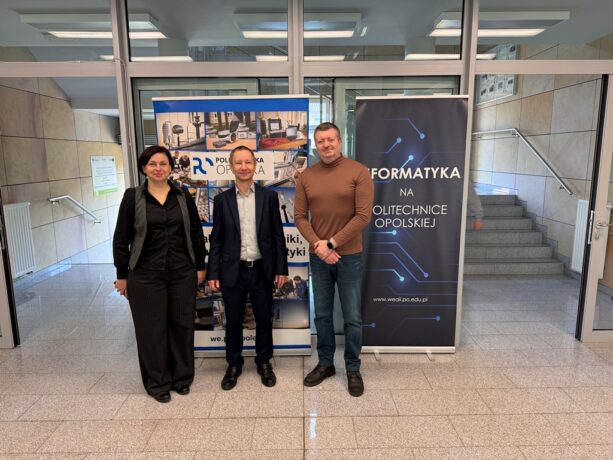
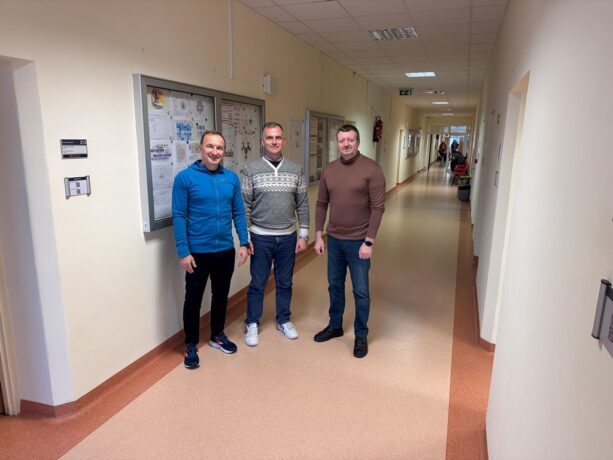
Work meetings were held with the following scientists from Opole University of Technology:
Dr. hab. inż. Michał Tomaszewski, Professor of the Computer Science Department, a leading specialist in machine learning and AI applications.
Dr. hab. inż. Rafał Stanisławski, Professor of the Computer Science Department, Head of the Scientific Council for Technical Computer Science and Telecommunications;
Dr. hab. inż. Krzysztof Zatwarnicki, Professor and Head of the Department of Computer Science, specialist in information systems modeling and analysis;
Dr. inż. Anna Zatwarnicka, Associate Professor of the Computer Science Department, a specialist in information systems design;
Dr. Serhii Lupenko, Professor of the Computer Science Department, specialist in mathematical modeling and signal analysis in information systems;
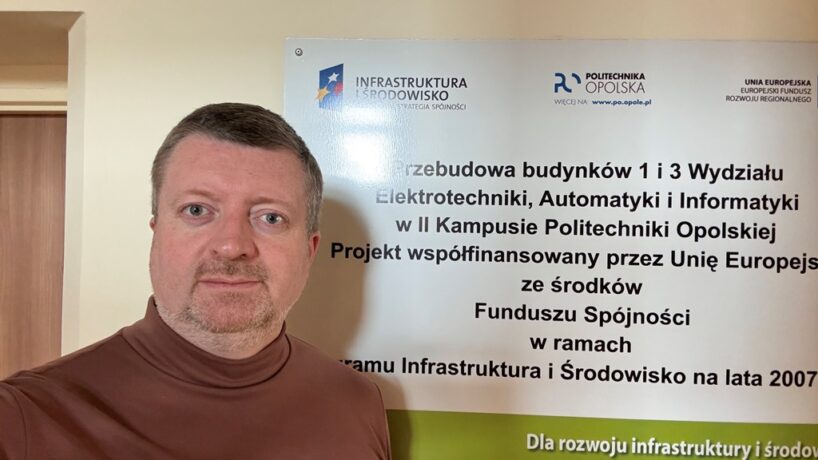
The discussions resulted in the following agreements:
- A preliminary cooperation plan was developed involving joint research, experience sharing, and scientific internships;
- Main research directions were identified, including the development of image processing algorithms for wound defect classification, wound stage assessment, and complication detection using artificial neural networks;
- The specifics of collecting informative features from wound medical images necessary for the formation of AI learning algorithms were agreed upon ;
- Required algorithms were identified for studying neural network performance and fine-tuning for training, interpretation, and further forecasting of wound healing progression on affected skin areas based on data vectors from visual wound images;
- A joint research group was established to work on AI algorithms in medicine to obtain digital data from visual medical objects.
The working visit proved productive, allowing the alignment of primary cooperation directions and the outline of future research prospects. Implementing these agreements will contribute to developing and integrating innovative information technologies in the medical field, enhancing the quality of scientific research in Ukraine related to the development and implementation of modern machine learning technologies, particularly deep artificial neural networks.