Participation in Training for Family Medicine Educators in Slovenia by the European Academy of Teachers in General Practice (EURACT)
Every autumn, the European Academy of Teachers in General Practice (EURACT) organizes training in Slovenia, known by its location – the Bled course. Associate Professor Iryna Borovyk from the Department of Therapy and Family Medicine of Ternopil National Medical University represented Ukraine this year.
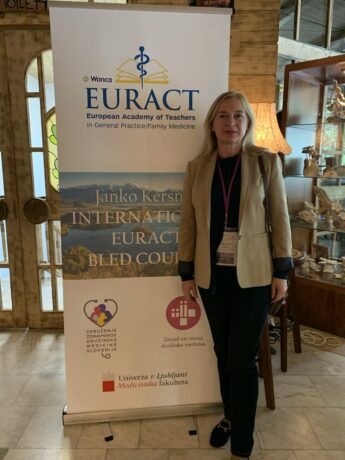
The Bled course is a prominent didactic event for European family medicine educators, held under EURACT’s patronage for 24 years. This training targets educators and practicing primary care physicians. Senior medical students also participate to enhance the shared learning experience. The international participants and organizing committee foster a multicultural and international perspective on issues addressed during the course. The event’s regional organizers included the Slovenian Medical Association, the Department of Family Medicine of the University of Ljubljana, and the Primary Health Care Center in Bled. Organizers traditionally select relevant and engaging topics for training; this year’s course focused on emotions in family medicine practice – “Teaching and Learning About Emotions in Family Medicine.”
The speakers at the 24th Bled course included educators and researchers from various European countries. Jon Jaffe, Ph.D., M.P.H., Associate Professor at the Department of Public Health, University of Minho (Braga, Portugal), opened the training with a presentation, “What Are Emotions and Why Do We Need to Recognize, Accept, and Transform Them?”
Alan Shirley, Program Director of the Sheffield GP Specialty Training Program, Member of the Royal College of General Practitioners, and GP at Flowers Health Centre (Sheffield, United Kingdom), spoke on the role of emotions in the pedagogical process and “teaching with feelings.”
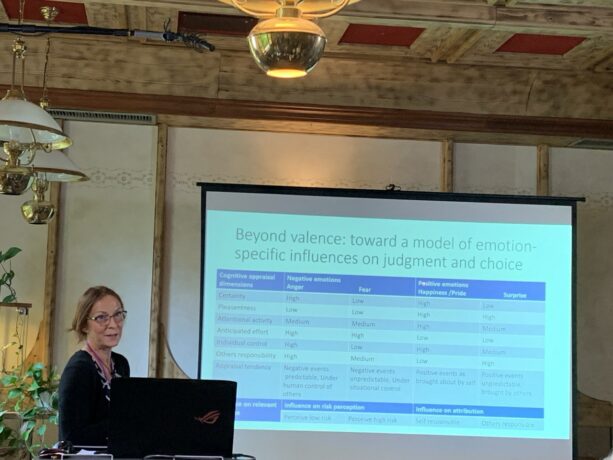
Dr. Ruth Kalda, Professor of Family Medicine at the University of Tartu in Estonia, addressed the significance of emotions in clinical decision-making.
Dr. Eva Cedilnik Gorup, Ph.D., Associate Professor at the University of Ljubljana, discussed the role of emotions in health preservation.
Vesna Homar moderated the Bled course, with Žan Trontelj facilitating an online group for educators.
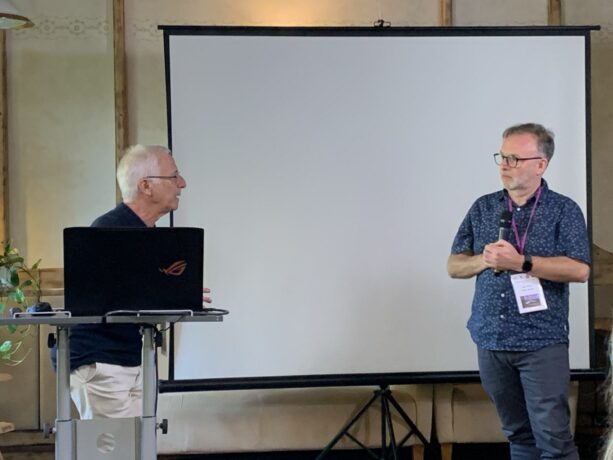
A tradition of the Bled Course is the invitation of special guests to discuss unique and thought-provoking topics. This year’s “special guest” was Dr. Igor Švab, Dean of the Medical Faculty at the University of Ljubljana and Professor in the Department of Family Medicine. With Vesna Homar, he organized the “joker session,” a feature introduced in 2004 where the speaker presents controversial, often provocative topics that are not pre-announced to the audience. A new pedagogical method, the “fireside chat,” showcased a discussion format between a moderator and guest in front of an audience. This conversational method, introduced by Franklin D. Roosevelt, is an excellent alternative to traditional presentations, allowing for focused discussions relevant to the topic rather than the guest.
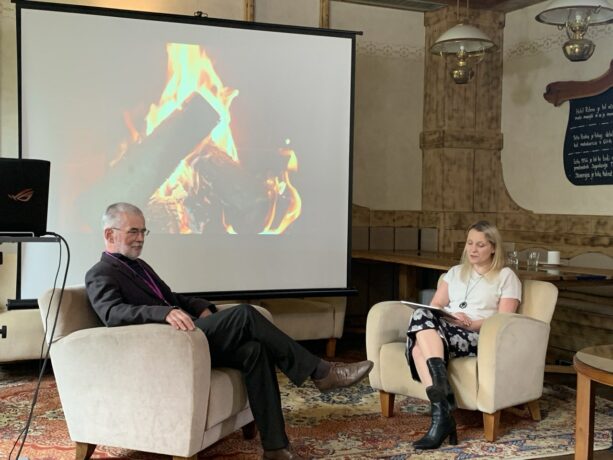
Overall, the Bled course combined lectures from leading European family medicine scholars with insights into Slovenia’s healthcare system, including interactions with practicing family doctors, primary care nurses, and patients. The course’s social program was also rich, allowing participants to immerse themselves in Slovenian history and marvel at the natural and architectural wonders, complemented by cultural performances based on historical events.
Small group work allowed participants to delve deeper into the training content, engage with colleagues from European countries, and establish professional connections for future collaboration. Each group prepared an individual project to be presented on the final training day, fostering teamwork and shared learning among participants.
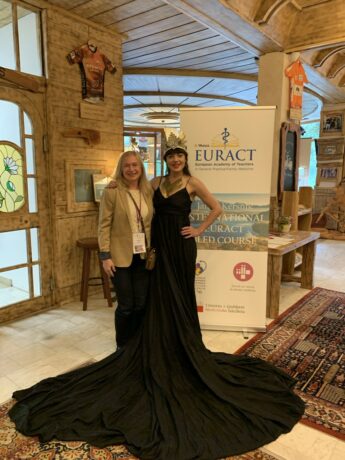
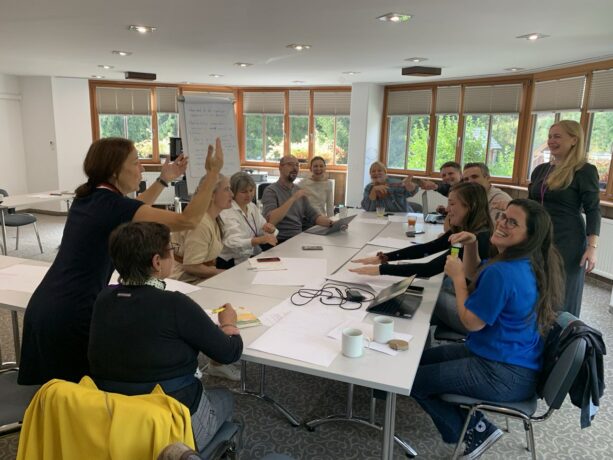
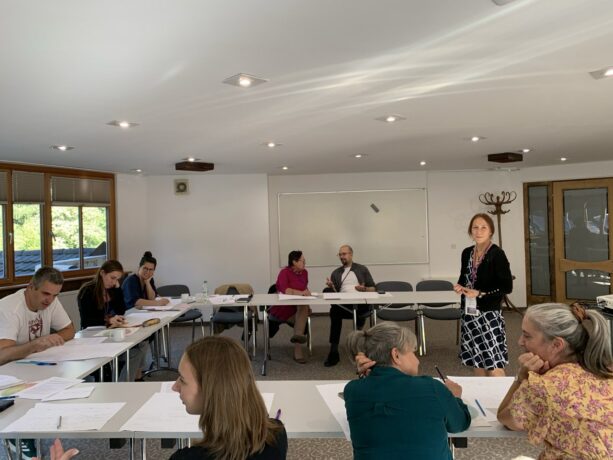
The Bled course effectively integrated relevant educational content, practical work, and enjoyable communication. As a result, participants gained new knowledge skills and methodological materials ready for inclusion in educational programs for students of various levels. The information acquired during the course is planned for implementation in teaching subjects such as “General Practice-Family Medicine,” “Communication Skills in Medical Practice,” and “Humanity and Empathy in Medical Work.” These competencies will aid future doctors in providing comprehensive care that addresses patients’ physical and emotional needs, which is vital for their overall health and well-being.
Participation in the EURACT training for family medicine educators is a significant step toward enhancing the quality of medical education in Ukraine and strengthening international cooperation. The competencies gained will be shared with students, contributing to their high-quality preparation for working within modern healthcare systems, especially in line with European approaches to primary healthcare delivery.
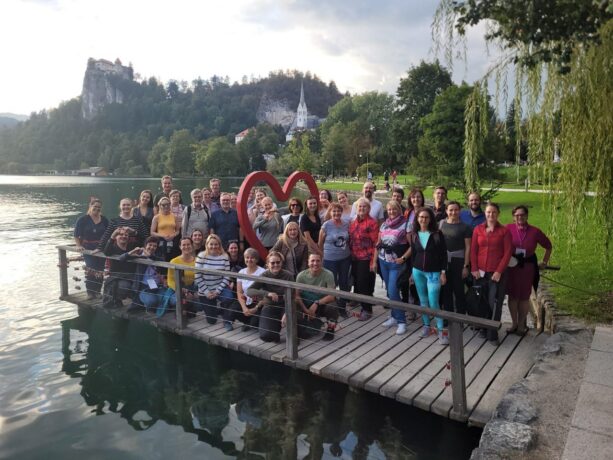
Gratitude is expressed to EURACT, colleagues from the Faculty of Family Medicine at the University of Ljubljana, the Ukrainian-Swiss project “Medical Education Development,” and Ternopil National Medical University for the opportunity and comprehensive support to participate in this event.