

The 5th All-Ukrainian Scientific and Practical Conference with International Participation “Simulation-Based Education in Pre- and Postgraduate Training of Healthcare Professionals” at TNMU
On December 5-6, 2024, the 5th All-Ukrainian Scientific and Practical Conference with International Participation, “Simulation-Based Education in Pre- and Postgraduate Training of Healthcare Professionals” (“SimCon-2024”), took place at I. Horbachevsky Ternopil National Medical University.

TNMU, the Ukrainian Scientific and Practical Center for Emergency Medical Aid and Disaster Medicine, and the All-Ukrainian Resuscitation and Emergency Medicine Council organized the event.
Key Topics Discussed:
Training paramedics using simulation-based methods.
The implementation of educational and professional programs using simulation-based methods in medical universities.
Developing communication competencies in future medical professionals through simulation-based learning.
Innovative methods and technologies in simulation education: practical experiences and SESAM 2024 recommendations.
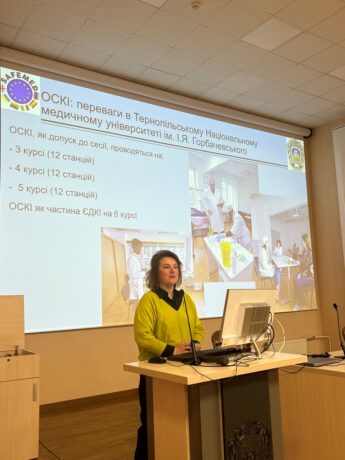
Conducting OSCEs as a competency assessment tool in higher education.
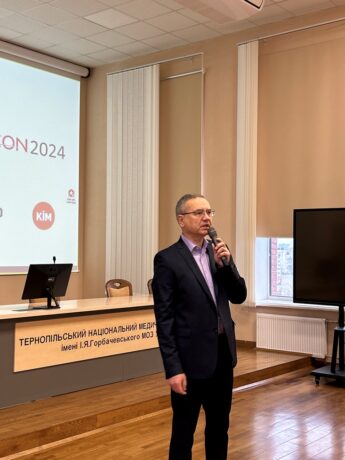
TNMU Rector’s Address: Professor Mykhaylo Korda emphasized the significant role of simulation-based education, noting that medical students undertake over 300 hours of practical training while future paramedics complete 950 hours in the simulation center. In addition, the unit hosts advanced training courses for students of the Faculty of Postgraduate Education, as well as certified courses offered by international professional associations, such as the European Resuscitation Council (ERC). These programs help various population groups improve their pre-hospital care skills and more. The Rector noted that the conference has proven to be an effective platform for experience exchange and identifying areas for further improvement.
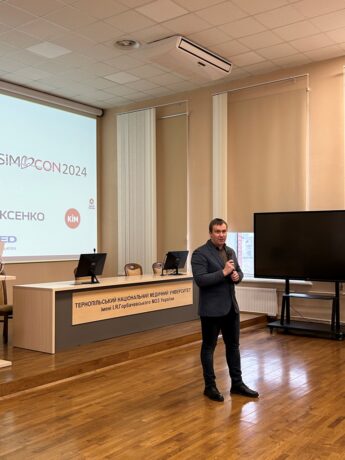
The head of the Department of Medical Personnel, Education, and Science of the Ministry of Health of Ukraine, Serhiy Ubohov, addressed the conference participants. He emphasized that simulation training is becoming a mandatory component of student preparation. Various higher medical educational institutions are implementing simulation methods at varying levels. The Ministry of Health of Ukraine aims to analyze the current situation and identify directions for improving the quality of simulation educational technologies as a prerequisite for the future work of higher education graduates in clinical settings.
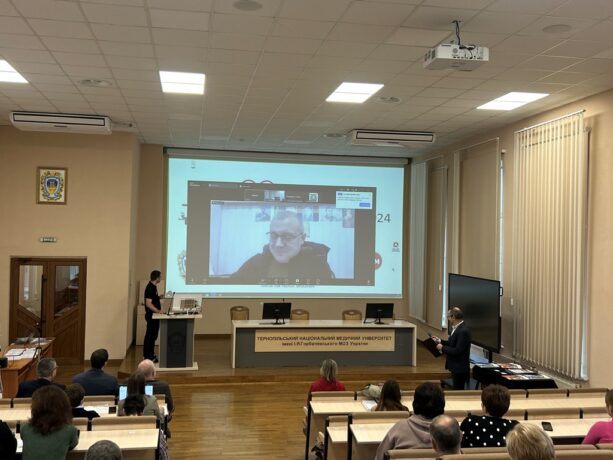
The Director of the Ukrainian Scientific and Practical Center for Emergency Medical Assistance and Disaster Medicine, Ministry of Health of Ukraine, Vitaliy Krylyuk, emphasized that simulation-based education has become the foundation for the retraining and professional development of doctors and paramedics within the emergency medical assistance system. Every emergency medical and disaster medicine center has established simulation training centers in their educational and training departments, which are well-equipped and staffed with highly qualified instructors. This ensures the provision of emergency medical services in Ukraine at a qualitatively new level. Mr. Krylyuk also highlighted the significant contribution of TNMU, which has made considerable efforts in developing training programs, preparing instructors, and creating simulation-based training technologies to meet the needs of the emergency medical services system in Ukraine.

The traditional organizer of such conferences is the All-Ukrainian Public Organization “All-Ukrainian Council of Resuscitation and Emergency Medical Assistance.” Its Chairman, Ihor Zbyshko, noted that simulation technologies are actively being implemented in Ukraine for the training of specialists and civilians in basic and advanced resuscitation of children and adults according to ERC standards. These highly popular courses, on the one hand, provide new knowledge, skills, and competencies, while on the other, they showcase simulation-based learning technologies. The speaker highlighted that TNMU has a strong team of ERC-certified instructors who ensure high teaching excellence.

Representatives from Bukovinian State Medical University, Zaporizhzhia State Medical and Pharmaceutical University, Odesa National Medical University, Ternopil National Medical University, and Zhytomyr Medical Institute of the Zhytomyr Regional Council shared their experiences on the effectiveness of simulation training centers.
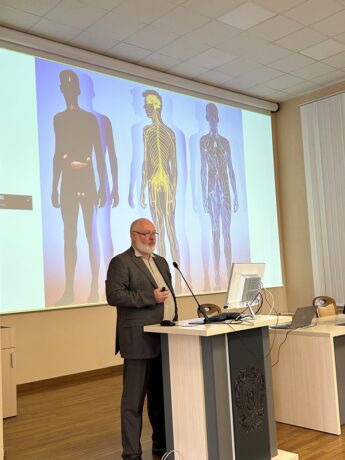
The President of the Ukrainian Association of Simulation Medicine, Oleksandr Litus, presented a report “Simulation Training in Ukraine – What’s Next?” He emphasized the need to unite simulation training specialists in Ukraine into a single association, which would expand the access of simulation centers to global resources and actively influence the implementation of the latest advancements in the educational process to train higher education students in Ukraine.
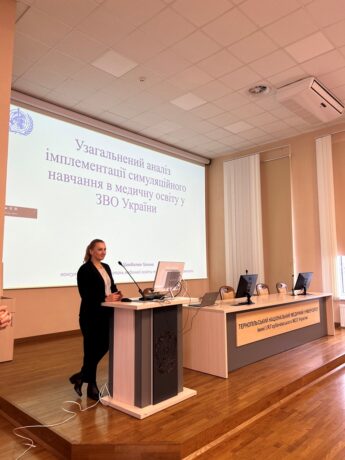
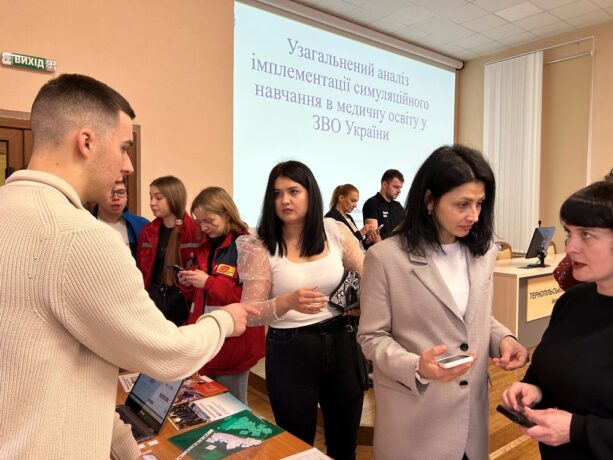
A significant interest was sparked by the report on “Generalized Analysis of Approaches to the Implementation of Simulation Training Methods in Medical Higher Education Institutions of the Ministry of Health of Ukraine,” presented by a WHO consultant on medical education and strengthening its capacity, Halyna Tsymbalyuk. The report summarized information on simulation training in higher educational institutions under the Ministry of Health of Ukraine, which could form the basis for developing a concept for developing simulation training in Ukraine.
Simulation Medicine Olympiad
The conference hosted the 7th International Olympiad in Simulation Medicine, “TernopilSimOlymp-2024,” involving students specializing in “Emergency and Urgent Medical Aid.” Participants honed their skills through masterclasses, such as:
Managing critical external bleeding, tourniquet conversion, and emergency medical care in traffic accidents.
Managing hemorrhagic shock and implementing the FAST protocol. Hemotransfusion at the Prehospital and Early Hospital Stages.
Basic and advanced resuscitation measures for adults and children according to ERC guidelines.

During the conference, an exhibition of products from the company “ONIKO” was presented. The company, which has been on the Ukrainian market for over 32 years, offers the broadest range of mannequins and simulators to meet the most demanding users’ needs.
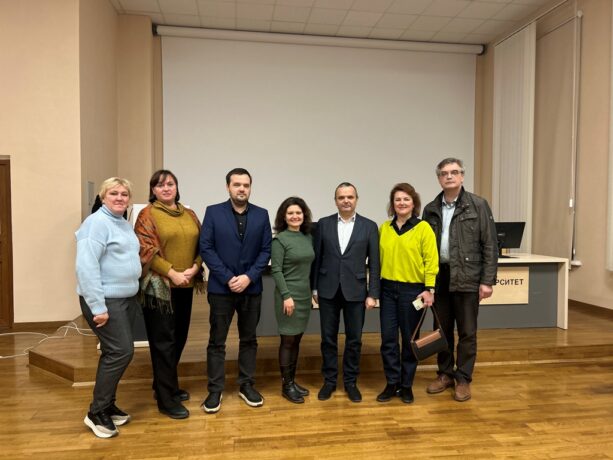
In conclusion, it should be noted that leading simulation training centers are developing along similar lines: from the list of skills, abilities, and competencies defined by higher education standards and educational-professional programs, each higher education institution selects a set that matches its logistical capabilities and the training of its center personnel. There is still much work ahead to systematically implement simulation training methods in preparing higher education students to meet high global standards in both education and medicine as a whole.