

A Scientist from Ternopil National Medical University Participated in the International Scientific Conference “Renal Disease in Diabetes and Obesity (ERA 2024)”
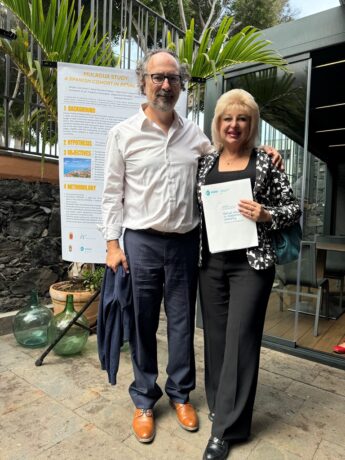
From November 21 to 26, 2024, the Head of the Department of Internal Medicine No. 3 of Ternopil National Medical University participated in the international scientific conference under the auspices of the European Renal Association (ERA) “Renal Disease in Diabetes and Obesity (ERA 2024)” in Garachico, Spain.
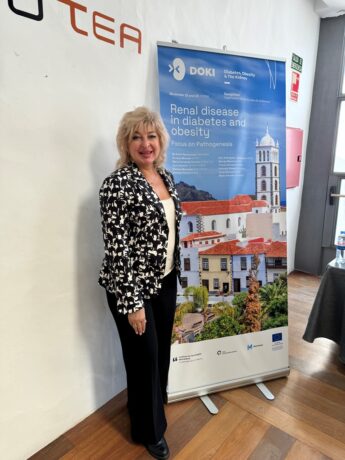
Given the widespread prevalence of diabetes, obesity, and chronic kidney disease (CKD), large-scale studies addressing this issue have been conducted over the past three years, particularly within the framework of the European Association of Nephrologists’ project “Diabetes, Obesity, and Chronic Renal Disease (DOKI Project).” This year’s conference focused on cutting-edge research on the pathogenesis of these conditions. Concluding sessions addressed age- and gender-specific features in the development of CKD, diabetes, and obesity.
Key topics discussed included:
- Gender-specific features in CKD development against the background of diabetes and obesity;
- Genetic, gestational, environmental, and nutritional factors, crucial for determining the number of functioning nephrons throughout life.
- Modern non-invasive and minimally invasive methods for assessing nephron count in experimental models, pathology, and clinical settings.
- The role of inflammatory mechanisms in developing premature aging syndrome, accelerated apoptosis, and loss of functioning nephrons.
The concept of “inflammaging” was presented, highlighting the role of chronic inflammation in nephron toxicity via leukocyte activation, endothelial dysfunction, smooth muscle cell proliferation, accelerated apoptosis, fibrosis formation, insulin resistance, and nephrosclerosis development.
Regarding diabetic kidney disease, key findings included:
- Factors causing kidney damage in experimental and animal models.
- Research data on live kidney biopsies and the factors contributing to different types of kidney damage in diabetes.
- Positive renal and cardiovascular effects of SGLT-2 inhibitors, GLP-1 agonists, and DPP-IV inhibitors in diabetic kidney disease.
- The role of obesity in the development of diabetic kidney disease.
Emphasis was placed on the importance of correcting dyslipidemia and non-alcoholic steatohepatitis in cardiorenal patients, as well as the appropriate use of statins and omega-3 fatty acids to prevent cardiovascular damage in CKD patients. It was confirmed that hypertriglyceridemia is an independent cardiovascular risk factor in metabolic syndrome.

Special attention was given to dyslipidemia, particularly hypertriglyceridemia and hypercholesterolemia, as key factors in kidney damage in obesity. Pathological and epidemiological research data showed that the primary forms of kidney damage in obesity and diabetes are focal segmental glomerulosclerosis and IgA nephropathy. The role of hyperfiltration as a key factor in glomerulosclerosis development was proven. The necessity of screening for CKD in all patients with metabolic syndrome, obesity, and diabetes using albumin-to-creatinine ratio and estimated GFR (eGFR) was emphasized.

This event exemplified a fundamental, systematic, and integrative approach to addressing CKD, implementing new therapeutic strategies, and advancing personalized medicine.
The conference also included warm discussions with colleagues from Spain, Denmark, Argentina, and other countries about future research collaborations and their heartfelt support for Ukraine in its fight against aggression.