TNMU Professor Participated in Erasmus+ Academic Mobility Program at the University of Santiago de Compostela
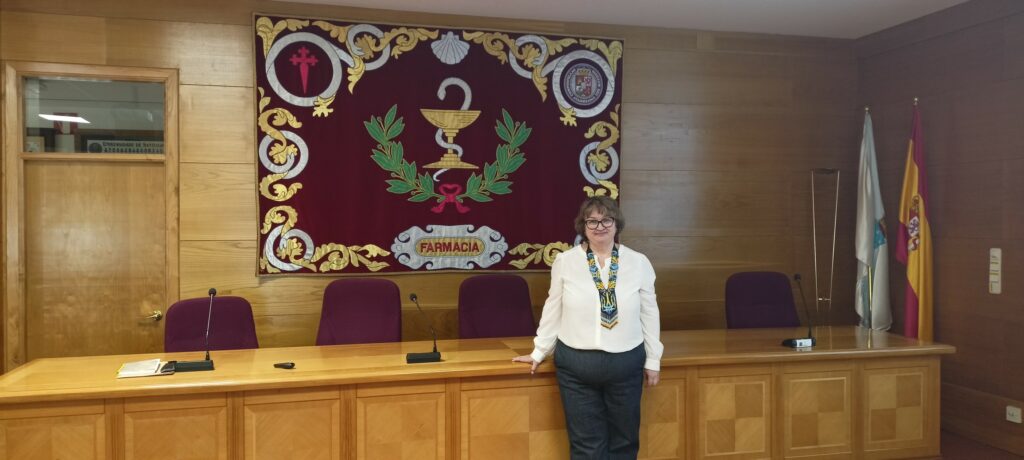
From March 31 to April 4, 2025, Professor Oleksandra Oleshchuk, Head of the Department of Pharmacology and Clinical Pharmacology at I. Horbachevsky Ternopil National Medical University, participated in the international academic mobility program Erasmus+ at the University of Santiago de Compostela (Spain). The visit, part of the Erasmus Plus International Credit Mobility project, aimed to strengthen cooperation between the universities, share pedagogical experience, and become acquainted with the scientific and educational processes of one of Europe’s leading universities.
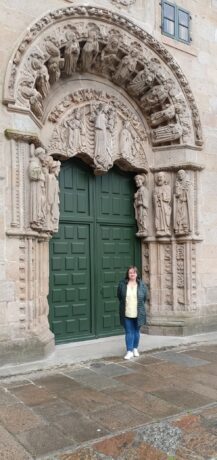
The University of Santiago de Compostela (Universidad de Santiago de Compostela, USC) is one of the oldest higher education institutions in Europe, founded in 1495. Today, it is considered a national treasure of Spain and a powerful scientific and educational center, encompassing over 30 faculties and schools, 30 research centers, and two major partner clinical hospitals. USC consistently ranks among the best universities in Spain for educational quality, international engagement, and scientific achievements.
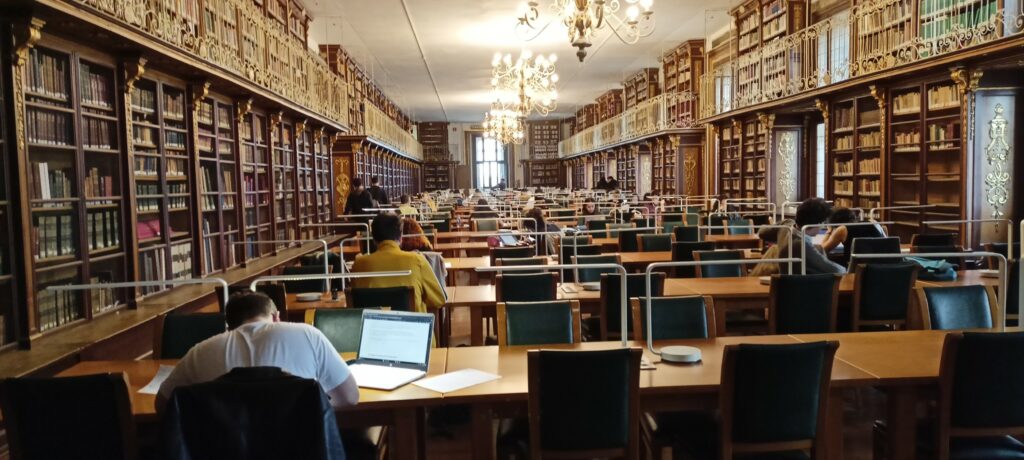
During the visit, special attention was given to the medical (Facultad de Medicina) and pharmaceutical (Facultad de Farmacia) faculties, both considered flagships of USC in healthcare. The Faculty of Medicine combines strong academic traditions with modern clinical methods and simulation-based training. The curriculum emphasizes evidence-based medicine, interdisciplinary learning, and early clinical integration.
USC’s Faculty of Pharmacy is among the best in Spain, renowned for its robust scientific infrastructure and a wide range of research in pharmacology, pharmacogenetics, biopharmacy, pharmaceutical technology, and its strong clinical integration for joint research on novel treatment approaches.
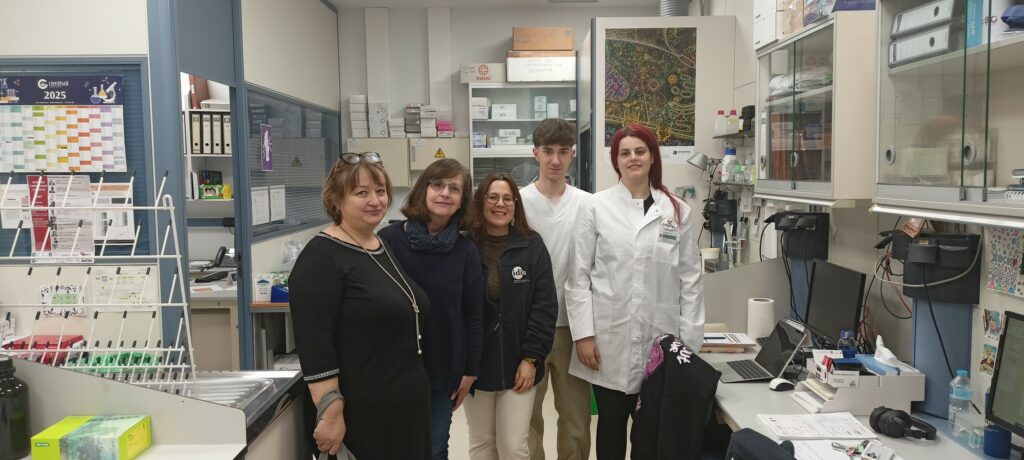
One of the most impressive aspects of the visit was learning about USC’s research infrastructure. A key highlight was CIMUS (Centro Singular de Investigación en Medicina Molecular e Enfermidades Crónicas) – the Singular Center for Research in Molecular Medicine and Chronic Diseases. CIMUS conducts cutting-edge research in oncology, cardiovascular pharmacology, neuroscience, regenerative medicine, and bioengineering. A major focus lies in developing new drugs, targeted molecules, and biomarkers.
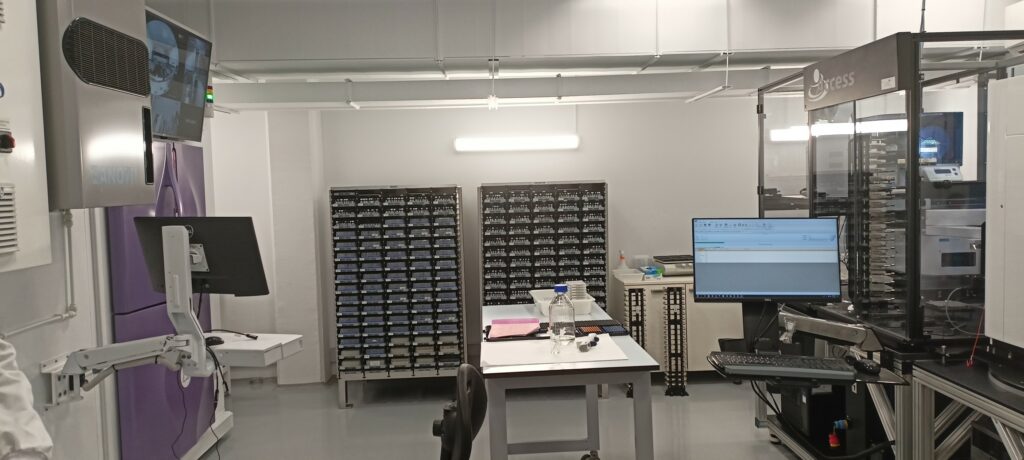
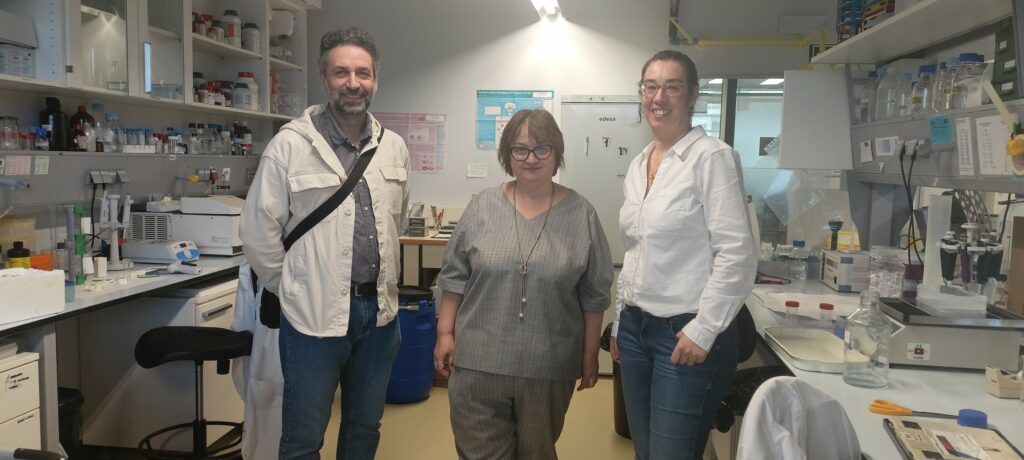
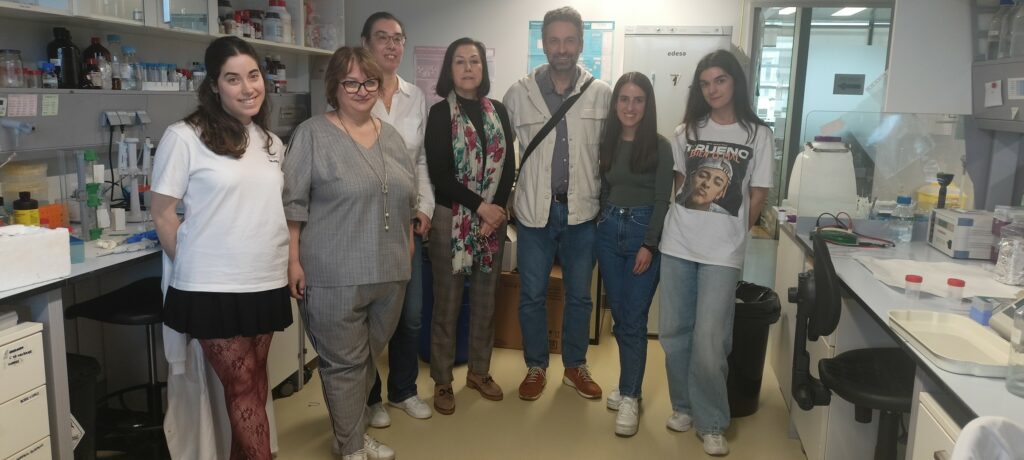
CIMUS actively participates in numerous European and international research consortia and boasts advanced laboratory facilities, including high-throughput drug screening, biobanks, and preclinical testing capabilities. It is also deeply involved in translational medicine, bridging the gap between laboratory discoveries and clinical application.
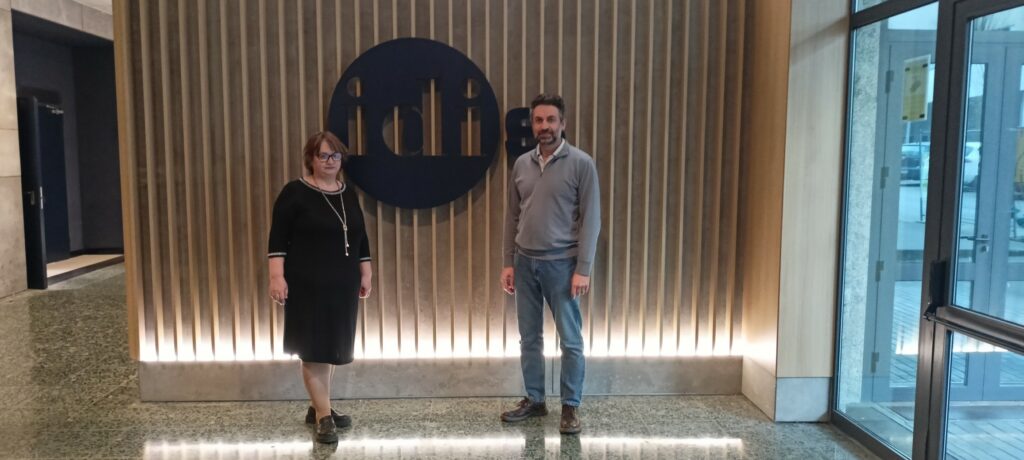
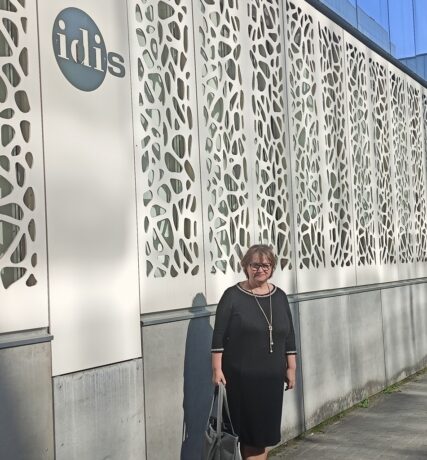
Equally remarkable is the activity of IDIS (Instituto de Investigación Sanitaria de Santiago de Compostela), a medical research institute that works closely with the Clínico Universitario de Santiago hospital. IDIS conducts high-level clinical research in pharmacotherapy, treatment efficacy assessment, and drug safety, opening new prospects for future collaboration between TNMU and USC.
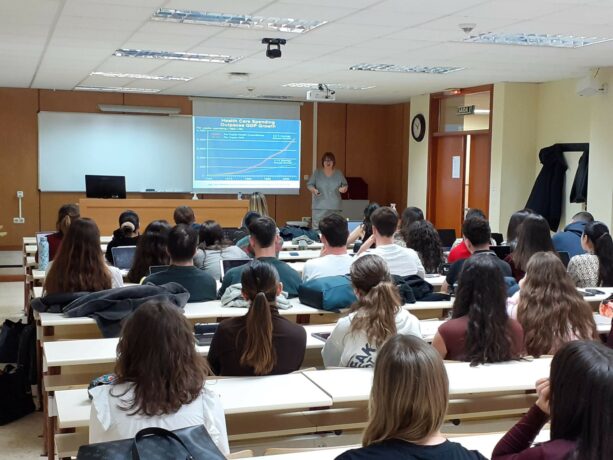
As part of her visit, Prof. Oleshchuk delivered a series of lectures in English to students of the Faculty of Pharmacy. Her lectures focused on health technology assessment, clinical efficacy, and drug safety. The sessions included practical exercises and case studies from real clinical practice, sparking lively discussion and student engagement.
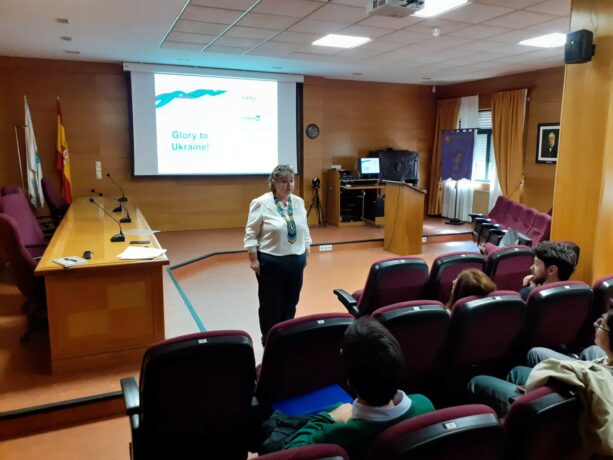
She also met with USC faculty and researchers, presenting the scientific achievements of TNMU pharmacologists and discussing possibilities for joint research, collaborative international projects, and further academic mobility initiatives.
Participation in the Erasmus+ program at the University of Santiago de Compostela proved to be a highly enriching professional experience. The combination of high-quality teaching, advanced research infrastructure (notably CIMUS and IDIS), openness to innovation, and strong international cooperation creates ideal conditions for scientific creativity, professional growth, and integration into the European academic space. The knowledge and experience gained will be of great value at TNMU, while the newly established connections and ideas will pave the way for future joint projects, scientific publications, and expanded opportunities for both students and colleagues.
Special thanks to Professor Ezequiel Álvarez Castro from the Department of Pharmacology, Pharmacy and Pharmaceutical Technology – the hosting coordinator of the visit – for his warm hospitality, outstanding organization, and the inspiring opportunities for academic and scientific cooperation.