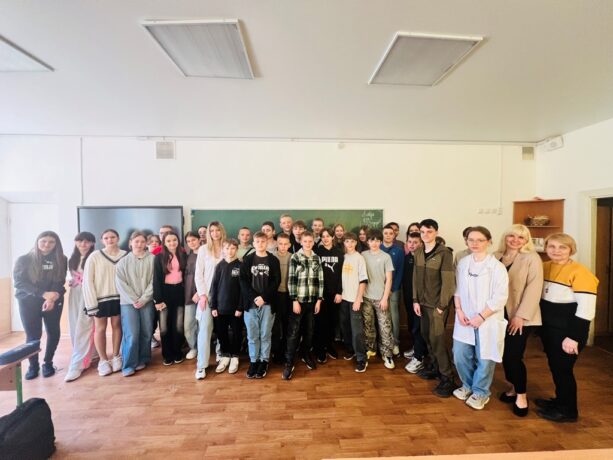
TNMU Students Visited Ternopil Classical Lyceum with a Lecture on Adolescent Hormonal Health
Educational outreach activities by students of I. Horbachevsky Ternopil National Medical University are an educational initiative aimed at uniting the medical community and school youth to promote healthy lifestyles.
This time, first-year medical faculty students Polina Buhaiova and Bohdana Hrynchuk, at the initiative of Professor of the Department of Foreign Languages Tetiana Khvalyboha, visited Ternopil Classical Lyceum.
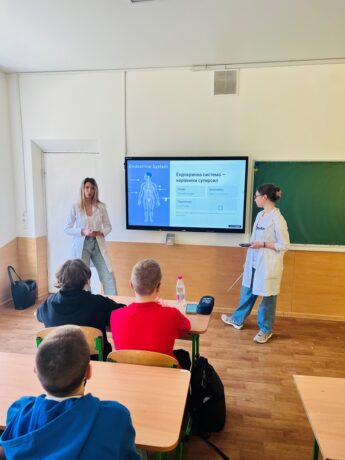
For 7th-grade students, the girls conducted a bright and interactive lecture “Hormones – The Superheroes of Our Body”, where they explained the role of hormones in the body in simple and accessible language. The pupils learned that hormones are like “commanders” of our well-being, energy, growth, emotions, and even friendships.
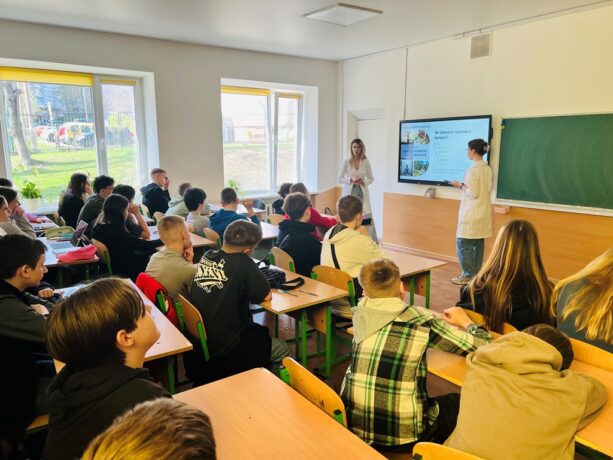
Together with the lecturers, the children discovered superheroes with amazing powers: Growth Hormone – Captain Growth, Insulin – Energy Controller, Adrenaline – Power Lightning, Serotonin – Calm and Mood, Oxytocin – the Friendship Hormone, and many others.
The students paid special attention to how to maintain hormonal balance through sleep, physical activity, healthy nutrition, and sustaining positive emotions.
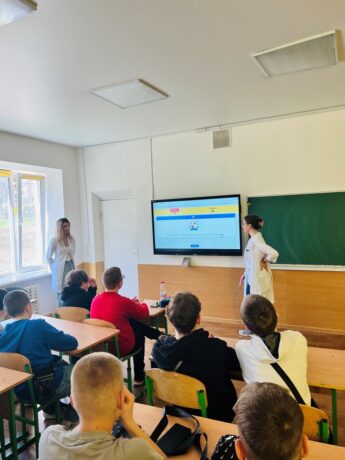
A highlight of the meeting was a mini-quiz, which not only helped consolidate the material but also brought plenty of fun moments. The pupils actively answered questions, asked their own, and proved that they had absorbed the knowledge excellently.
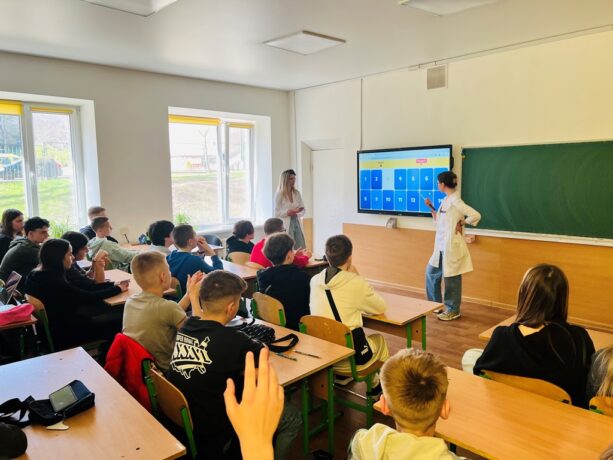
Such initiatives are extremely important, especially for teenagers who often experience hormonal changes and do not always understand what is happening to them. Knowledge presented on a scientific basis yet in an engaging form helps reduce anxiety and foster a healthy attitude toward themselves and their bodies.
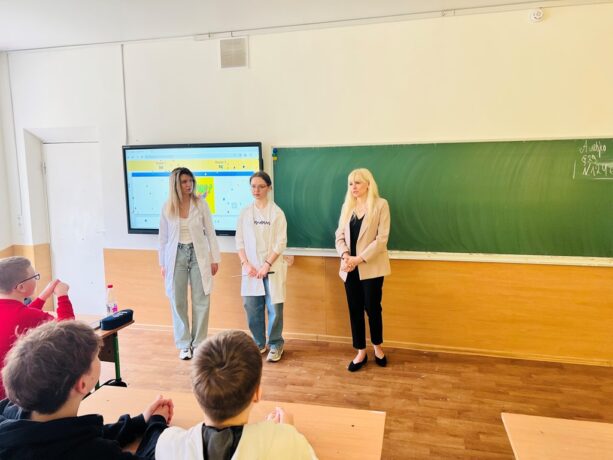
We sincerely thank the administration and teaching staff of Ternopil Classical Lyceum for their warm, sincere welcome and for creating an atmosphere of trust, openness, and curiosity.
It is thanks to such educational institutions, where respect for science and a desire to cultivate curiosity in children prevail, that initiatives like this become truly lively and meaningful.
We believe that such meetings help to build trust in medicine and motivate young people to take care of their health from an early age.