

The XXIX Congress of Students and Young Scientists “The Future Belongs to Science” at TNMU
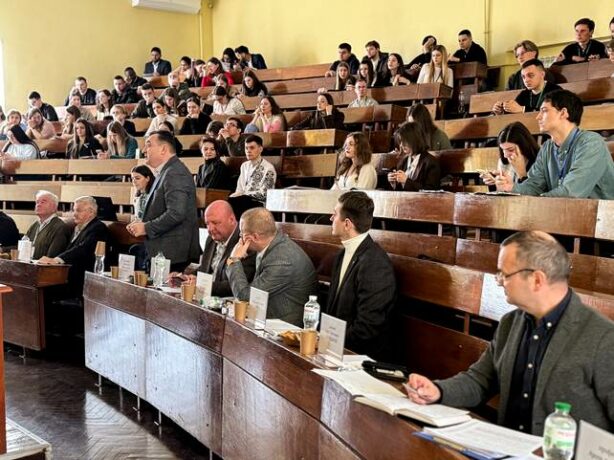
For 29 consecutive years, Ternopil National Medical University has upheld the tradition of organizing the Congress of Students and Young Scientists. This year, the Congress took place from April 9 to 11 in the administrative and morphological buildings of the university.
The organizing committee received 619 abstracts for publication, and during the Congress, 411 oral and 20 poster presentations were delivered. It is especially pleasing to note that more than 100 scientific works were submitted by representatives from 25 institutions of higher and professional pre-higher education across Ukraine, including Kyiv, Vinnytsia, Donetsk, Kamianets, Luhansk, Lutsk, Lviv, Odesa, Poltava, Sumy, Uzhhorod, Ivano-Frankivsk, Kharkiv, Khmelnytskyi, and Chernivtsi.
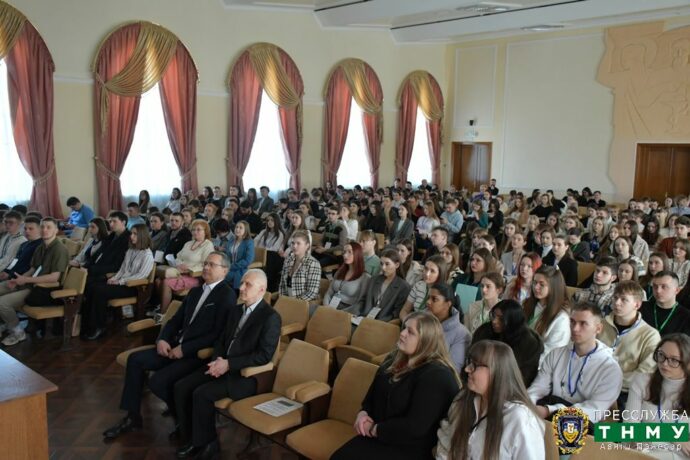
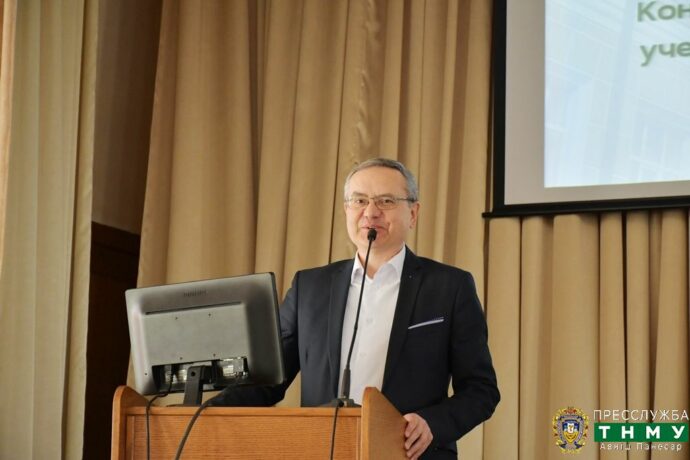
Addressing the Congress participants, Professor Mykhailo Korda expressed his sincere joy and admiration at the impressive number of students and young scientists, all united by a thirst for knowledge and scientific inquiry. In his speech, he emphasized that scientific activity and education are not only about personal development but also represent an invaluable contribution to strengthening the welfare of our nation today.
Mykhailo Korda emphasized that the professionalism and profound knowledge of young specialists will be especially crucial for Ukraine after our victory. It is the young generation of scientists, doctors, and researchers that will become the main driving force behind the reconstruction of our country and the restoration and reform of the national healthcare system.
The Rector wished the participants boundless energy, enthusiasm for their work, faith in their own abilities, and belief in the future of Ukraine.
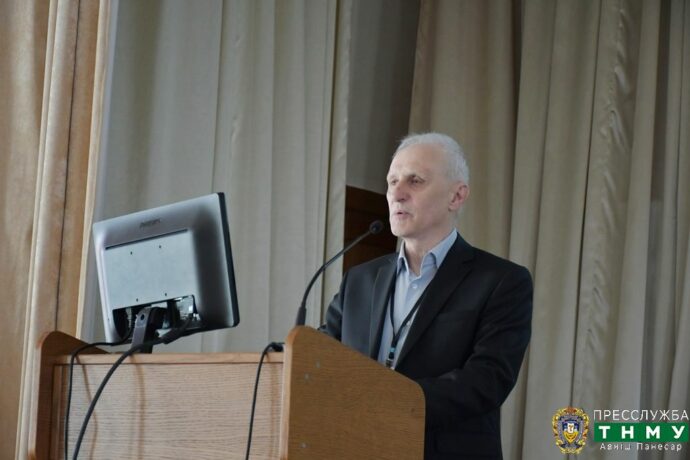
Professor Ivan Klishch, TNMU Vice-Rector for Research, also addressed the students and young scientists. In his speech, he warmly recalled the history of the Congress’s establishment and development, noting that it has been an important event in the university’s scientific life for many years. The Vice-Rector highlighted the significance of the Congress as a platform for experience exchange, establishing professional connections, and opening new horizons in scientific research. He urged all participants not to stop at their achievements, to remain active members of the scientific community, and to continue diligently advancing their research and honing their skills and knowledge.
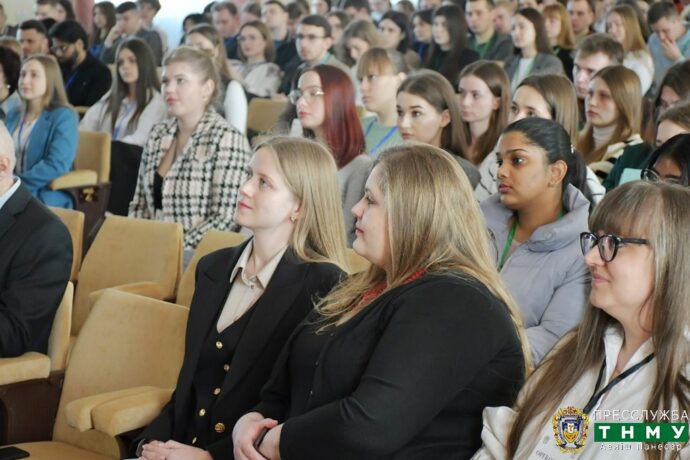
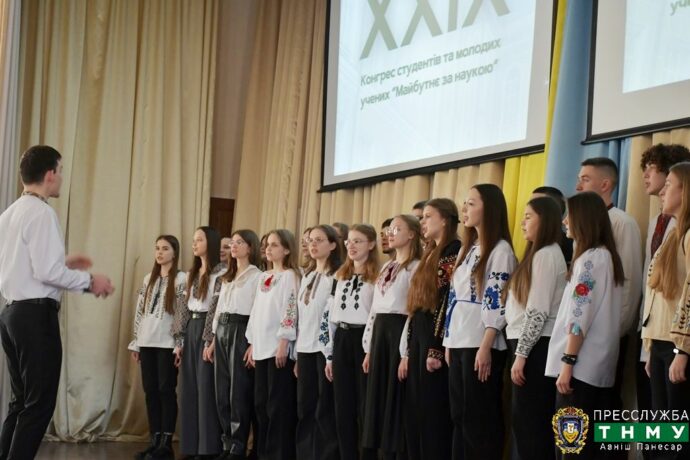
The official opening ceremony of the Congress concluded with a performance of the student anthem “Gaudeamus” by the TNMU choir, symbolizing the unity of the academic community and their shared aspiration for knowledge.
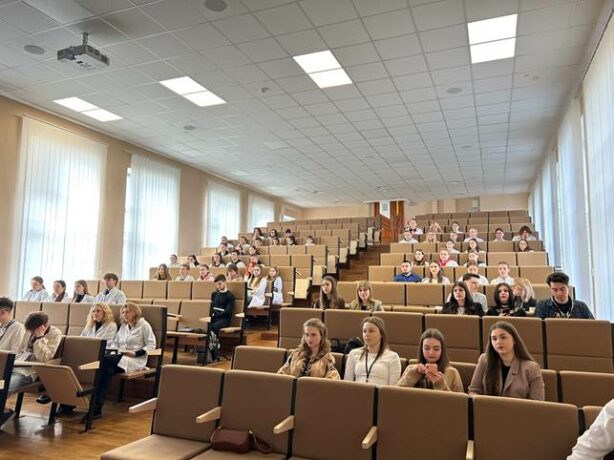
Throughout the Congress, students and young researchers had the opportunity to present the results of their research. Presentations took place within the following sections: “Obstetrics and Gynecology,” “Internal Medicine No.1 (Cardiology, Rheumatology, Hematology, Oncology, Radiation Medicine),” “Internal Medicine No.2 (Gastroenterology, Endocrinology, Pulmonology, Immunology, Allergology),” “Experimental Medicine No.1 (Biological and Bioorganic Chemistry, Molecular Biology and Medical Genetics),” “Experimental Medicine No.2 (Physiology),” “Experimental Medicine No.3 (Pathophysiology),” “Infectious Diseases, Dermatology and Venereology,” “Clinical Nursing, Physical Therapy, and Rehabilitation,” “Medical Biology,” “Medical Informatics, Development and Prospects of Artificial Intelligence in Medicine, Biophysics, Youth Public and Volunteer Activities, Student Government as a Platform for the Development of Soft Skills and Personal Qualities of the Future,” “Microbiology and Virology,” “Morphology in Normal and Experimental Conditions,” “Neurology and Neurosurgery,” “Pathomorphology and Forensic Medicine,” “Pediatrics and Clinical Cases,” “Preventive and Social Medicine, Healthcare Organization,” “Psychiatry,” “Dentistry, Otolaryngology, Ophthalmology,” “Social and Humanitarian Sciences,” “Pharmacology,” “Pharmacy, General and Inorganic Chemistry,” “Surgery, Minimally Invasive Surgery, Pediatric Surgery, Orthopedics, Traumatology, Emergency Medicine, Reanimatology, Anesthesiology.”
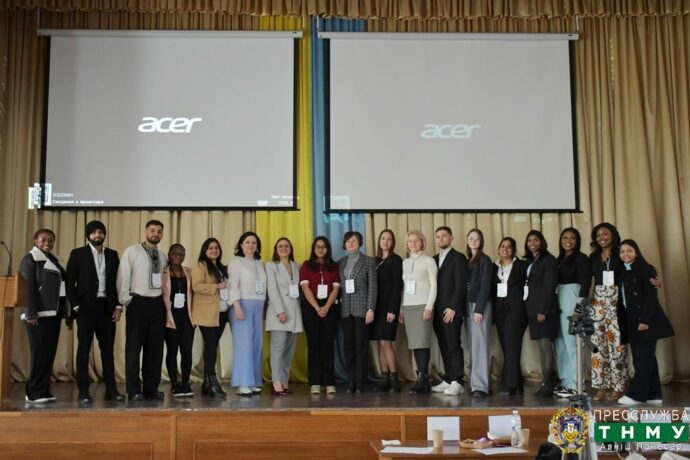
As part of the ХХІХ Congress of Students and Young Scientists “The Future Belongs to Science”, an important roundtable discussion was held on the topic “Open Science Policies in Medicine.”The roundtable brought together students, postgraduate students, young researchers, and their mentors to discuss pressing issues related to the implementation of the principles of openness, transparency, and accessibility in medical research.
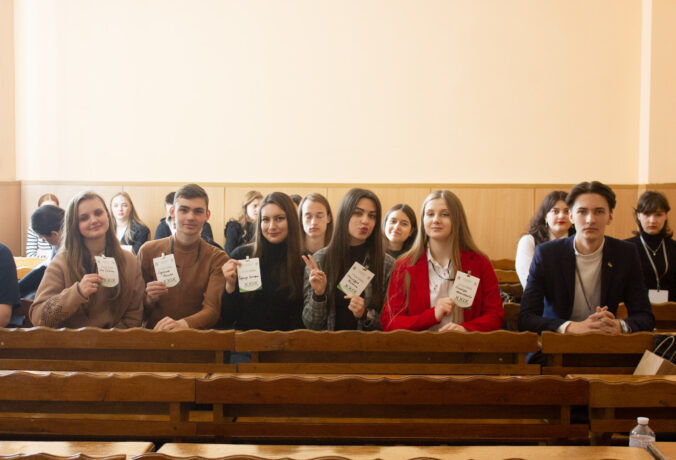
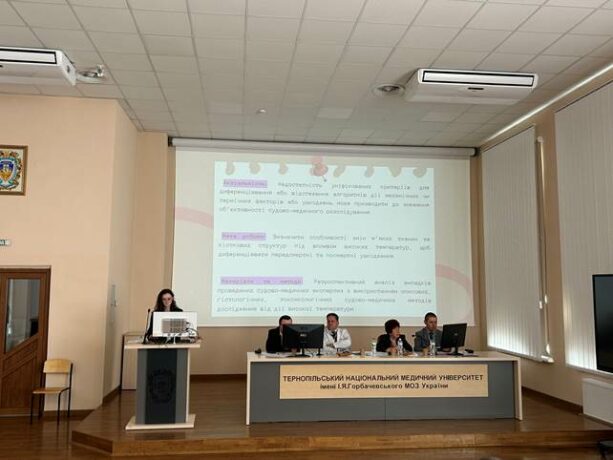
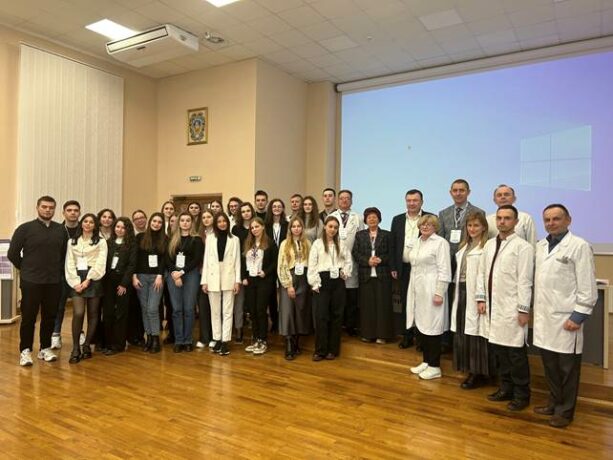
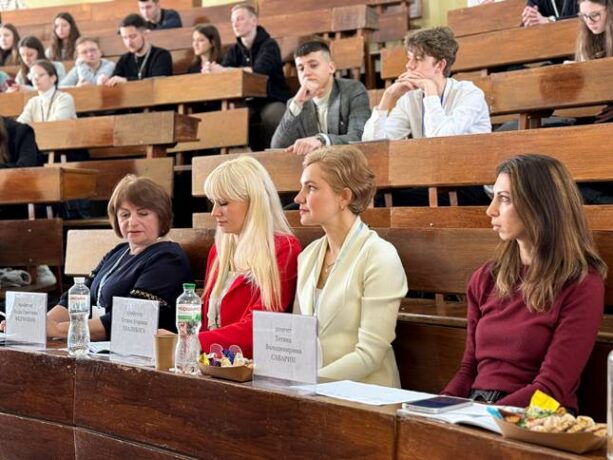
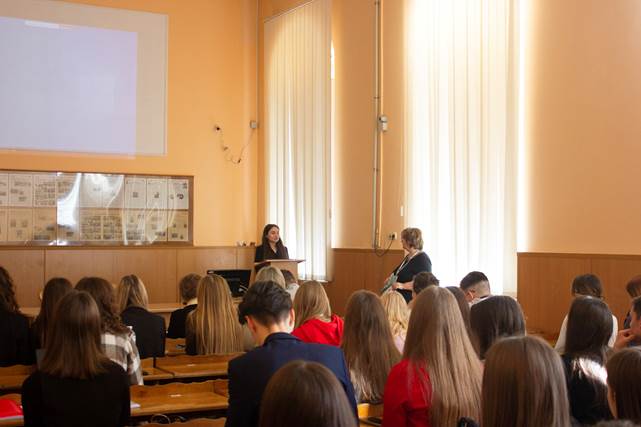
After the sectional sessions, the jury members noted the significant scientific potential and inquisitive spirit of the young medical generation. Based on the discussions, the best presentations in each section were selected. As a result of the Congress, 102 presentations received first-degree diplomas, 122 received second-degree diplomas, and 129 received third-degree diplomas. Professor Ivan Klishch, Vice-Rector for Research at TNMU, presented the diplomas to the winners during the official closing ceremony of the Congress.
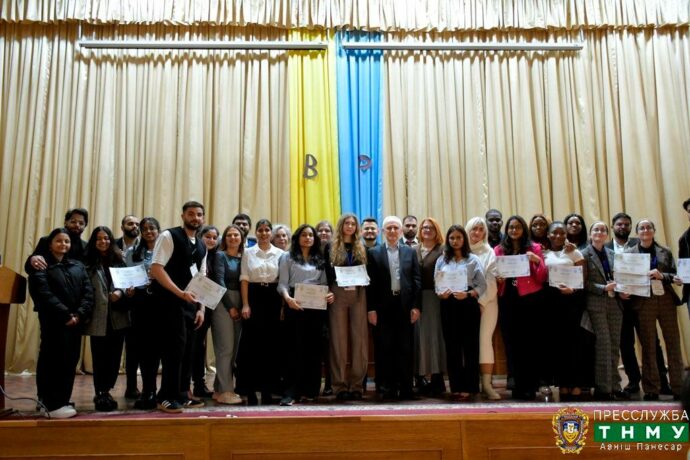
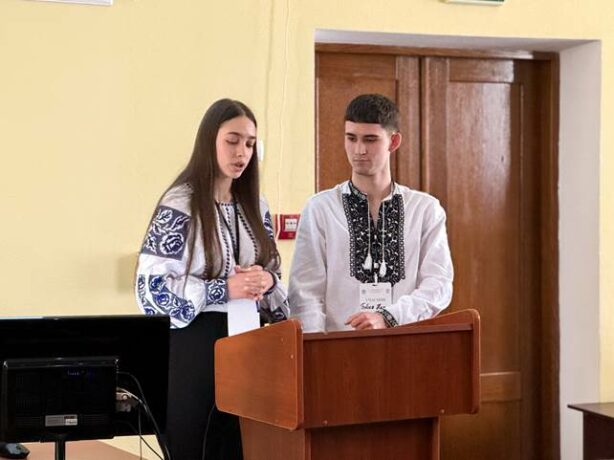
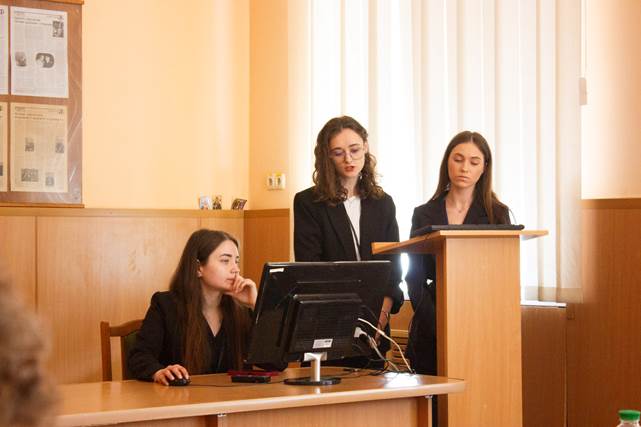
A special event also took place during the closing of the XXIX Congress: the authors of the three best presentations had the opportunity to showcase their research once more before all attendees.
The first presentation was delivered by Anastasiia Furdela and Yuliia Kharkhalis, “The Effect of Sacubitril/Valsartan on Ejection Fraction in a Patient with Heart Failure (Clinical Case).”
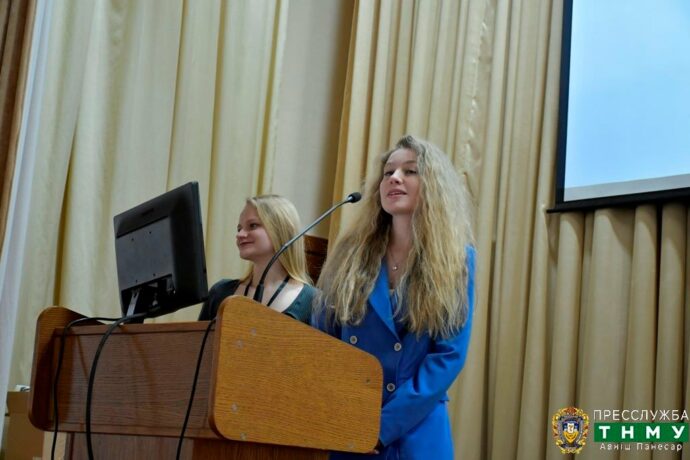
The next speaker was Bohdan Yurchenko, who presented “Escherichia coli and Popular Beverages: Growth Inhibition or Stimulation?”
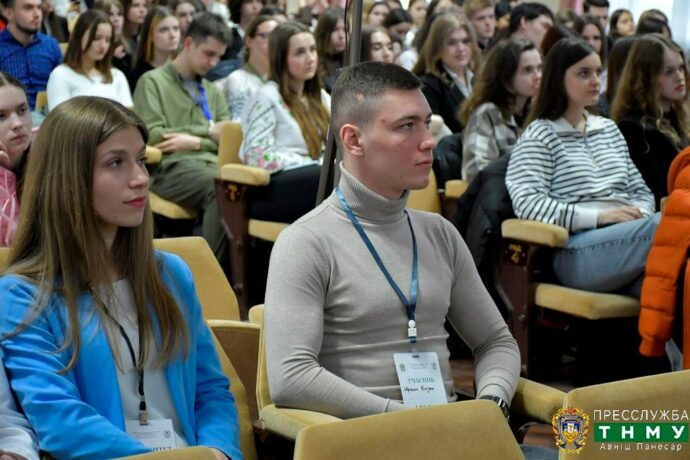
Viktoriia Romaniiv delivered a report “Intraoperative Monitoring of Blood Circulation Restoration Effectiveness During Balloon Angioplasty in Patients with the Neuroischemic Form of Diabetic Foot Syndrome According to Transcutaneous Oximetry Data.”
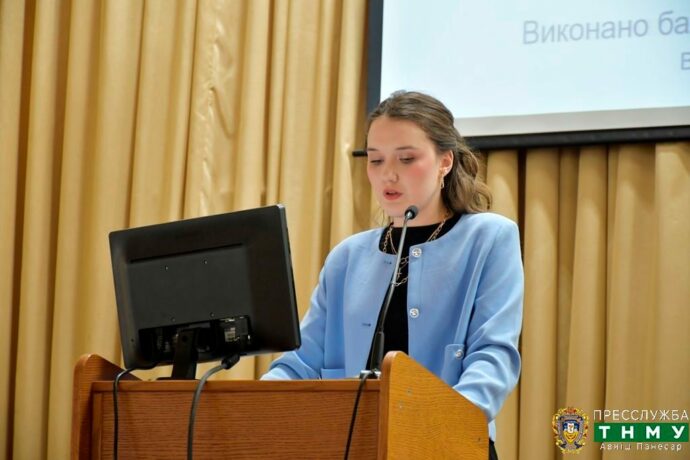
The final outstanding presentation was by Mariia Kravets, who discussed “Gross-Total and Subtotal Resection of Intracerebral Tumors: Preference in Surgical Treatment Choice.”
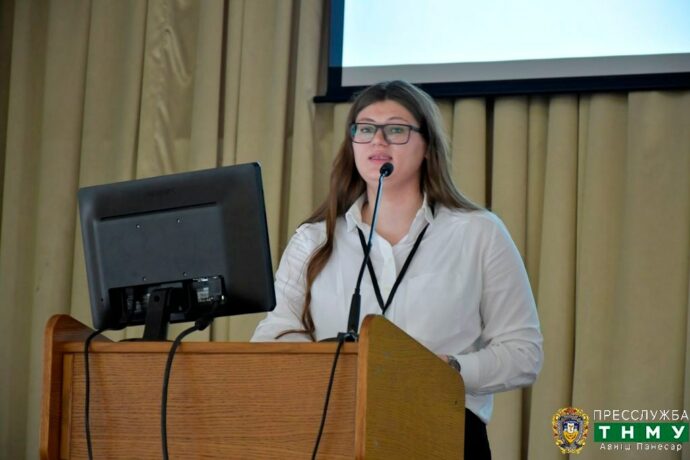
We express our heartfelt gratitude to the entire organizing committee.
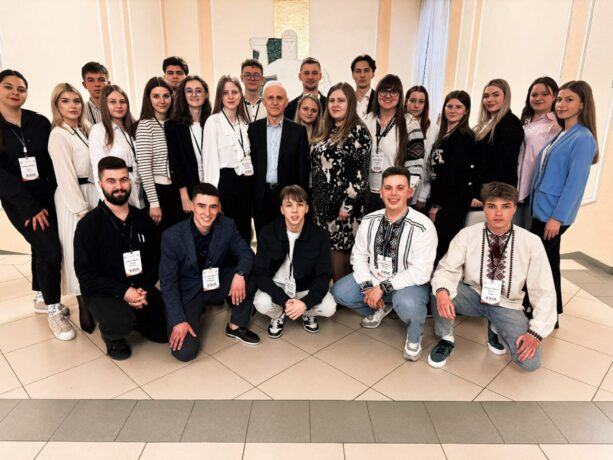
Thank you very much to all participants for your activity!
Ahead lie new challenges, new projects, new ideas, and new exciting meetings. We are already looking forward to seeing you at the upcoming anniversary XXX Congress of Students and Young Scientists “The Future Belongs to Science”!