

Department of Pediatrics and Pediatric Surgery Supports “World Primary Immunodeficiency Week” and “World Immunization Week”
Every year at the end of April, two significant global health awareness events are recognized: World Primary Immunodeficiency Week (April 22–29) and World Immunization Week (April 24–30). These initiatives aim to raise awareness about the importance of the immune system and the prevention of infectious diseases through vaccination.
Primary immunodeficiencies (PIDs), also known as inborn errors of immunity, are a group of rare hereditary disorders characterized by dysfunctions of the immune system. Individuals with PIDs are highly vulnerable to infections that may be mild for healthy people but can pose serious or life-threatening risks for those with immunodeficiencies.
As of 2025, more than 550 types of PIDs have been described globally, and approximately 180 types have been diagnosed and registered in Ukraine. The classification continues to expand rapidly due to advancements in genetic diagnostics.
📽️ A video can be viewed here: Watch Video
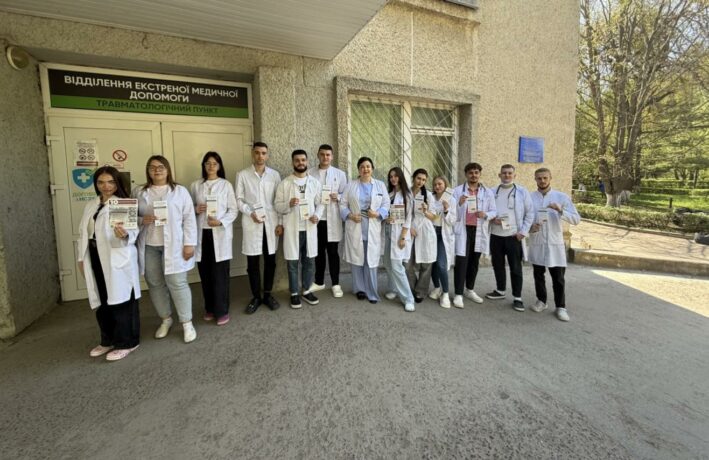
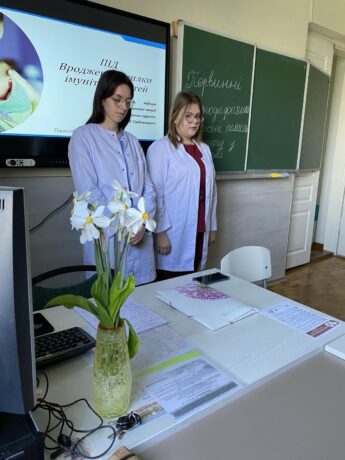
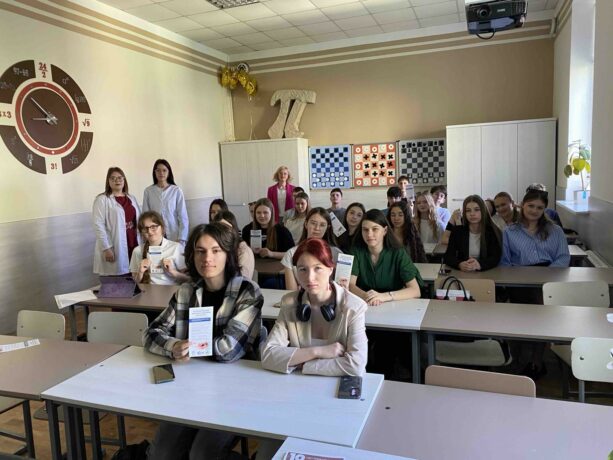
Associate Professor Tetiana Hariian and group No. 573 organized a flash mob in support of World Primary Immunodeficiency Week. Additionally, students Yuliia Havryliuk and Bohdana Matskan delivered an educational lesson on PIDs to senior students of I. FrankoTernopil Academic Lyceum “Ukrainian Gymnasium”. The event began with a moment of silence to honor fallen heroes.
Expanded neonatal screening is an early diagnostic tool for detecting rare hereditary conditions in newborns. This includes immunological pathologies such as severe combined immunodeficiency (SCID)—a life-threatening genetic condition where the immune system fails to function due to the absence or malfunction of key immune cells. Affected children may appear healthy at birth but often develop severe infections within months, potentially leading to death in the first year of life. Early screening allows for preclinical detection and referral to specialized centers. Today, effective treatments are available, including hematopoietic stem cell transplantation, which is performed in Ukraine. Since the launch of expanded screening in 2022, several lives have been saved through early diagnosis and treatment.
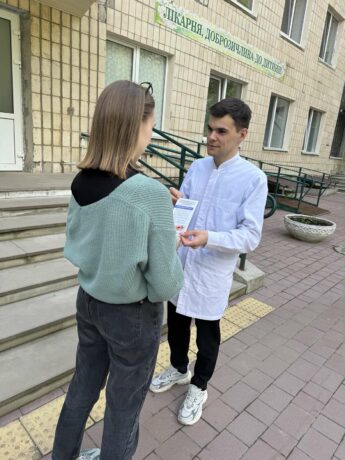
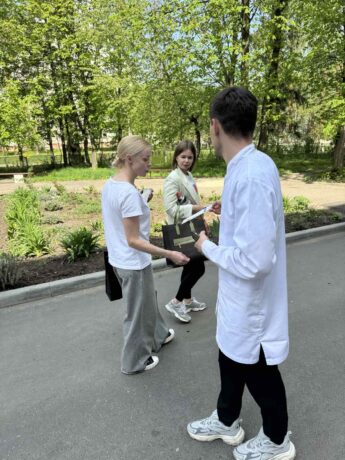
Immunization is one of the most effective and safe ways to protect against infectious diseases. Vaccines save millions of lives every year by preventing outbreaks of illnesses such as measles, polio, diphtheria, tetanus, pertussis, hepatitis A and B, pneumococcal infections, rubella, mumps, influenza, human papillomavirus, and others. World Immunization Week emphasizes the need for equal access to vaccines for everyone—regardless of location, age, or socioeconomic status.
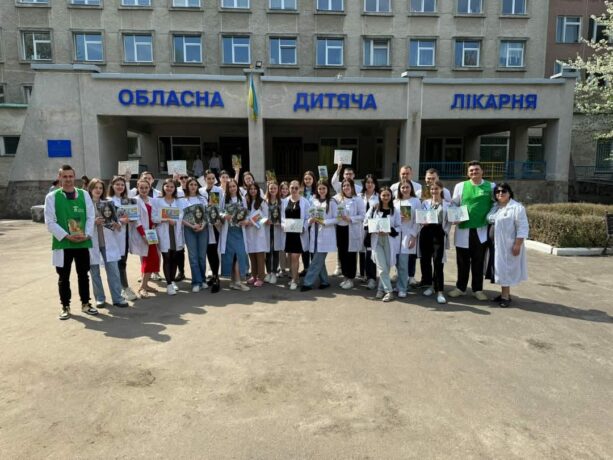
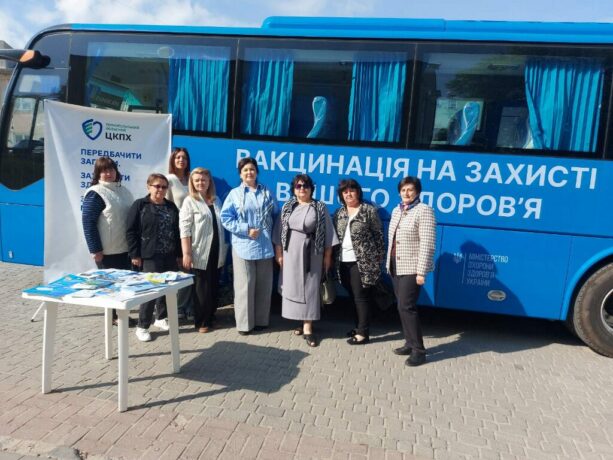
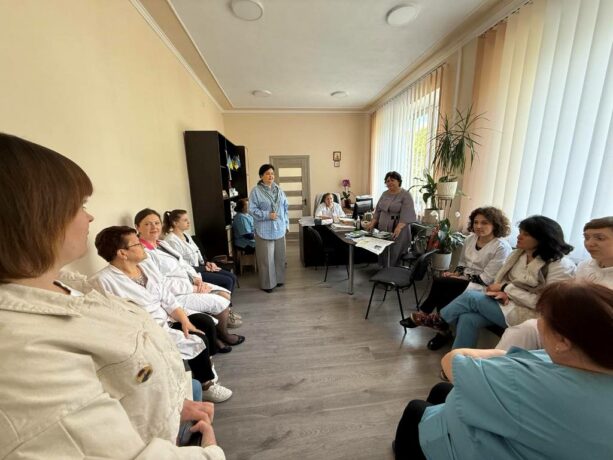
Professors Svitlana Nykytiuk and Tetiana Hariian, together with the specialists from the Regional Center for Disease Control and Prevention, visited the city of Lanivtsi to conduct the awareness campaign “Vaccination Protects Your Health.” The event aimed to increase public awareness of vaccination as an effective disease prevention method and highlight the importance of protecting vulnerable groups—children, the elderly, and people with chronic illnesses—while fostering herd immunity.
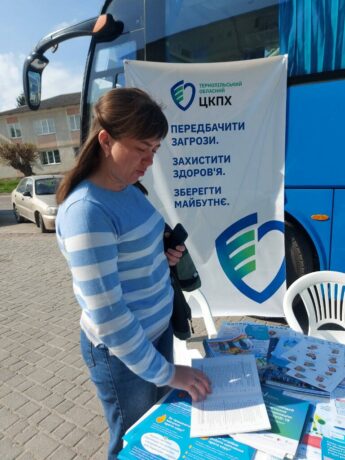
Residents of Lanivtsi were able to learn from modern scientific-medical literature and receive vaccinations against tetanus and diphtheria—particularly dangerous during wartime. Cases of these infections have already been reported in Ukraine.
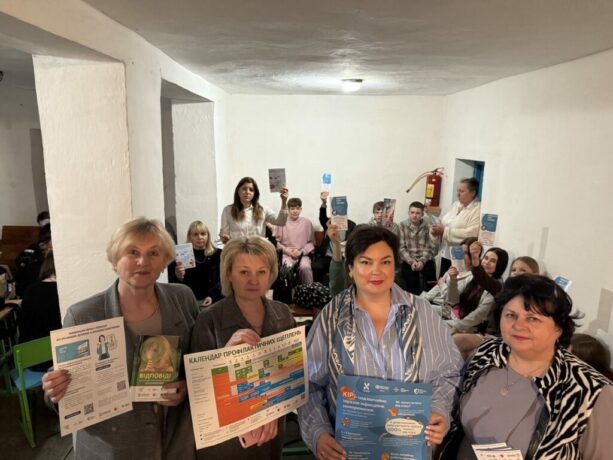
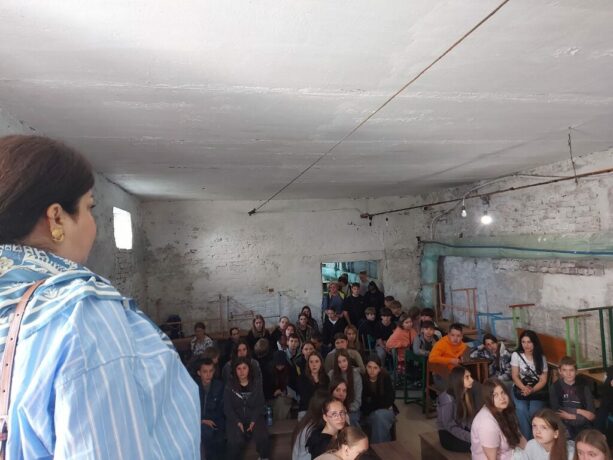
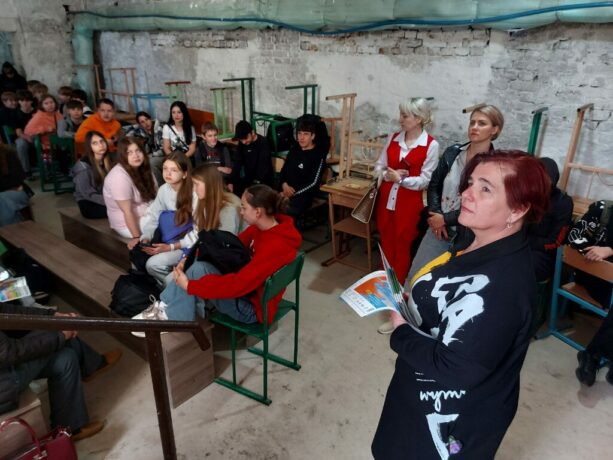
Lecturers also delivered educational sessions to teachers and students at Lanivtsi Schools No. 1 and No. 2 on the importance of vaccination and the threat posed by infectious diseases. Some discussions were conducted in shelters during air raid alerts. Diphtheria, for example, can be fatal and lead to airway obstruction, infectious-toxic shock, myocarditis, neurological damage, nephritic syndrome, and pneumonia. Schoolchildren expressed keen interest in the prevention of tetanus, a disease for which there is no cure.
World Primary Immunodeficiency Week and World Immunization Week serve as a call to recognize the vital role of the immune system in maintaining health and to ensure solidarity in providing access to diagnostics for rare immunological diseases and essential vaccines—especially critical during pandemics, armed conflicts, or humanitarian crises when health systems are most vulnerable.