

Objective Structured Clinical Examination as a Student-Centered Approach to Competency Assessment
One of the strengths of the educational process at I. Horbachevsky Ternopil National Medical University is the active implementation of simulation-based learning, which helps students effectively develop their clinical competencies. To monitor this process, the university uses the Objective Structured Clinical Examination (OSCE), which is held for 3rd-, 4th-, and 5th-year students at the end of the academic year and serves as a prerequisite for admission to final exams, provided the student passes the OSCE.
This year, from March 26 to April 25, 2024, the Simulation Training Center was dedicated to 3rd-, 4th-, and 5th-year students undergoing the OSCE.
It’s worth noting that our university is perhaps one of the few in Ukraine that administers the OSCE three times during a student’s academic journey. Nevertheless, we strive to maintain this comprehensive approach because the OSCE primarily benefits students. It places each student face-to-face with a clinical situation where they can test their knowledge and skills in a safe environment—and reflect on their own readiness.
Another significant benefit is better preparation for final qualification exams. During the 6th year, a component of the Unified State Qualification Exam (USQE) is the OSCE, the result of which directly affects a student’s ranking when applying for residency.
Thus, this exam is primarily aimed at meeting students’ needs, helping them practice, identify their strengths and weaknesses, and build their professional competencies more effectively.
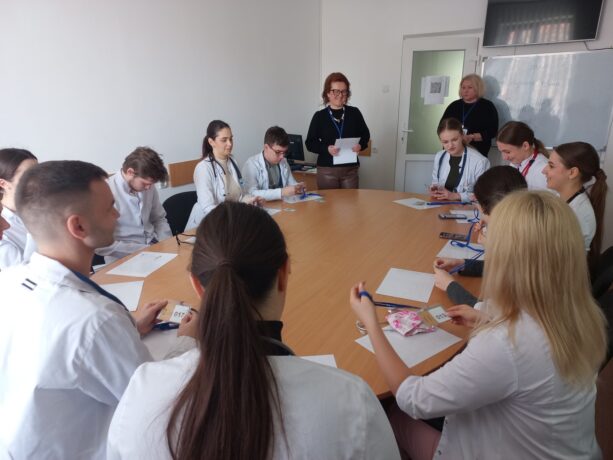
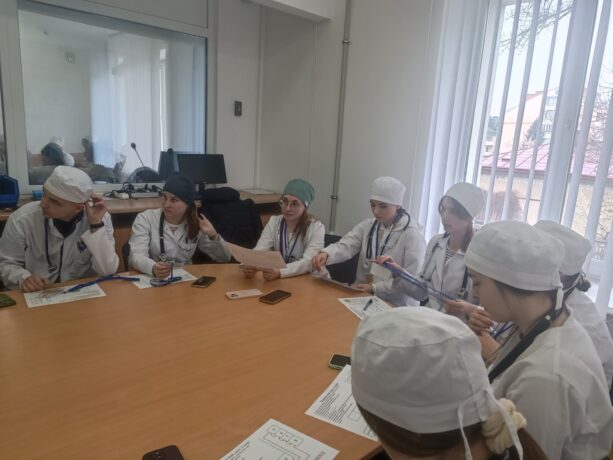
The OSCE is conducted under conditions as close to real-life clinical practice as possible, enabling students to demonstrate their communication skills, the ability to perform medical procedures, conduct physical examinations (including both basic and advanced manual skills), interpret pathological changes (symptoms and syndromes), apply cognitive abilities, and more. This approach is not just an assessment tool but also an educational experience that transforms theoretical knowledge and practical skills into professional competence.
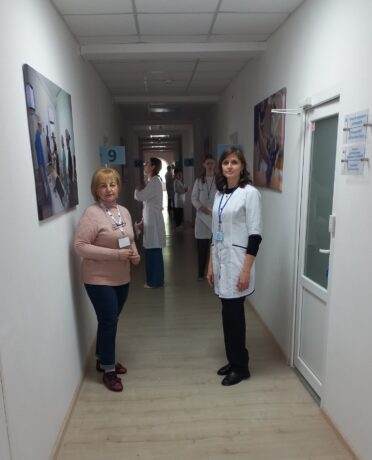
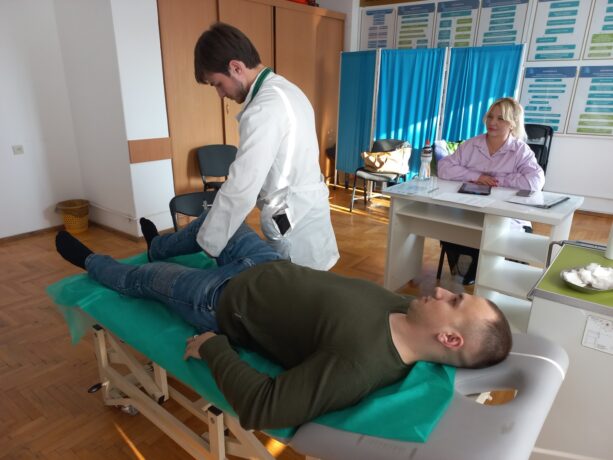
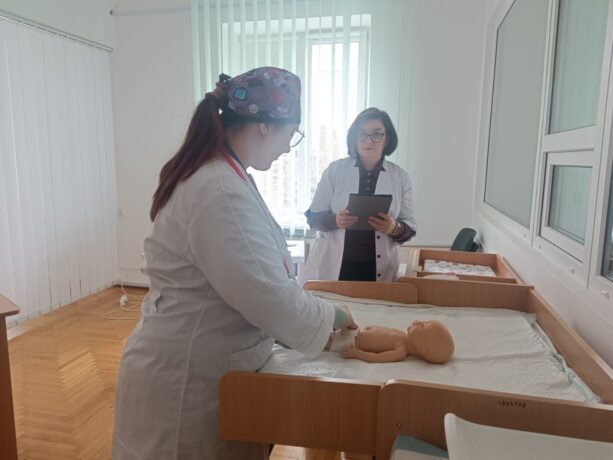
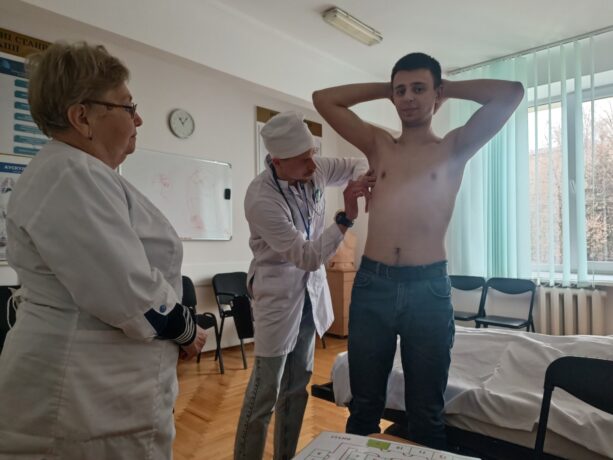
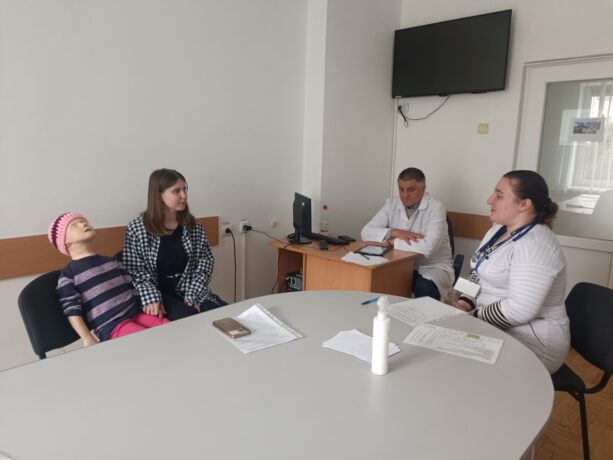
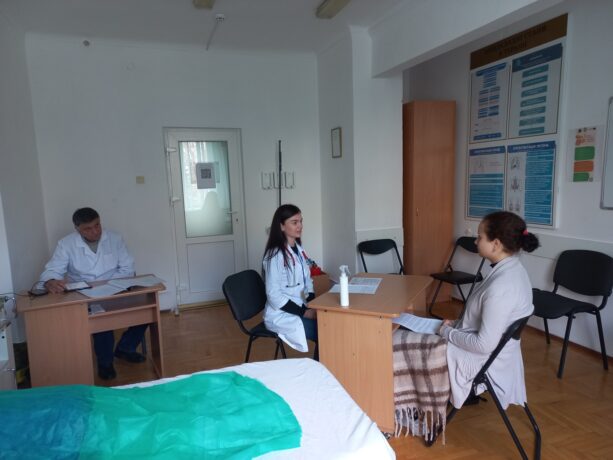
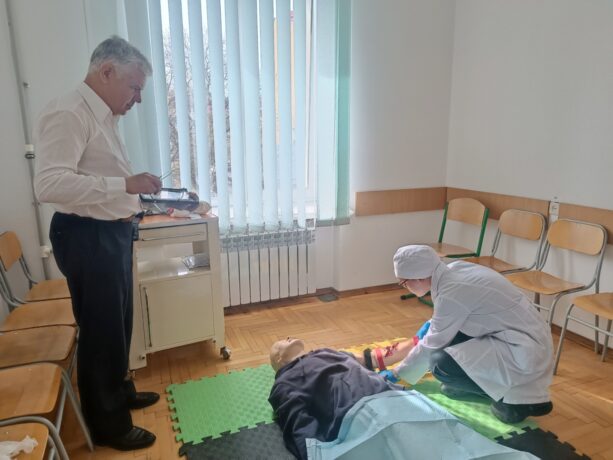
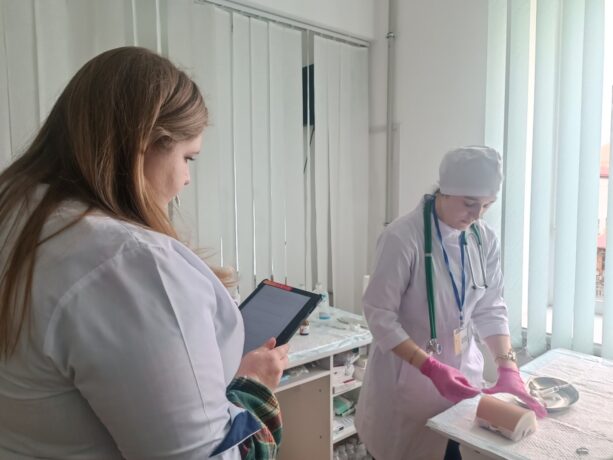
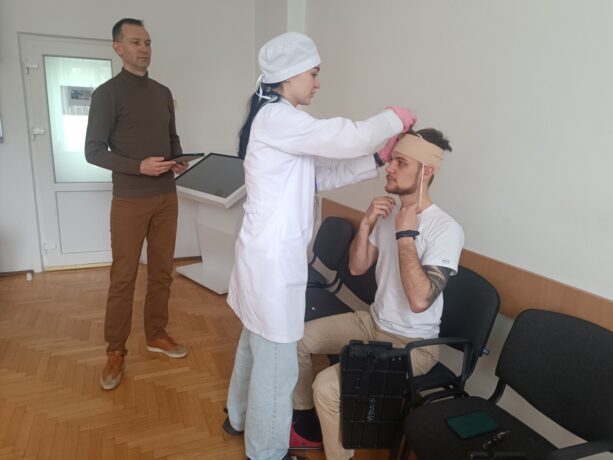
The safety of students and faculty remains a top priority in our educational process. This year, due to security concerns, some students and faculty had to relocate to a shelter, where identical stations were set up, and the examination continued uninterrupted.
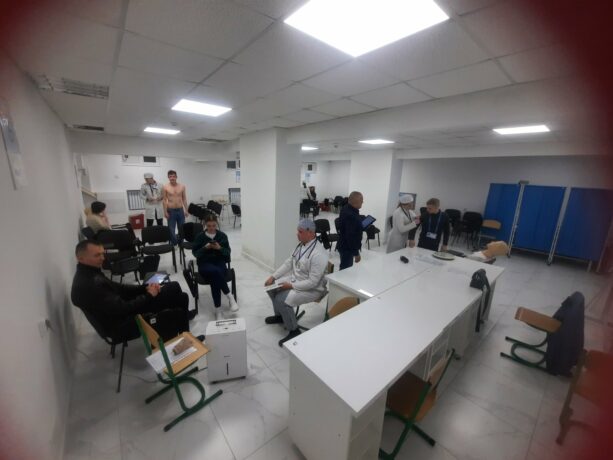
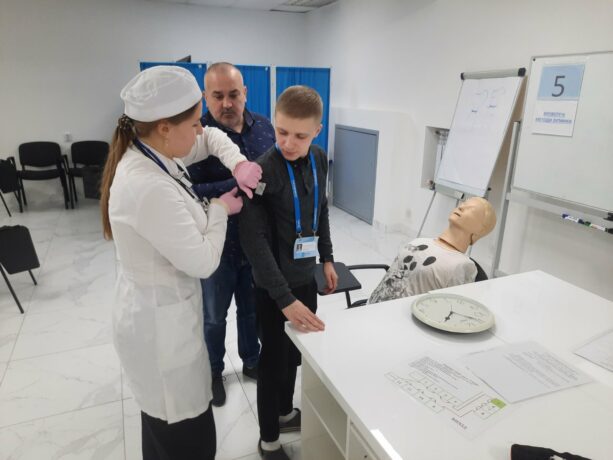
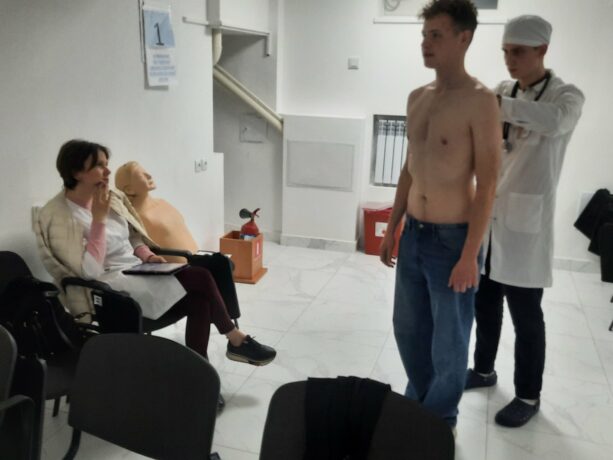
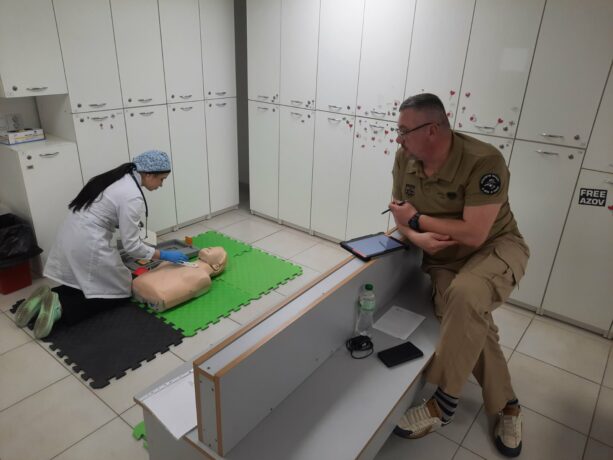
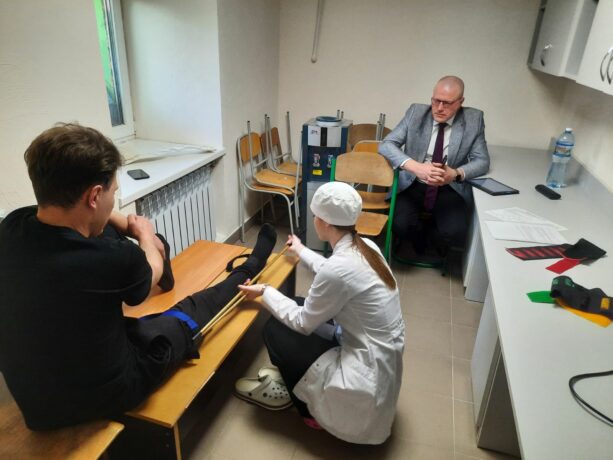
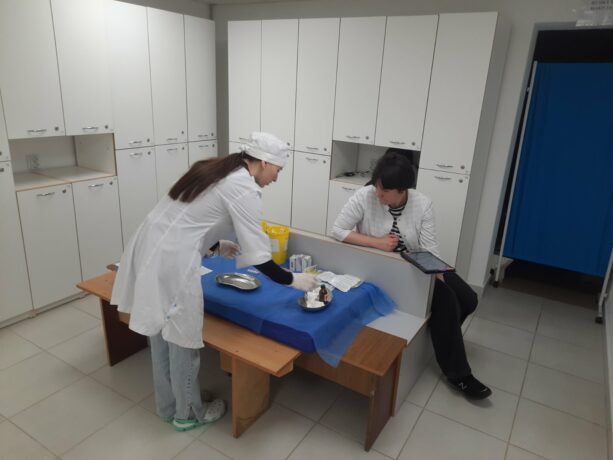
Organizing the OSCE is a challenging task that requires well-coordinated work and responsibility from an entire team of diverse specialists. This includes not only the instructors who develop the methodological content and assess students but also OSCE coordinators, course curators, technical secretaries, staff from the TNMU Simulation Training Center, and the dedicated working group on OSCE organization and implementation at TNMU, which includes Nadiia Pasiaka, Nataliia Petrenko, Nataliia Haliiash, and Alina Tomkiv.