

TNMU Faculty and Students Took Part in Mental Health Support Session by Lecturio
Ternopil National Medical University is a participant in the AidUP Ukraine program “Improving Disaster Casualty Care with Lecturio.”
Ongoing attacks on Ukraine have significantly weakened an already overburdened healthcare system. Lecturio’s AidUP project in Ukraine integrates targeted Disaster Casualty Care (DCC) training into medical education and practice to enhance the healthcare system’s preparedness for current and future emergencies. By improving training and crisis efficiency, AidUP supports the delivery of medical care, optimization of limited resources, and preservation of public health and safety.
More information: Lecturio AidUP Ukraine
Mental health and the ability to support loved ones, friends, and even strangers affected by trauma are critically important in the context of Russia’s full-scale invasion of Ukraine and ongoing attacks on civilian infrastructure and peaceful cities.
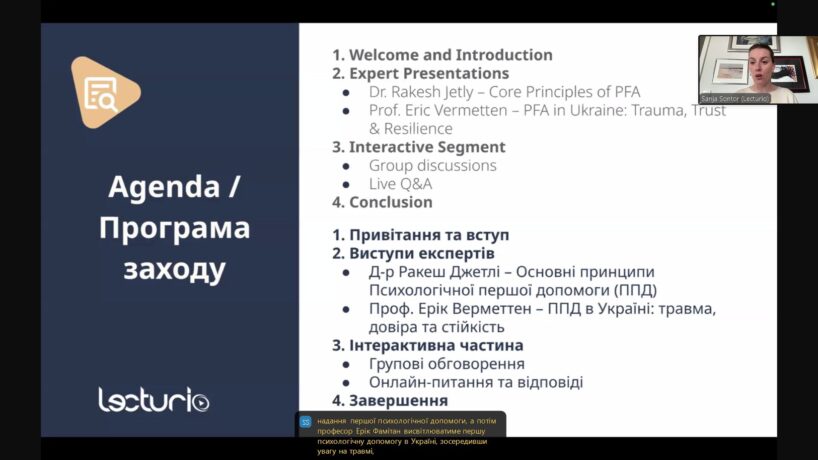
On June 10, 2025, faculty members and students of Ternopil National Medical University participated in another session on mental health support from Lecturio—“AidUP Mental Health Learning Session.”
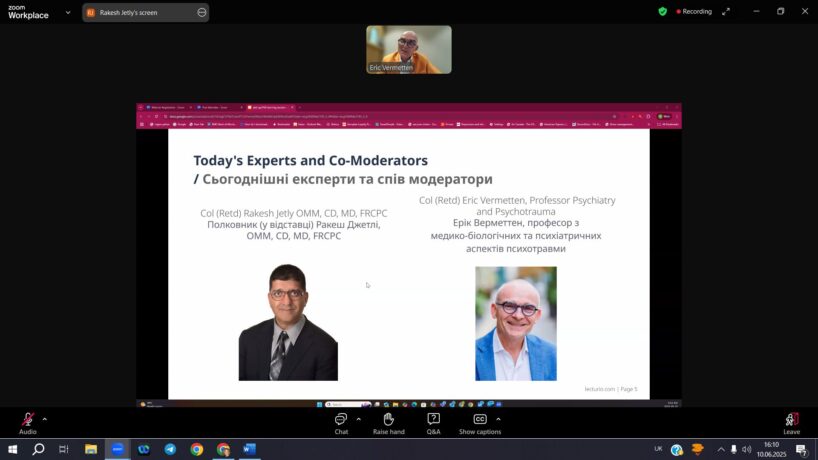
Renowned mental health experts—Dr. Rakesh Jetly and Prof. Eric Vermetten—were directly involved in developing this session alongside the Lecturio team.
Prof. Eric Vermetten, MD, PhD is a leading psychiatrist and researcher with the Dutch Ministry of Defense and Leiden University. His work focuses on trauma, resilience, and advanced therapy methods. He has authored over 200 scientific publications and has been actively working in Ukraine since the beginning of the full-scale invasion.
Dr. Rakesh Jetly is a retired Colonel and former Chief Psychiatrist of the Canadian Armed Forces. He currently leads the Department of Military Mental Health at the Institute for Mental Health Research (USA). With extensive experience in mental health, PTSD, and innovative treatment methods, he has participated in NATO missions.
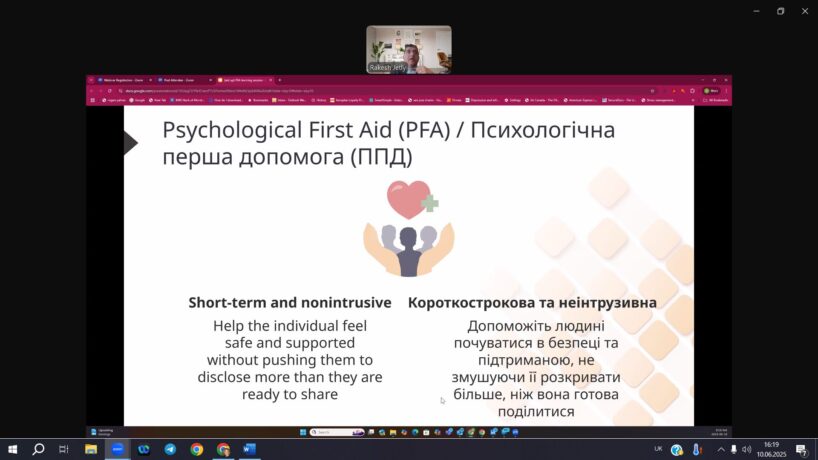
The webinar focused on key aspects of Psychological First Aid (PFA): how to act in cases of acute stress and how PFA differs from traditional psychotherapy sessions.
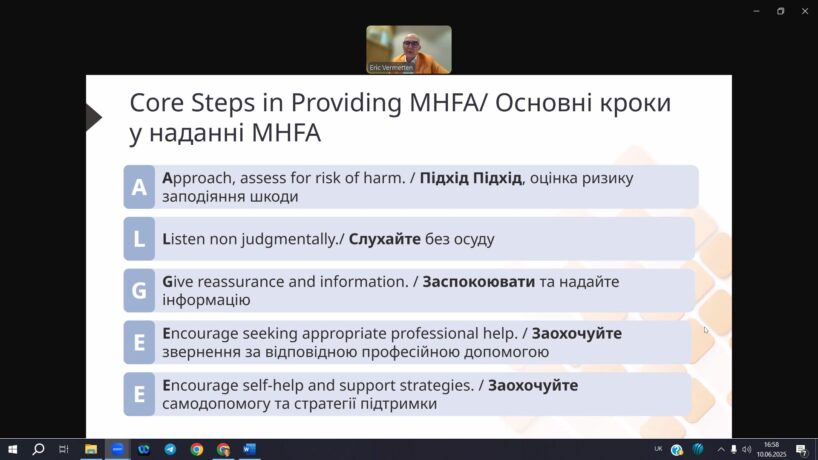
A key message was that you don’t have to be a professional psychologist to help. If you have received training, you are qualified to provide psychological first aid.
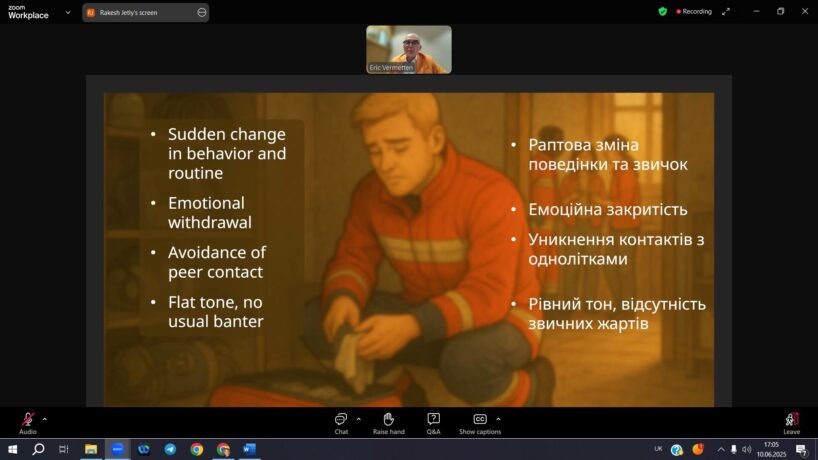
Participants explored common misconceptions, sensory grounding techniques, “box breathing,” and more. The session addressed not only emergency scenarios but also the importance of psychological support in everyday life.