Participation of TNMU Representatives in the 30th Annual Conference of the Society for Simulation in Europe (SESAM)
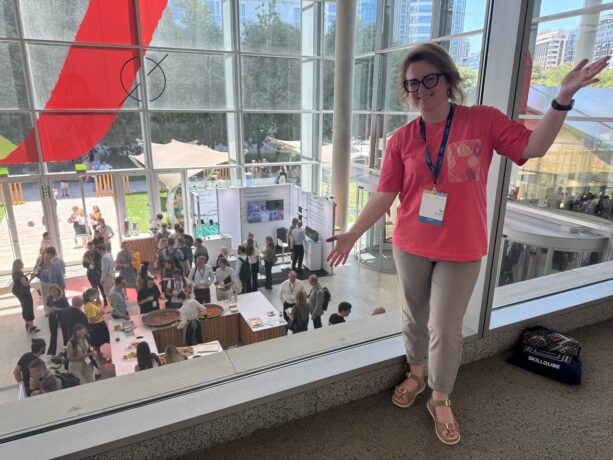
From June 25 to 27, 2025, the 30th Annual SESAM Conference (Society for Simulation in Europe) was held in Valencia, Spain—one of the largest European forums in the field of simulation-based medical education. This year’s event gathered over 1,400 participants from 65 countries around the world.
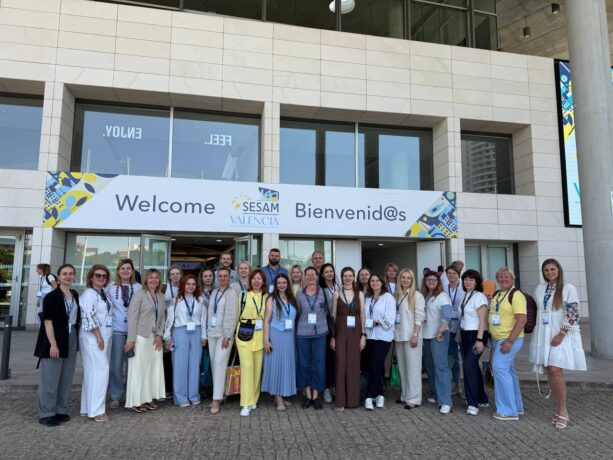
To support Ukraine, the conference organizing committee provided 50 free registration slots for Ukrainian participants. As a result, the Ukrainian delegation included 69 representatives, making it one of the largest scientific delegations from a single country.
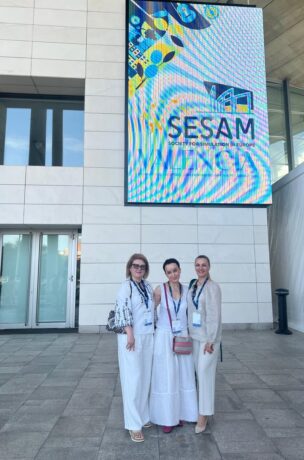
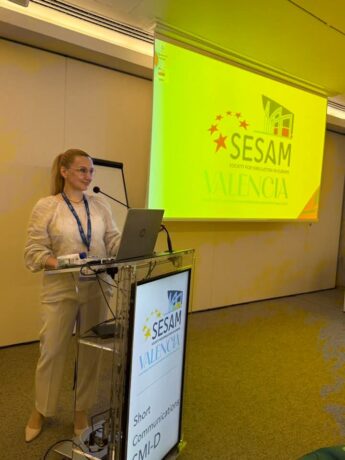
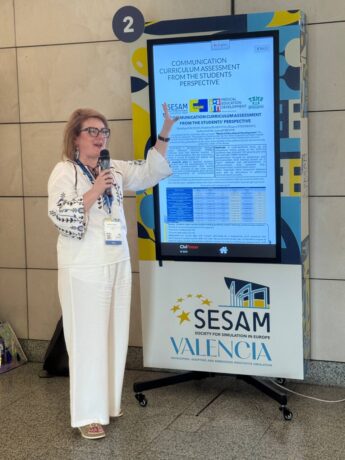
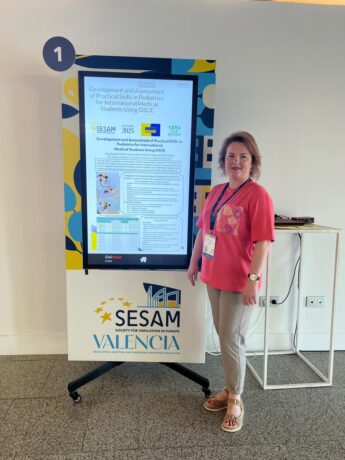
Ternopil National Medical University was represented at the conference by Associate Professors Nataliia Haliiash, Oksana Sydorenko, and Halyna Tsymbaliuk.
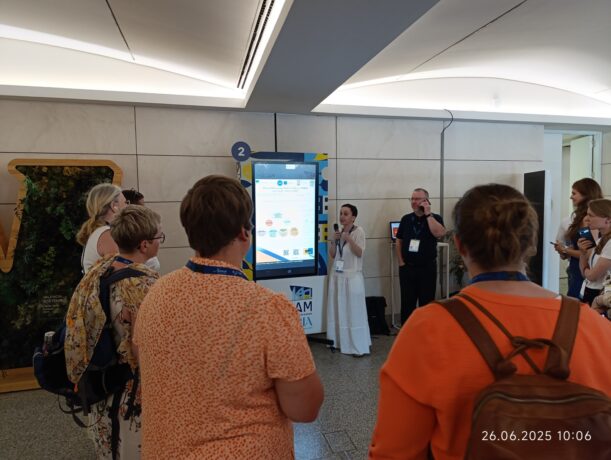
The theme of this year’s conference was: “Developing, Adopting and Embedding Innovative Simulation.” Over the course of three days, participants presented 487 scientific reports and poster presentations, showcasing practical experience in implementing innovations in simulation-based medical education, interdisciplinary training, development of clinical reasoning, and team interaction.
The TNMU representatives presented the following research:
- Halyna Tsymbaliuk – oral presentation: “Analysis of the Readiness of Training Departments of the Emergency Medical Services Centers of Ukraine to Conduct Retraining of Medical Personnel of the EMS System.”
- Nataliia Haliiash – two e-poster presentations:
- “Development and Assessment of Practical Skills in Pediatrics for International Medical Students Using OSCE”;
- “Communication Curriculum Assessment From the Students’ Perspective” – prepared within the framework of the Ukrainian-Swiss Project “Medical Education Development.”
- Oksana Sydorenko – e-poster presentation: “Clinical Reasoning: How to Make a Hidden Curriculum Visible?”
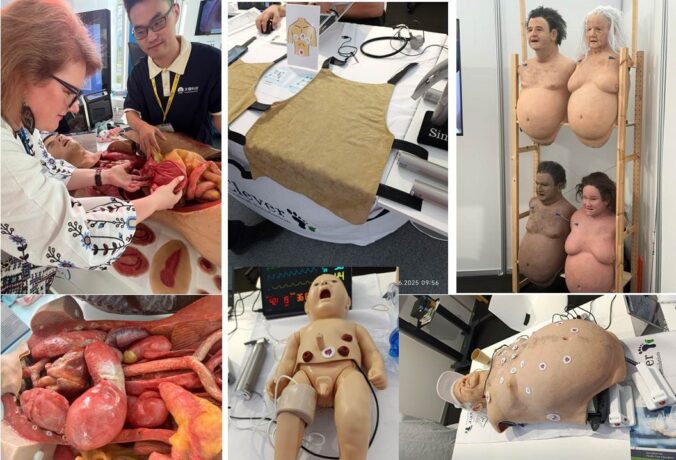
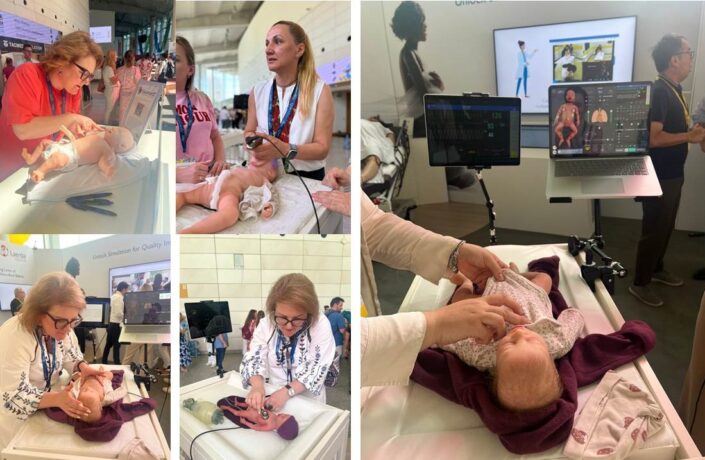
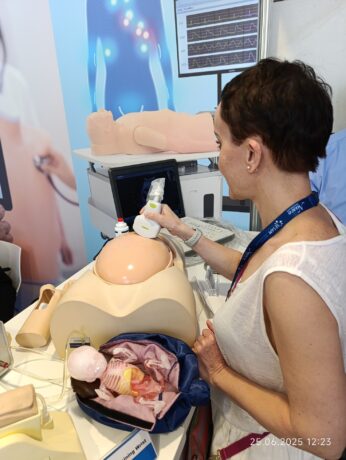
Traditionally, the SESAM conference included a large exhibition where leading global manufacturers of simulation equipment demonstrated their products: training manikins, VR and AR systems, simulators for ultrasound diagnostics, endoscopic procedures, basic and advanced resuscitation skills, and more.
Among the simulators were highly realistic manikins, visually indistinguishable from real patients, as well as basic models that, despite their simplicity, are highly effective for developing individual clinical skills and educational scenarios.
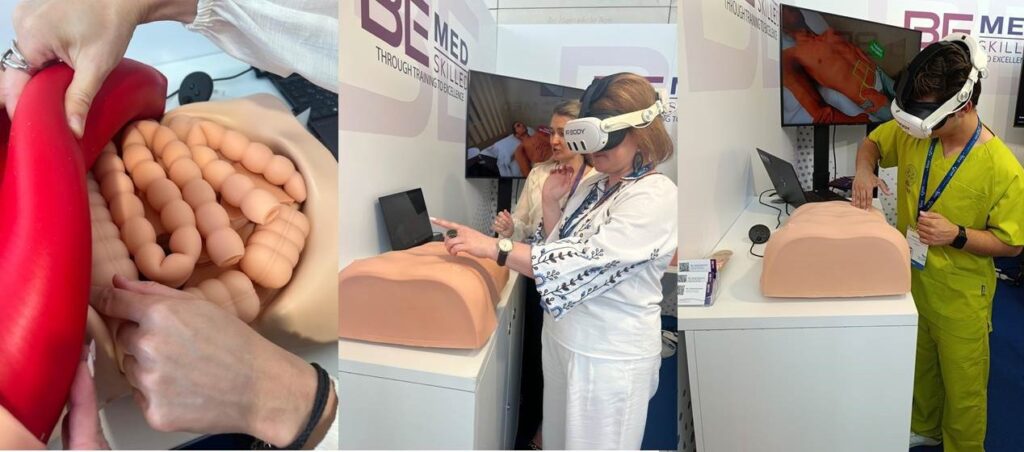
Of particular interest were innovative hybrid simulation complexes combining physical, virtual, and AI technologies. For example, an abdominal palpation simulator (available in adult and pediatric versions) integrated:
- Tactile feedback – allowing students to practice manual examination techniques;
- AR visualization – enabling real-time visualization of anatomical structures in normal and pathological states;
- Interactive clinical scenarios – powered by built-in artificial intelligence, enabling students to interview the “patient,” perform physical exams, observe reactions, and formulate a preliminary diagnosis.
Another example of advanced technology was the Alex manikin—a next-generation simulation patient designed for training in physical examination and patient care. Alex combines a realistic anatomical model with built-in AI-powered communication, enabling students to interact in real time, respond to patient complaints, make clinical decisions, and receive immediate feedback.
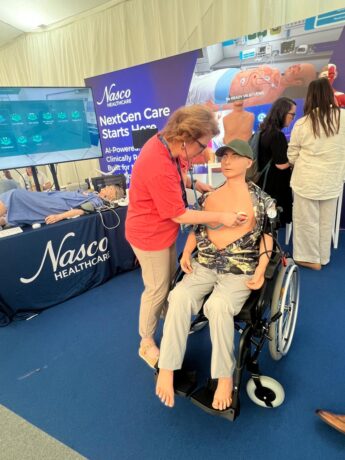
A notable trend this year was inclusivity in simulation education—many manufacturers showcased manikins representing elderly patients or individuals with disabilities, including those in wheelchairs. This marks an important step toward realistic modeling of diverse clinical situations and should be considered when updating simulation equipment and designing training scenarios at TNMU.
Participants were also impressed by the high level of technological support at the event. Organizers developed a mobile app that allowed attendees to view the full conference program, receive event reminders, evaluate sessions and workshops, review abstracts, and network with other participants via chat or email.
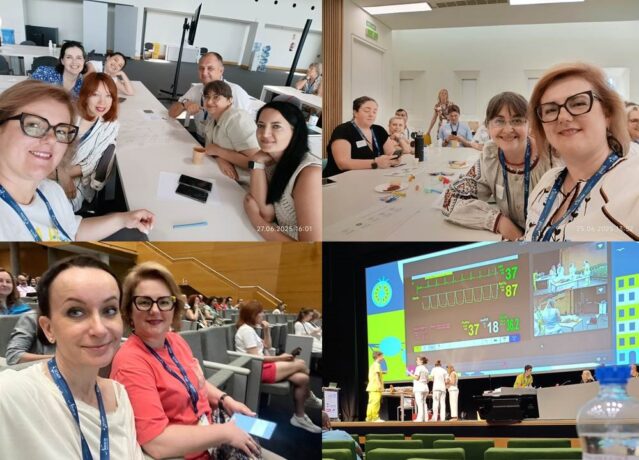
Participation in SESAM 2025 provided a valuable opportunity to explore the latest trends in simulation-based medical education, establish professional connections, and present the experience of Ukrainian universities in simulation training.
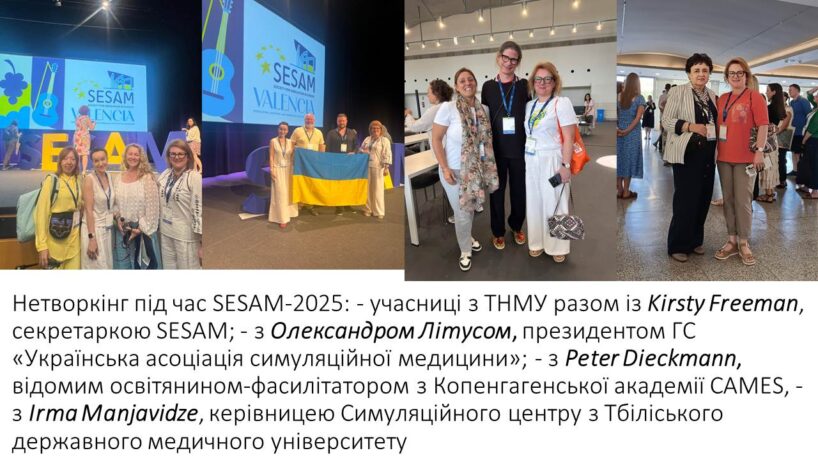
We express special gratitude to the Ukrainian-Swiss Project “Medical Education Development”, whose ongoing motivational and financial support made participation in SESAM 2025 possible. We also sincerely thank the SESAM Executive Committee, especially the organization’s President, Professor Pier Luigi Ingrassia, for their unwavering solidarity with Ukraine and for waiving registration fees for part of the Ukrainian delegation.