

Improving Teaching Together: “Extraordinary Teachers 2025” Seminar
This summer, Associate Professor of the Department of Therapy and Family Medicine, Iryna Borovyk, took part in the “Extraordinary Teachers 2025” seminar organized for medical educators within the framework of the Swiss–Ukrainian project Medical Education Development.
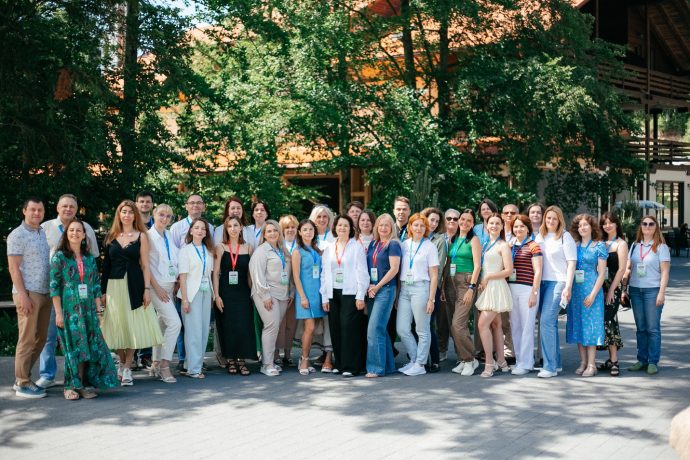
The training was modeled after the North American Great Teachers Seminar. A key feature of such seminars is that they last several days in specially chosen locations that combine learning and rest. While our North American colleagues usually hold them in the Canadian Rockies, we enjoyed a five-day training in a safe and cozy place in the Carpathians.
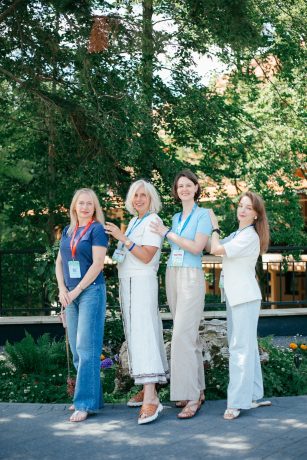
The hallmark of the Great Teachers Seminar is its focus on the teachers themselves. Participants define the direction and content of the seminar, learning together by reflecting on their own experiences, challenges, and achievements in a supportive and dynamic educational environment. They are encouraged to critically analyze their teaching practices and identify areas for improvement.
Such seminars also provide space for mastering new teaching strategies and finding solutions to common educational challenges. They foster a sense of community among educators who seek to enhance learning effectiveness, support positive change in education, and respond to contemporary challenges and rapid transformations. An important element is ongoing professional communication and mutual support.
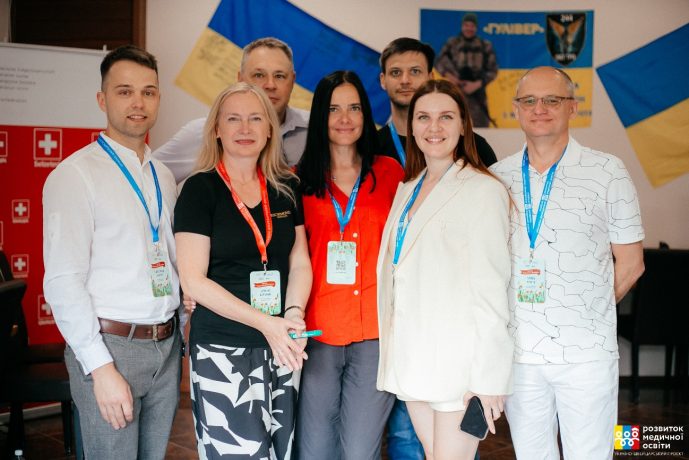
Thus, the role of speakers or experts at Great Teachers seminars is secondary. Much more important is the facilitation of community-building, enabling participants to find optimal solutions through collective knowledge. This role was carried out by well-known professional facilitators Olha Bershadska and Natalia Starynska, who served as the creative inspirers of the seminar.
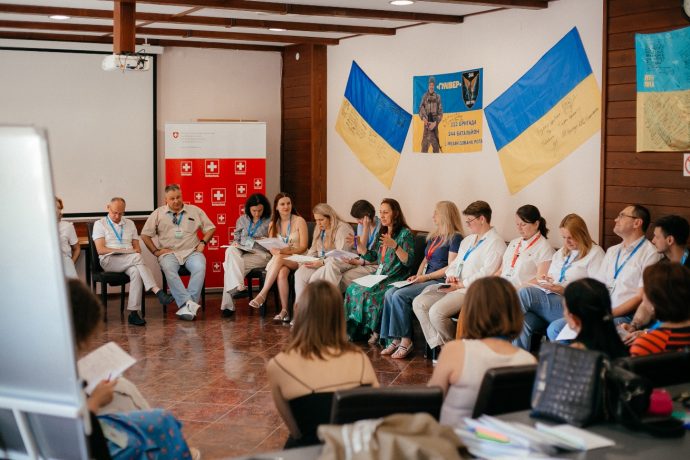
The learning process began with all participants voicing the challenges they face in their daily work. The facilitators then set the rules of interaction, among which the main ones were: “don’t whine, don’t complain, don’t criticize—ask questions instead.” A challenge meant a problem or difficulty, and as the facilitators emphasized, not all of them have ready-made solutions.
Olha Bershadska introduced a new model of thinking for us—polarities—as well as Robert Dilts’ levels of perception. Participants had the opportunity to consolidate the material through practice. Later, the facilitators grouped the issues and compiled a list of topics for educators to work on in small groups.
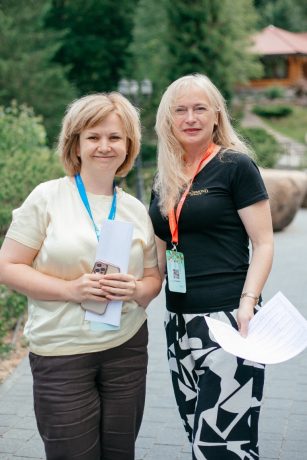
Among the “hot” topics raised for general discussion were: conducting online lectures, low student motivation, insufficient motivation among colleagues, student assessment, the use of ChatGPT and academic integrity, and teacher burnout.

I facilitated a group that worked on the use of artificial intelligence by students. Together with colleagues, we developed the following solutions:
During exams, creative approaches can be applied, for example, asking students to wear latex gloves to make gadget use more difficult.
Establish clear rules for AI use at different levels: ministry, institutions, departments, faculties, and individual teachers.
Specify permitted uses and outline policies in the course syllabus.
Ensure control and define cases when AI use is prohibited.
Provide training for teachers and students on AI use, focusing on legal aspects and academic integrity.
Emphasize distinguishing between AI contribution and the author’s own input.
Be honest with students—teachers should model ethical AI use.
The final decision should always remain with the human.
Develop critical thinking and skills to evaluate and verify results.
Focus on individuality and human intellect, as responsibility in medicine always lies with the professional.
In some cases, AI can simplify routine processes, assist in preparing teaching materials, and optimize learning.
In student assessment, shift the focus to the process rather than only the result; use assignments that cannot be solved by AI (oral answers, presentations, practical work in simulation centers or with patients), and optimize task volume.
In some cases, students may be assigned tasks using ChatGPT, followed by comparison, critical evaluation, and reflection of AI versus human results.
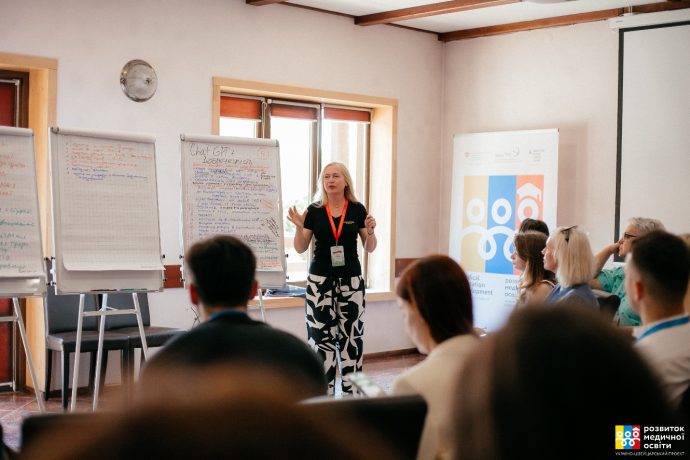
Much discussion was also devoted to the urgent issue of student and teacher motivation: what raises it and what undermines it.
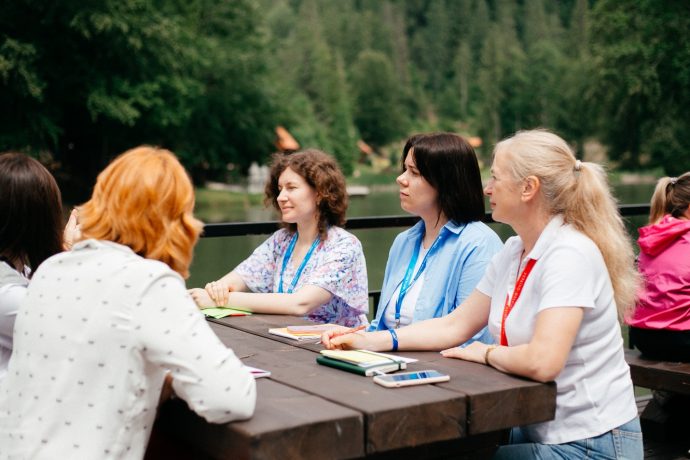
In one session, experienced participants shared their advice and tools that help improve the teaching process. There were many debates, conversations, and reflections on education. Participants spoke about books and films that had greatly influenced them.

Between facilitation activities, two extraordinary guest speakers contributed. Dr. of Psychology, Professor at the Department of Psychology and Pedagogy of the National University of “Kyiv-Mohyla Academy,” psychotherapist, and trainer of the Psychosocial Rehabilitation Center of NaUKMA, Vira Chernobrovkina, introduced the trauma-informed approach in education. Deputy Dean of the Faculty of Social Sciences of the Ukrainian Catholic University, UCU lecturer and leadership trainer, Father Pavlo Khud, shared his vision of leadership through goal-setting and demonstrated how to move from dreams to measurable results.

The seminar concluded with a group project on “Who is an Extraordinary Teacher?” This was true community-building, an art, and a celebration for all participants. As a gift, everyone received an envelope with their own notes and messages of appreciation from colleagues.
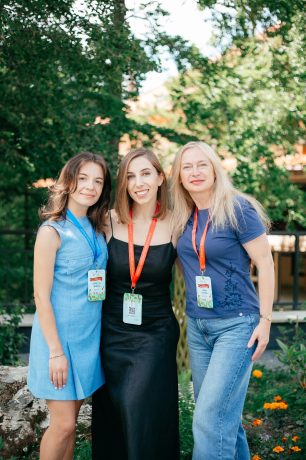
The organizers provided not only a rich educational program but also comfort, extracurricular activities, opportunities for informal communication, exchange of best practices, broader perspectives, and deeper reflection.
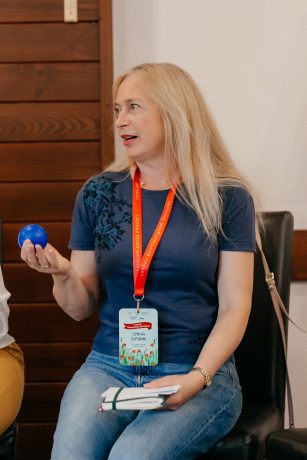
The competencies gained at the seminar will be applied in personal professional activities. The experience will also be shared with colleagues who strive for professional growth—through peer groups for medical specialists and through courses organized by the University’s Center for Teaching Excellence.