

TNMU Lecturer Completed Training in Physical Therapy in Intensive Care Units
A lecturer of the Department of Physical Therapy, Occupational Therapy, and Physical Education took part in a practice-oriented training course “Physical Therapy in Intensive Care Units”, which was held online (June 24 – July 15, 2025) and offline in Lviv (September 8–11, 2025) and Ivano-Frankivsk (September 15–19, 2025). The event was aimed at enhancing the professional competence of university lecturers specializing in physical therapy, as well as mastering modern practical approaches to working with critically ill patients.

The training program was comprehensive and covered key aspects of physical therapy in Intensive Care Units (ICU). Lecturers gained in-depth knowledge and practical skills in the following areas:
- Systematic approach to patient assessment: participants mastered methods of evaluating breathing patterns, oxygen saturation, and other vital signs. Special attention was given to topographic anatomy, physical examination of the respiratory system, as well as visual assessment and auscultation of patients.
- Use of standardized scales and tools: the training included the application of modern standardized scales for assessing patient condition, which is an essential element of evidence-based medicine.
- Work with respiratory devices: participants learned about the use of respiratory devices in physical therapy and practiced clinical scenarios involving their application.
- Optimization of positioning: a significant part of the training was dedicated to proper positioning of critically ill patients to improve lung ventilation, reduce dyspnea, prevent pressure ulcers, and achieve other rehabilitation goals. Team protocols for safe patient transfer were also practiced.
- Manual and breathing techniques: manual techniques such as vibration, percussion, shaking, assisted coughing, as well as breathing techniques for stimulating expectoration, diaphragmatic breathing, and normalizing breathing patterns were presented and practiced.
- Early mobilization and delirium prevention: the training addressed a gradual approach to early mobilization of ICU patients with integration of vital signs monitoring. The topic of delirium, its recognition, and the role of physical therapy in its prevention was also discussed.
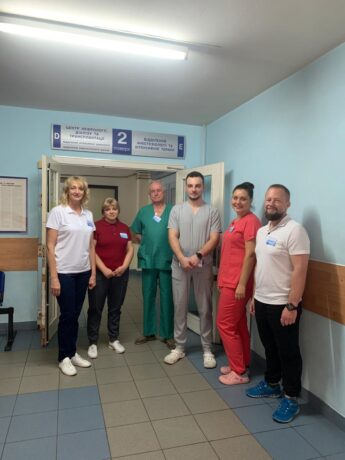
The acquired knowledge and practical skills are extremely valuable for improving educational programs, particularly in the specialization “Physical Therapy.” Participation in such events enables lecturers to provide students with up-to-date, evidence-based approaches that meet modern international standards. This, in turn, contributes to the preparation of highly qualified professionals ready to work effectively in the challenging conditions of intensive care.
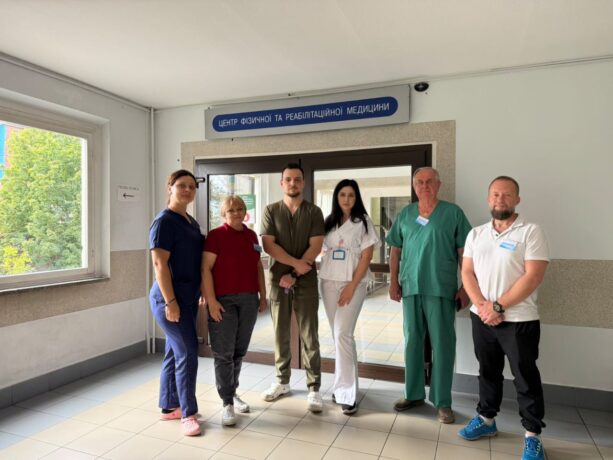
The gained experience will be integrated into the educational process, enriching lectures and practical classes with new clinical scenarios and methods. The training “Physical Therapy in Intensive Care Units” outlined further directions for strengthening the practical training of future physical therapists.