

Collaboration of Science, Rehabilitation, and Humanitarian Support: The Experience of Ternopil Region
At the Chervona Kalyna Educational and Wellness Center of I. Horbachevsky Ternopil National Medical University, two retreats of the “Hero’s Compass” Adventure Counseling Program were held. This initiative was launched by the humanitarian mission DTCare.
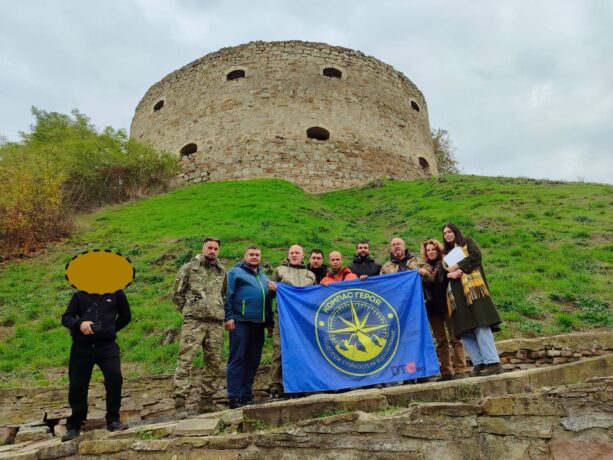
A total of 23 veterans participated in the retreats, each lasting eight days. Throughout the program, they followed a path of recovery through various activities, games, body and art therapy practices, support groups, symbolic rituals, and communication with nature.
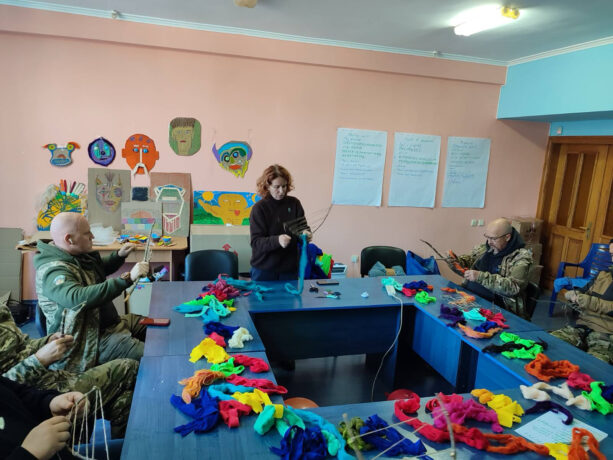
The program was led by a team of specialists — Program Manager Yurii, Veteran Mentor Serhii, and Art Therapist Alina — based on the BRAVE methodology (Building Resilience and Adventure for Veterans Empowerment).
These retreats have become an example of how the combination of a safe environment, psychological approaches, and a humane space for rest creates opportunities for healing, inner peace, and renewed motivation for life after war.
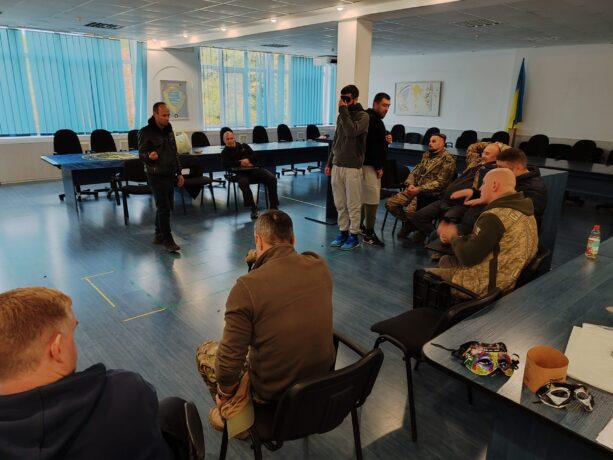
“It’s fascinating to observe grown men who, at first denying the existence of their inner child, begin to reconnect with it through practice, releasing an incredible amount of internal resources. They showed themselves to be sincere, open, loving, and playful. And this makes them even stronger — both in body and in spirit,”
shared art therapist Alina.
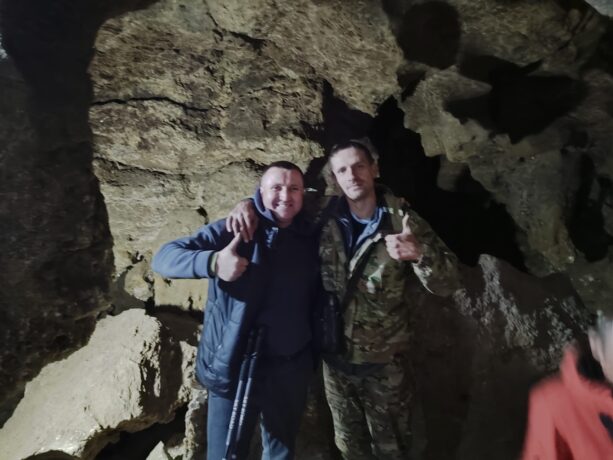
“The Hero’s Compass is a practical recovery model based on the scientifically proven Empowerment framework, where veterans’ lived experience is integrated with methods of psychological support and adventure-based learning. In cooperation with the university, we create an environment where theory meets reality and knowledge meets humanity. The most important thing is that every participant feels that the path to resilience begins with trust and support,”
said Dmytro Terpylo, Head of the “Hero’s Compass” Program, DTCare.
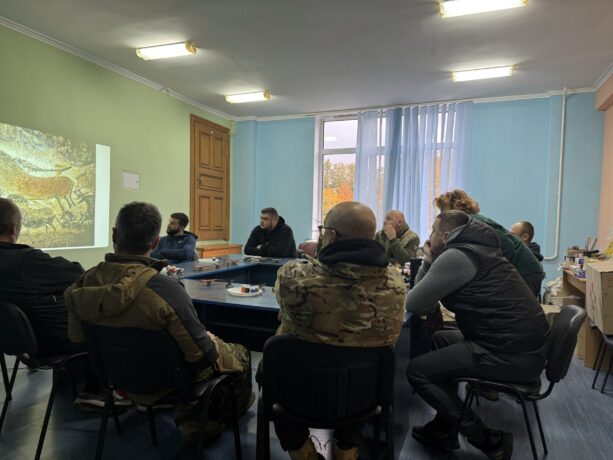
The partnership between TNMU, the Chervona Kalyna Wellness Center, and DTCare’s Hero’s Compass Program (USA) demonstrates that interdisciplinary collaboration can serve as an effective model for helping veterans transition through care, professionalism, and a shared mission of service.