

Teaching Communication: From Theory to Practice
From October 9 to 28, 2025, professional development courses for academic staff of Ternopil National Medical University were held, bringing together 78 lecturers from clinical and theoretical departments.
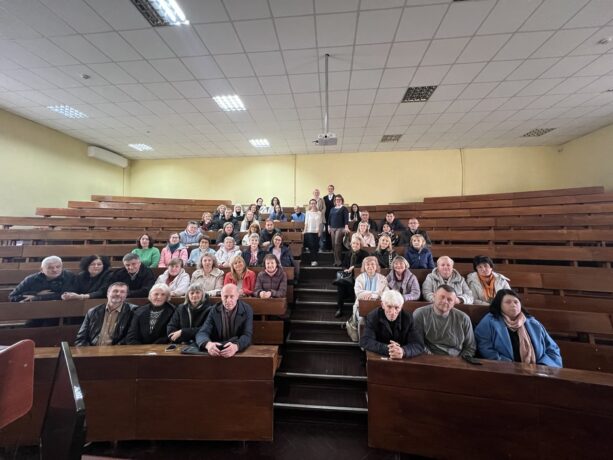
The professional development program (1 ECTS credit, 30 hours) was developed and implemented by the team at the Center for Advancement of Pedagogical and Professional Excellence of Teachers and conducted in a blended format (combining in-person and online components). The course curators were associate professors from clinical departments and participants in international projects: Iryna Borovyk, Nataliia Haliiash, Oksana Sydorenko, and Sofiia Husak.
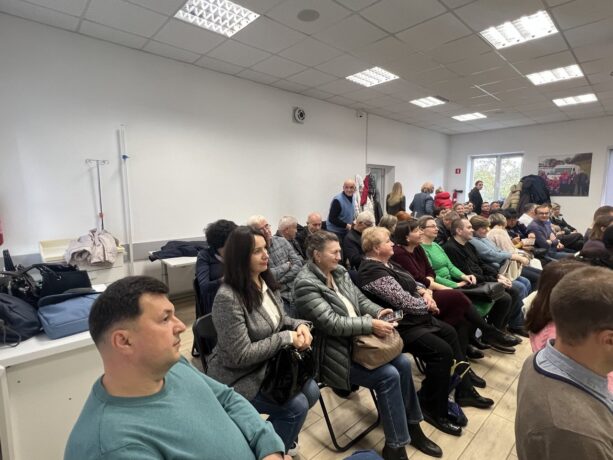
The courses were organized with the aim of improving the quality of the educational process and enhancing the pedagogical mastery of teachers by developing their professional communicative competence and mastering innovative, interactive, and student-centered teaching methods.
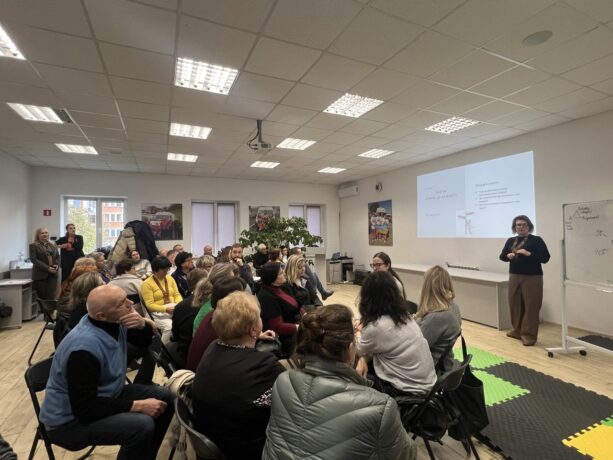
The program is based on the principles of a human-centered approach in medicine and education and focuses on the development of professional medical communication, emphasizing clinical empathy, emotional intelligence, trust in the patient–healthcare professional relationship, personal boundaries and subjectivity, shared decision-making, building professional relationships, techniques of effective and constructive feedback, communication in complex situations, and delivering bad news.
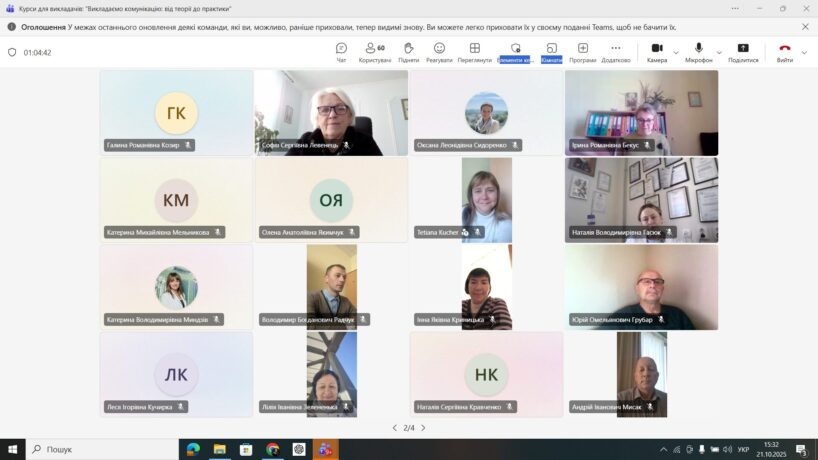
Upon completion of the courses, all participants were invited to complete a survey and provide feedback. Fifty lecturers who took part in the program responded. All respondents noted that the course curators presented up-to-date and relevant information, and participation in the training motivated them to make changes in their own teaching practice. 92% (46 respondents) stated that the courses helped them improve their personal communication skills, and 94% (47 respondents) indicated that they would use constructive feedback in assessments and promote empathy development among students.
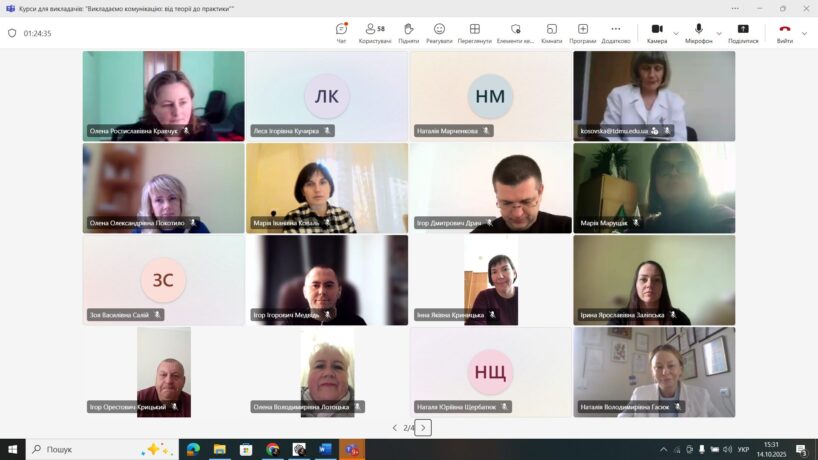
Participants noted that the program was well-structured and interactive, providing numerous practical examples relevant to both clinical and theoretical educators, allowing sufficient time for discussion, and ensuring access to additional self-study materials.