

The Department of Physiology with Bioethics and Biosafety Hosted the Event “Khmelnychchyna: An Ecological and Local Studies Dialogue of Generations”
The Department of Physiology with Bioethics and Biosafety held an ecological and local studies event during which students of the curator groups had the opportunity to listen to informative and inspiring presentations prepared by natives of the Khmelnytskyi region.
Khmelnychchyna has long been known for its significant historical events, rich cultural heritage, artistic landmarks, and the life paths of remarkable individuals who brought glory to their homeland.
The event provided an opportunity not only to explore the natural and cultural wealth of the region more deeply but also to feel the patriotic unity of generations that connects science, history, and love for one’s native land.


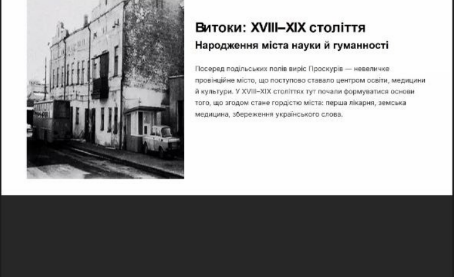
The first presentation, “Khmelnytskyi – a City that Heals and Inspires,” was delivered by Oleksandra Vysochynska, a student of group MM-220.
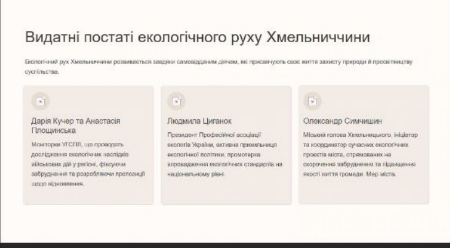
A presentation on “The Natural Environment and Local Studies Portrait of Khmelnychchyna” was given by MM-220 student Roman Zozulia.
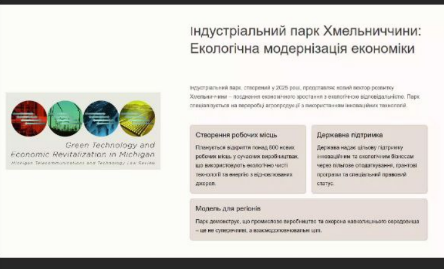
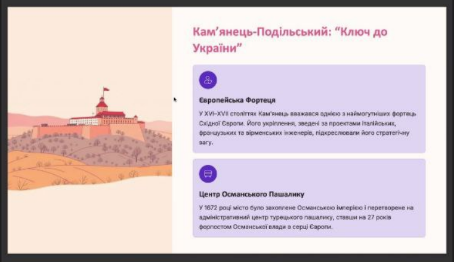
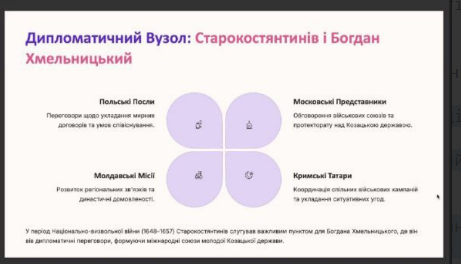
Equally engaging was the presentation by MM-220 student Volodymyr Musat, “International Relations of Khmelnychchyna,” as the lands of his home region have long been a strategic, trade, and cultural crossroads. He mentioned such fascinating places as the Kamianets-Podilskyi Fortress, Bakota, the impressive Starokostiantyniv, Medzhybizh, and Khmelnytskyi itself in the context of historical events.
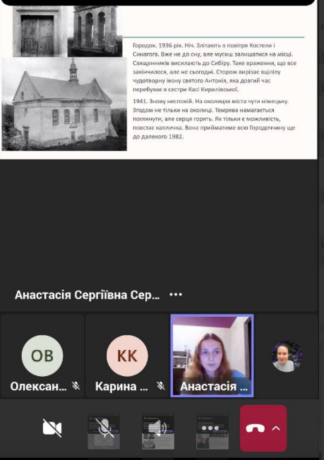
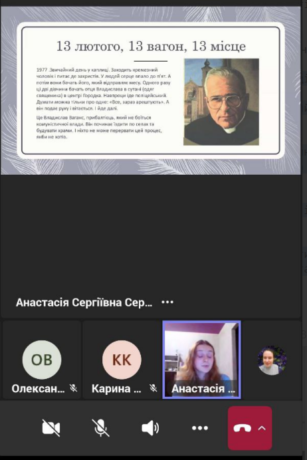
The history of spiritual life in Khmelnychchyna is the story of people whose inner light never faded. It is filled with trials, losses, and remarkable returns. These people did not seek heroism, yet every day they fought for the right to believe, to pray, and to live with dignity. Student MM-220 Anastasiia Serdeha spoke about such historical figures in her emotional presentation, “The Spiritual Life of Khmelnychchyna,” sharing touching and life-affirming stories from her family archives.
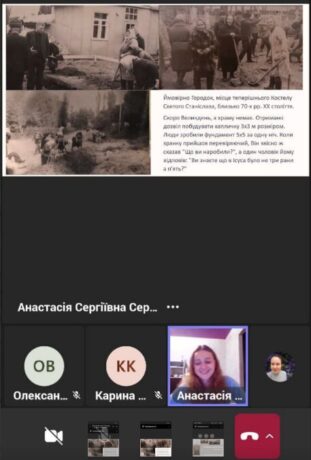
The ecological and local studies meeting became not merely an opportunity to recall the history of Podillia and the warriors from this region who fell or continue to fight for Ukraine. It transformed into a living dialogue of generations that unites love for one’s native land, respect for the past, and faith in the future. After all, ecology begins with responsibility for oneself and one’s land, and spirituality—with memory of those who preserved it even in the darkest times.