

Lecture “Artificial Intelligence and Telemedicine: How Modern Technologies Facilitate a Physician’s Work” for Students of the Educational and Research Program “Medicine”
On December 9, 2025, at the initiative of the guarantor of the Educational and Research Program “Medicine,” Olha Denefil, a lecture entitled “Artificial Intelligence and Telemedicine: How Modern Technologies Facilitate a Physician’s Work” was held for Doctor of Philosophy (PhD) students. The lecture was dedicated to the Integrity Week at TNMU.
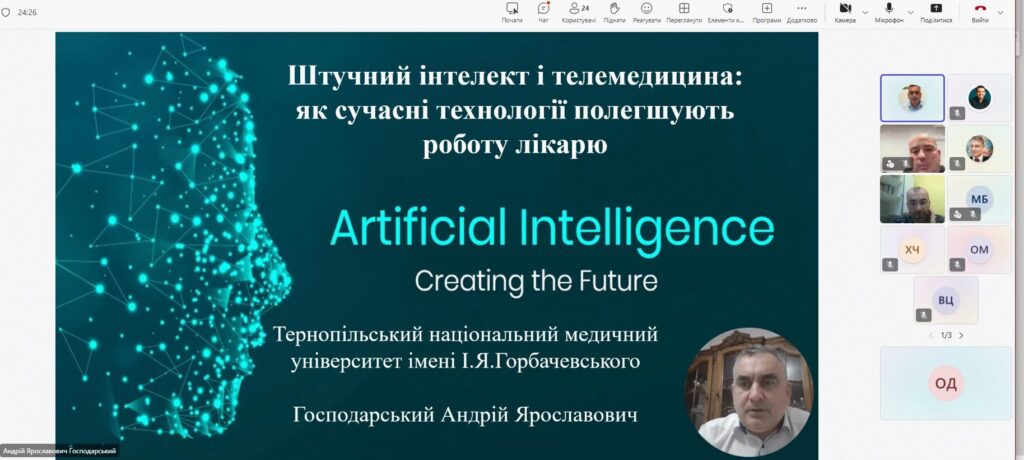
The lecturer was Andrii Hospodarskyi, Associate Professor of the Department of General Surgery, Candidate of Medical Sciences. The main purpose of the event was to help PhD students realize the practical value of using artificial intelligence in professional and scientific activities.
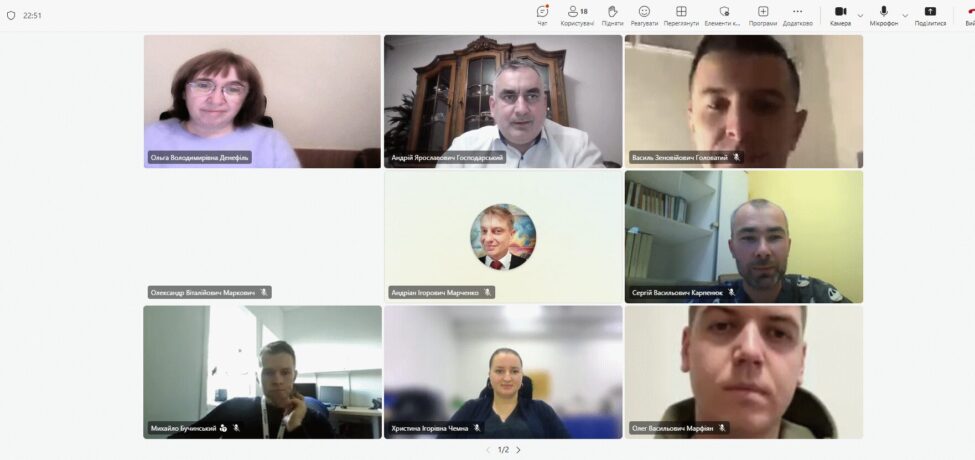
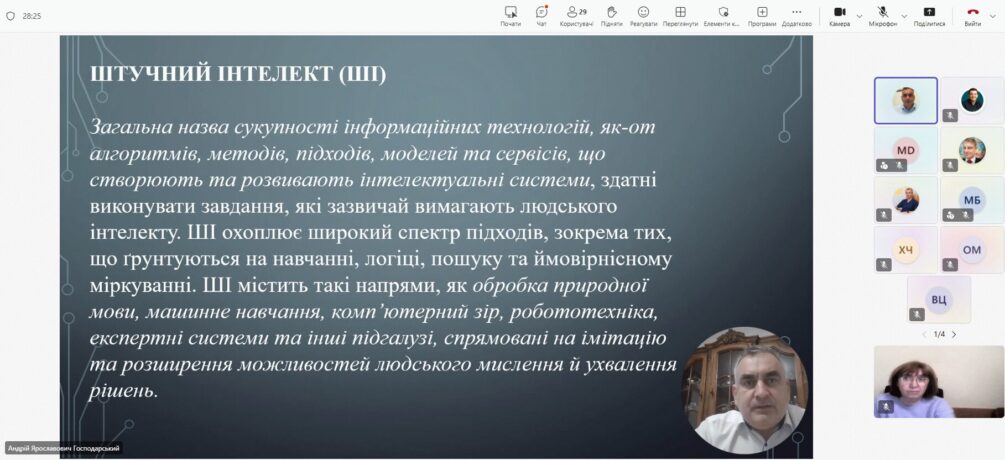
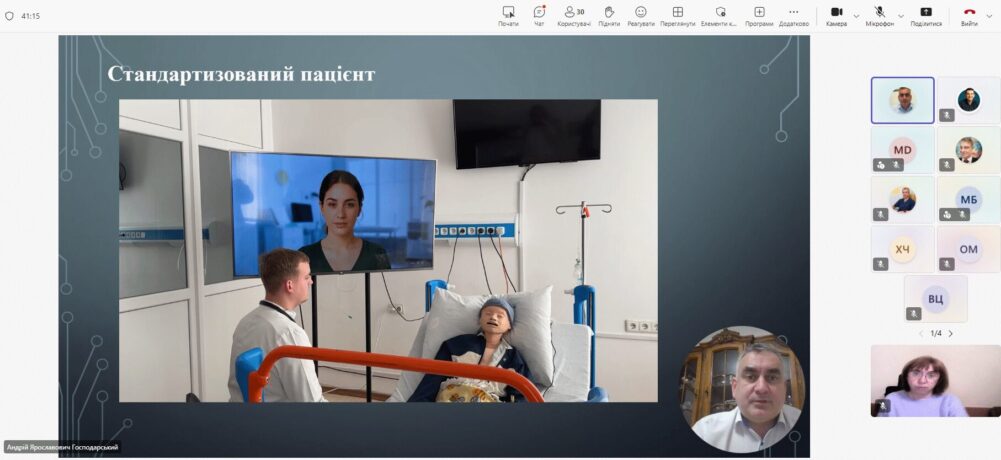
Andrii Hospodarskyi focused on the advantages and disadvantages of AI, the use of global databases by artificial intelligence, and people’s concerns about its application. Particularly interesting was the information on the use of AI in collecting medical history from a standardized patient — the complete virtualization of a patient, which addresses many issues in medical education. Information on computer vision in everyday life and medicine was also valuable.
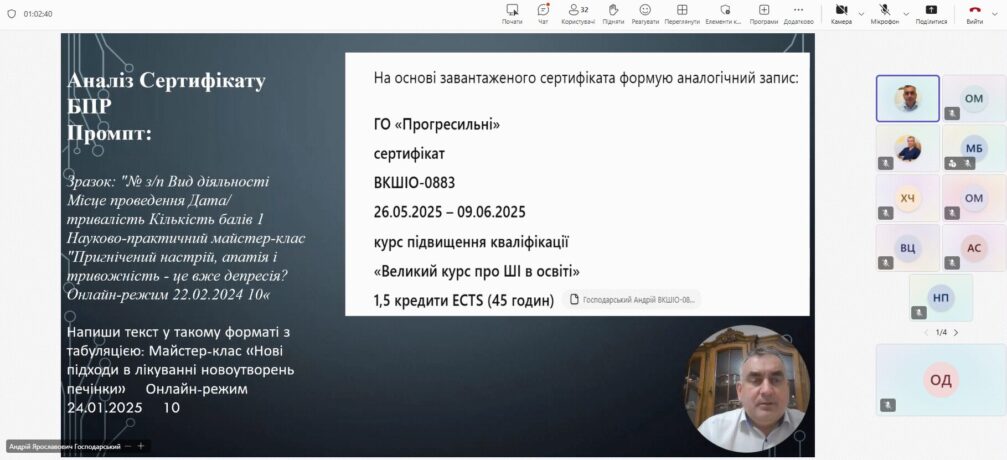
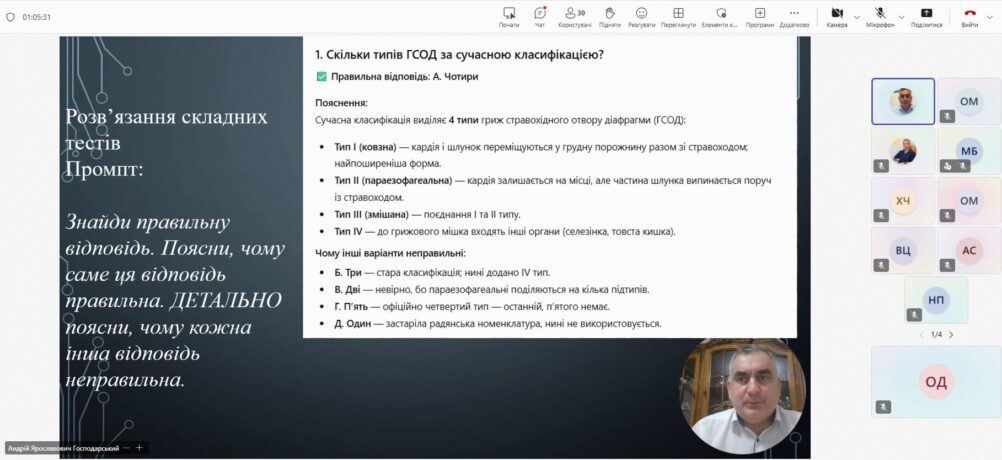
Associate Professor Hospodarskyi provided examples of working with ChatGPT, introduced the principles of AI programming, gave examples of prompts, and explained how to ask questions correctly to avoid hallucinations. Training in writing bibliographic data for continuing professional development (CPD) certificates using AI was also emphasized. Associate Professor Hospodarskyi familiarized the students with the Ukrainian project tayra.com.ua, which helps physicians create electronic versions of medical records and is used by students of higher education at our university.
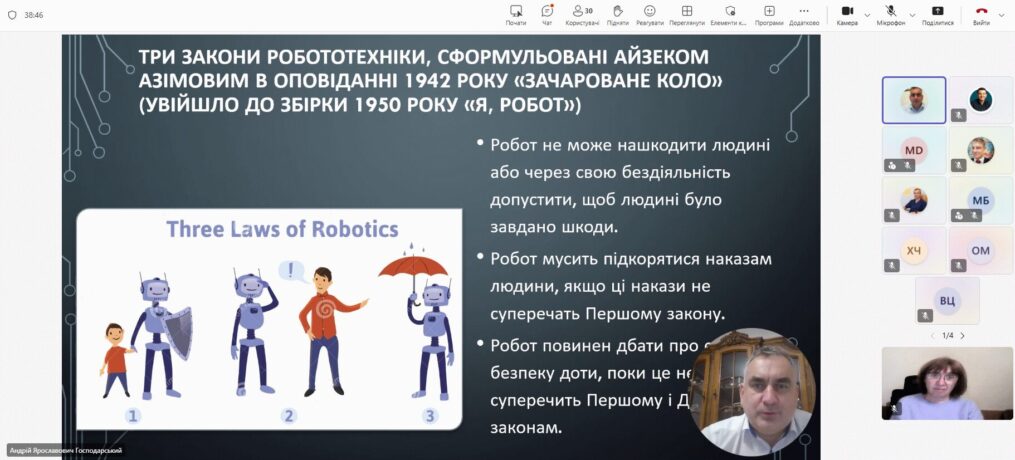
The history of the evolution of telemedicine in Ukraine was informative; it began in Lviv in 1935 (the world’s first transmission of an ECG between two clinics over a distance of 500 meters). Today, telemedicine is especially necessary and widely used for patient consultations and treatment. New information was presented on the creation of a digital twin of a patient, which will make it possible to predict the course of a disease and prevent the development of complications, as well as on telerehabilitation, which is particularly important for improving the quality of life of patients who were injured while defending Ukraine at the front.
The participants noted that such events help clearly understand the benefits of proper AI application both during education and in the practical activities of every physician and researcher. The event contributed to the development of a deeper understanding among PhD students of the specific features of using artificial intelligence in educational and scientific processes.