

Meeting of Postgraduate Students with the Project Group of the Educational and Scientific Program “Medicine”
A meeting was held between postgraduate students of the Educational and Scientific Programs “Medicine” and “Dentistry” and the Vice-Rector for Research of TNMU, Prof. I. M. Klishch; the guarantor of the Educational and Scientific Program, Prof. O. V. Denefil; members of the project group of the Educational and Scientific Program “Medicine,” Prof. H. S. Saturska and Prof. A. A. Hudyma; and the Head of the Department of Postgraduate and Doctoral Studies, Assoc. Prof. N. Ya. Potikha.
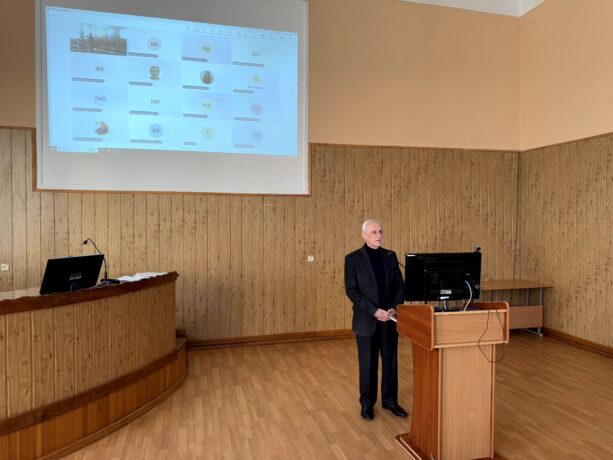
During the meeting, issues related to obtaining grants, international internships, participation in international conferences, and publications in journals indexed in Scopus and Web of Science, as well as in TNMU journals, were discussed. Proposals for amendments to the Educational and Scientific Program for the 2026/2027 academic year were also considered. In particular, based on surveys of postgraduate students and graduates from previous years, a proposal was made to introduce elective courses in artificial intelligence and psychosomatology. In addition to the educational component, an important part of the Educational and Scientific Program is the postgraduate students’ research work, which was also addressed during the meeting.
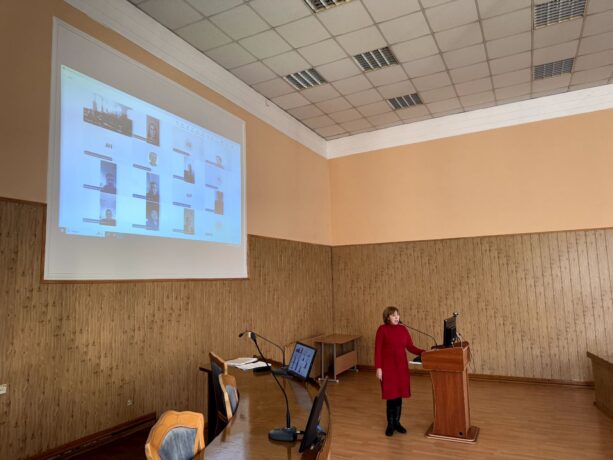
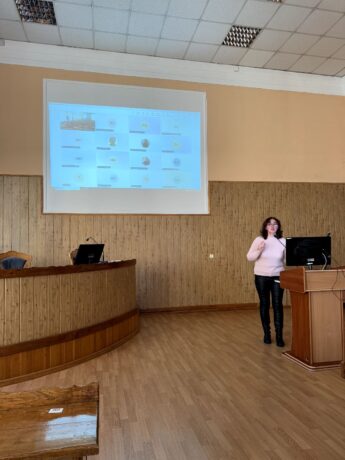
Prof. Hanna Saturska shared her impressions of an international internship, spoke about the positive aspects of educational programs in Germany, and invited postgraduate students to participate in a conference and internship in Munich in 2026, to which she has been invited together with students who have relevant research achievements.
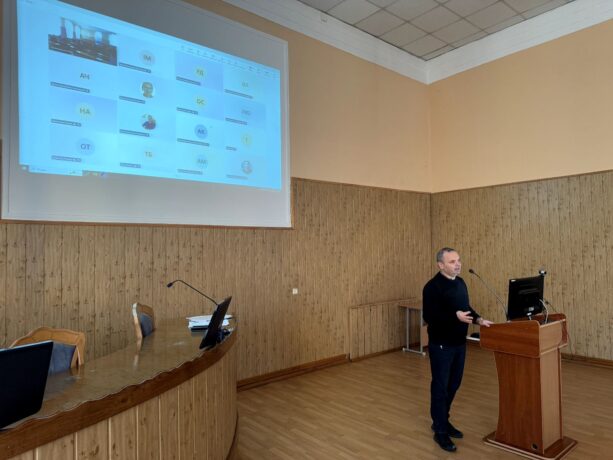
Prof. Arsen Hudyma presented opportunities to conduct classes within Course Component 12, “Pedagogical Practice,” at the Simulation Training Center, which is important for future physicians and educators.
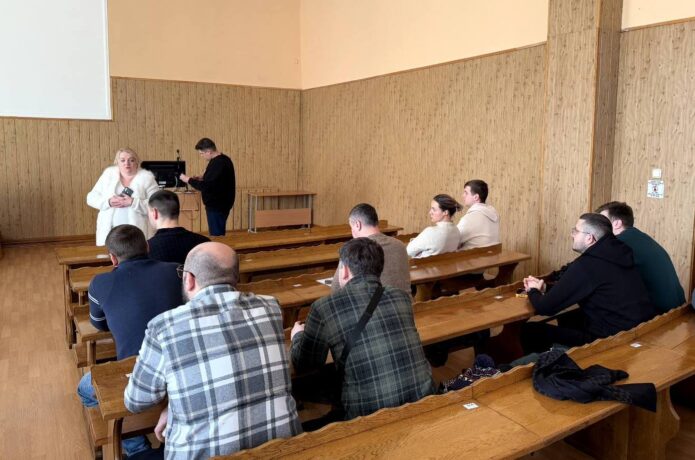
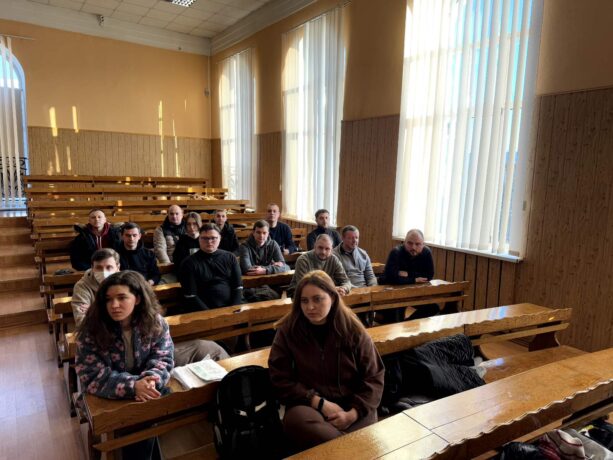
The participants in the meeting actively discussed issues of the Educational and Scientific Program that interested them.
The meeting emphasized the importance of coordinated cooperation between students, academic staff, and the university administration. Open communication contributes to improving the quality of the educational program and ensuring its compliance with the modern requirements of medical education.