

From Theory to Practice: Participation of the Educational and Scientific Institute of Nursing Representatives in the Conference “Medical Simulation – A Look into the Future”
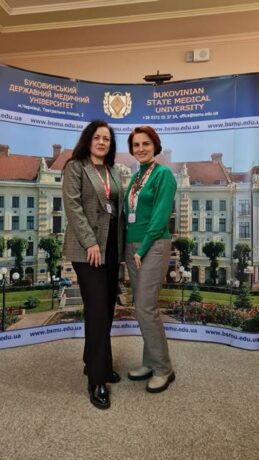
On February 19–20, 2026, the scientific and practical conference “Medical Simulation – A Look into the Future” was held at Bukovinian State Medical University in Chernivtsi. The event brought together researchers, educators, clinicians, and representatives of simulation centers from various regions of Ukraine to exchange experience and discuss prospects for the development of simulation-based learning within the medical education system.
The conference program was rich and diverse. It included plenary and sectional sessions, poster presentations, panel discussions, and a series of practical workshops. Participants had the opportunity to share their experience in organizing simulation-based educational processes, implementing innovative technologies for student training, and using high-fidelity mannequins, standardized patients, and digital platforms. Particular attention was paid to the development of clinical thinking, the formation of professional competencies, and the improvement of patient safety through the implementation of simulation-based teaching methods.
The Educational and Scientific Institute of Nursing of I. Horbachevsky Ternopil National Medical University was represented by Associate Professor Yuliia Danylevych of the Department of Higher Nursing Education, Patient Care and Clinical Immunology, and Assistant Iryna Yavorska. Within the conference, they actively participated in discussions on improving nurse training during sectional sessions, particularly on integrating simulation technologies into curricula and on innovations in medical education and simulation-based learning.
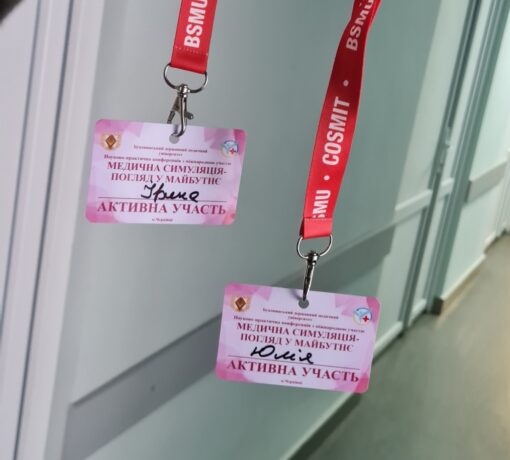
On February 20, conference participants actively participated in practice-oriented workshops held at the Educational and Training Center for Simulation Medicine of the Bukovinian State Medical University. The practical component became an important part of the event, as it allowed participants not only to discuss theoretical aspects but also to practice action algorithms in simulated clinical situations.
The workshop program covered relevant areas of modern medicine. Participants improved their skills in managing shock conditions in polytrauma, mastered the principles of emergency ultrasound using the POCUS methodology, and reviewed action algorithms for critical incidents in the operating room. Separate sessions were devoted to the management of difficult airways using modern simulation mannequins and equipment that closely replicate real clinical conditions.
In particular, Associate Professor Yuliia Danylevych participated in a workshop dedicated to implementing the clinical case discussion methodology into the educational process. During the session, participants practiced structured clinical case analysis, examined typical and complex clinical situations, and discussed approaches to developing students’ clinical thinking. Special attention was given to the role of the facilitator, building effective discussion, and integrating an interdisciplinary approach into teaching.
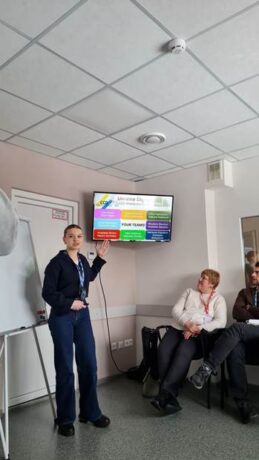
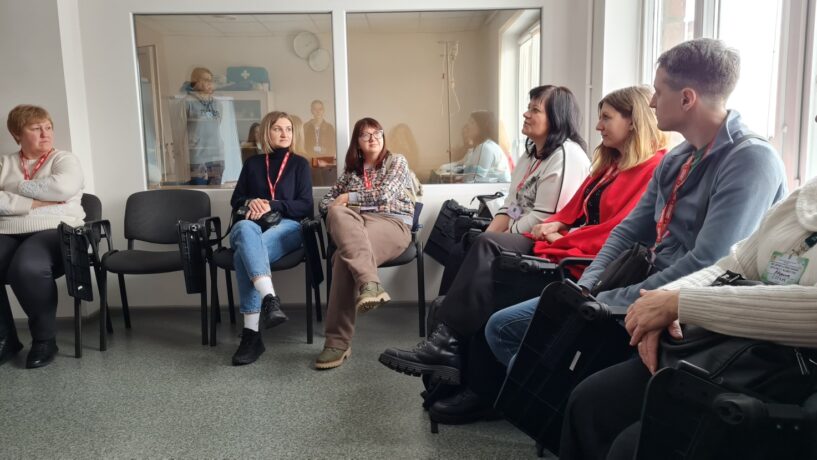
Assistant Iryna Yavorska joined a workshop on managing critical incidents in the operating room. In simulation scenarios, participants modeled emergency conditions that may arise during surgical procedures and enhanced teamwork, communication, and rapid decision-making skills under time constraints. The practical component included error analysis, discussion of risk factors, and application of safe surgical practice principles.
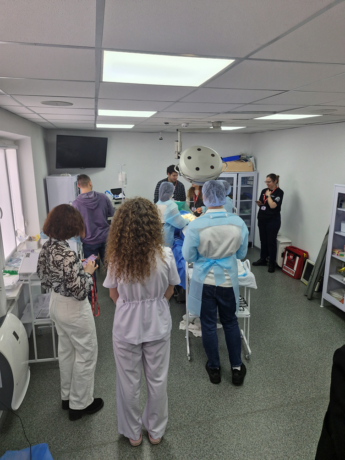
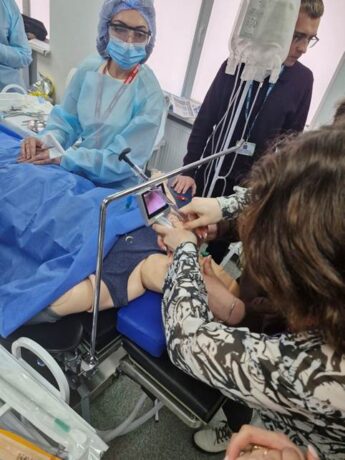
The participation of the representatives of the Educational and Scientific Institute of Nursing contributed to expanding professional experience and implementing modern simulation methodologies in the training of future nursing professionals.